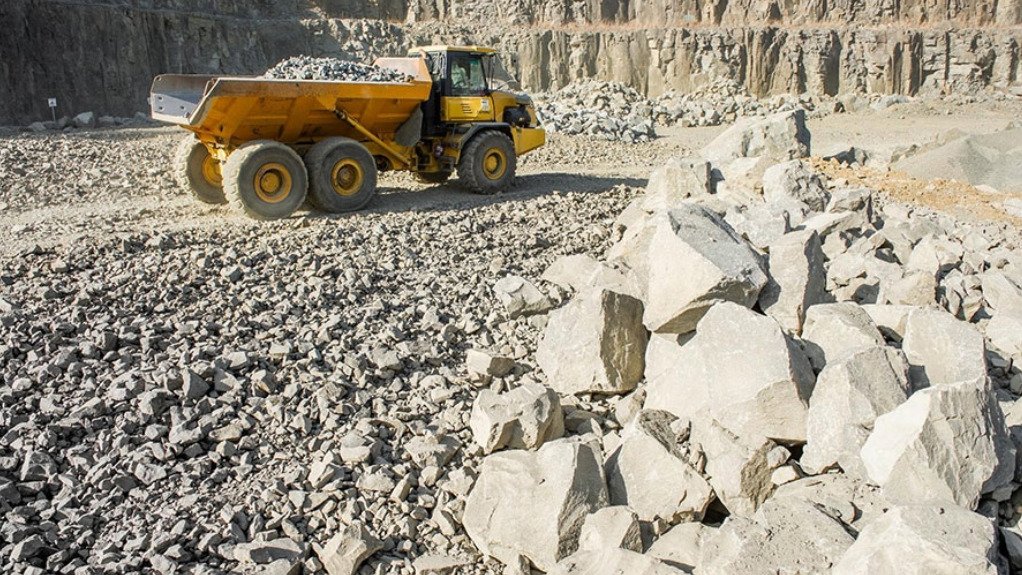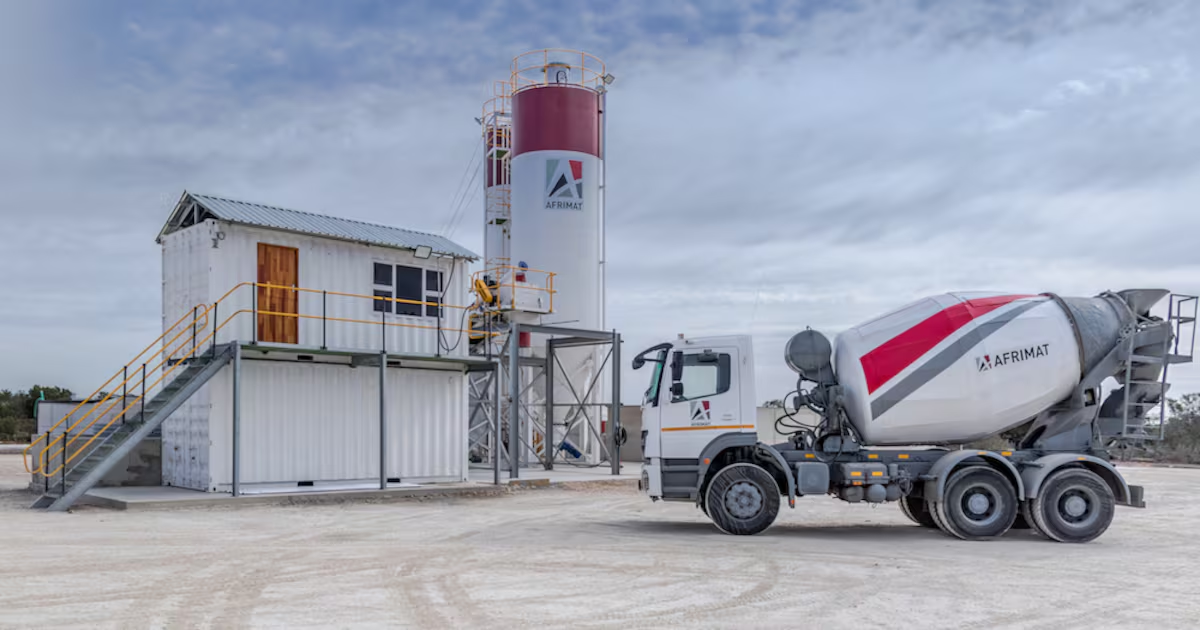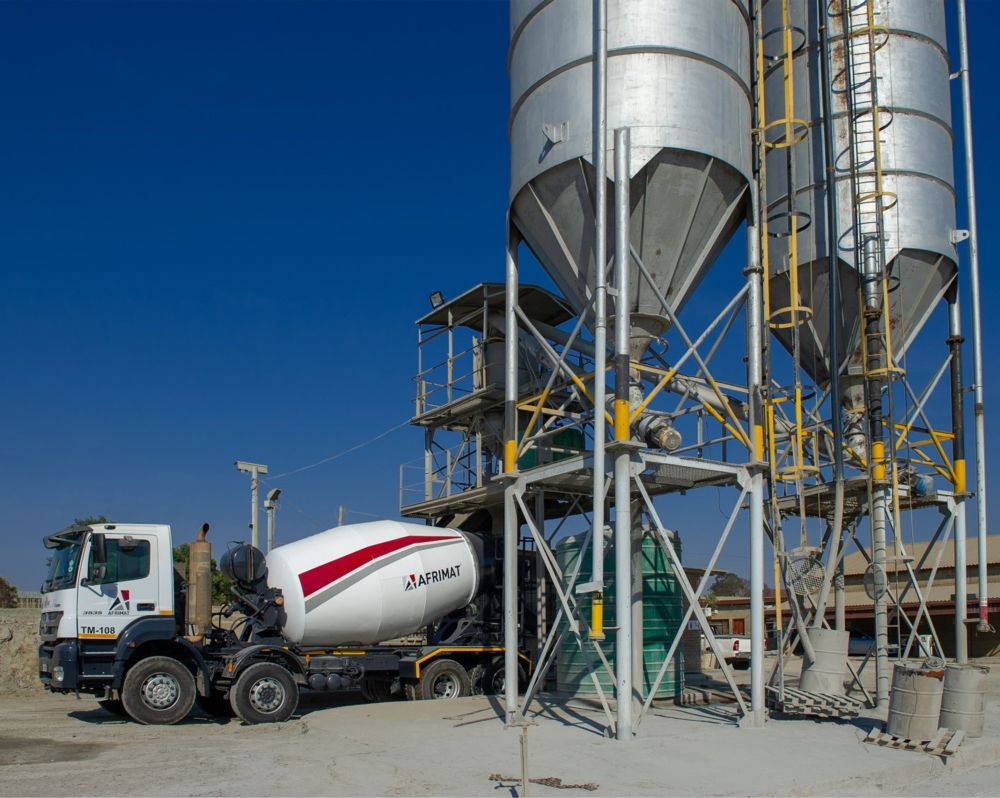
Mid-tier mining company Afrimat describes recent trading conditions as some of the hardest it has faced in its 20-year history but is optimistic that conditions will improve in the second half.Releasing a business update on Tuesday, the group said several factors converged in the first quarter that have had a cumulative effect on its first-half results. These include reduced rand-denominated iron ore export revenues at mine gate, driven by a stronger rand, lower international iron ore prices, and significantly higher shipping rates resulting from the conflict in Iran.An overtraded cement market, inclement weather in the first quarter, and sharp increases and volatility in the price of fuel, again linked to the Iran conflict, also weighed on results, it said.However, there were some bright spots, as domestic iron ore sales normalised in the second quarter after erratic demand patterns in the previous quarter and anthracite sales to ferrochrome smelters started improving after these were shut in the first quarter.Despite these headwinds, Afrimat’s diversified portfolio and resources delivered gains across the business, it said.Afrimat produces and supplies construction materials, cement, iron ore, anthracite, phosphate, and high-quality industrial minerals.Highlights included a growing contribution by the aggregates and fly ash operations, supporting the original rationale for the purchase of Lafarge South Africa. The group secured a manganese export capacity allocation of 240,000 tonnes a year and gained an additional iron ore deposit (Doornfontein), which will extend the life of operations and lower production costs.Volume and market gains were achieved by securing additional domestic and export anthracite markets and additional iron ore export capacity on the general freight business rail line.“A strong focus on cash preservation remains in place. Proceeds realised from the disposal of non-core marginal businesses and Competition Commission-mandated divestitures have been applied to strengthening the balance sheet.”The group said the construction materials segment will be the most meaningful contributor to revenue and profitability in the first half.It added that the rationale for the Lafarge acquisition is proving itself. Afrimat has divested the necessary quarries, as directed by the Competition Commission, and has fixed and turned around many of the poorly performing quarries it acquired. “The integration drive has been successfully completed, with improvements already emerging from the strengthened platform now in place.”Afrimat is seeing volume growth from widespread spend as well as several projects across the country, including rail maintenance, provincial roads, water infrastructure, private and residential building contracts and the rollout of renewable energy projects.In its cement segment, business procedures and operations are now running much more consistently. Kiln 4 is operating at a steady production level, while Kiln 3 was switched off over winter due to higher energy costs.Afrimat said with improved performance, various strategic alternatives are being investigated, but it did not elaborate further.It said its bulk commodities segment has been affected by several structural factors in the South African economy.Domestic iron ore volumes were affected in the first quarter as ArcelorMittal South Africa took volumes from a stockpile it had secured, but volumes improved in the second quarter.Rail logistics are performing better and are becoming more reliable, it said. A 10-day maintenance shutdown, essential for future performance, though well executed, affected volumes. Another maintenance shutdown is due in October.Despite improved operational efficiency at Transnet, Afrimat expects that the maintenance shutdowns will keep volumes roughly 10% below the allocation of 870,000 tonnes a year.“Afrimat continues to build on its strengths, with acquisitions, particularly in aggregates, beginning to deliver. The diversified commodity base, focused on open-pit mining, is coming to fruition.”Operational improvements are now complete in the cement business, and Afrimat hopes to update the market on the strategic alternative project shortly.In the iron ore business, profits from international sales are expected to be constrained by lower realised rand revenue, and shipping costs will continue to be affected as long as the war in Iran continues. Domestic iron ore demand will remain under pressure from ongoing steel sector headwinds.Anthracite volumes are expected to improve as more smelters come online, supported by the export strategy the company has implemented.External shocks have been managed and mitigated as far as possible, with several new initiatives in place. Cash generation and debt reduction are the main priorities, it said.Business Day
Afrimat weathers tough six months but expects improved second half
Iron ore, cement and fuel volatility weigh on Afrimat’s first-half results
696 words~3 min read