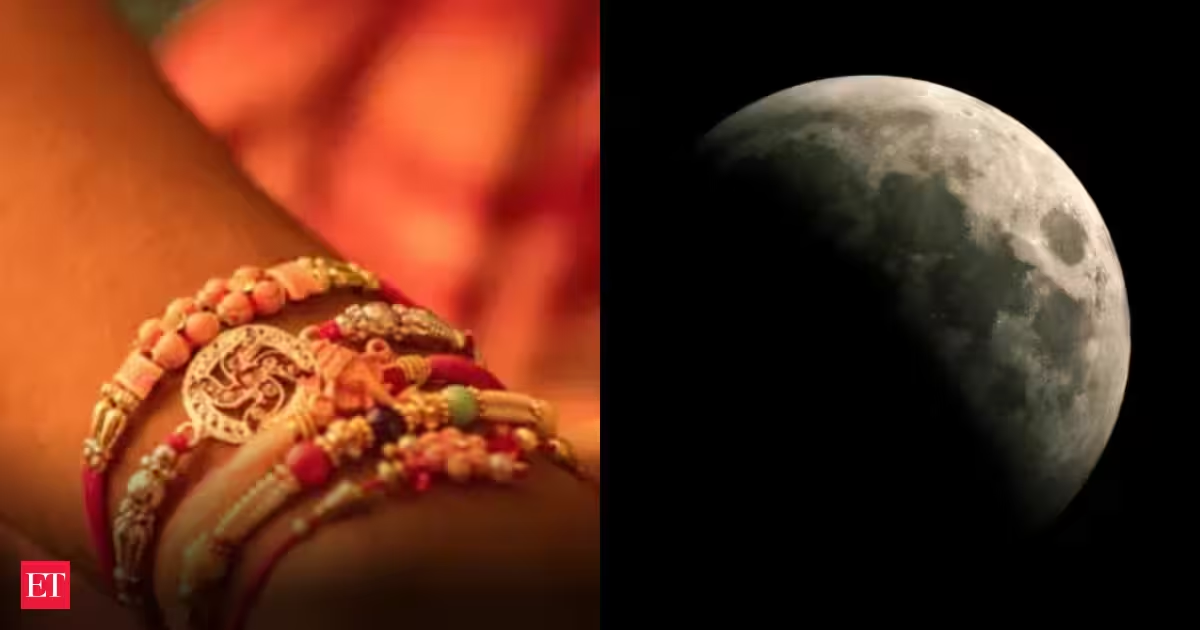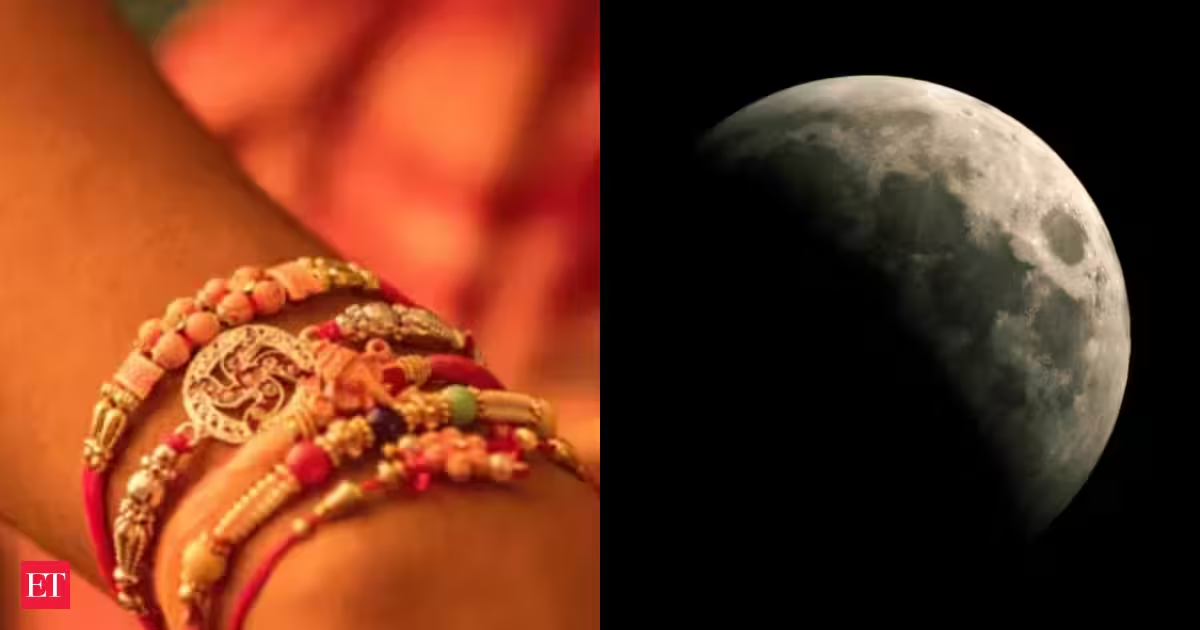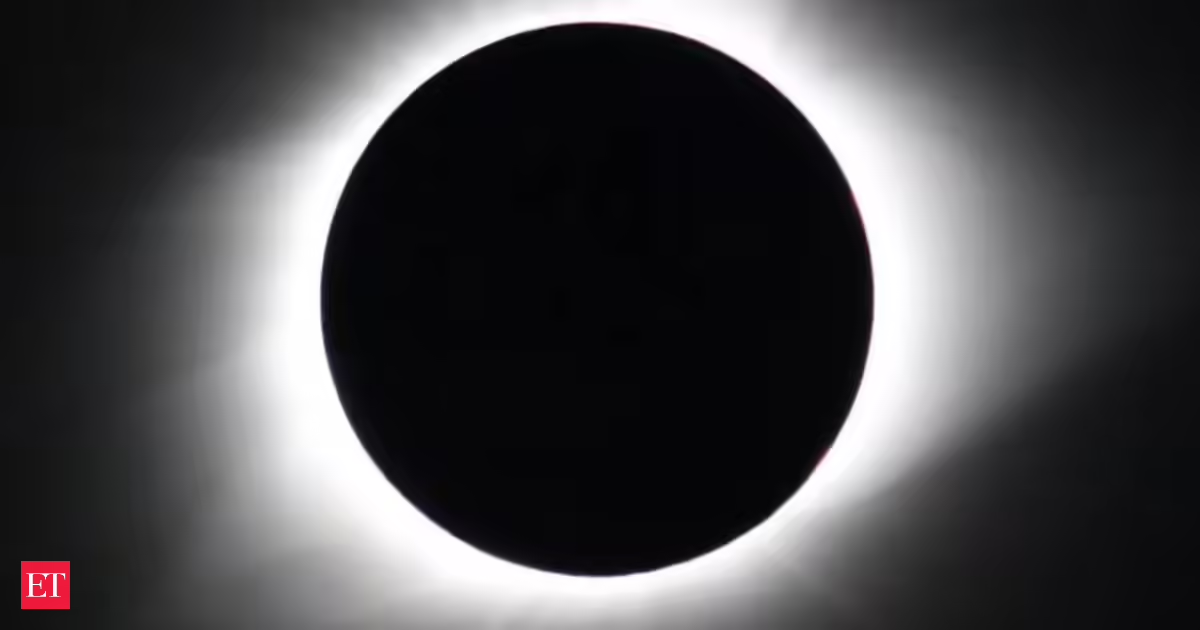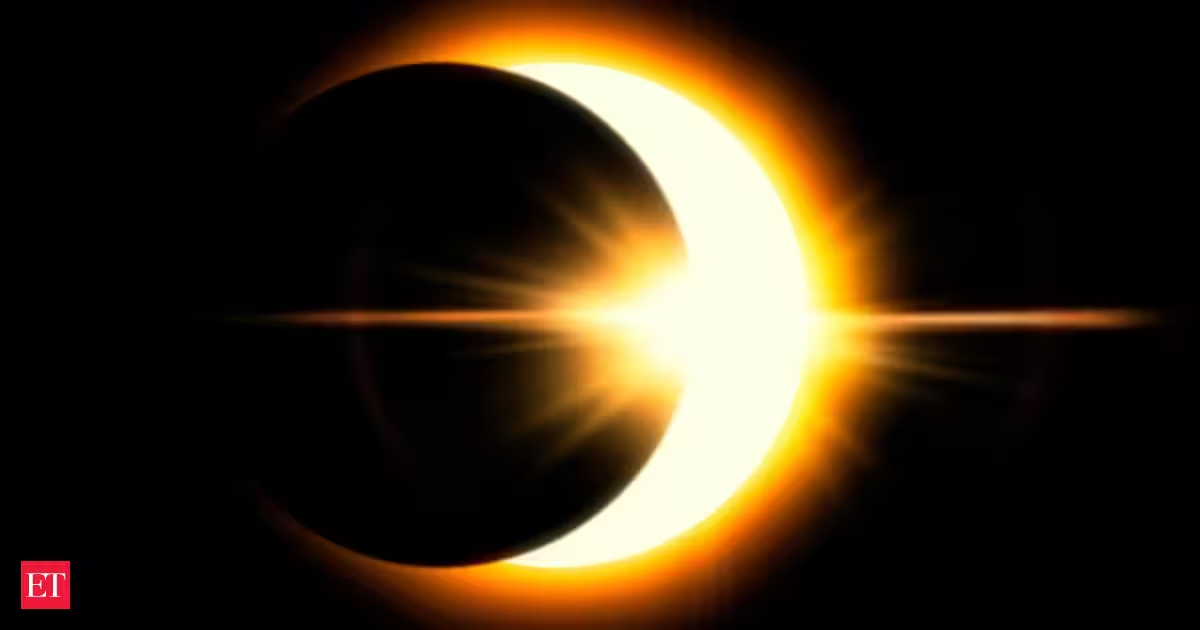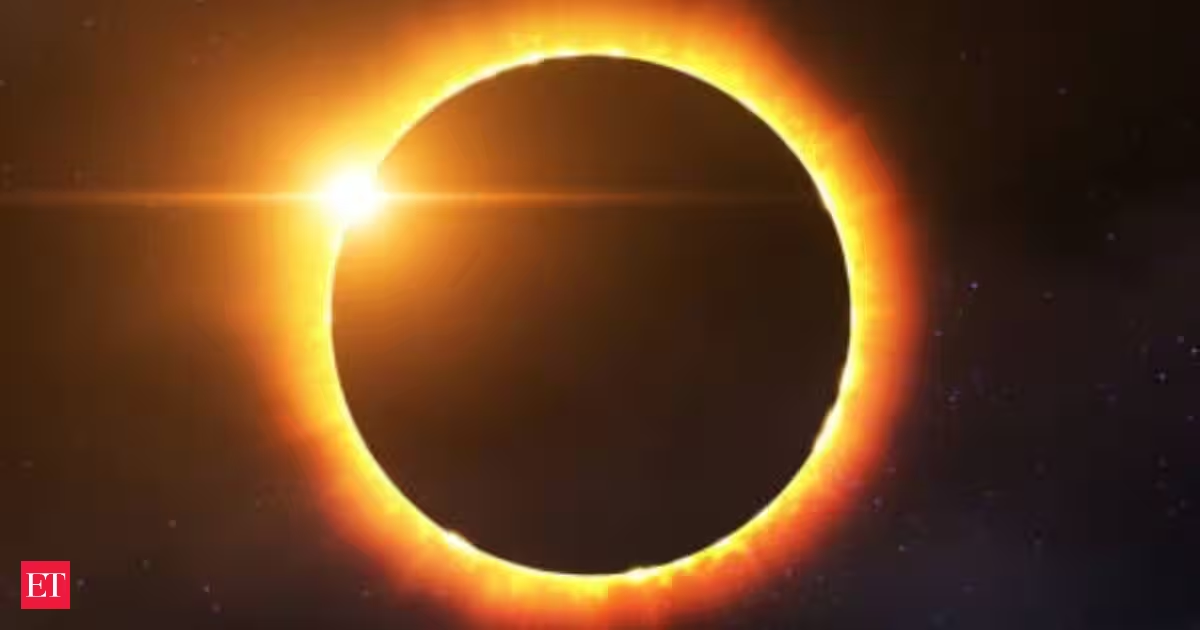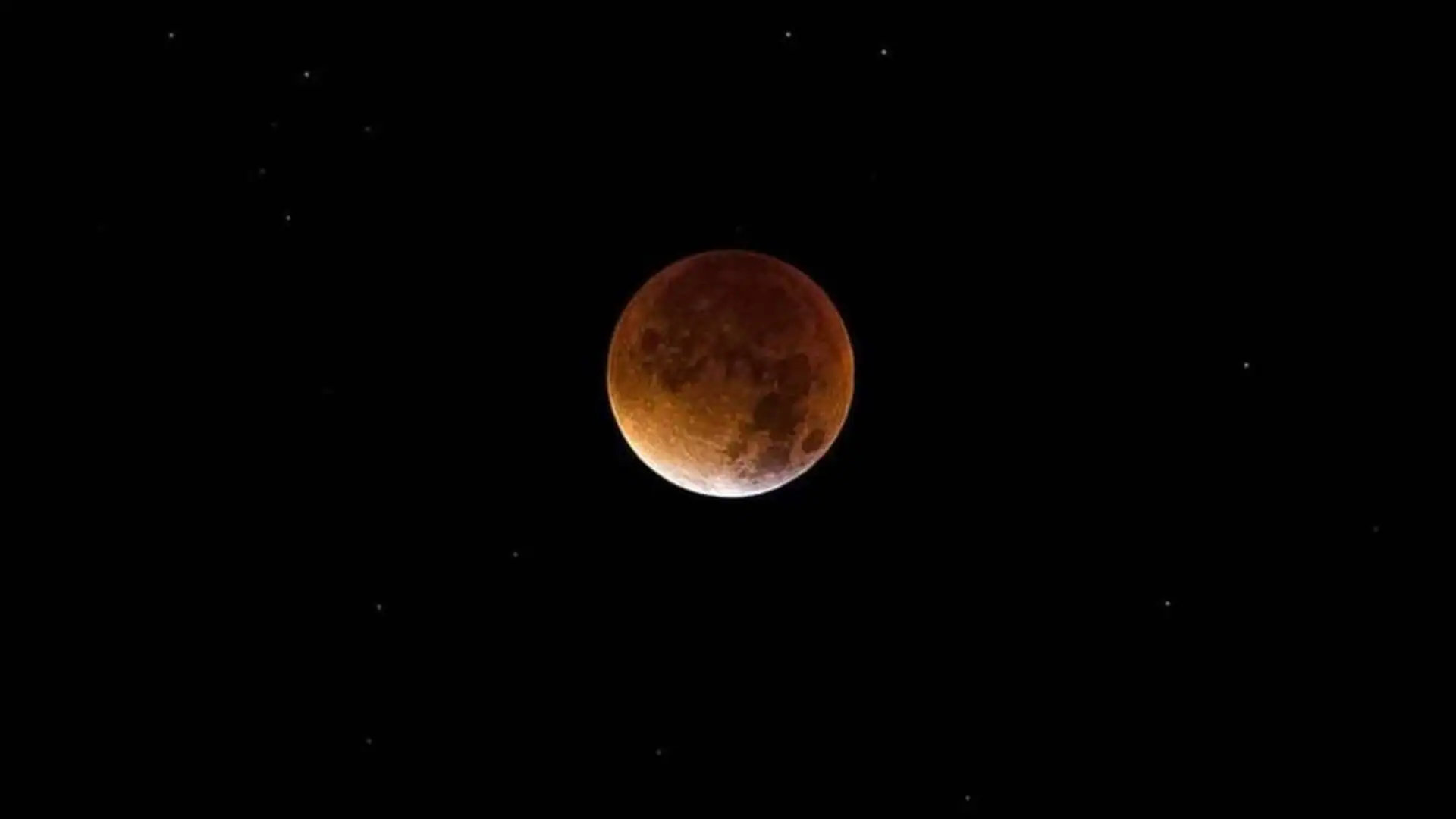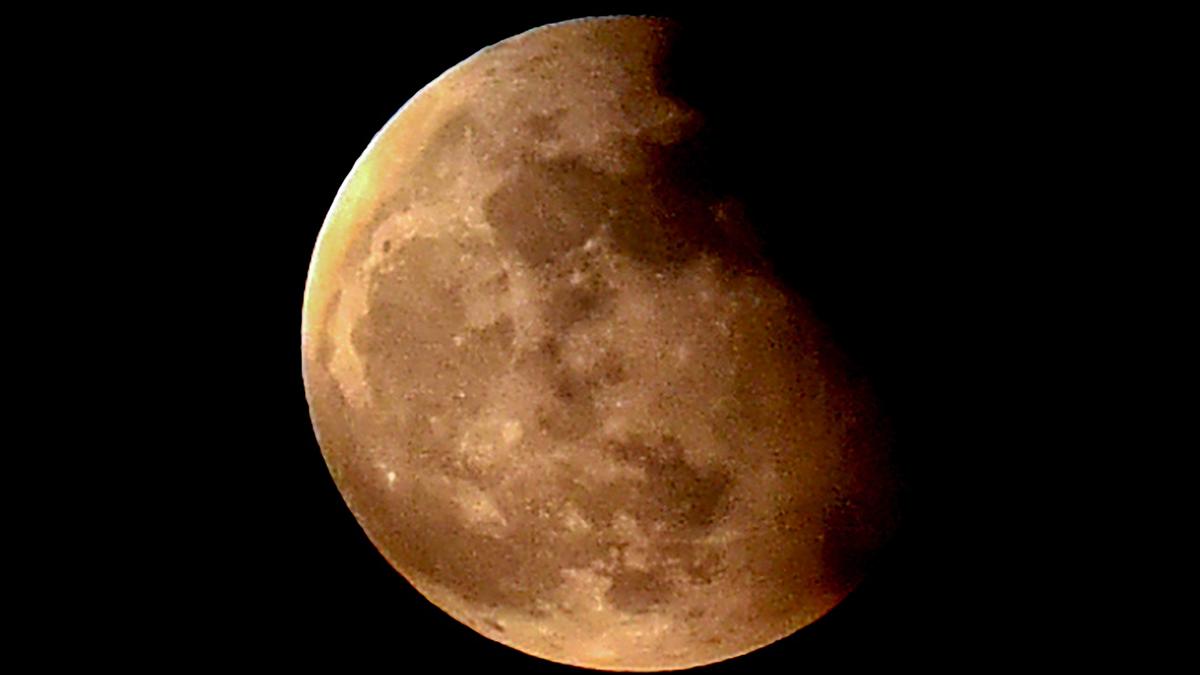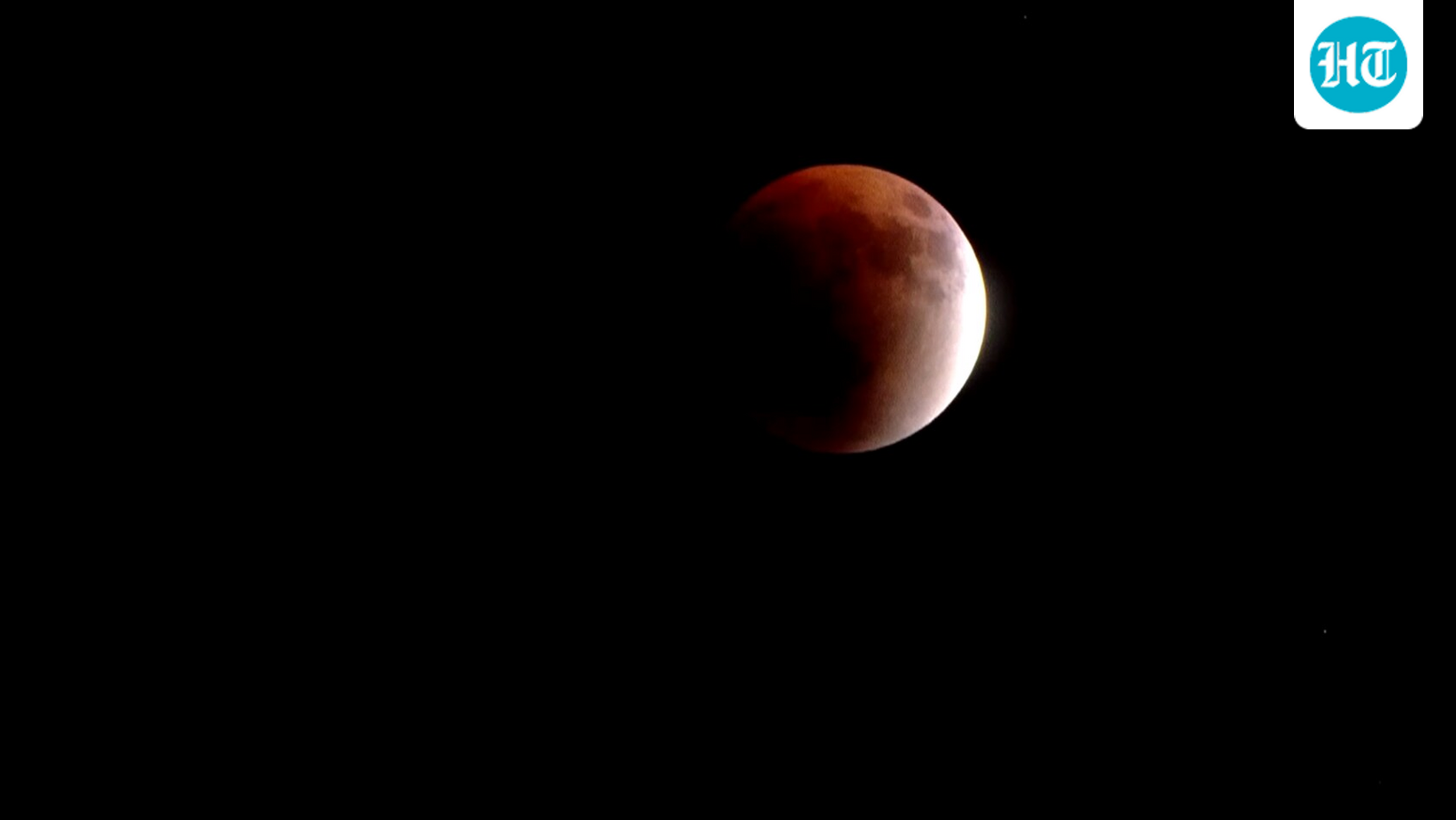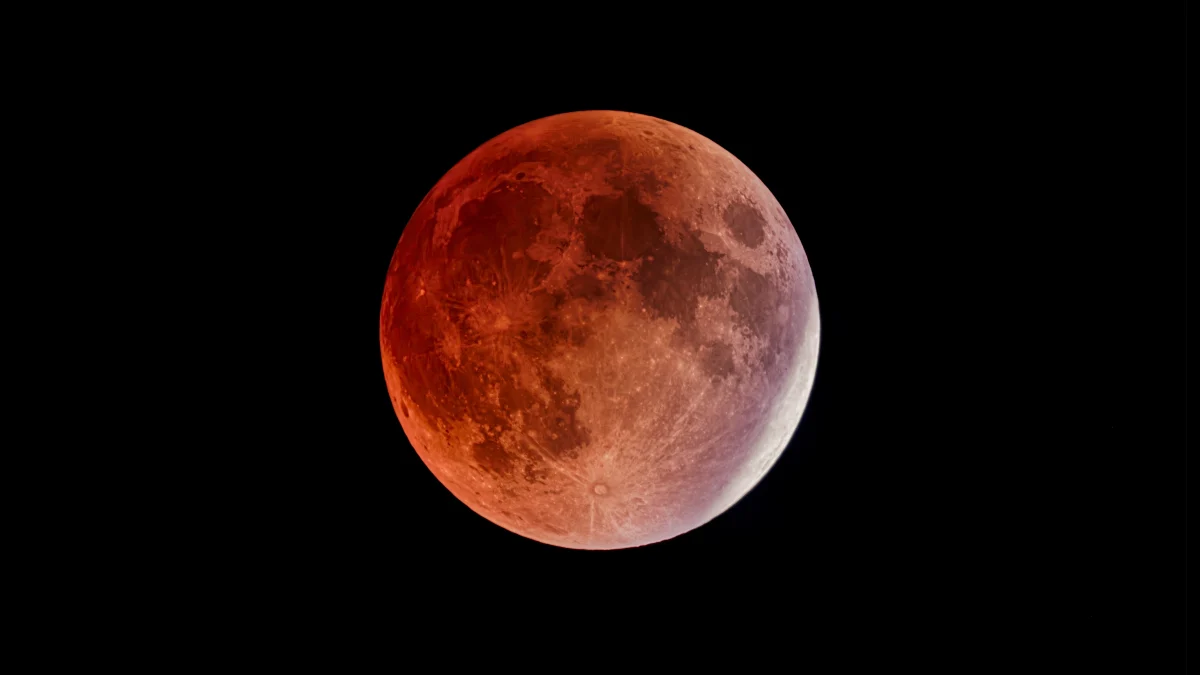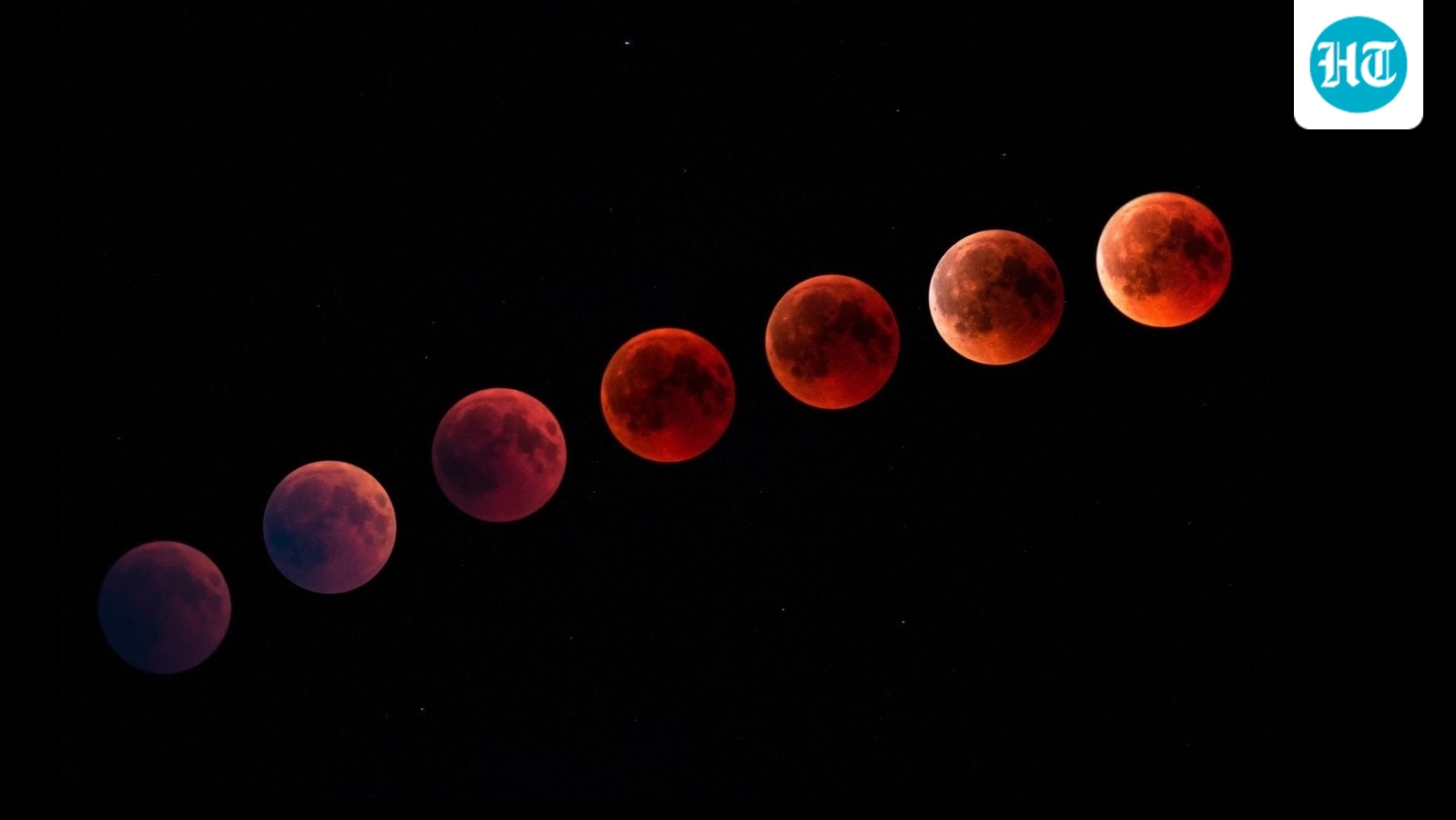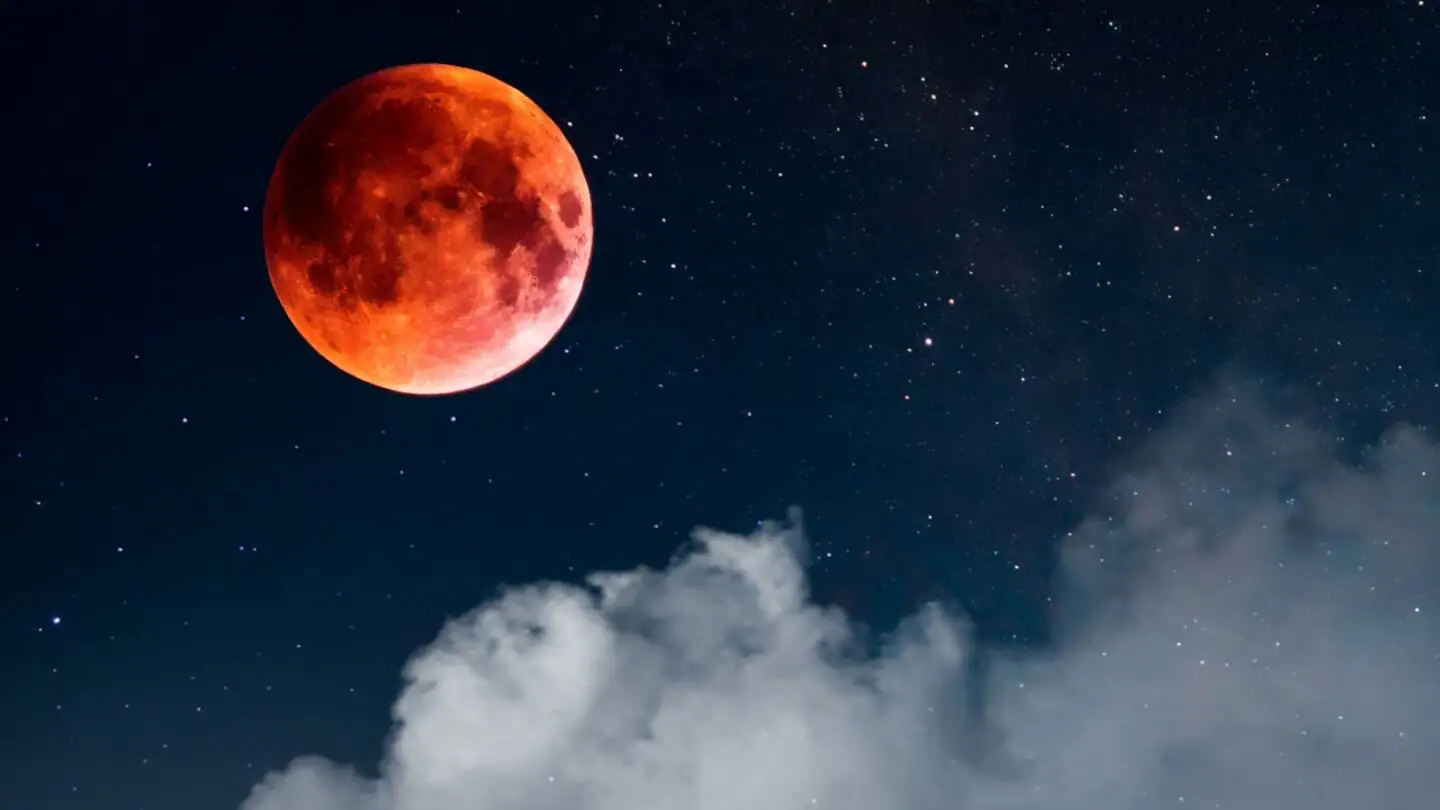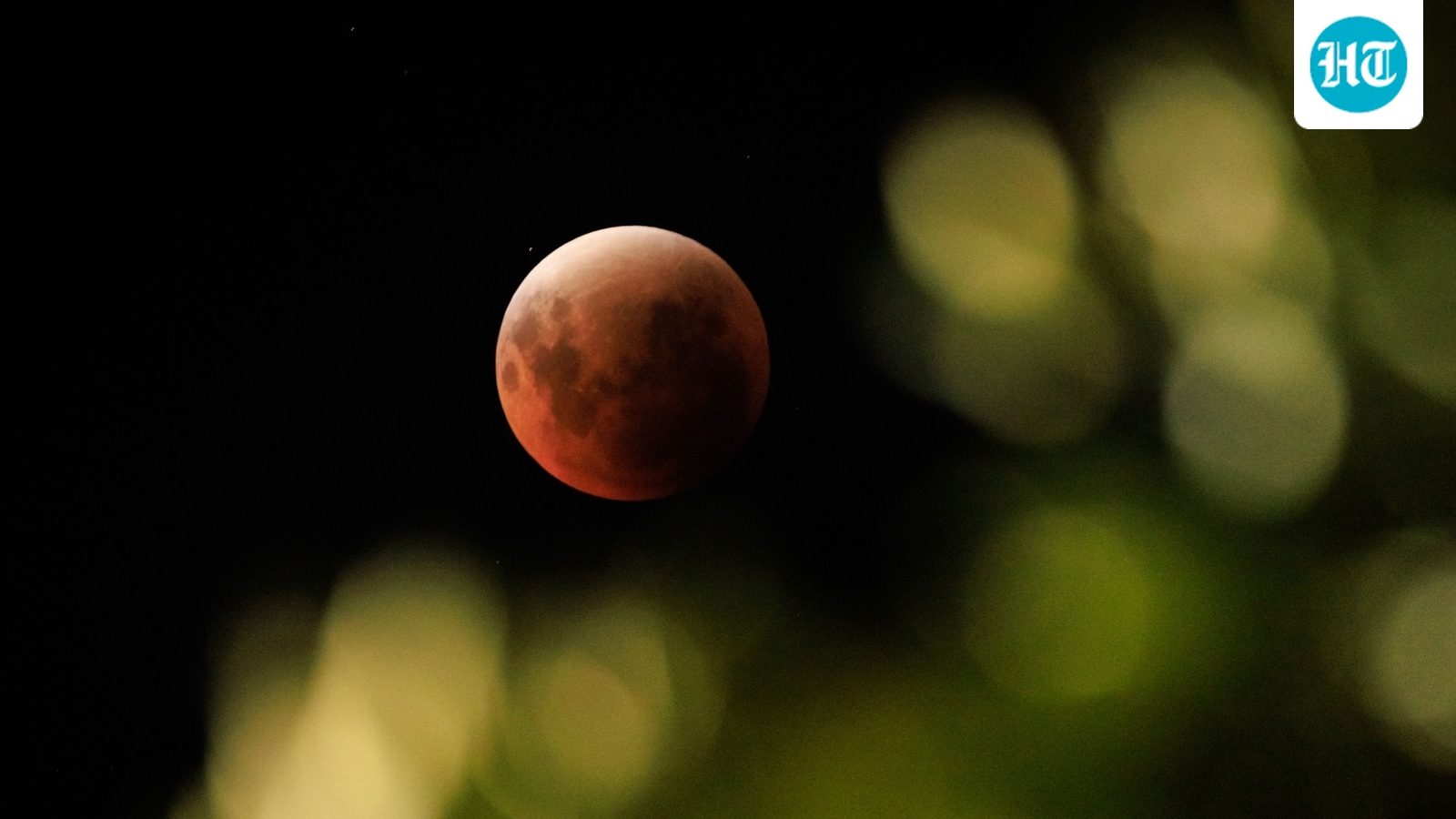
SynopsisChandra Grahan 2026 will occur on August 28 as a partial lunar eclipse. Know the exact Chandra Grahan timings, Sutak Kaal rules, visibility in India, and its connection with Raksha Bandhan. This guide also explains the science, religious significance, traditional practices and astrological interpretations associated with the August 2026 lunar eclipse.ET OnlineChandra Grahan 2026 falls on August 28. Know lunar eclipse date, time, Sutak Kaal, India visibility, Raksha Bandhan impact and religious significance. (AI Image)Chandra Grahan 2026 is set to occur on August 28, coinciding with Raksha Bandhan. Here is everything you need to know about the lunar eclipse date, exact timings, Sutak Kaal, India visibility, religious significance and traditional rules.The Chandra Grahan 2026 will take place on Friday, August 28, and is one of the major celestial events of the year. According to NASA, it will be a deep partial lunar eclipse, during which about 93% of the Moon's diameter will enter Earth's dark central shadow.Also Read: Blood Moon August 28: What to Release Before the EclipseChandra Grahan 2026: When Is It?The second lunar eclipse of 2026 will occur on August 28, 2026. NASA lists it as a partial lunar eclipse, with the astronomical event occurring overnight on August 27-28 in some parts of the world. Unlike a total lunar eclipse, the Moon will not be completely covered by Earth's umbra. However, because such a large portion of the lunar disc enters the central shadow, the eclipse can appear particularly dramatic from locations where it is visible.Chandra Grahan 2026 Date and Time in ISTAccording to the astronomical timings reported for the eclipse, the different phases will occur at the following times in Indian Standard Time:Penumbral eclipse begins: 6:53 AMPartial lunar eclipse begins: 8:03 AMMaximum eclipse: 9:42 AMPartial eclipse ends: 11:21 AMPenumbral eclipse ends: 12:31 PMThe complete eclipse, including the subtle penumbral phases, lasts approximately 5 hours and 38 minutes, while the more noticeable partial phase lasts around 3 hours and 18 minutes. At maximum eclipse, around 96.2% of the Moon's disc will be inside Earth's umbra. NASA's calculations similarly classify the August 28 event as a partial lunar eclipse with an eclipse magnitude of about 0.930.Also Read: Lunar Eclipse 2026: These 3 Zodiac Signs Could Finally Leave the Past Behind and Embrace a Fresh StartWill Chandra Grahan Be Visible in India?This is one of the biggest questions behind the rising searches for “Chandra Grahan 2026 in India” and “Chandra Grahan 2026 in India date and time.” The eclipse will occur during the daytime in India, meaning most of the country will not be able to observe the actual lunar eclipse because the Moon will not be above the horizon during the main phases. The best visibility will be across parts of North and South America, Europe and Africa, with some western parts of Asia also potentially seeing portions of the event depending on local conditions.Is Sutak Kaal Applicable for Chandra Grahan 2026?The question of Sutak Kaal becomes particularly relevant because the lunar eclipse falls on Raksha Bandhan.In traditional Hindu belief, Sutak is considered a period associated with an eclipse during which certain religious activities, food preparation and other practices may be restricted. However, traditional Panchang practices generally connect the observance of Sutak with whether the eclipse is visible at a particular location. Since the August 28 lunar eclipse is not visible from most of India, several Indian astrology and religious reports state that Sutak restrictions will not apply in India for this eclipse.Chandra Grahan 2026: Key Details at a GlanceDetailInformationDateAugust 28, 2026DayFridayTypePartial Lunar EclipseMaximum EclipseAround 9:42 AM ISTPartial Phase8:03 AM–11:21 AM ISTTotal DurationAbout 5 hours 38 minutesIndia VisibilityNot visible from most of IndiaSutak in IndiaGenerally not applicable where the eclipse is not visibleSpecial SignificanceCoincides with Raksha BandhanAstrological AssociationAquarius and Shatabhisha, according to Vedic astrologyDisclaimer Statement: This content is authored by a 3rd party. The views expressed here are that of the respective authors/ entities and do not represent the views of Economic Times (ET). ET does not guarantee, vouch for or endorse any of its contents nor is responsible for them in any manner whatsoever. Please take all steps necessary to ascertain that any information and content provided is correct, updated, and verified. ET hereby disclaims any and all warranties, express or implied, relating to the report and any content therein.Read More News onRead More News on
Chandra Grahan 2026: Date, Time, Sutak, Visibility & Significance
Chandra Grahan 2026 falls on August 28. Know lunar eclipse date, time, Sutak Kaal, India visibility, Raksha Bandhan impact and religious significance.
718 words~3 min read