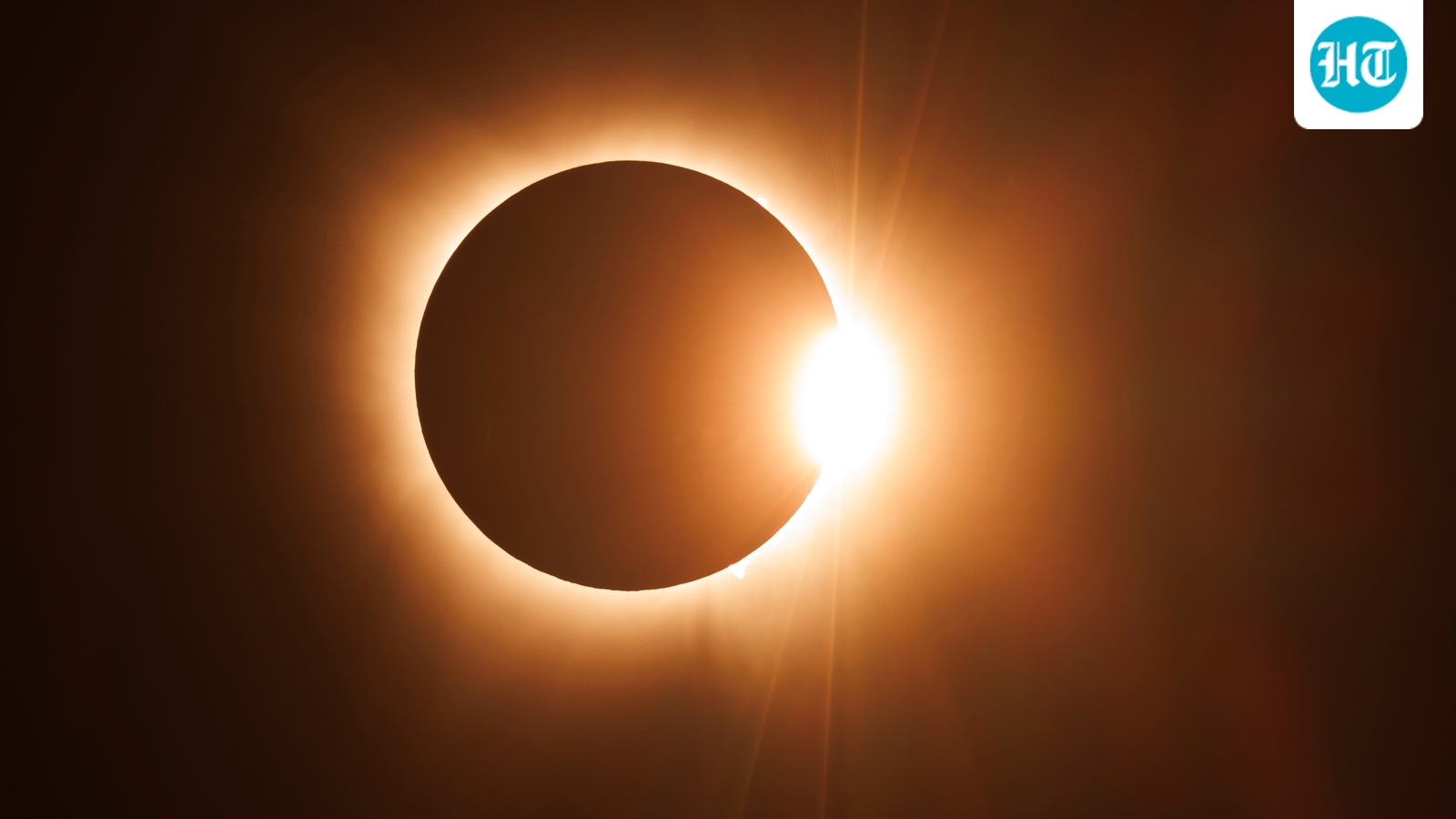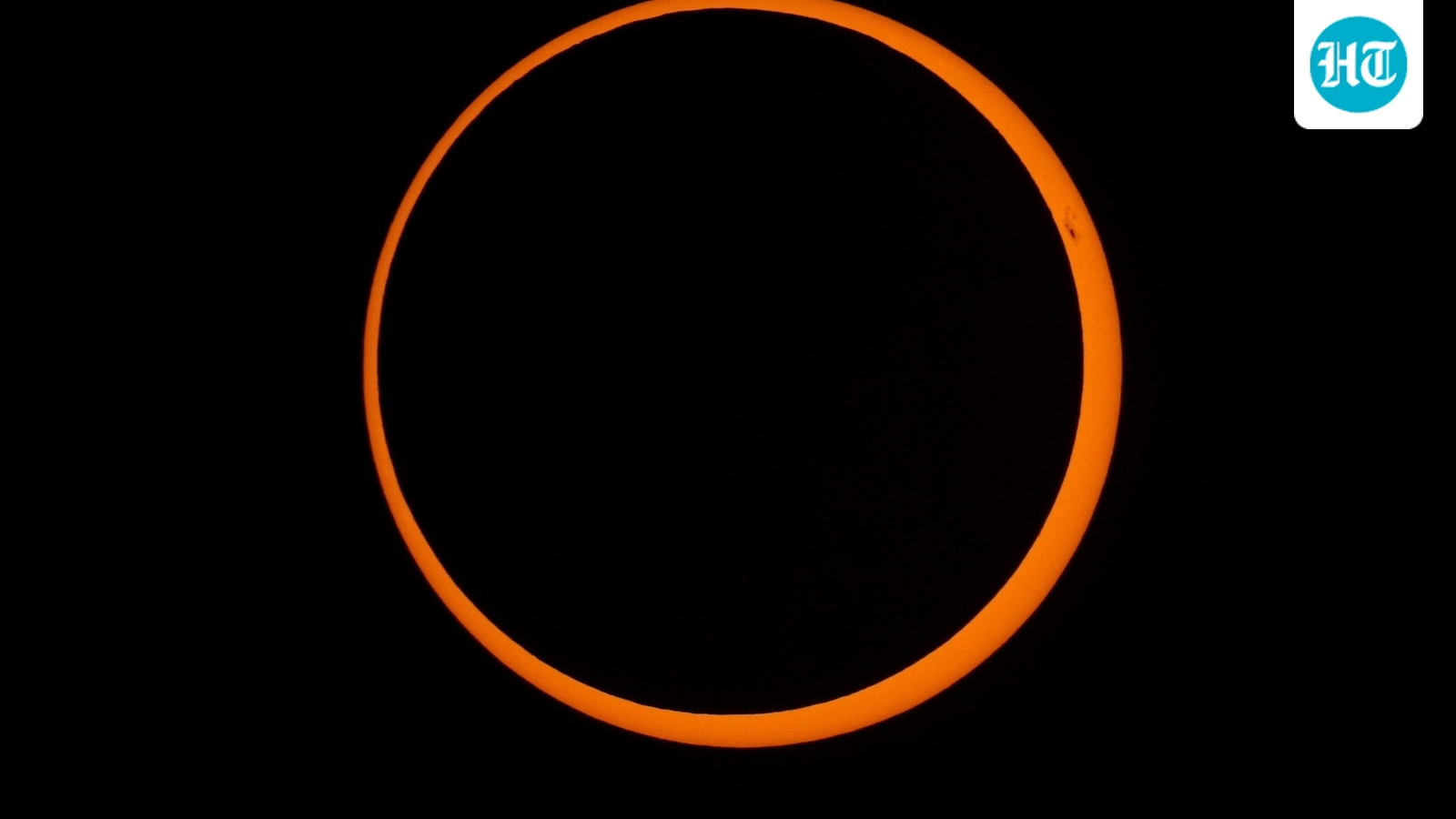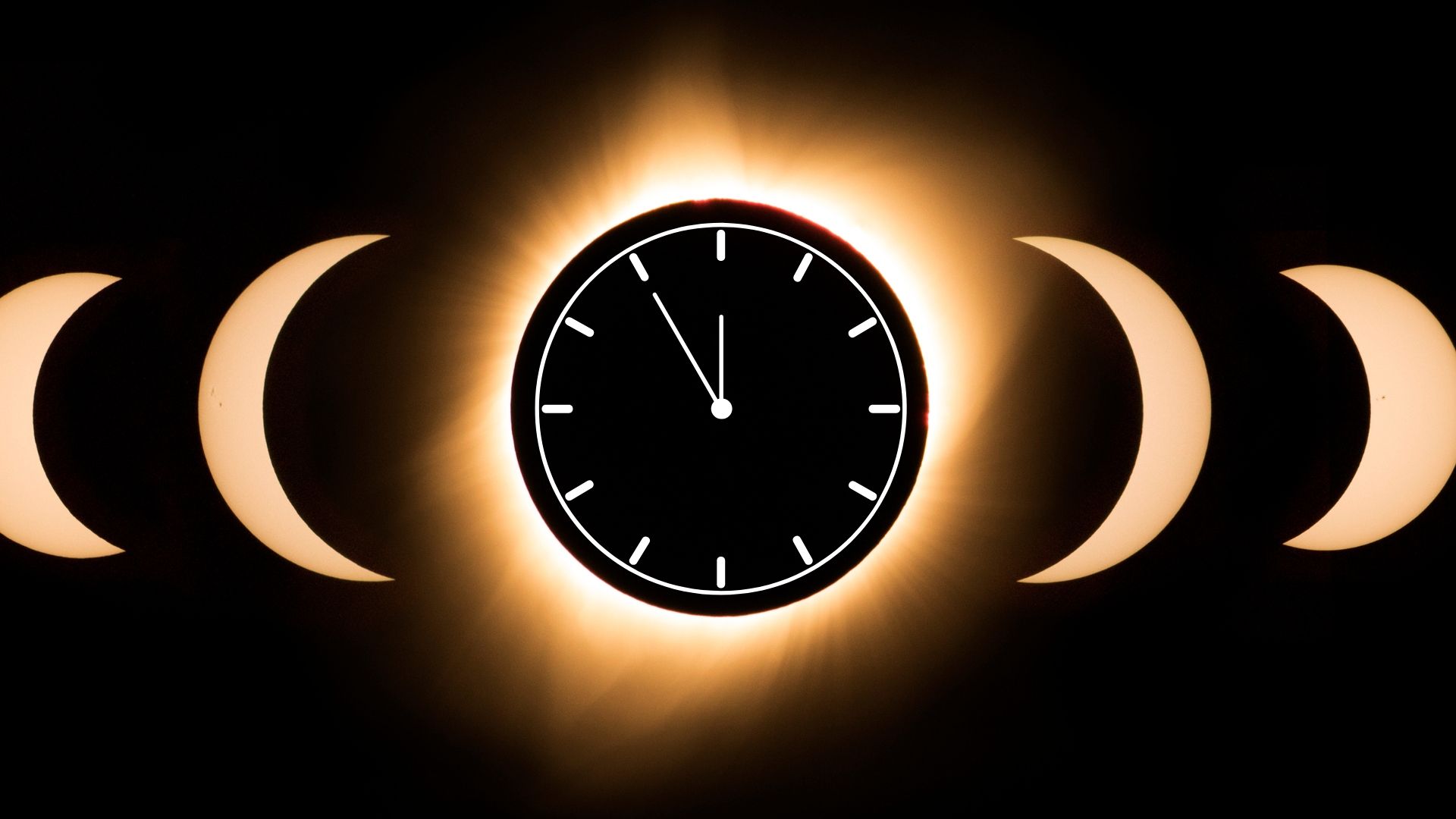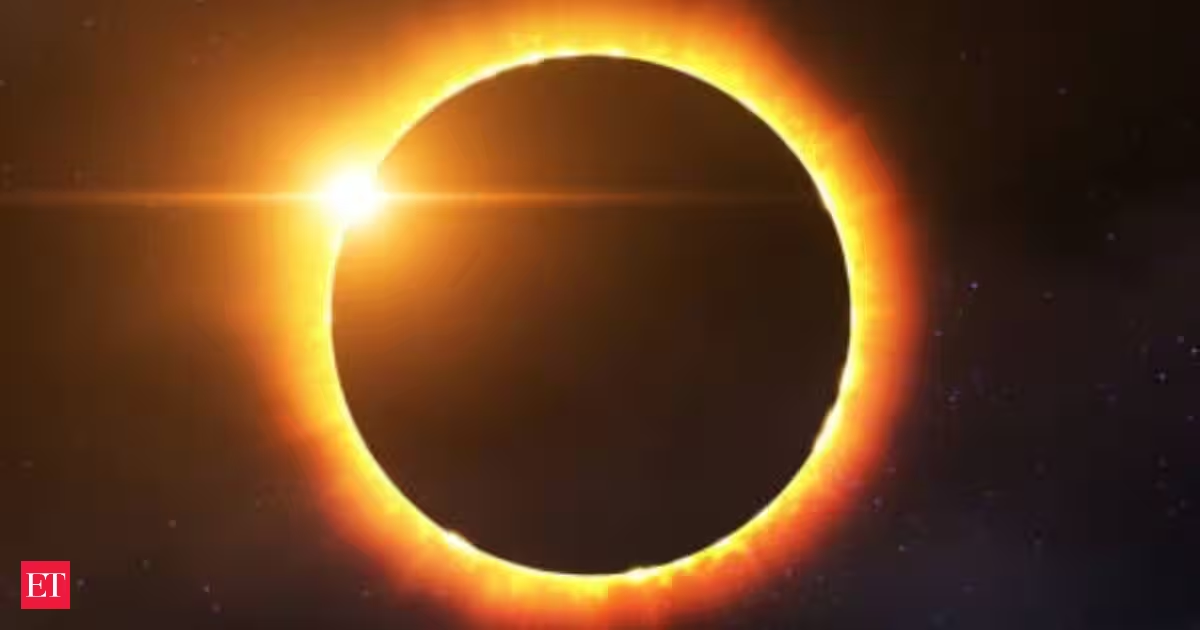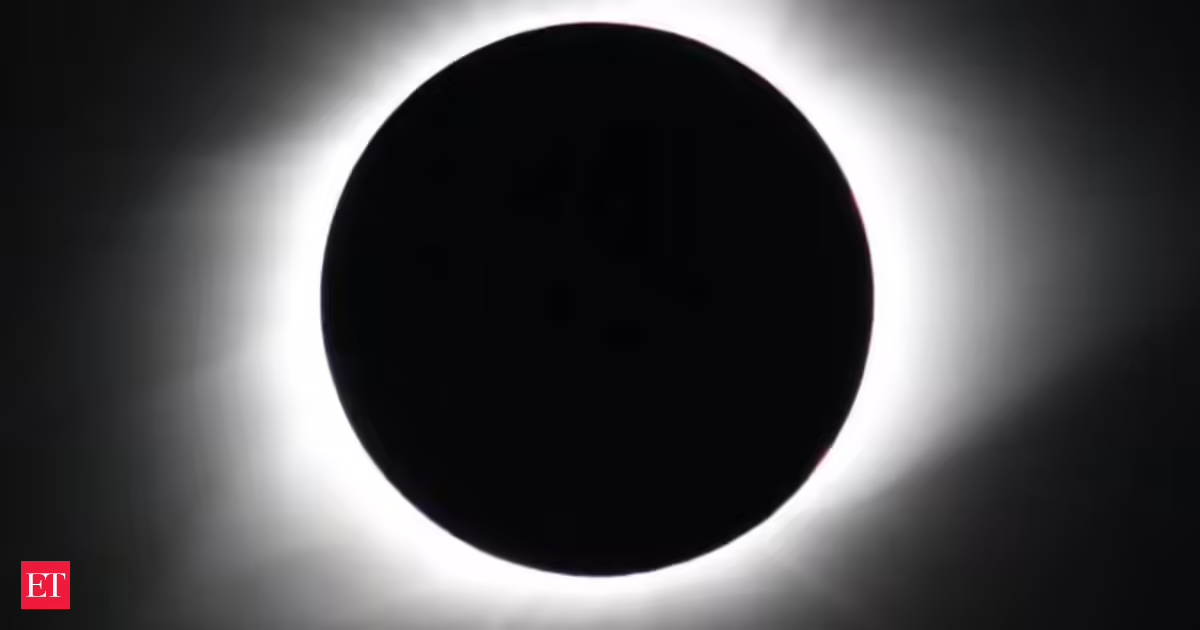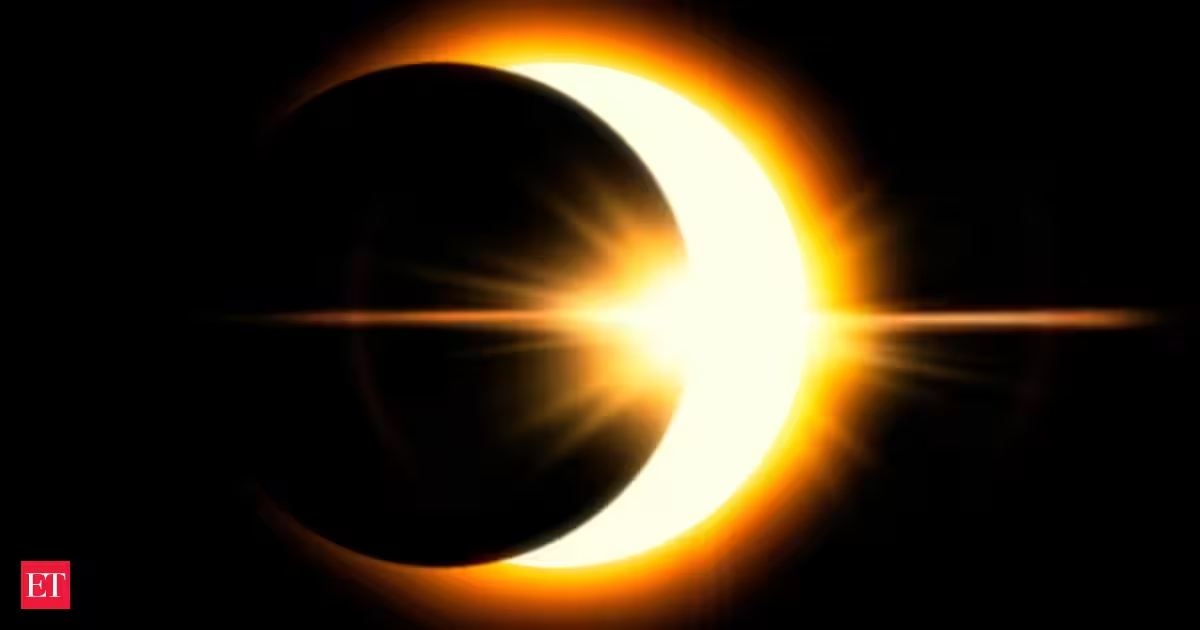
Surya Grahan Kab Lagega 2026? The total solar eclipse on August 12, 2026, will be one of the year's major astronomical events, but it will not be visible in India. The eclipse will be seen in totality across parts of Greenland, Iceland, northern Russia, Spain and a small area of Portugal, while a partial eclipse will be visible across large parts of Europe, Canada, the northern United States and northwestern Africa.In India, the solar eclipse is known as Surya Grahan and carries significance in both astronomy and spirituality. Since the August 12 eclipse will not be visible from India, location-specific Panchang calculations indicate that the traditional Sutak period will not apply.12 August 2026 Surya Grahan Date and TimeNo, the August 12, 2026, solar eclipse will not be visible in India.The country is outside both the path of totality and the main band of the partial eclipse. Panchang calculations for specific locations also indicate that the eclipse will not be visible from India.The lack of local visibility is relevant to traditional Hindu customs, as the observance of Sutak is linked to whether an eclipse can be seen from a particular location.Solar eclipse 2026 global timings in ISTThe global stages of the August 12 eclipse, when converted to Indian Standard Time, fall between the evening of August 12 and the early hours of August 13. These timings represent the worldwide progress of the eclipse and are not timings for viewing it from India.The eclipse begins globally at 9:04 PM IST on August 12, while maximum eclipse occurs at 11:16 PM IST. The end of global totality is at 12:04 AM IST on August 13, with the eclipse ending worldwide at 1:28 AM IST.The global timings are:Partial eclipse begins worldwide: 9:04 PM IST, August 12Maximum eclipse: 11:16 PM ISTEnd of global totality: 12:04 AM IST, August 13End of eclipse worldwide: 1:28 AM IST, August 13Surya Grahan India sutak kaal timeThe traditional rule is that Sutak is observed only when an eclipse is visible at the concerned location. For a visible solar eclipse, Sutak traditionally begins four Prahars, or about 12 hours, beforehand.The August 12 eclipse will not be visible in Delhi and the other checked Indian locations. Therefore, under the visibility-based traditional rule, Sutak is not applicable in India for this eclipse.Sutak starts: Not applicableSutak ends: Not applicableThe same applies to the special Sutak period traditionally observed for children, elderly people and those who are unwell. Indian families following the visibility-based rule therefore do not have to observe compulsory Sutak restrictions for this eclipse.What is a total solar eclipse?A solar eclipse occurs when the Moon passes directly between the Sun and Earth, casting its shadow across a narrow part of the planet.During a total solar eclipse, the Moon completely covers the Sun for observers within the path of totality. This can create a brief period of darkness, cause temperatures to fall and produce unusual shadows. Animals may also respond to the sudden change in light.The alignment is possible because the Sun is roughly 400 times larger than the Moon while also being about 400 times farther from Earth. From the right location, the Moon can therefore appear large enough to cover the Sun completely and reveal the Sun's outer atmosphere, known as the corona.Where will the August 12 eclipse be visible?The remote region of northern Russia will be among the first areas to experience totality on August 12. The path of totality will then pass over Greenland, Iceland, Spain and the northeastern tip of Portugal.In Spain, the total eclipse will broadly move from the northern city of Oviedo towards the island of Mallorca. The eclipse will also pass over parts of Spain affected by devastating fires.A partial eclipse will be visible across most of Europe, Canada, the northern United States and northwestern Africa.How long will the total solar eclipse last?For observers in Spain, totality will last for less than two minutes shortly before sunset. In Burgos, for example, the period of darkness will last one minute and 48 seconds.Totality will last slightly longer in parts of Russia and Greenland, although it will still remain under two-and-a-half minutes.The partial phases will last considerably longer, at around one hour and 45 minutes. However, the experience of a partial eclipse will differ from witnessing totality, as the Sun is never completely covered.How rare are total solar eclipses?One or two solar eclipses occur approximately every year, but the narrow path of totality means that the same location can wait hundreds of years before experiencing another total solar eclipse.Another total solar eclipse is scheduled for August 2, 2027, crossing southern Spain, northern Africa and the Arabian Peninsula. Totality during that eclipse will last six minutes and 23 seconds.Spain will also experience an annular solar eclipse on January 26, 2028. An annular eclipse occurs when the Moon does not completely cover the Sun, leaving a visible ring of sunlight.Is eye protection needed during a solar eclipse?Yes. Looking directly at the Sun during an eclipse can cause serious eye damage.Experts recommend using specially designed eclipse glasses that filter ultraviolet rays and comply with the ISO 12312-2:2015 standard. The absence of pain receptors in the eyes means that damage can occur without an immediate warning, with symptoms appearing later.Research following the 2024 total solar eclipse in the United States also found a surge in online searches for eye pain.
Surya Grahan 2026 timing in India: Solar eclipse date, time, sutak kaal
Surya Grahan kab lagega 2026, 12 August Solar Eclipse date, time, sutak kaal: The traditional rule is that Sutak is observed only when an eclipse is visible at the concerned location. As the August 12 solar eclipse will not be visible in Delhi or other checked Indian locations, Sutak is not applicable in India under the visibility-based traditional rule, including for children, elderly people and those who are unwell.
888 words~4 min read