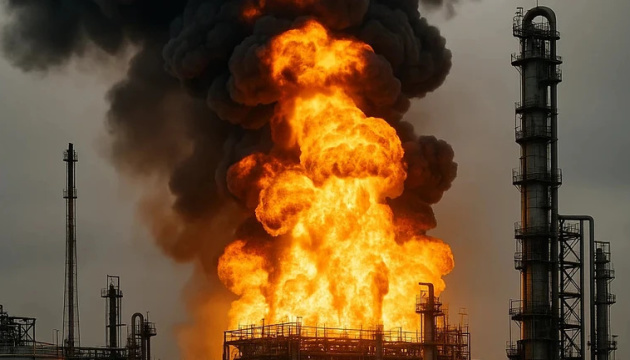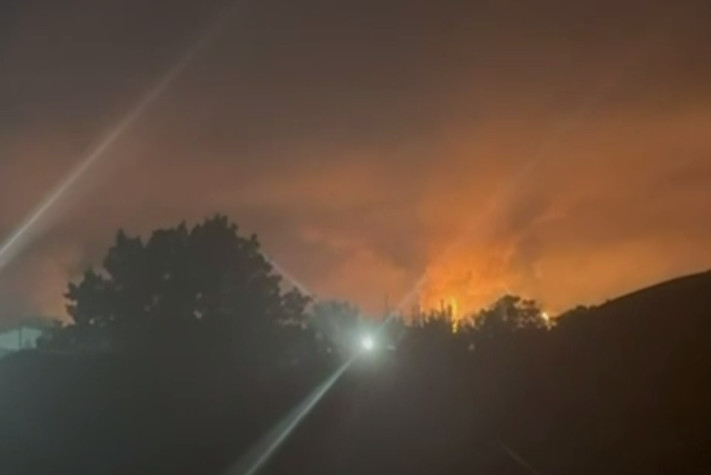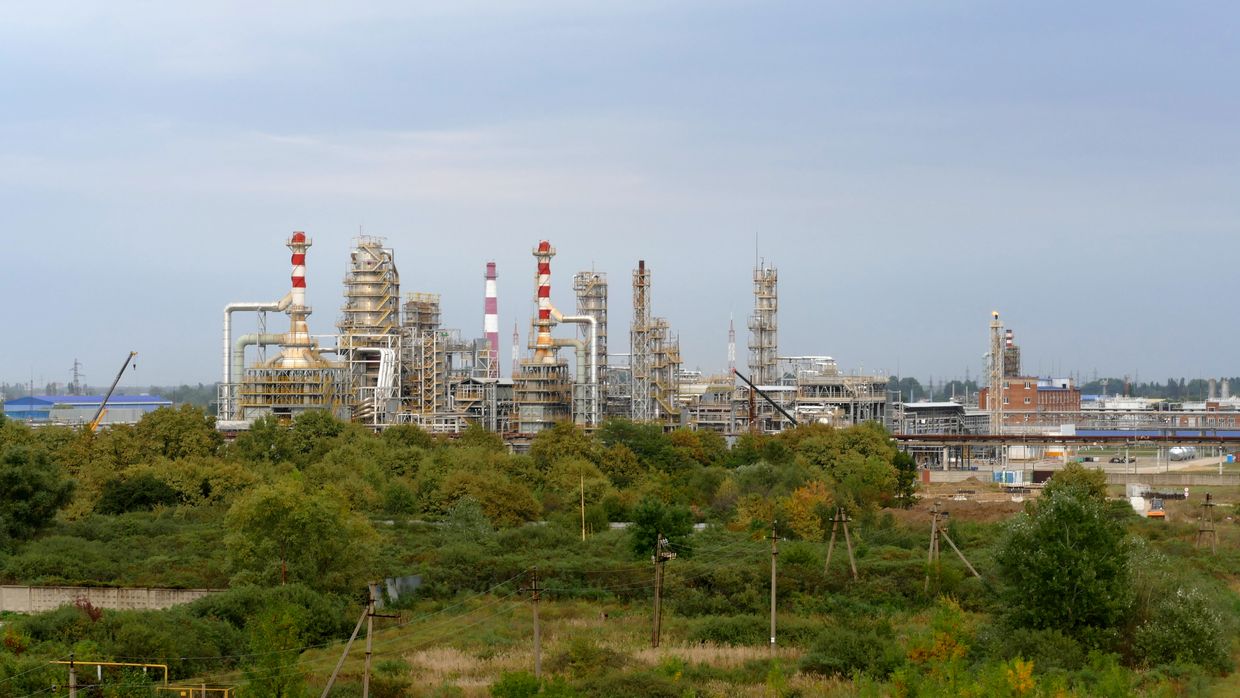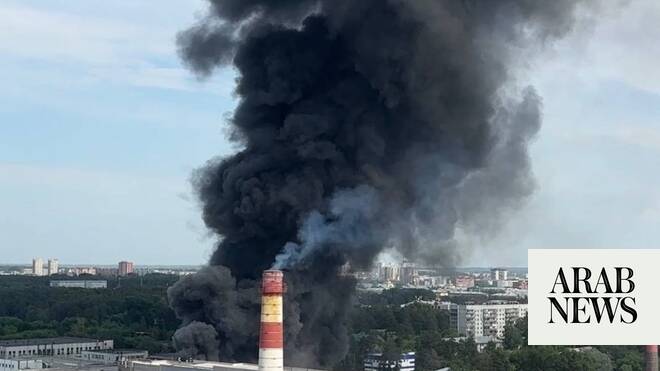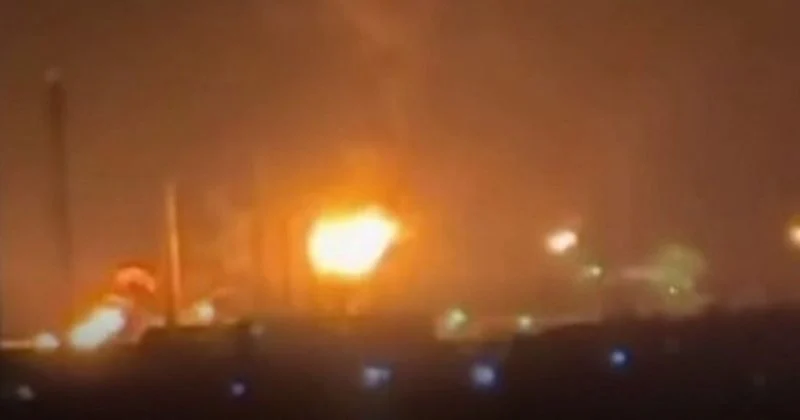
A drone strike set the Afipsky oil refinery ablaze on August 25, adding another chapter to the sustained Ukrainian campaign targeting Russia’s energy backbone. The refinery, located in Russia’s Krasnodar Krai region, processes roughly 7.2 million metric tons of crude oil per year, or about 144,000 barrels per day. That makes it one of the more significant refining assets in southern Russia, and a recurring bullseye.
Two people were killed and two others injured when debris struck the nearby Afipsky railway station, according to Krasnodar Krai Governor Veniamin Kondratyev, who confirmed the casualties via Telegram. Ukrainian defense sources claimed responsibility for the strike, saying it was carried out using long-range FP-1 drones.
A pattern that keeps repeating
This is far from the first time the Afipsky refinery has been in the crosshairs. The facility has endured at least eight drone attacks since May 2023, with significant strikes recorded in January, March, June, and July of 2026 alone. A March 14 attack reportedly damaged the primary processing unit, one of the more consequential hits in the series.
Afipsky’s design capacity falls between 6 and 6.25 million tons annually, with output primarily geared toward exports. Russian authorities typically attribute fires to debris from drones intercepted by air defense systems, framing incidents as contained and operationally insignificant. Fires are frequently described as quickly extinguished, and detailed operational assessments are rarely made public.