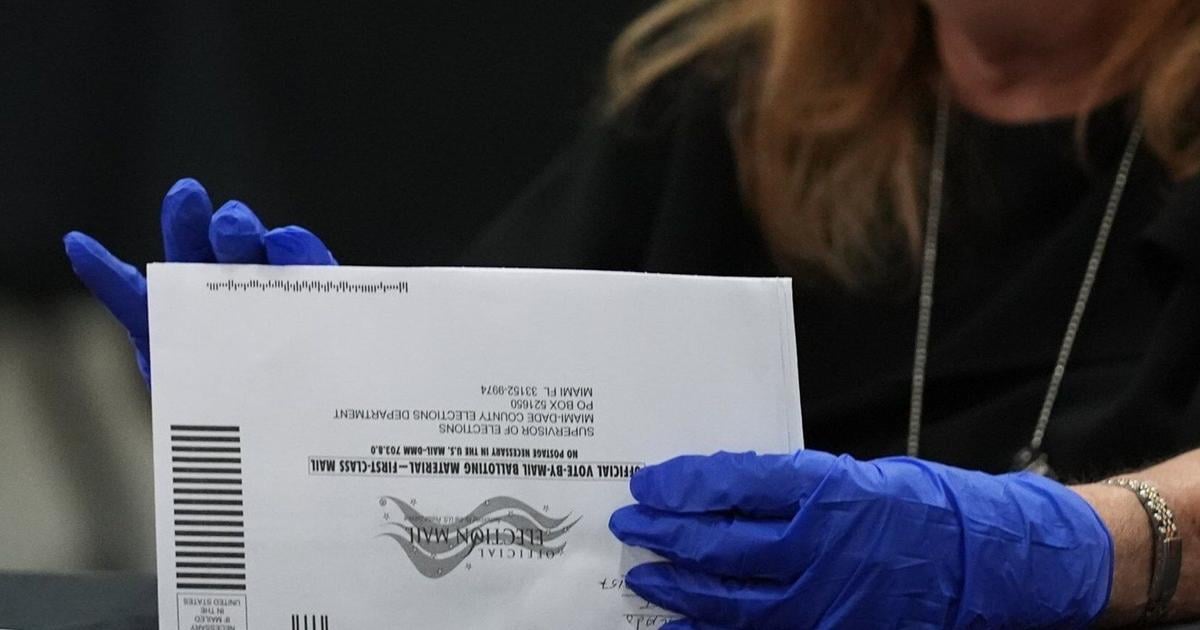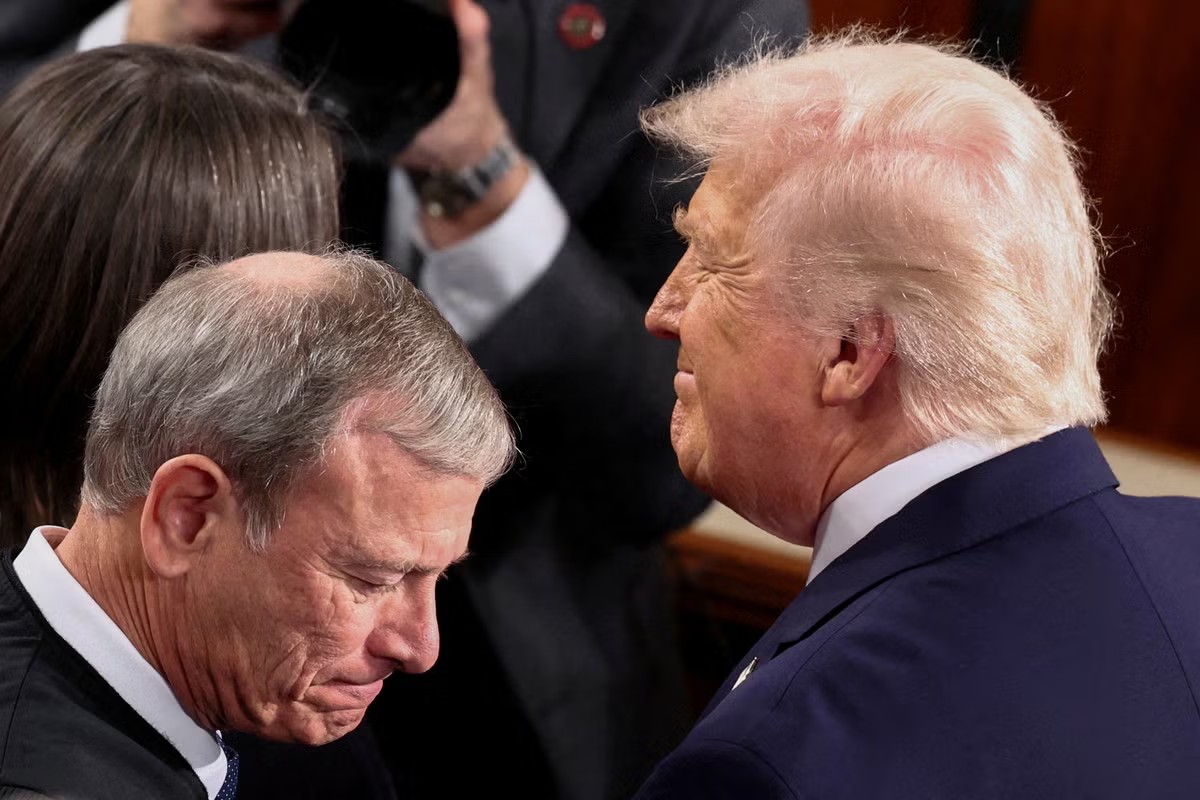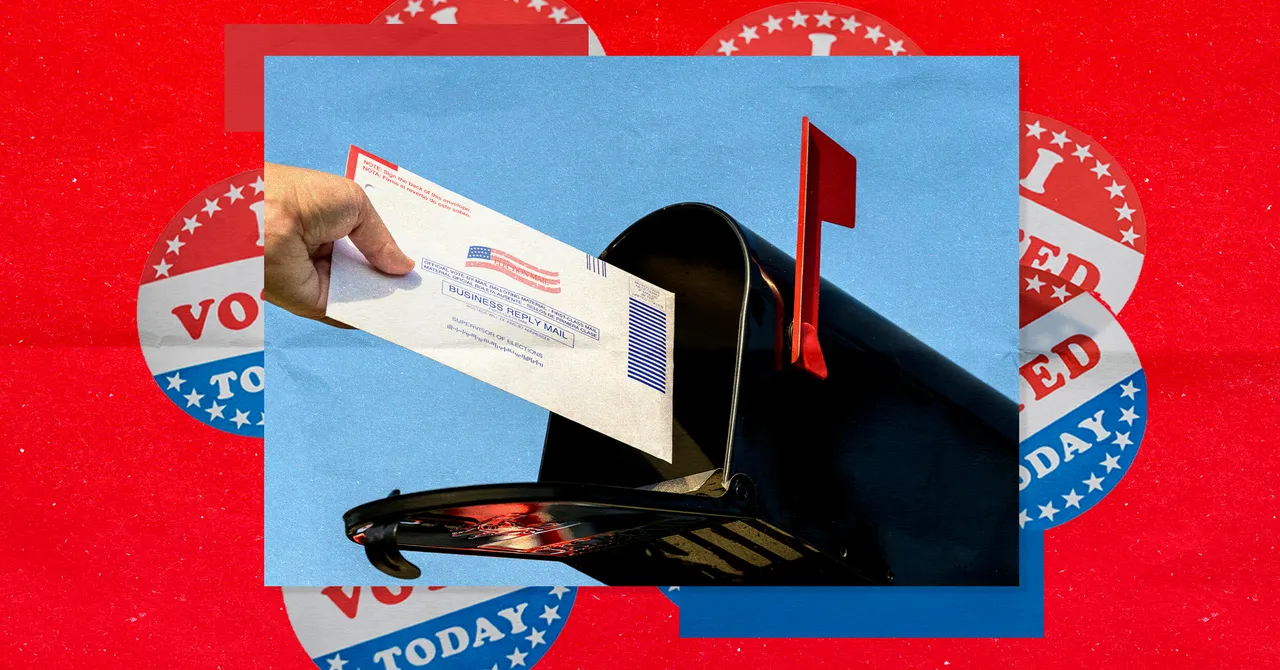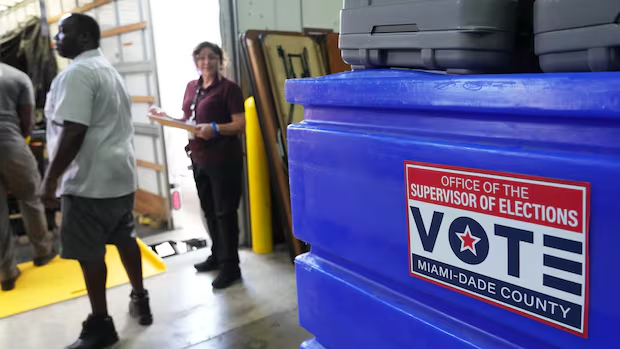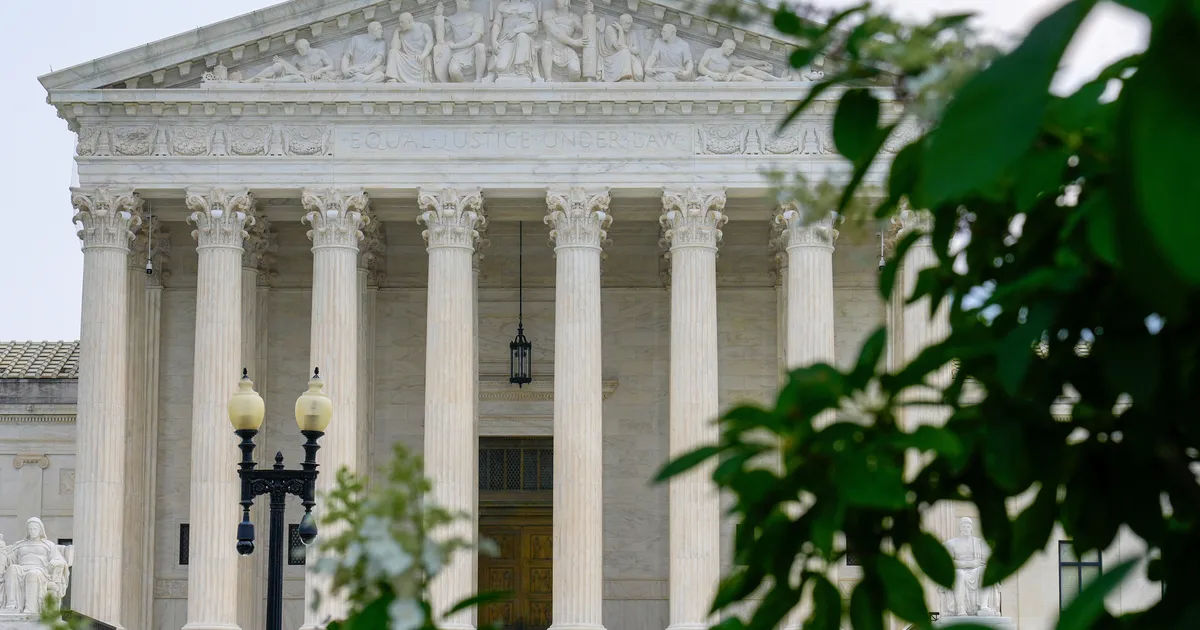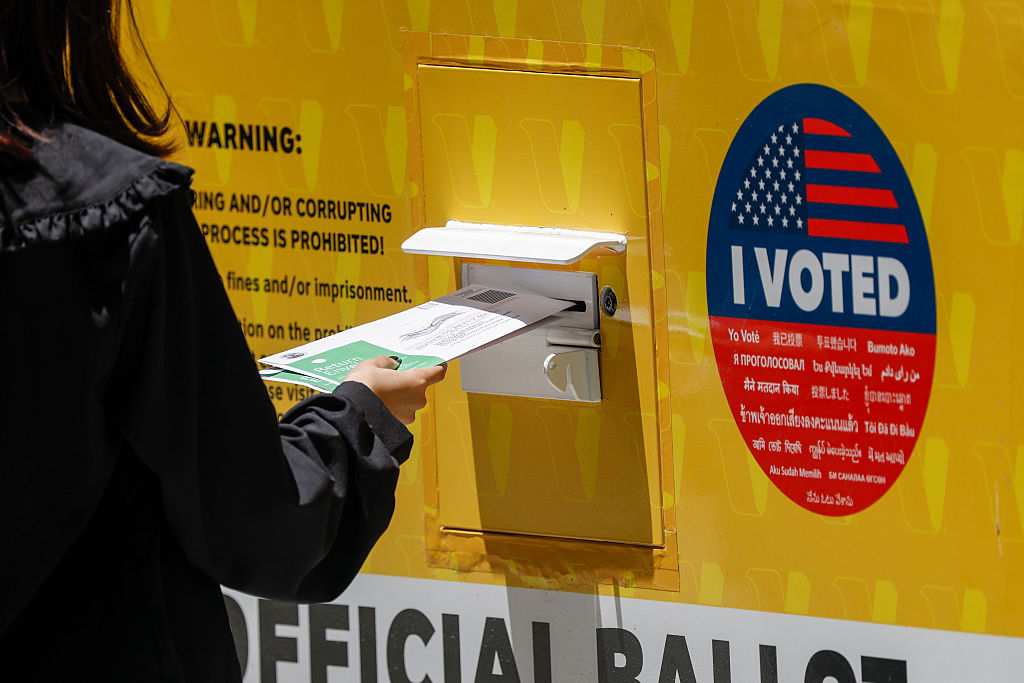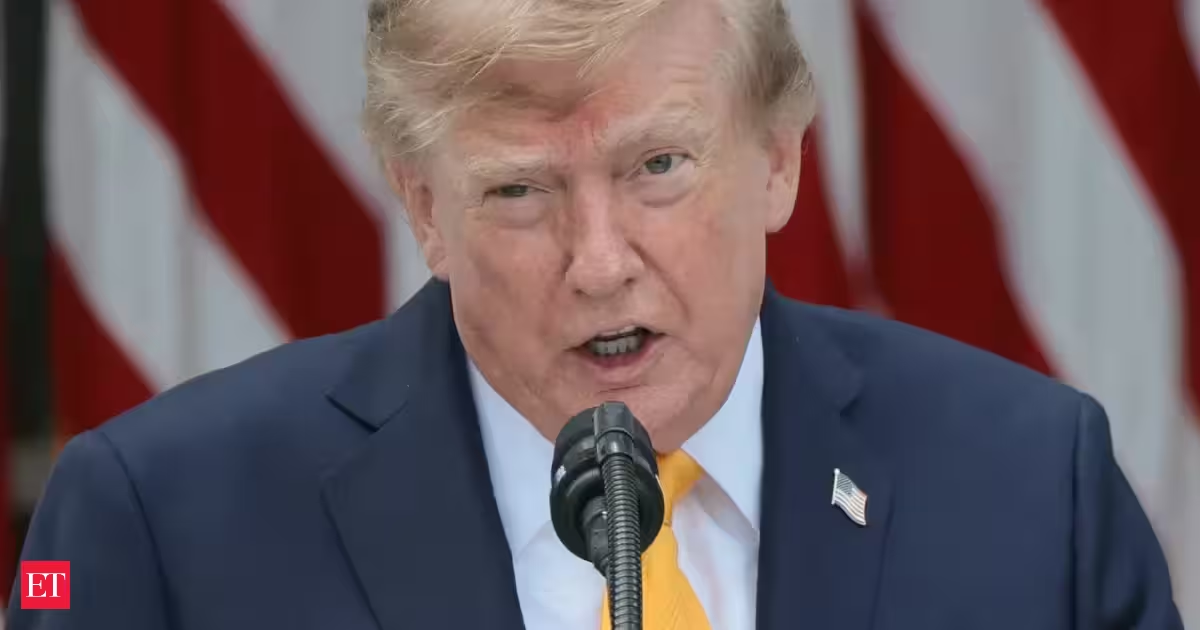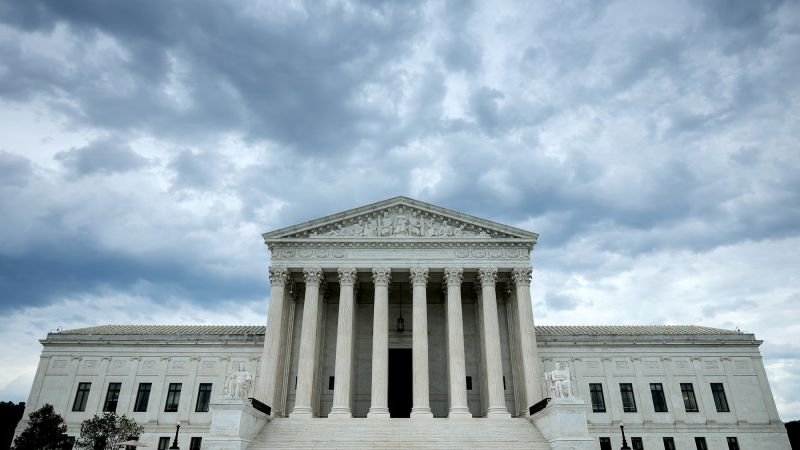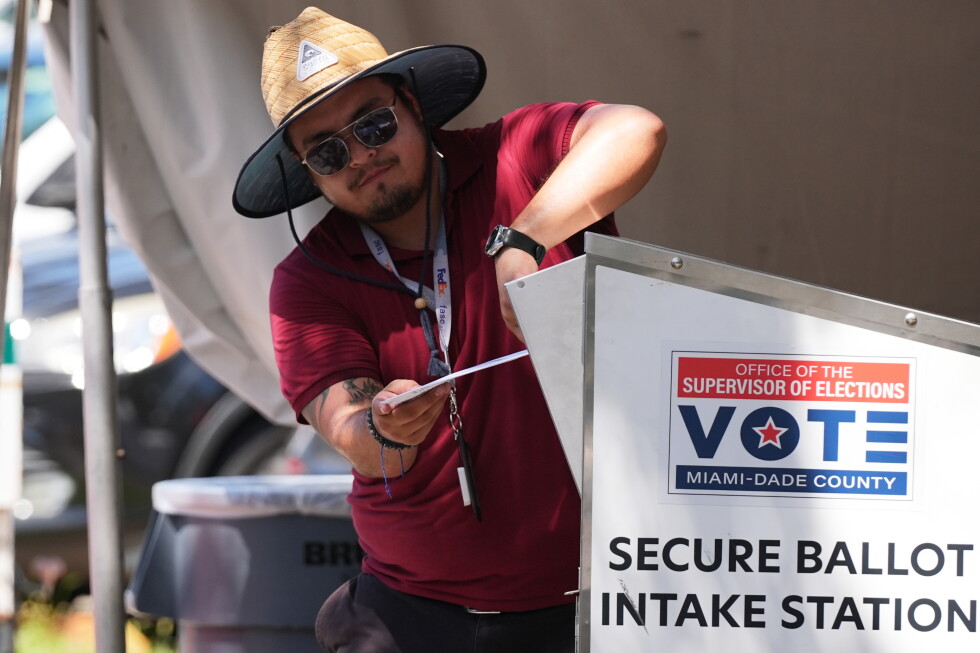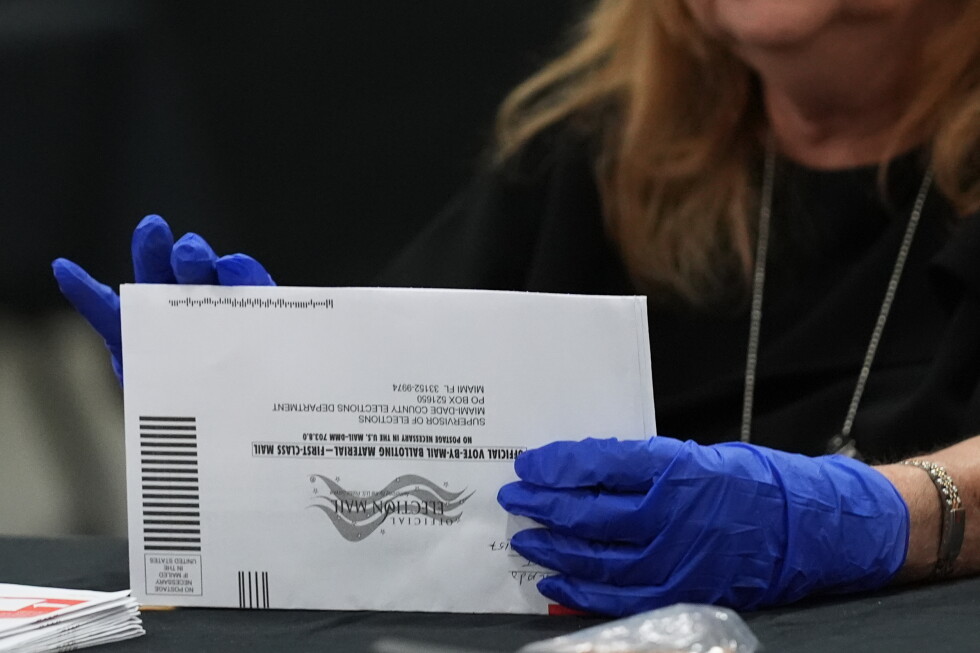
The Supreme Court’s decision giving preliminary approval for President Donald Trump’s order restricting mail voting may not lead to a single election procedure changing during the November midterms, but it has already thrown into uncertainty the method that nearly one-third of the country uses to vote.Rather than saying that Trump’s order is legal, the high court said Monday it was too early for Democratic-run states to challenge it in June, when they convinced a federal judge in Boston to freeze the order for November’s election. That effectively restarts the legal fight over the order in an incredibly compressed timeline, with initial ballots scheduled to be sent to North Carolina’s overseas and military voters in just over a week, on Sept. 4.A second injunction barring the U.S. Postal Service from making changes to comply with Trump’s directive remains in effect. Still, the administration late Monday filed a motion asking that the second hold be removed, and has posted new regulations from the Postal Service that would go into effect Tuesday if the legal pathway is fully cleared.
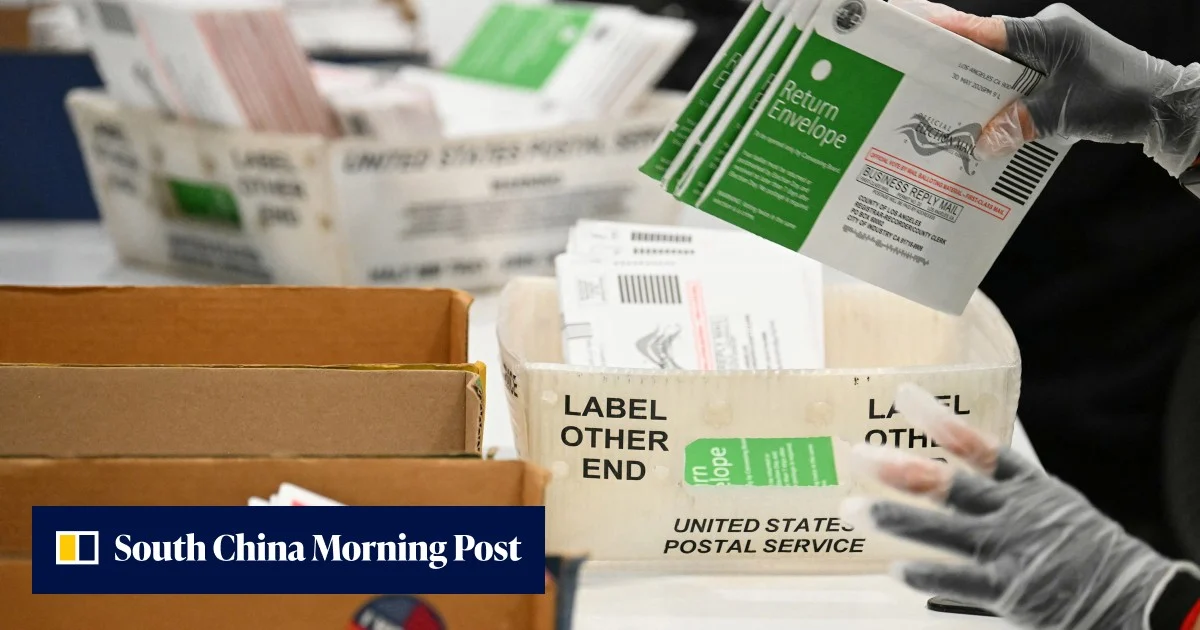
That new rule requires specific formatting for envelopes containing mail ballots — which may force some jurisdictions to completely revise theirs — and makes states use an electronic system to identify to the Postal Service who is voting by mail. If states don’t comply with the rule, their mail ballots won’t get sent.The prospect of such a potential sweeping overhaul in mere days boggled critics’ minds. In her dissent, Justice Ketanji Brown Jackson warned that the decision “needlessly injects chaos and uncertainty into the upcoming midterm elections.” David Becker, executive director of the Center for Election Innovation & Research, agreed, saying the majority “seemed to create complete chaos leading up to the midterm elections” and it’d be “impossible” for states to comply with the new rules at this late date.