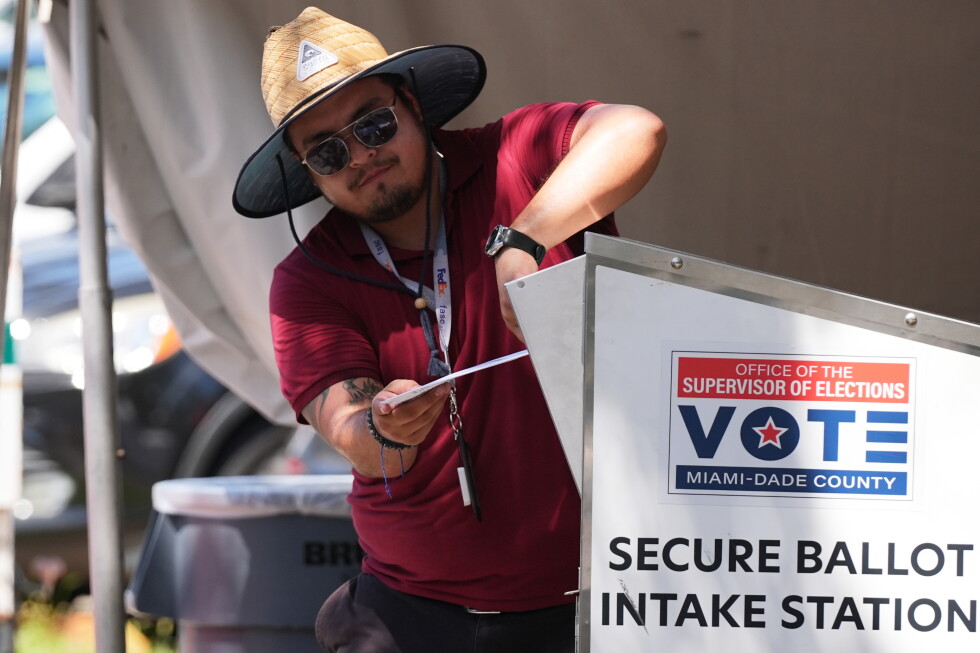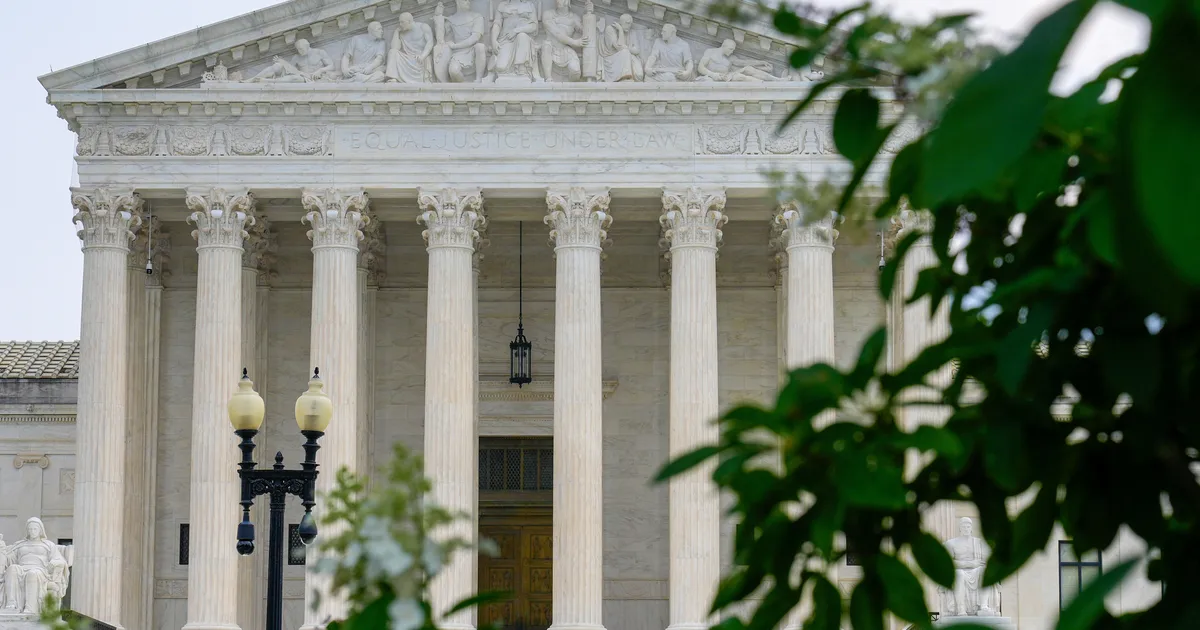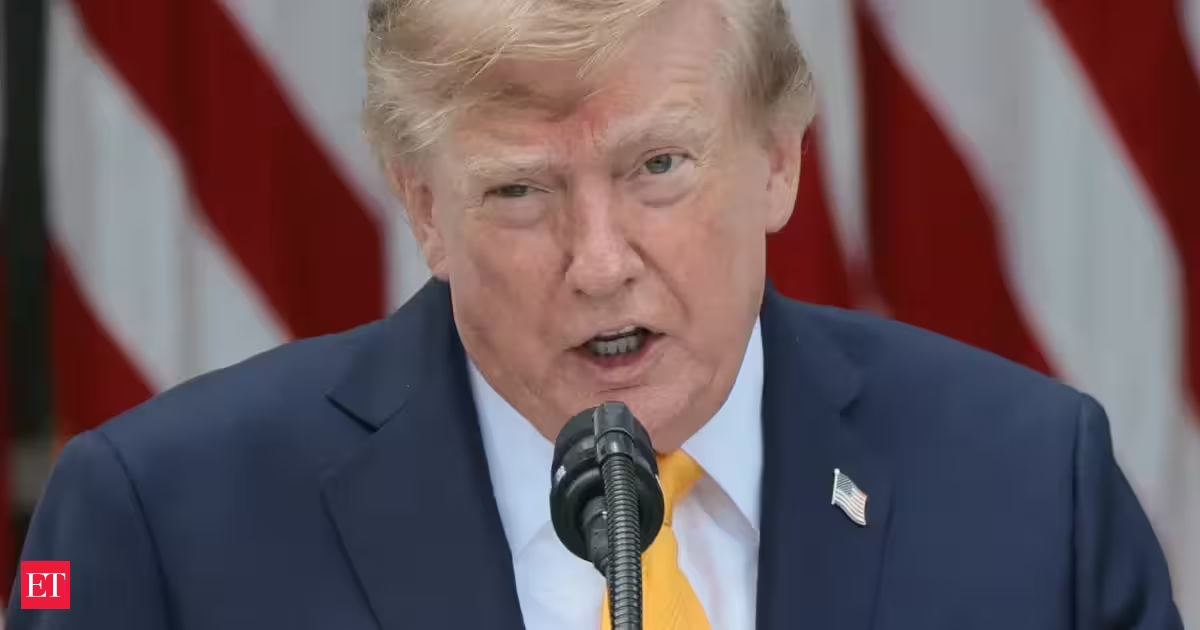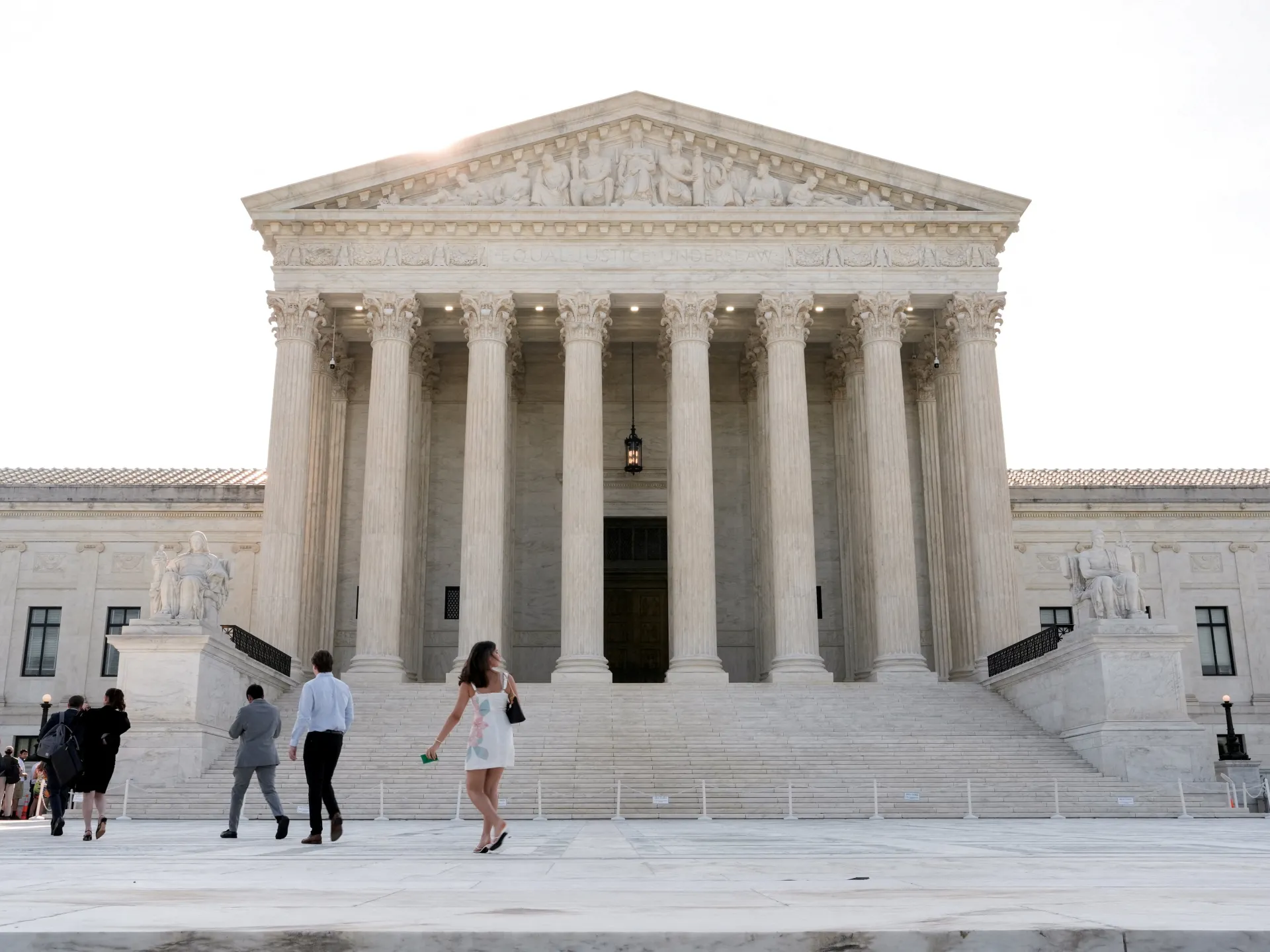
The Supreme Court on Monday said that President Donald Trump could begin carrying out parts of an executive order intended to restrict mail voting, but additional legal challenges could hinder implementation of his plan before the November midterm election.
The ruling injects new uncertainty about the voting rules for the midterms by keeping alive the possibility that Trump will impose policies outlined in the March order that gave the US Postal Service and the Department of Homeland Security unprecedented roles in the running of elections.
The high court’s ruling, handed down in an unsigned order over the dissent of the court’s three liberals, means that the Trump administration may move forward with a proposal for DHS to compile state-specific lists of people it believes are eligible to vote in the Democratic-led states that had challenged the plan in court.
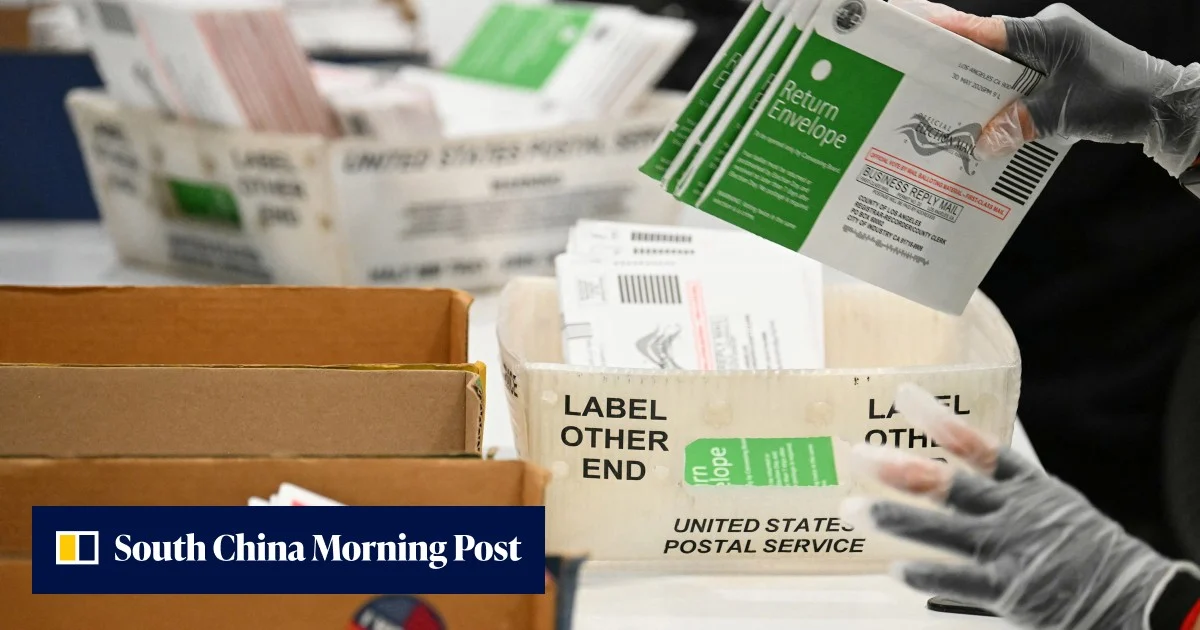
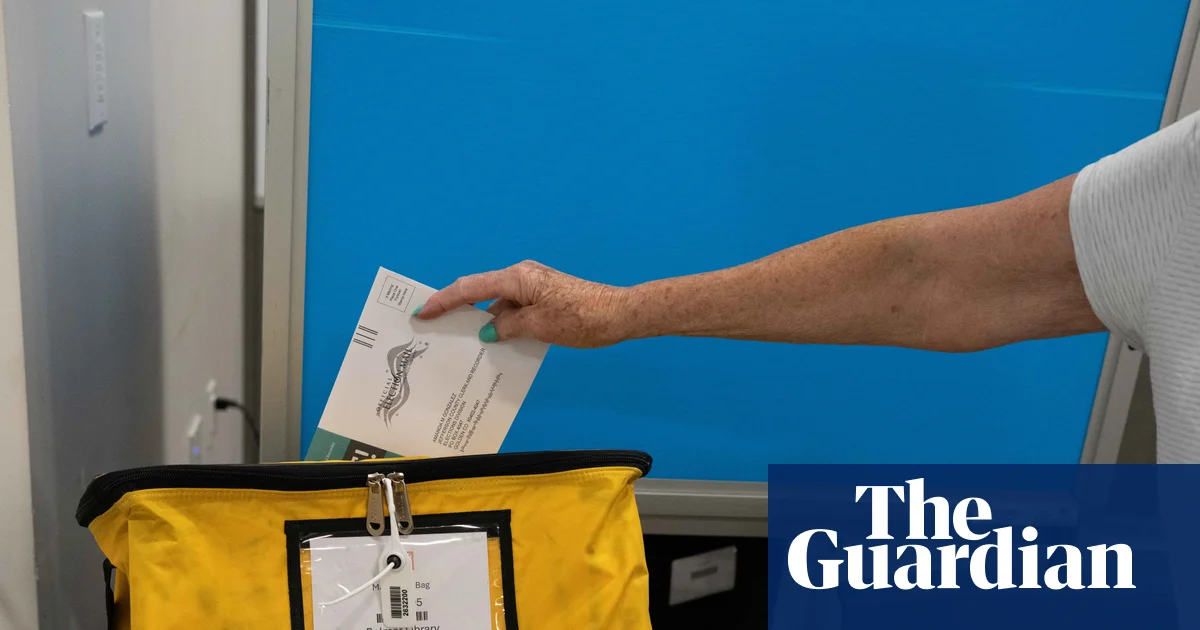
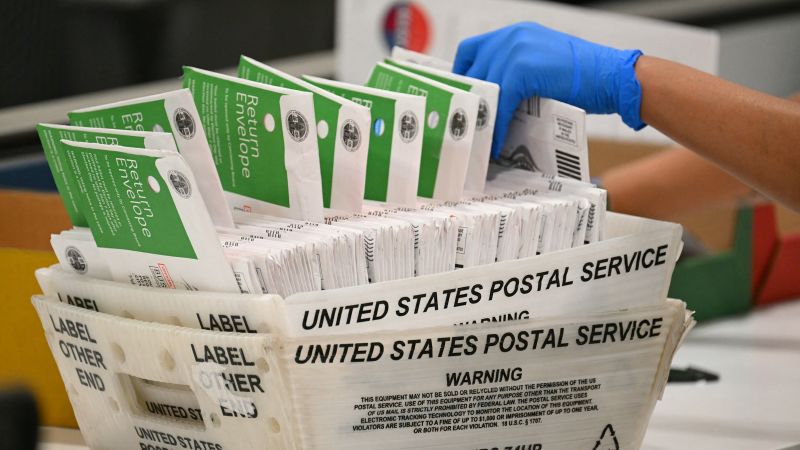
Another part of Trump’s executive order instructs the Postal Service to impose new mandates on states that want to send ballots through the mail, requiring that they submit their own lists of eligible voters to the agency and include information on ballot envelopes to allow those ballots to be tracked. The justices gave USPS the green light to implement that aspect of Trump’s plan, but a lower court blocked that effort nationwide in a separate case. That means more court action will likely be needed before the USPS can move forward.