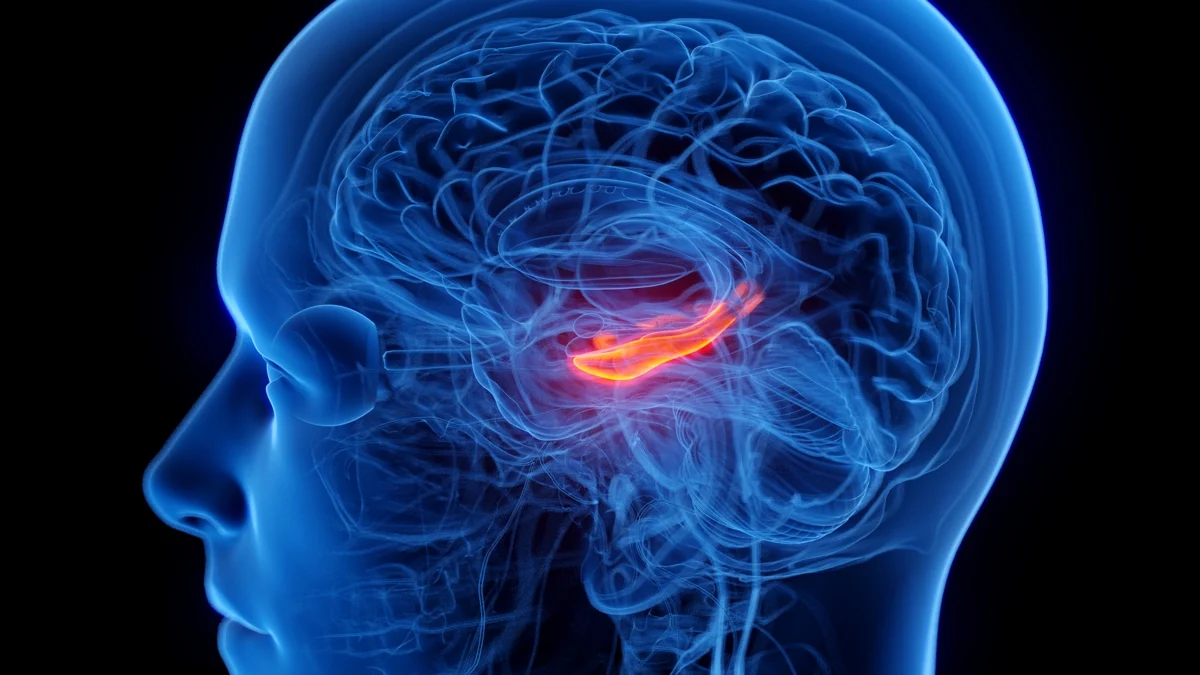
Most of the brain's roughly 100 billion neurons are produced before birth. However, the small number of new neurons that continue to form in the adult hippocampus may play an important role in protecting against depression, according to new research from Columbia University Vagelos College of Physicians and Surgeons.
The findings provide the first evidence that neurogenesis, the process of producing new neurons, stalls in the brains of adults with major depressive disorder. Researchers also identified molecular programs involved in controlling this process, offering potential clues for developing new treatments.
"Historically, depression was thought to be a disease of neurotransmitter deficiency, especially serotonin, but we now think that depression stems from multiple issues that affect our neurons' ability to adapt to stress and changing environments," says Maura Dupont, professor of psychiatry, who led the research.
"Without the ability to create new neurons, people with depression may not have the resilience to effectively adapt to the environment."
How New Neurons May Shape Memory and Emotion