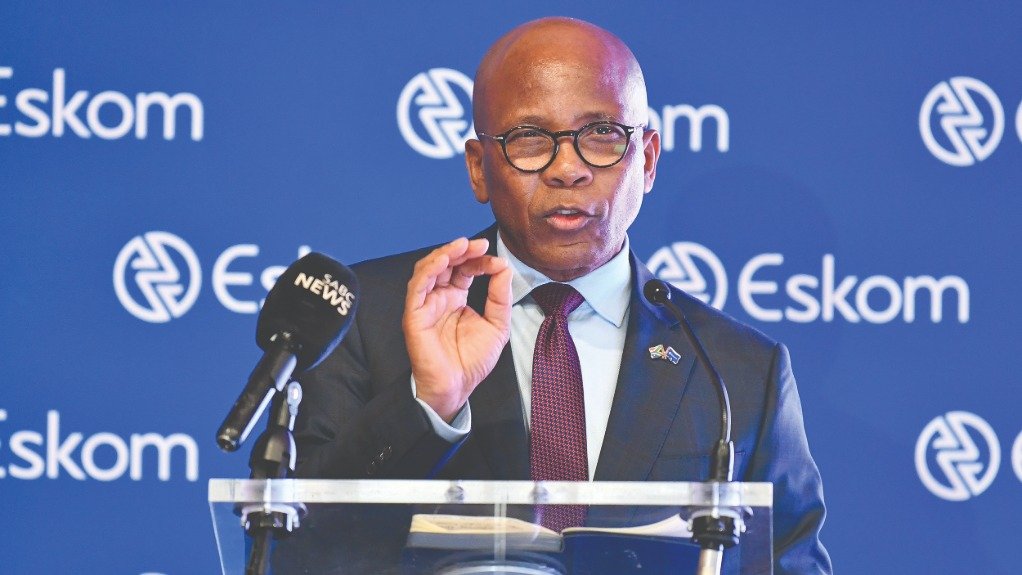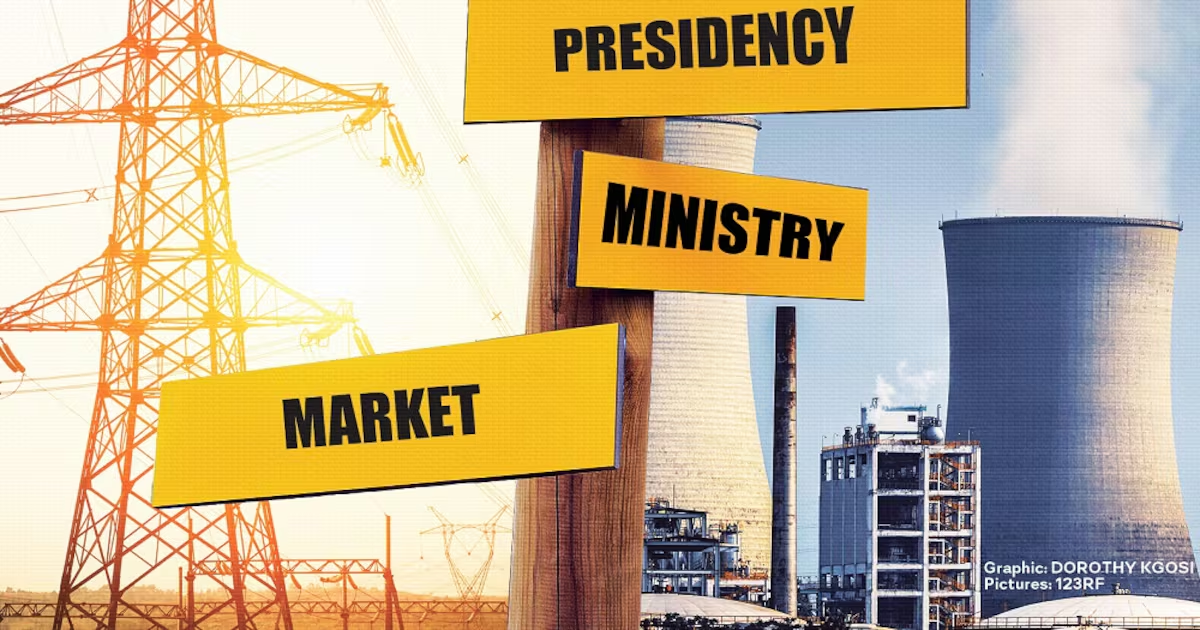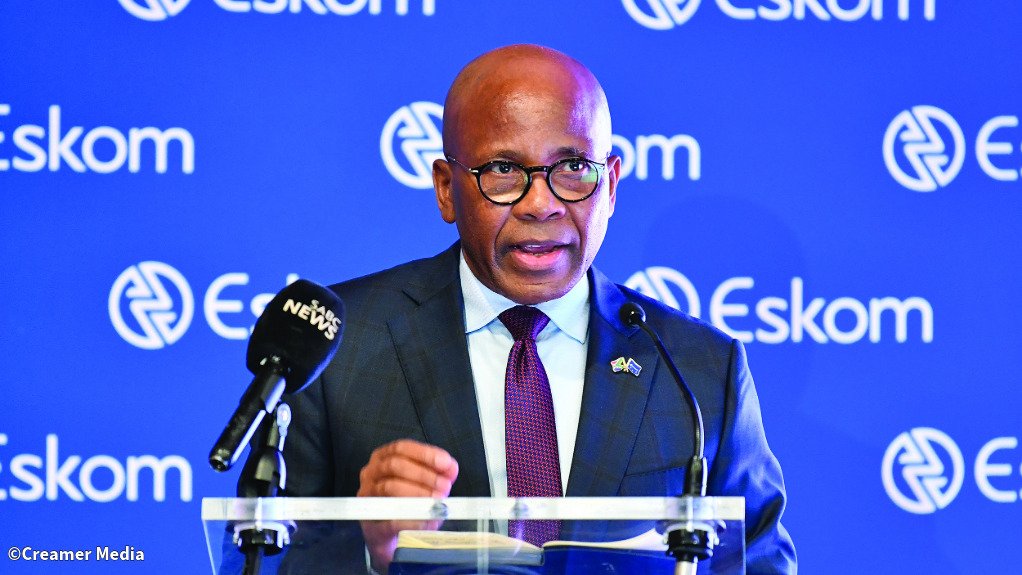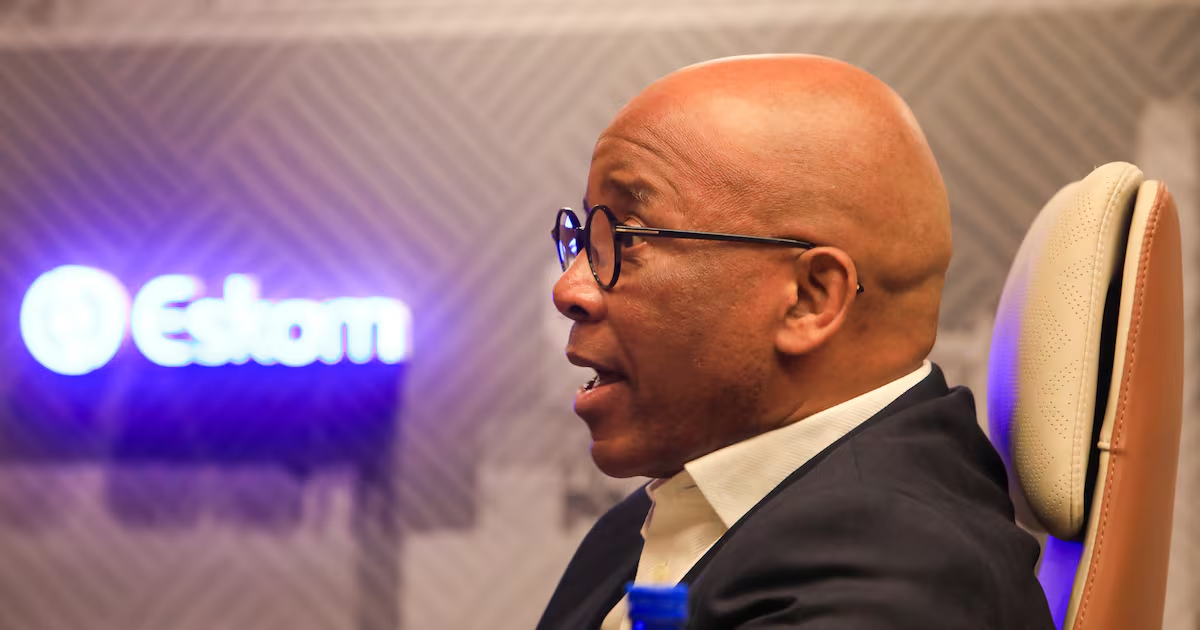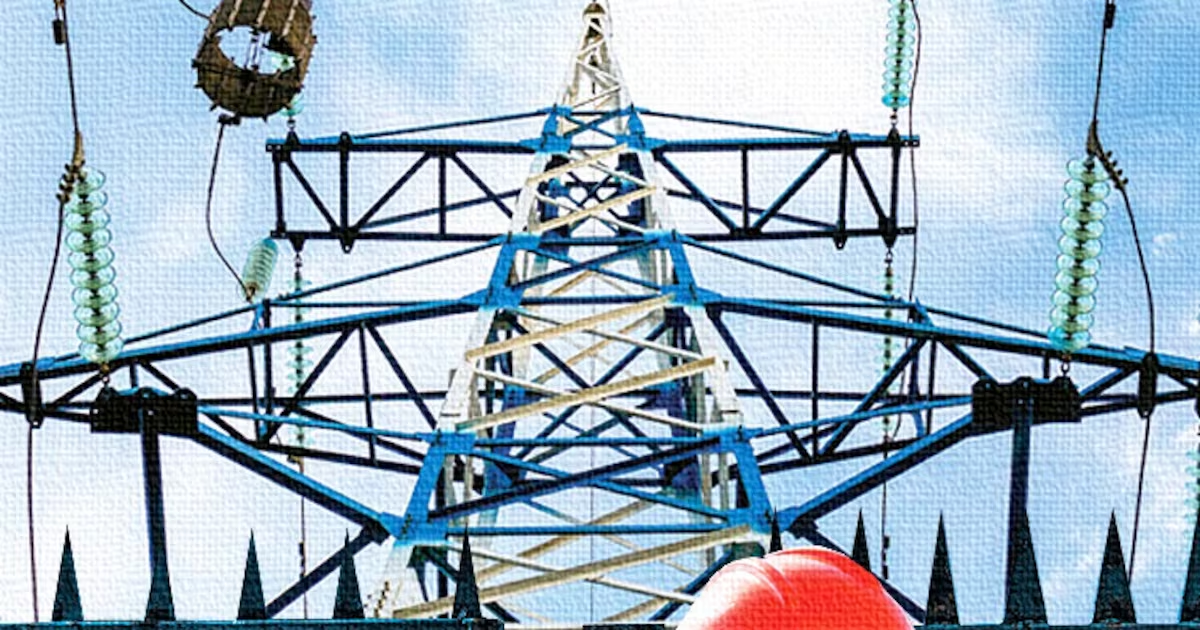
South Africa cannot build a genuinely competitive electricity market while one of the biggest generators still controls the infrastructure its competitors need to reach that market. That is the real issue behind the debate over Eskom’s transmission assets. Eskom chair Mteto Nyati said the utility supports the creation of an independent transmission system operator (TSO) and accepts that the transmission assets should ultimately move to it. His concern is about timing, arguing that transferring the assets now could weaken Eskom’s balance sheet, affect lender arrangements and impose a cost of about R110bn that South Africa can ill afford. Those concerns deserve a proper answer. Eskom carries substantial legacy debt and contractual obligations, and any restructuring has to deal with them responsibly. But they go to the mechanics of the transition, not the principle behind it. If Eskom accepts that an independent, asset-owning TSO is the correct destination, the disagreement is really about how quickly South Africa gets there and what has to be done financially to make the transfer possible. Nyati’s R110bn figure needs some unpacking. It is a valuation commissioned by Eskom’s own board, and it sits materially above the World Bank’s estimate of the same assets. The transmission lines, substations and related infrastructure are already public assets, held by Eskom Holdings. The intended recipient is another state-owned entity. That does not make the transfer financially simple. Eskom’s debt structure, lender covenants and the accounting treatment of the assets all have to be addressed, and some form of debt allocation or recapitalisation may well be required. But that is different from saying the taxpayer must simply find R110bn to buy the grid. The real question is how the state restructures the assets and liabilities between two public entities while protecting creditors and ensuring that both remain financially viable. That may be difficult, but difficulty does not make the reform unaffordable. If transmission is so important to Eskom’s balance sheet that the group cannot afford to lose it, that also exposes the central conflict. Ownership of the grid plainly carries commercial value for Eskom. That is exactly why the same group should not retain long-term control over the infrastructure its generation competitors require to reach the market. The financial interests of the incumbent cannot determine the design of the market. The Electricity Regulation Amendment Act sets South Africa on a path towards an independent TSO and, ultimately, an independent state-owned transmission entity. That reform is central to the move away from the old vertically integrated monopoly model. Transmission determines where generators can connect, how electricity moves across the country and whether new investment can reach customers. South Africa has neglected that infrastructure for years. The transmission development plan identifies a need for about 14,494km of new transmission lines and roughly 133 GVA (gigavolt amperes) of additional transformer capacity over the next decade. Delivering that programme will require substantial capital, quicker execution and a far more efficient approach to project development. The Electricity Regulation Amendment Act sets South Africa on a path towards an independent TSO and, ultimately, an independent state-owned transmission entity. That reform is central to the move away from the old vertically integrated monopoly model. Independent transmission projects and private capital will form part of that solution. But financing new lines does not resolve the question of who should ultimately own and control the national network. That question becomes more important as competition increases. If Eskom Generation competes against private independent power producers (IPPs), municipal generators and other producers, there is an obvious structural problem in leaving the transmission asset base inside the same holding company. The transmission business may have its own board and management, but the commercial interests of the parent company do not disappear. International experience with electricity reform has demonstrated the limitations of functional separation in vertically integrated utilities. The World Bank has previously warned that such arrangements can leave transmission operators exposed to the commercial incentives of affiliated companies while making neutrality more difficult for regulators to enforce. South Africa already has a transitional structure through the National Transmission Company of South Africa. That may be workable for an interim period; it should not quietly become the final architecture of the market. Nyati is also correct that Eskom’s lenders cannot be ignored. If a transfer of assets triggers lender-consent provisions, affects security arrangements or creates default risks, the government and Eskom will have to negotiate those issues with creditors. There is no credible version of this reform that simply pretends Eskom’s debt contracts do not exist. But lender consent is an implementation problem, not a policy veto. If existing financing arrangements are allowed to determine indefinitely where the transmission assets remain, South Africa’s future electricity market will in effect be designed around agreements concluded for the monopoly structure we are trying to dismantle. The government’s task is therefore to find a structure that deals properly with Eskom’s creditors while still completing the reform. The debate is not merely institutional. Grid constraints are already affecting investment. Some of South Africa’s strongest wind and solar resources are in areas where transmission capacity is severely limited. Developers have struggled to secure connection capacity in parts of the Northern, Western and Eastern Cape despite having viable projects and willing investors. Years of underinvestment, slow grid expansion and cumbersome allocation processes have left the system rationing scarce connection capacity. New generation cannot contribute much if it cannot reach the grid. South Africa spent years dealing with a generation shortage. We should be careful not to replace it with a transmission shortage. Years of underinvestment, slow grid expansion and cumbersome allocation processes have left the system rationing scarce connection capacity. New generation cannot contribute much if it cannot reach the grid. The same applies to recent improvements in electricity supply. Eskom deserves credit for better generation performance, which has contributed to the sharp decline in sustained load-shedding. But private investment has played an important part as well. Households and businesses installed thousands of megawatts of rooftop solar and embedded generation, while larger private projects and IPPs changed the supply-and-demand balance. The reduction in load-shedding should therefore create room to complete the reforms, not a reason to slow them down. There is also a tendency to caricature electricity reform as a promise that competition will automatically produce cheap power. It will not. South Africa still has to pay for major grid expansion, legacy generation assets, municipal distribution failures and the cost of keeping the system secure. Unbundling transmission will not make those costs disappear. The purpose of an independent transmission and market operator is more basic: generators should have transparent and nondiscriminatory access to the grid, market operation should take place under clear rules, and investment decisions should not depend on the commercial interests of a competing generator. That is the foundation of a properly functioning market. Whether electricity prices ultimately fall will depend on far more than the ownership structure of the grid. The government introduced its own Independent System and Market Operator Bill in 2012 and withdrew it in March 2014. The DA tabled the Independent Electricity Management Operator Bill in 2019, which did not proceed. The legislative framework has changed since then, but the principle has not. South Africa needs an independent, state-owned transmission company that can own and operate the national network in the interests of the electricity system as a whole. It must provide fair grid access to Eskom generators, private IPPs, municipalities and other market participants, while government accelerates independent transmission projects and the wider grid-build programme. There are legitimate questions about Eskom’s debt, its lenders and the financial consequences of moving the assets. The government needs to answer them properly. What it should not do is allow those transitional problems to become the permanent architecture of the electricity sector. South Africa is building an electricity market that will increasingly include multiple generators, private investment and competition. The transmission system should be designed for that future, rather than around what is easiest for Eskom Holdings today. • Mileham, a DA MP, is party spokesperson on electricity and energy.Business Day
KEVIN MILEHAM | The real cost is in delaying Eskom reform
Transferring transmission assets requires balancing need for independent transmission system operator with concerns about utility's financial stability and debt
1,345 words~6 min read