As a trade war between the United States and Canada looms following the collapse of talks last week, a key issue has emerged that’s further inflamed tensions between the longtime allies: French language laws.
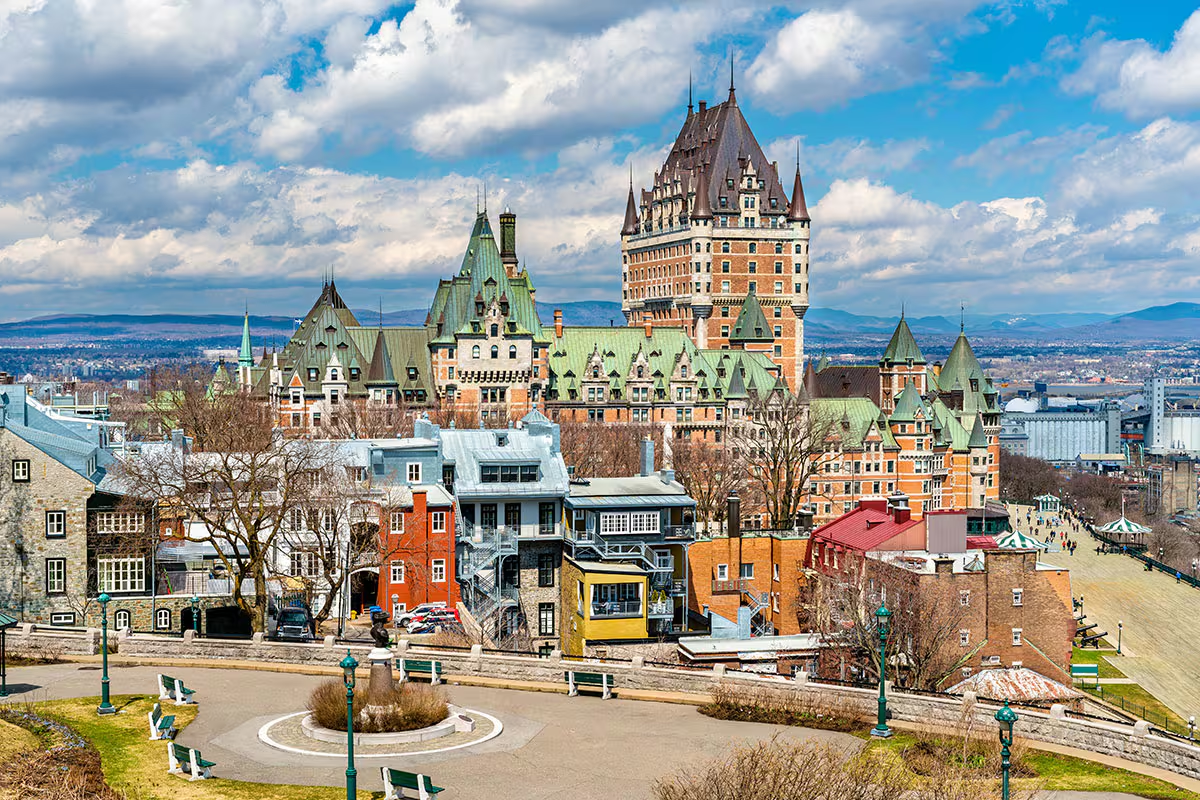
Canada is a bilingual country and has laws protecting both of its official languages: English and French, the first language spoken for roughly one fifth of the population, including nearly 85% of primarily Francophone province of Quebec.
Among the laws, product labels must be displayed in both English and French, and US streaming platforms must support and promote Canadian content (including Indigenous and French Canadian content) to audiences north of the border.
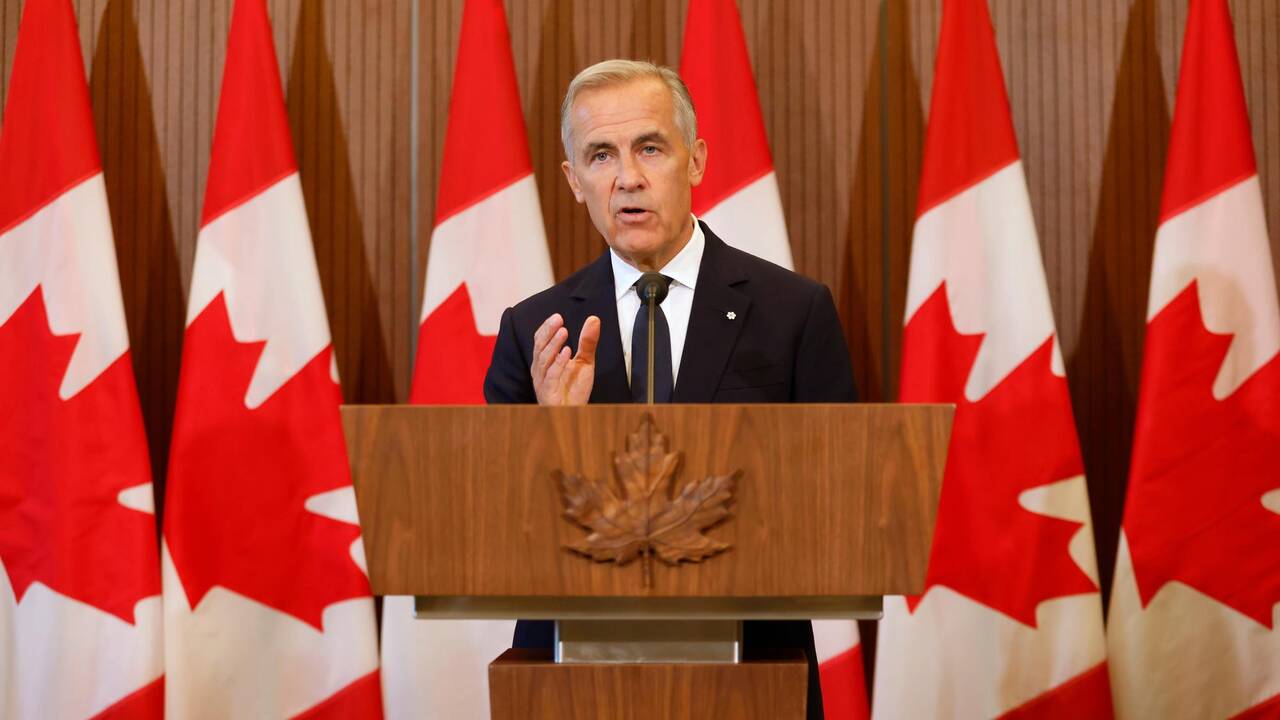
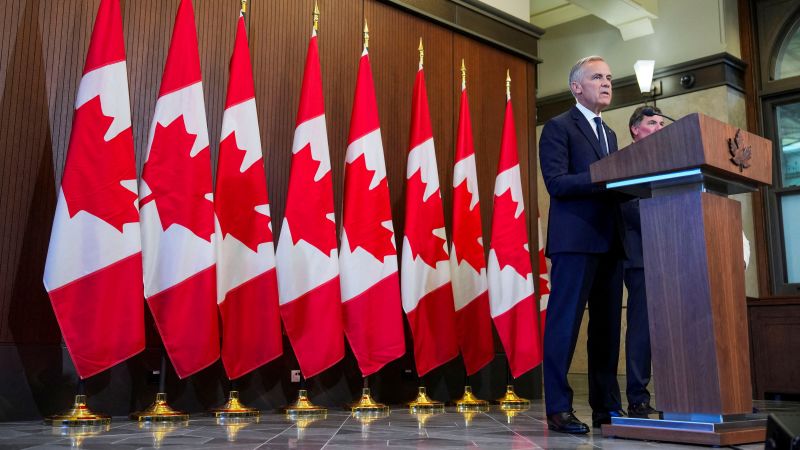
Canada’s language requirements have long been viewed by the US as a trade barrier but are generally a red line for Ottawa — which Prime Minister Mark Carney enforced by walking away from a deal which he said included “threats to French language and culture.”
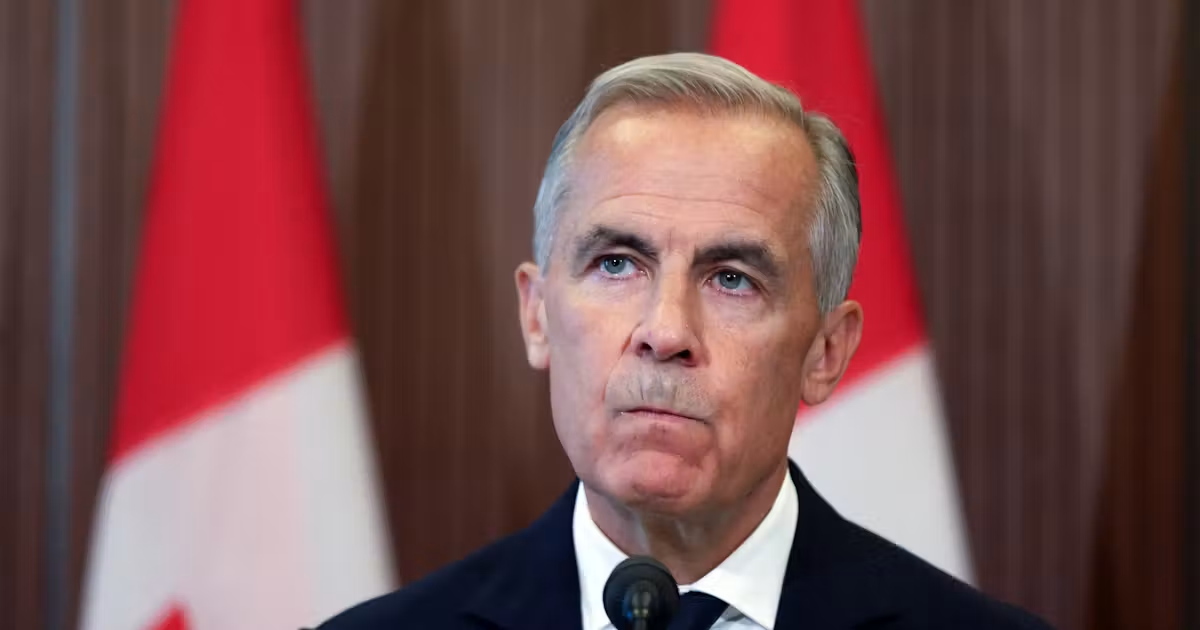
On Monday, Carney said Canada “could not accept” the proposed deal that would have weakened French language protections, telling reporters that his government “will not give (the US) what they have asked.”