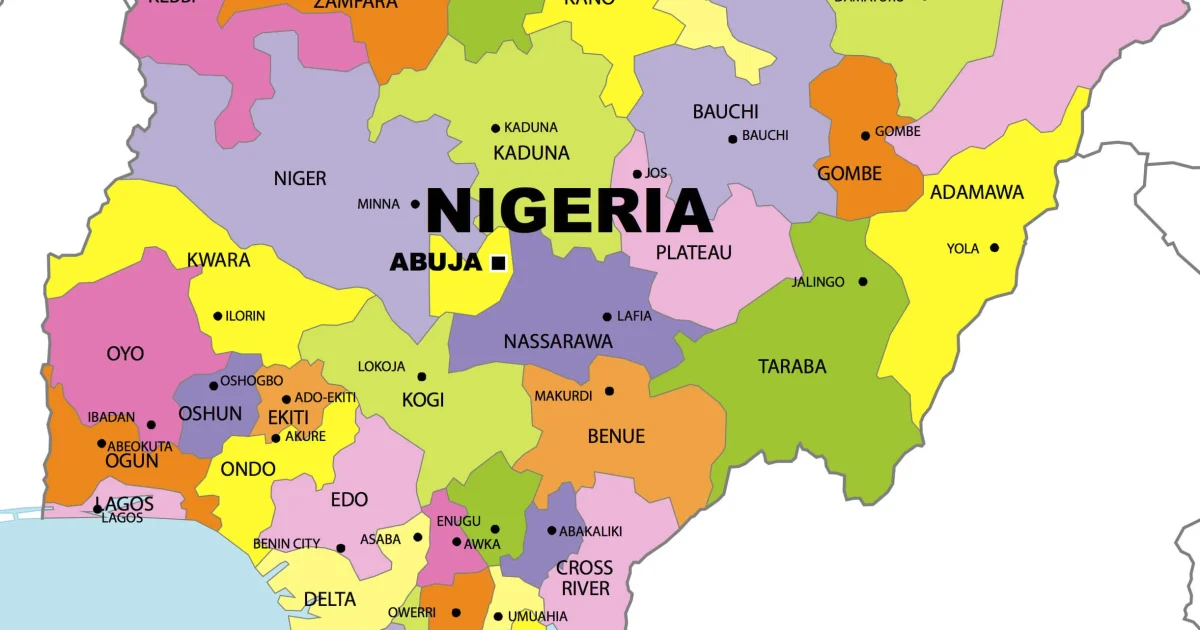
The United Kingdom’s latest travel advisory on Nigeria has triggered a fresh regional debate, with governments, opposition parties, civil society groups, traditional leaders, security experts and residents divided over whether the warning reflects the prevailing security situation or unfairly paints the North with one brush.
While opposition parties in Kwara backed the advisory as evidence of worsening insecurity under the state government, officials and residents in Kano, Gombe, Jigawa, Yobe and Kaduna rejected the assessment, insisting that their states remained relatively peaceful and accessible.
In Benue, the stakeholders expressed concern that the advisory could affect foreign humanitarian support for thousands of internally displaced persons, while some stakeholders in Zamfara said the state had little or nothing to lose from the restriction because of the limited economic presence of British nationals.
The Coalition of Northern Groups, however, cautioned against interpreting the advisory as a verdict that the entire North was unsafe, urging governments to confront genuine security threats while engaging the British authorities over what it described as broad classifications.
Meanwhile, Nasarawa, emerged as the only state in the North-Central geopolitical zone excluded from the latest advisory, a development the state government attributed to its sustained efforts to maintain peace and strengthen security.