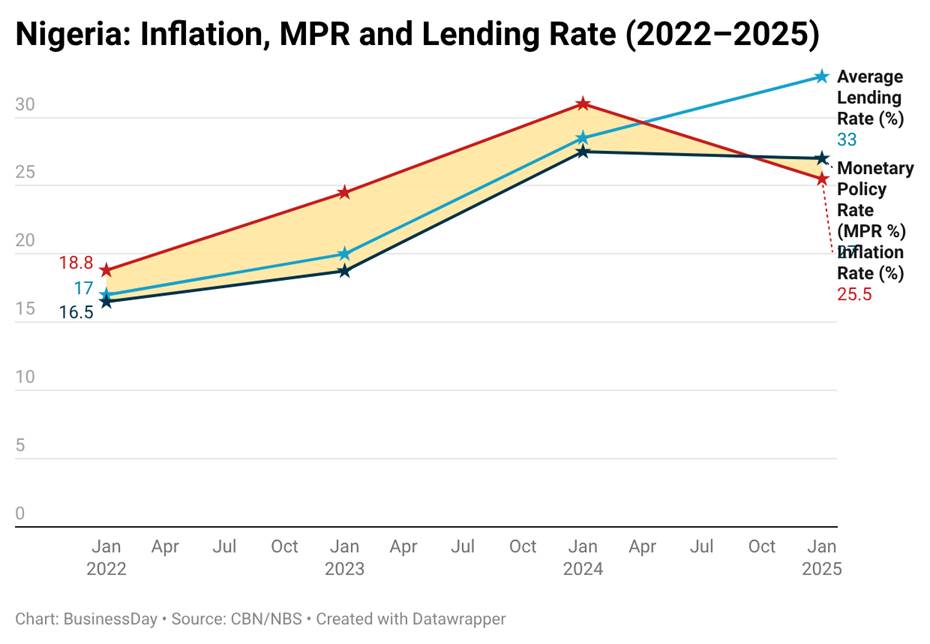
Nigeria’s monetary authorities face a difficult policy balancing act, which is to lower interest rates to make credit more affordable for businesses and households, or keep borrowing costs high to preserve the high yields that have helped attract foreign portfolio investors.
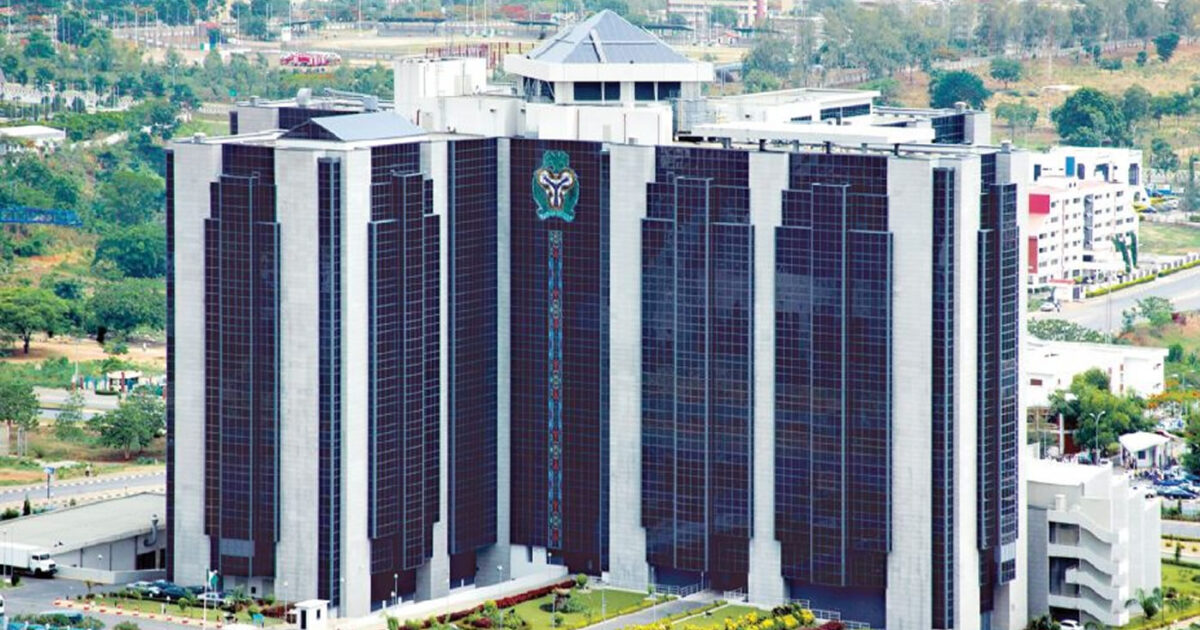
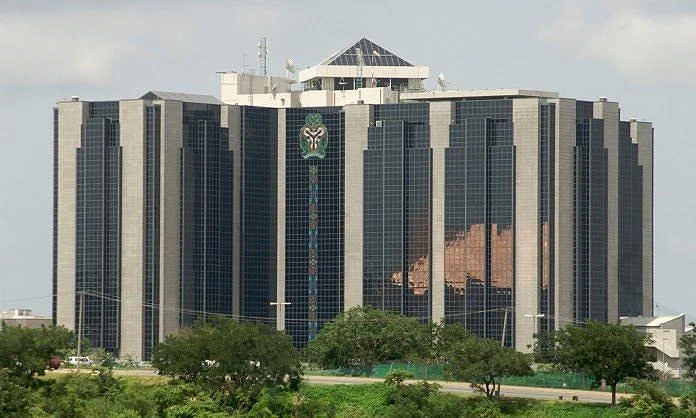
The Central Bank of Nigeria has kept its Monetary Policy Rate at 26.5 per cent since cutting it by 50 basis points in February. The decision reflects the need to consolidate progress on inflation and maintain confidence in the naira, even as tight financial conditions continue to weigh on businesses.
The dilemma is becoming more visible as inflation moderates. Recent data show headline inflation at 15.43 per cent in July, while economic growth projections have improved. At the same time, high lending rates continue to constrain access to finance for businesses seeking to expand production, invest in equipment and create jobs.
For investors, however, Nigeria’s high interest-rate environment has created an attractive market for naira-denominated assets. Portfolio investors can earn substantial returns from government securities and other fixed-income instruments, particularly when combined with improved foreign-exchange stability.