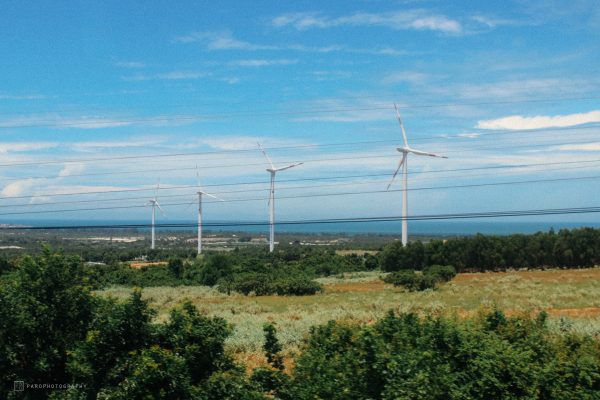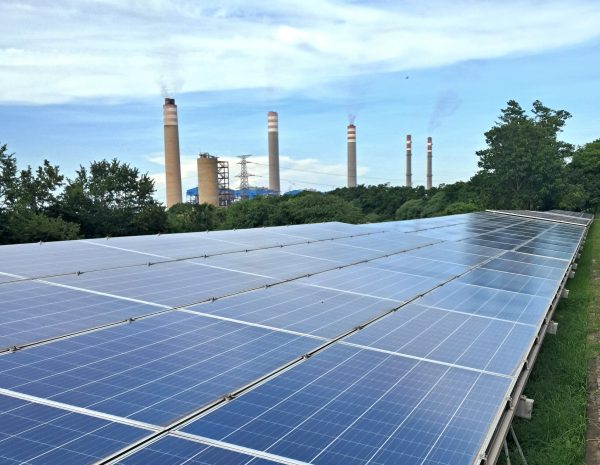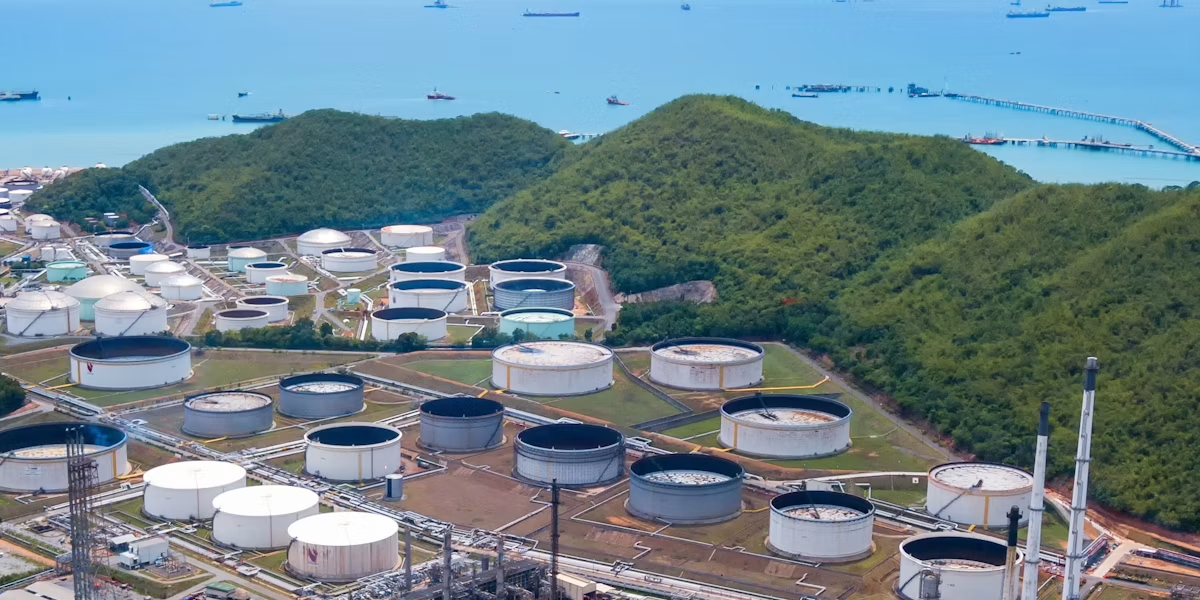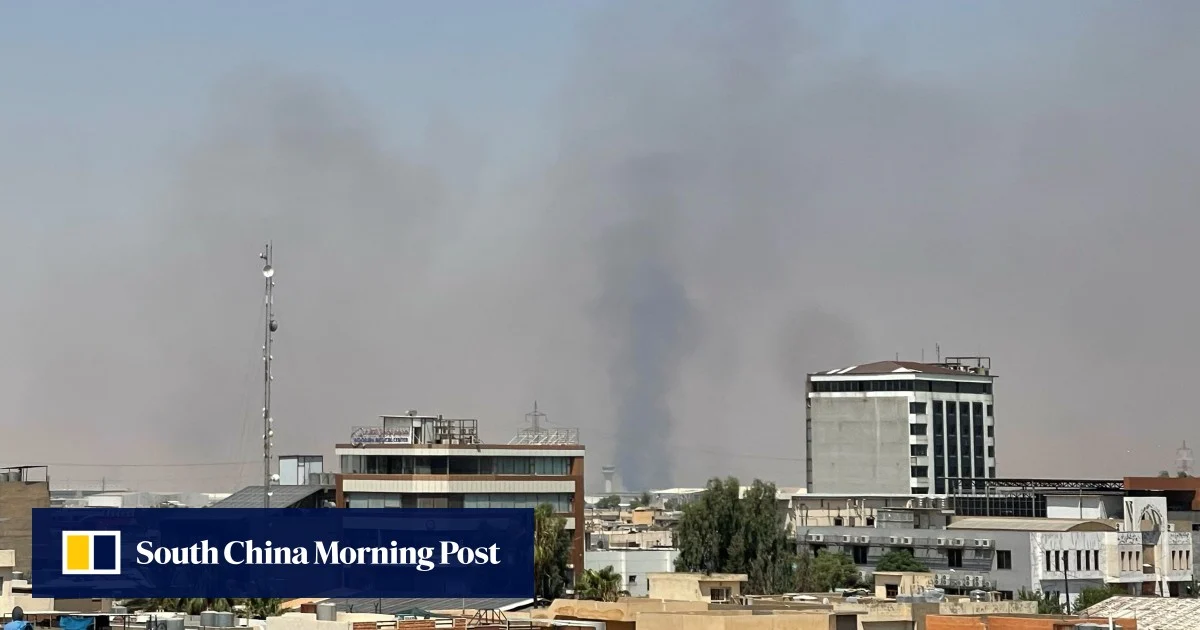
Southeast Asia has been hit particularly hard by this year’s Gulf conflict — the region relies on imports for 60% of its crude oil, with a large share sourced from the Middle East. As governments scrambled for policy responses, they initially focused on immediate measures such as rationing and fuel subsidies — but are now increasingly turning to more structural solutions involving electric cars, and low-carbon fuels and electricity. With energy security a priority, the same governments have also leaned harder on coal, yet the crisis has sharpened awareness of the need for a deeper shift, experts say.
SE Asia Shifts Sights From War Response to Structural Change
Southeast Asian nations' immediate responses to the Mideast energy crisis centered on shoring up energy security — but signs of deeper structural change are emerging.
98 words~1 min read