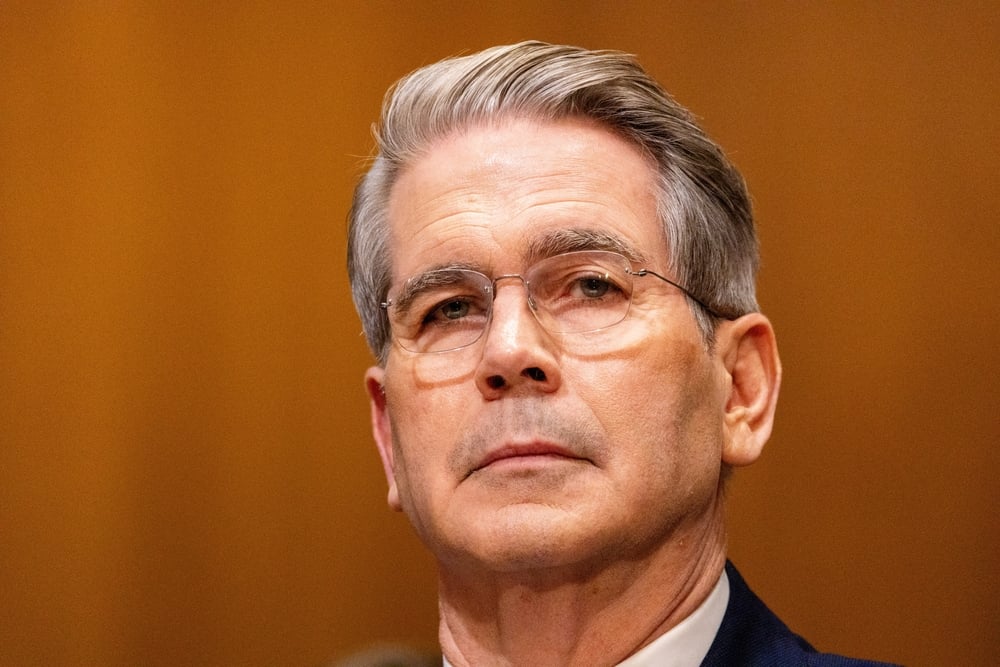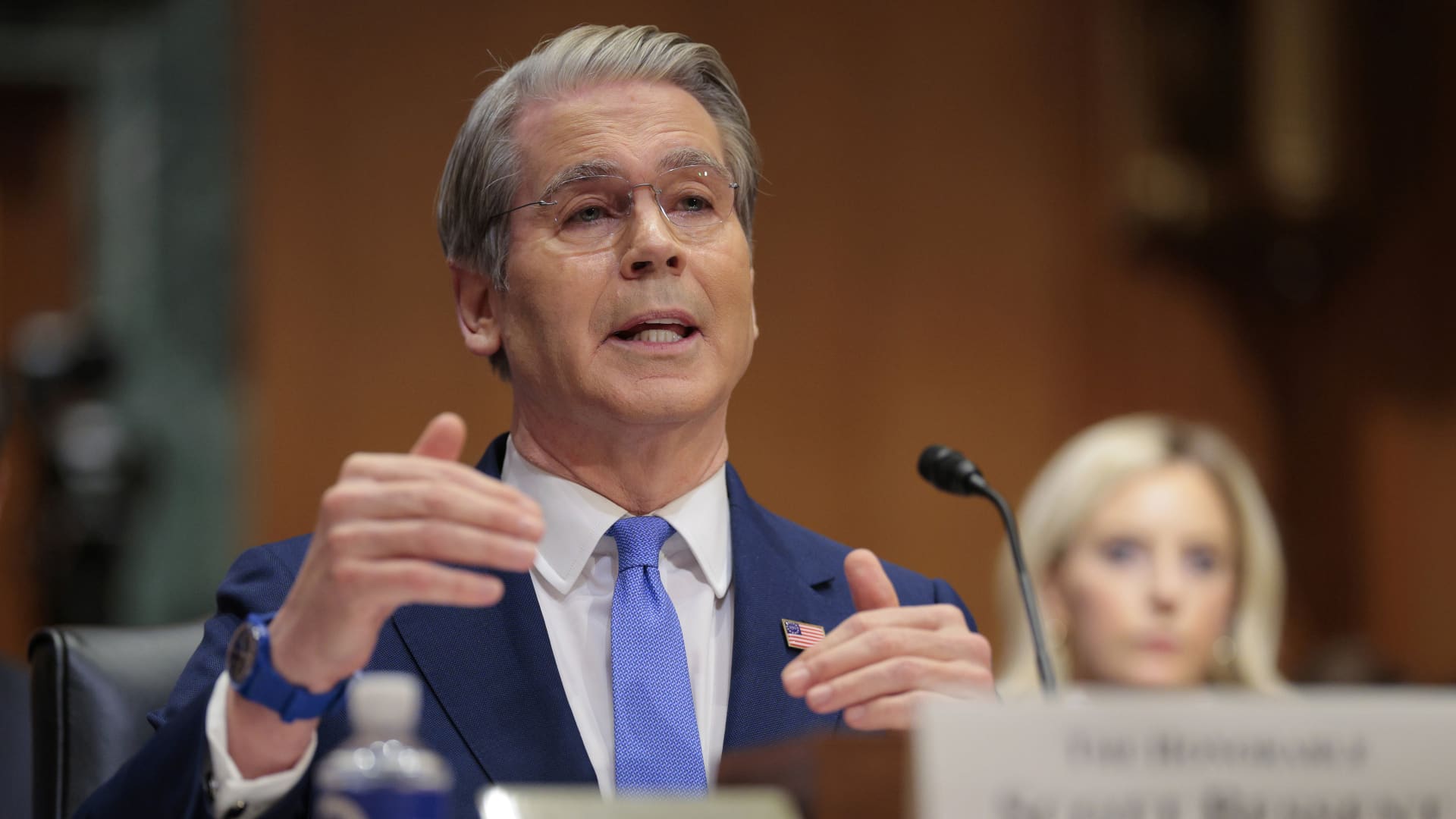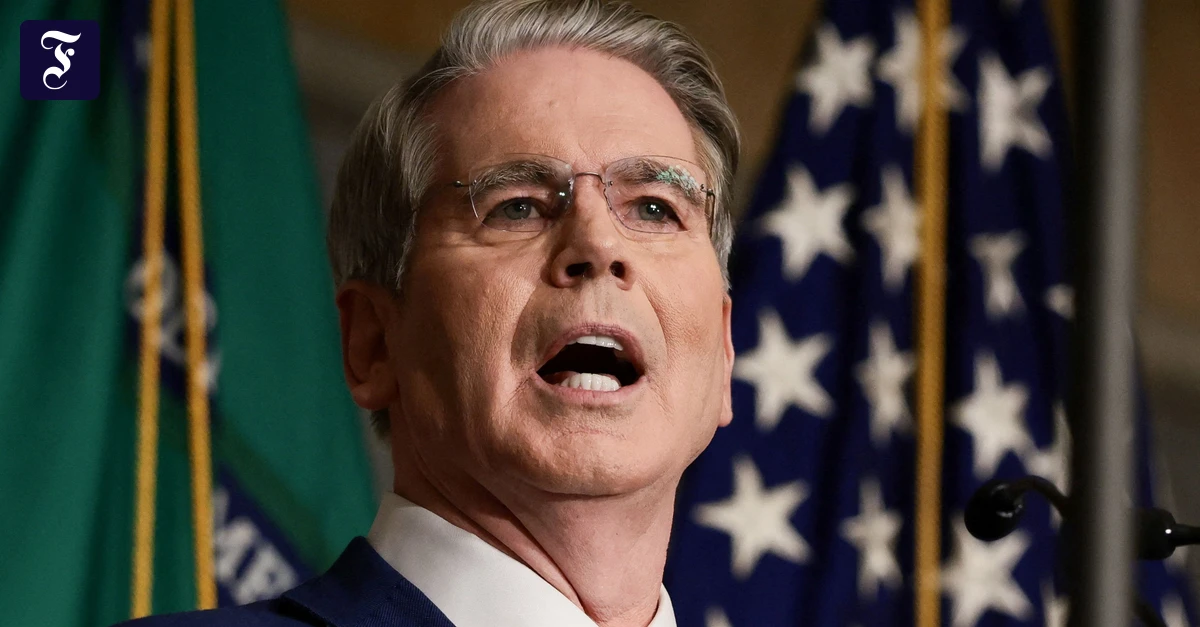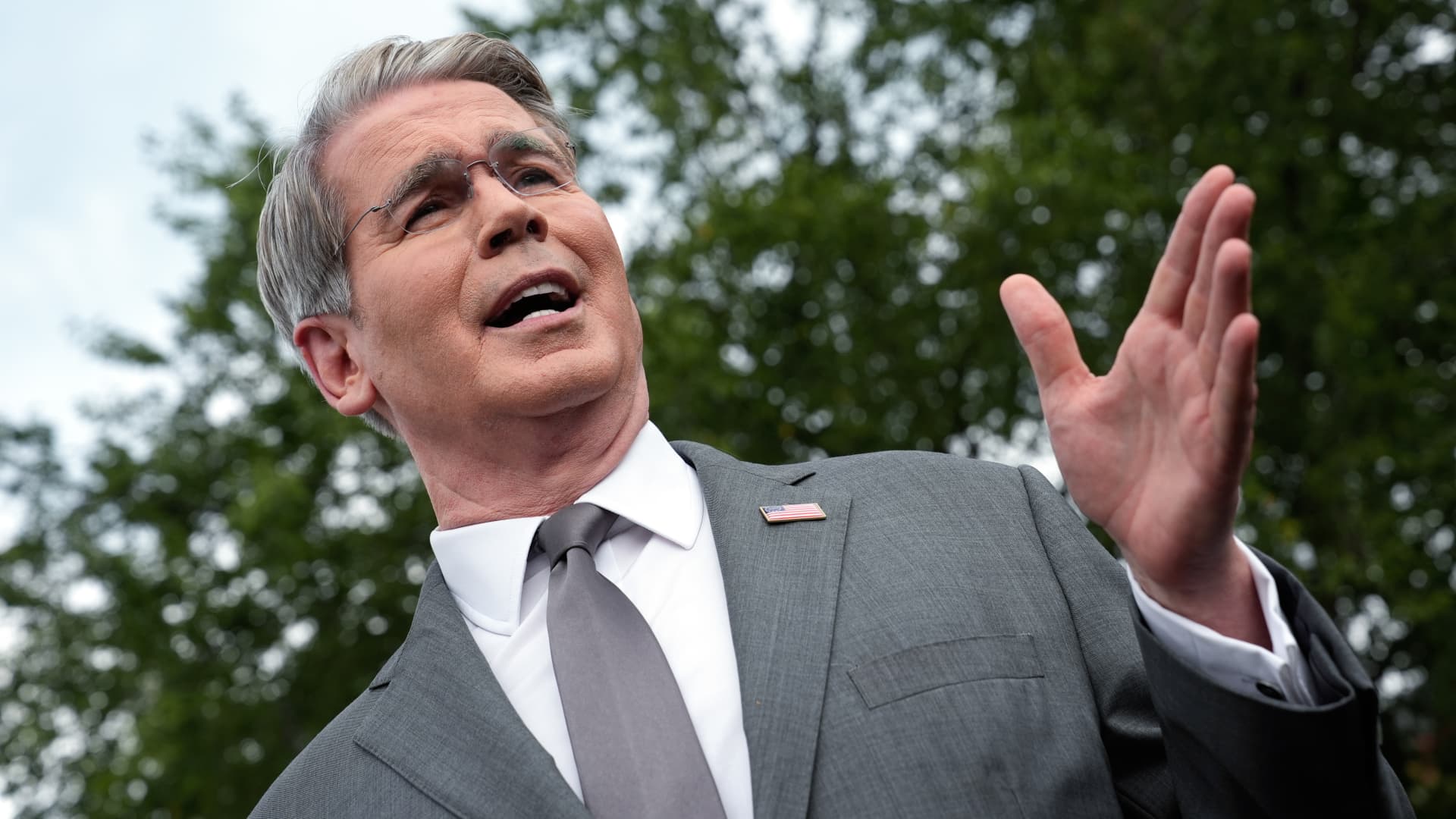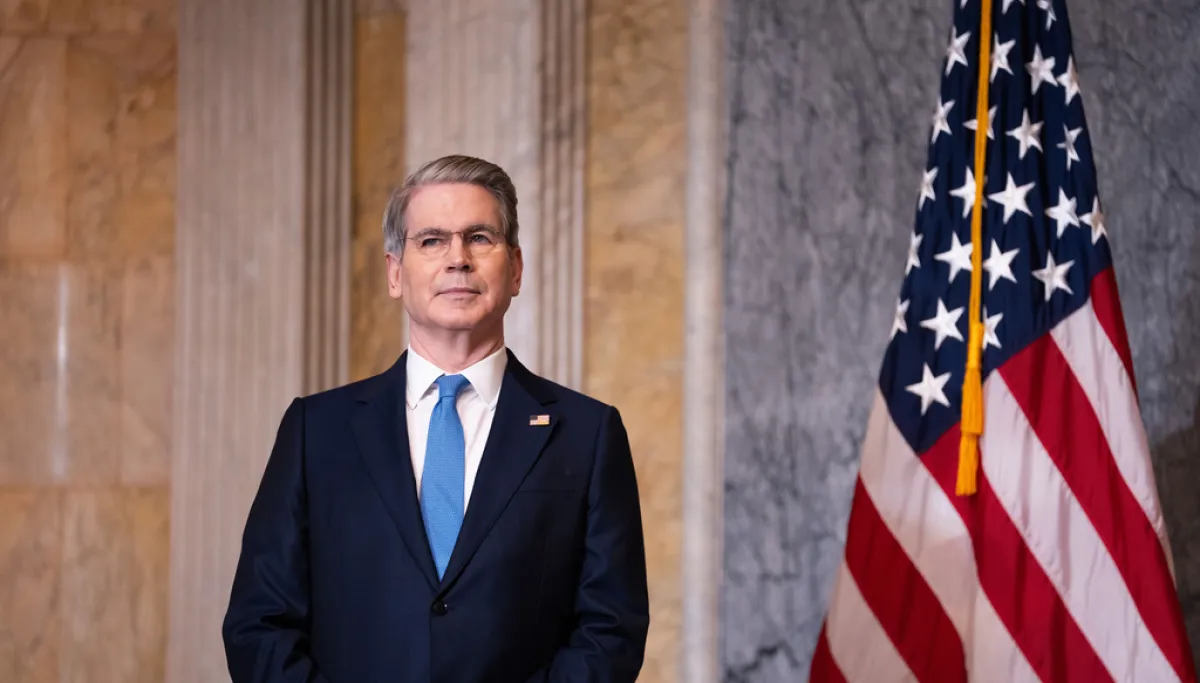
Treasury Secretary Scott Bessent has spent months selling his ambitious “3-3-3” economic plan, which aims to shrink the federal budget deficit to 3% of GDP by 2028. There’s just one problem: Congress isn’t buying it.
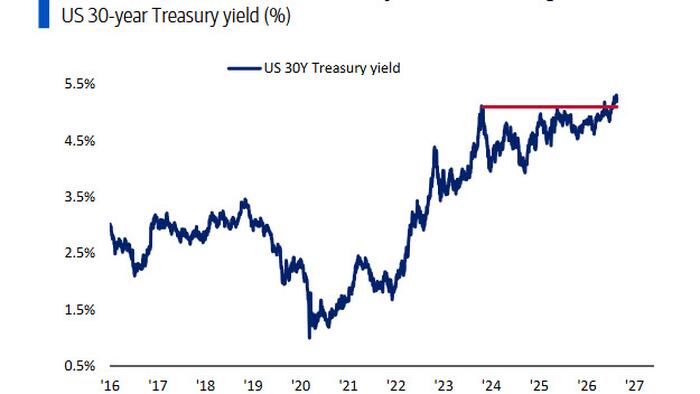
The plan’s central promise, a dramatic fiscal tightening that would require trillions in spending reductions, has collided with a legislative branch that shows zero inclination to make net budget cuts this year. With the national debt surpassing $40 trillion on August 20 and the annual deficit on pace to blow past $2 trillion again, the gap between Bessent’s aspirations and fiscal reality is widening.
The math doesn’t math
The July 2026 monthly deficit alone came in at $432 billion, a figure that suggests the full fiscal year deficit will land somewhere between $1.9 trillion and $2.1 trillion. That translates to roughly 5.5% to 5.8% of GDP, nearly double the 3% target Bessent has staked his credibility on.
The Congressional Budget Office projects deficits staying above 5% of GDP through at least 2029, constrained by defense spending and the administration’s own tax cut priorities.