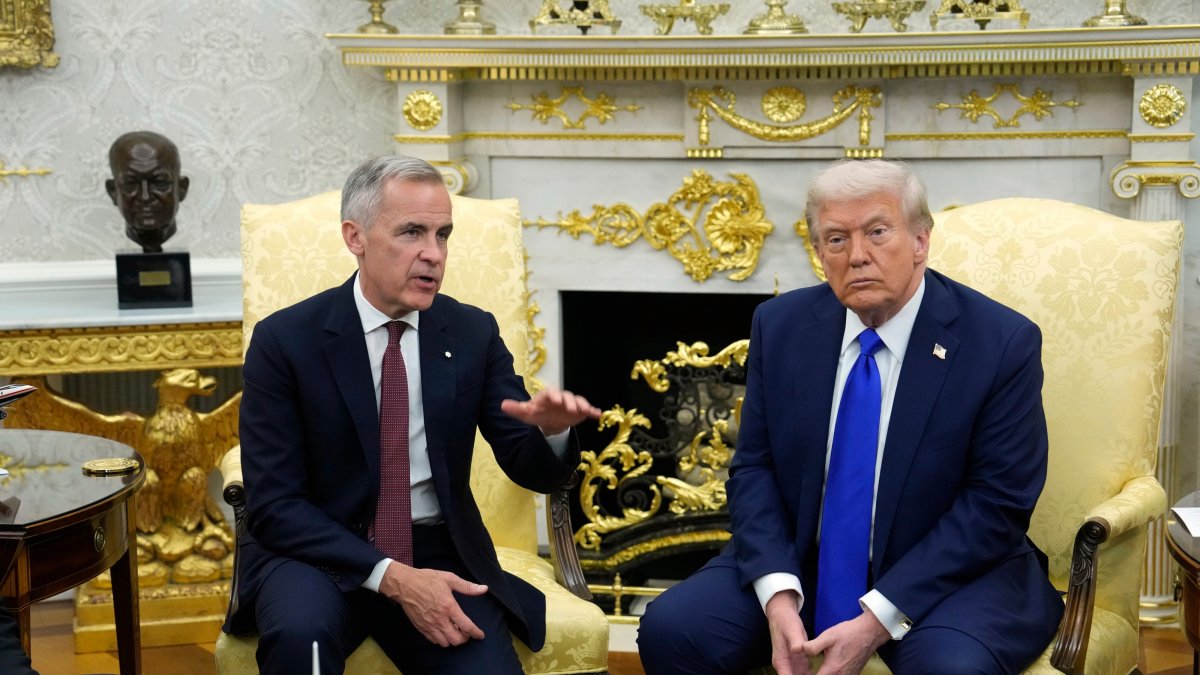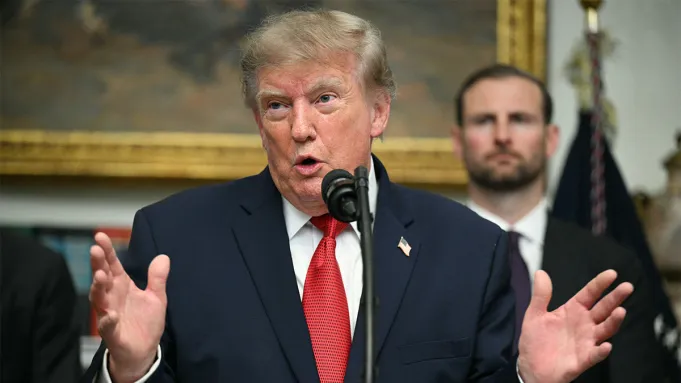
President Donald Trump announced that tariffs on Canadian automobiles, trucks, automotive parts, and steel will double to 50%, effective January 1, 2027. The pledge, made via Truth Social on August 24, represents a sharp escalation in the trade war between the US and its northern neighbor, just one day after a separate round of 50% tariffs on roughly $20 billion worth of Canadian goods went into effect.
The timing is particularly pointed. Negotiations between the two countries had been underway in August with the goal of actually reducing existing auto duties to 15%. Those talks collapsed over last-minute disputes, and Trump’s response was, in essence, to go in the opposite direction entirely.
From 25% to 50%: the math that matters
Current US tariffs on Canadian autos sit at 25%, applied specifically to non-US content in vehicles crossing the border. Doubling that rate to 50% would significantly increase the cost of importing Canadian-assembled vehicles and parts into the United States.
Trump has framed the move as a response to what he calls unfair Canadian trade practices that harm US interests, with particular emphasis on the agricultural sector. His stated solution is straightforward: US manufacturers should move production domestically to avoid tariffs altogether.