The biggest certificate of UPI’s success is the trust it enjoys among those living at the margins of society
| Photo Credit:
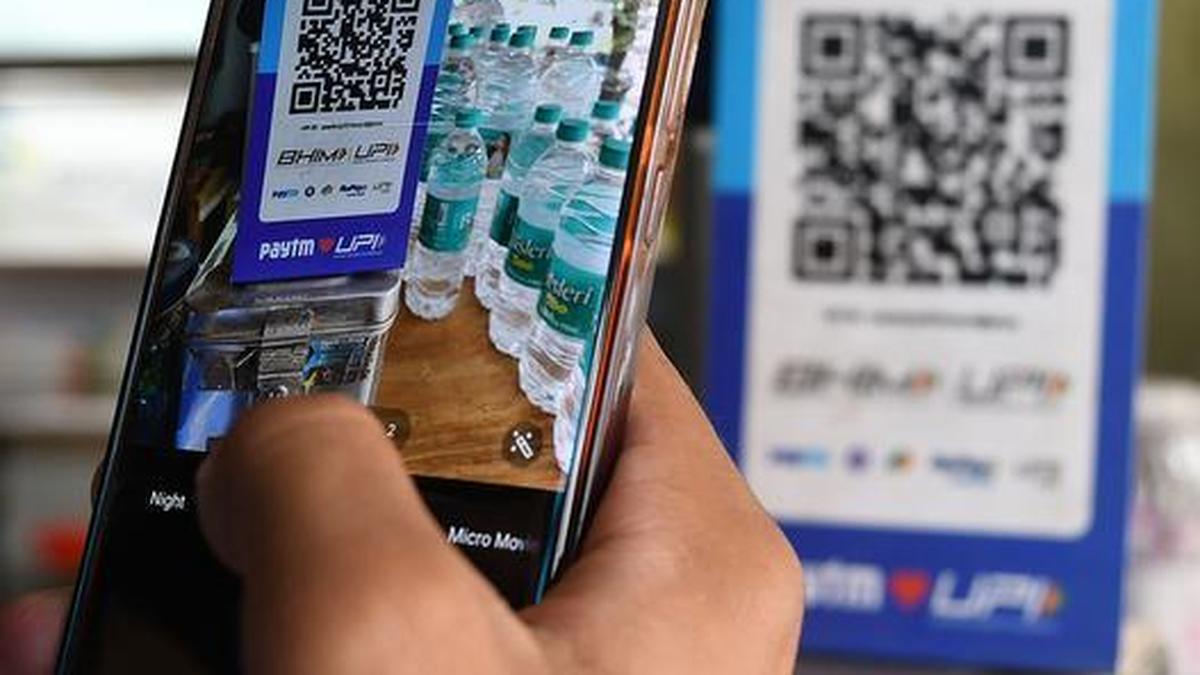
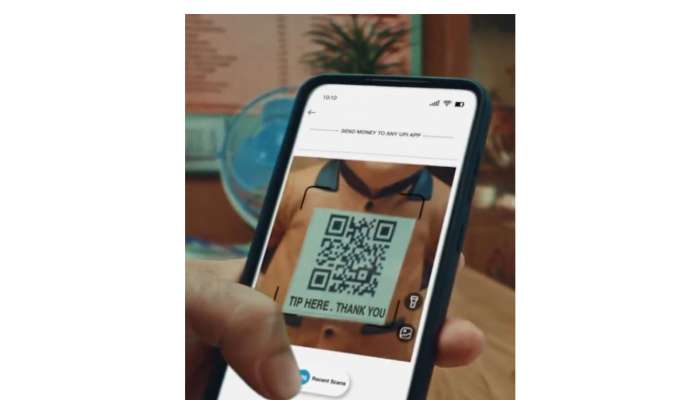
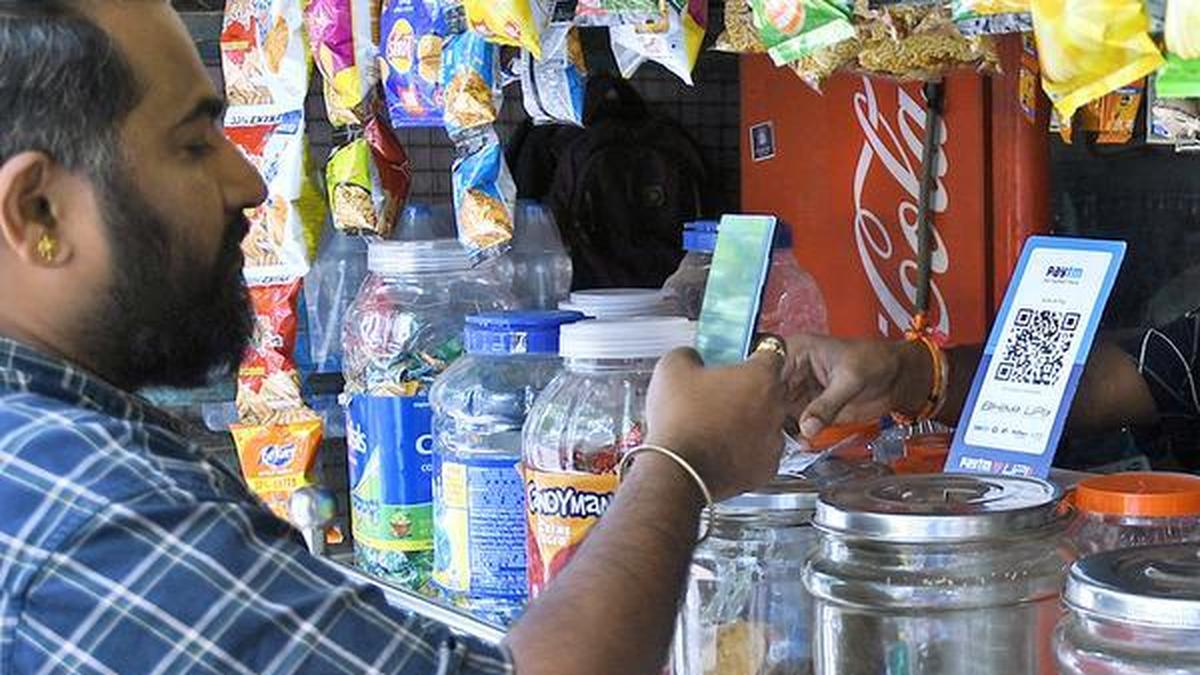
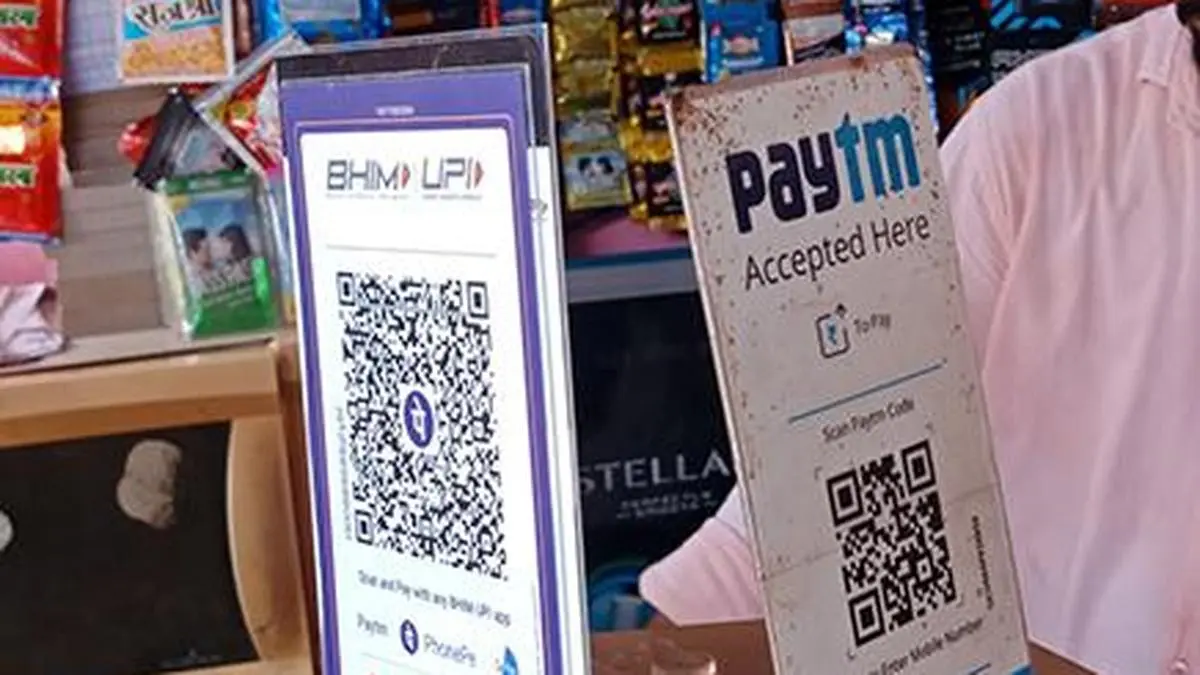
The Unified Payments Interface (UPI) began with a simple, yet ambitious idea, that sending money should be as easy as sending a message. Ten years later, it has grown into the largest real-time payment system anywhere in the world, one that has changed the way crores of Indians pay at a shop, settle a bill or send money home.When UPI went live in 2016, digital payments were still at the margins of a largely cash-driven economy. The wider groundwork had, however, already been laid. The Digital India programme, launched in 2015, set the direction for a digitally connected economy. Jan Dhan expanded access to bank accounts, Aadhaar provided an identity layer, and mobile connectivity brought services closer to people. Today, India has more than 108 crore internet users, 130 crore mobile subscribers and 145 crore Aadhaar holders, while 58.97 crore Jan Dhan accounts, of which 32.86 crore are held by women, anchor financial inclusion. Over ₹52 lakh crore has been transferred to beneficiaries through Direct Benefit Transfer. UPI added to this foundation the ability to move money instantly, and the results followed.The numbers since then tell their own story. UPI processed two crore transactions in FY 2016-17. By FY 2025-26, this had risen to 24,162 crore transactions, with the value growing from ₹0.07 lakh crore to ₹314 lakh crore. In the first four months of FY 2026-27 alone, UPI has processed 9,192 crore transactions worth ₹118 lakh crore, including 2,366 crore transactions in July 2026. UPI today accounts for around 84 per cent of India’s digital payment volumes and serves more than 55 crore active users.Size of paymentsWhat is equally telling is the size of these payments. Around 86 per cent of merchant transactions on UPI are below ₹500, as are nearly 59 per cent of person-to-person transfers. These are the small, everyday payments of ordinary households, the clearest evidence that digital payments have entered the daily economic life of the country rather than remaining confined to cities or to the well-off.Indeed, the biggest certificate of UPI’s success is the trust it enjoys among those living at the margins of society. A street vendor selling vegetables, or an auto driver at the end of a journey, accepts a payment through a QR code and simply moves on to the next customer, with quiet confidence that the money will reach him. When those who can least afford a failed payment repose such faith in the system, it says more about UPI than any statistic can.The shift has been most visible for the small merchant. Person-to-merchant payments accounted for 15,231 crore transactions in FY 2025-26, about 63 per cent of total UPI volume.Payment acceptance points have grown from just 0.31 crore in March 2018 to more than 81 crore by June 2026, of which around 80 crore are simple QR codes. A printed QR code is now enough to connect a neighbourhood shop to the digital economy. Over time, the transaction record so created can also help a small business demonstrate its cash flows and access formal credit, an opportunity that extends well beyond the payment itself.Robust ecosystemThe Government’s role has been to build and strengthen the underlying ecosystem, while banks and fintech companies innovate on top of it. The DIGIDHAN Mission, launched in 2017, promoted adoption across the country. The RBI’s Payment Infrastructure Development Fund has supported acceptance infrastructure in Tier-3 to Tier-6 centres, the North-Eastern States and Union Territories. Because UPI was built as an interoperable rail rather than a closed product, a customer on one app can pay a merchant on another, and new services can be built without creating the plumbing afresh each time.India’s experience is now travelling. The International Monetary Fund has recognised UPI as the world’s largest retail fast payment system by volume, and India accounts for nearly half of global real-time payment transactions. UPI is operational in 11 countries, including the UAE, France, Singapore, Nepal and Sri Lanka, while agreements for UPI-like systems have been signed with Peru, Namibia and Trinidad and Tobago. Countries building their own digital public infrastructure are studying what India has done.Looking aheadThe way forward lies in deepening trust as much as expanding usage. UPI already incorporates device binding, PIN-based two-factor authentication and transaction limits, and banks are deploying AI-based tools to detect suspicious transactions.The next phase must strengthen consumer awareness, grievance redressal and system resilience, so that the platform works equally well for a first-time user as it does for the digitally fluent. Equally, the payment relationship should become a gateway to credit, savings and insurance for those who have so far faced the highest barriers to formal finance; the building blocks of our collective vision of a Viksit Bharat by 2047.As UPI enters its second decade, what began as a payment system has evolved into public digital infrastructure on which an entire ecosystem now stands. Its legacy is clear, it has made participation in the formal economy a matter of a few seconds on a phone. The road ahead is to ensure that this rail carries not just payments, but the fuller financial journey of every Indian.The writer is Secretary, DFSThe next phase must strengthen consumer awareness, grievance redressal and system resilience, so that the platform works equally well for a first-time user as it does for the digitally fluentPublished on August 24, 2026