UPI carries 24,162 crore transactions worth ₹314 lakh crore
| Photo Credit:
Naturecreator
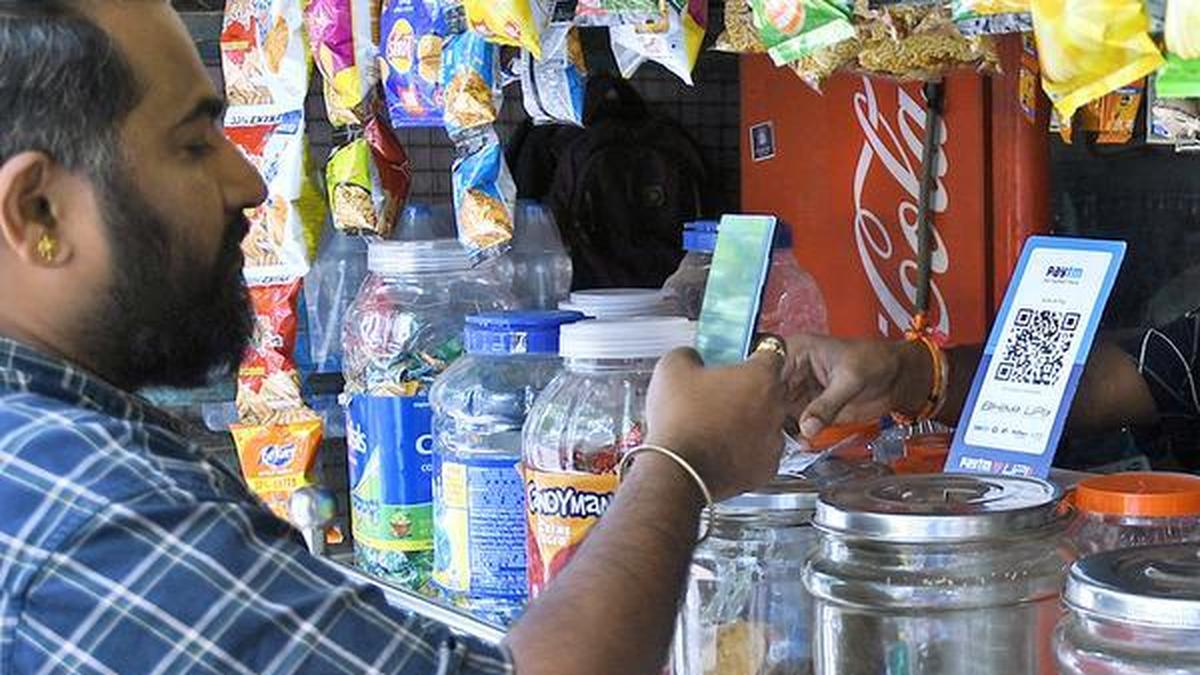
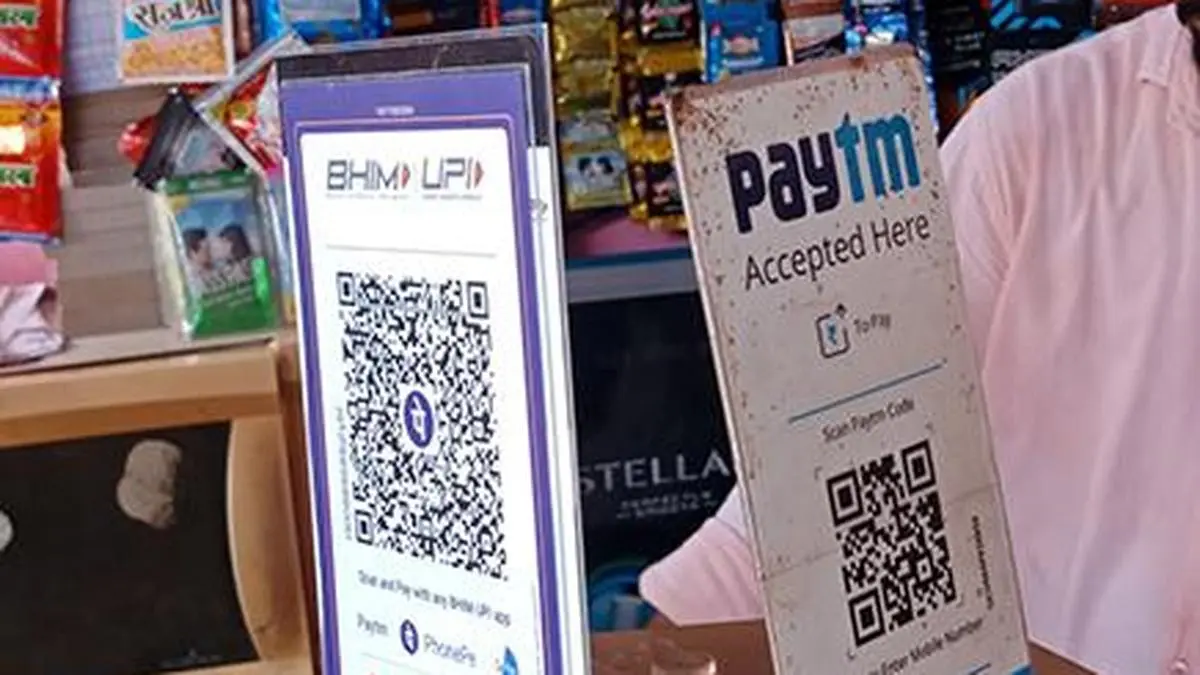
Think about it. A tea-stall owner in a small town accepts payment from a customer whose bank, city, and phone brand he has never heard of, without a second thought. This is the single biggest transformation brought about by Unified Payments Interface, a payments protocol that went live 10 years ago across 21 banks with little fanfare and a first-month tally of just 373 transactions.Today UPI clears more transactions before breakfast than it processed in its entire founding year.UPI has democratised payments and done far more for financial inclusion than any other product or service in the country. In three decades in this industry, we have not seen a piece of financial infrastructure that has changed the texture of daily life as quickly, or as invisibly, as this one.Data & TrustUPI’s significance is not really about payments at all. It is about data and trust. Every digital transaction a small merchant makes leaves a footprint that formal lenders can use to assess creditworthiness where little or no credit history existed before. This is quietly solving one of Indian banking’s oldest problems: how to extend affordable credit to borrowers who have no traditional credit record and limited documentation. Layered on top of Aadhaar-based identity and the near-universal bank account coverage achieved under the Jan Dhan Yojana, UPI completed what economists now call India’s foundational Digital Public Infrastructure (DPI) stack. Together, these systems have enabled welfare payments and subsidies to flow directly into citizens’ accounts, reducing leakages that were long taken for granted in India.UPI carries 24,162 crore transactions worth ₹314 lakh crore, moving through more than 700 banks and touching upwards of 500 million Indians. It now accounts for roughly 85 per cent of all digital payment volume in the country and nearly half of every real-time payment made anywhere on earth.Third-party applications-built consumer-friendly interfaces on top of the UPI rails between 2017 and 2020, bringing in a first wave of young, urban users. The pandemic did the rest. Contactless payments went from being a health precaution to a habit, and QR codes spread from metro supermarkets to roadside vegetable carts. By the middle of this decade, features such as UPI Lite for offline-friendly small payments, AutoPay for recurring bills, and credit lines extended directly on UPI had turned a payments app into something closer to a full financial operating system for ordinary Indians.In expansion modeA developed economy needs a much larger formal sector than India has today, and UPI is expanding that formal sector from the ground up, one small merchant and one digitized transaction at a time. It needs deeper and more affordable credit markets, and UPI’s transaction data used with customer consent is already becoming the raw material for innovative lending. It needs lower transaction costs across the economy, and a payments rail that settles instantly at negligible cost, whether for a fraction of a rupee or several lakh rupees, represents precisely the kind of productivity gain that compounds across a billion people.To move forward, we need continued expansion of offline and low-connectivity options so that the last, hardest-to-reach households are not permanently excluded. We need sharper fraud defences that keep pace with the sophistication of the scams being run against ordinary users. And we need to keep building on top of UPI, linking it more deeply with credit, insurance, and digital commerce rather than treating it as a finished product.Ten years ago, UPI was a solution to a fragmented payments system. Today, it is the foundation on which much of India’s digital economy stands and a demonstration, watched closely by other developing nations, of what a country can achieve when it treats infrastructure as a public good rather than a private prize.(The writer is MD & CEO, Punjab National Bank)Published on August 24, 2026