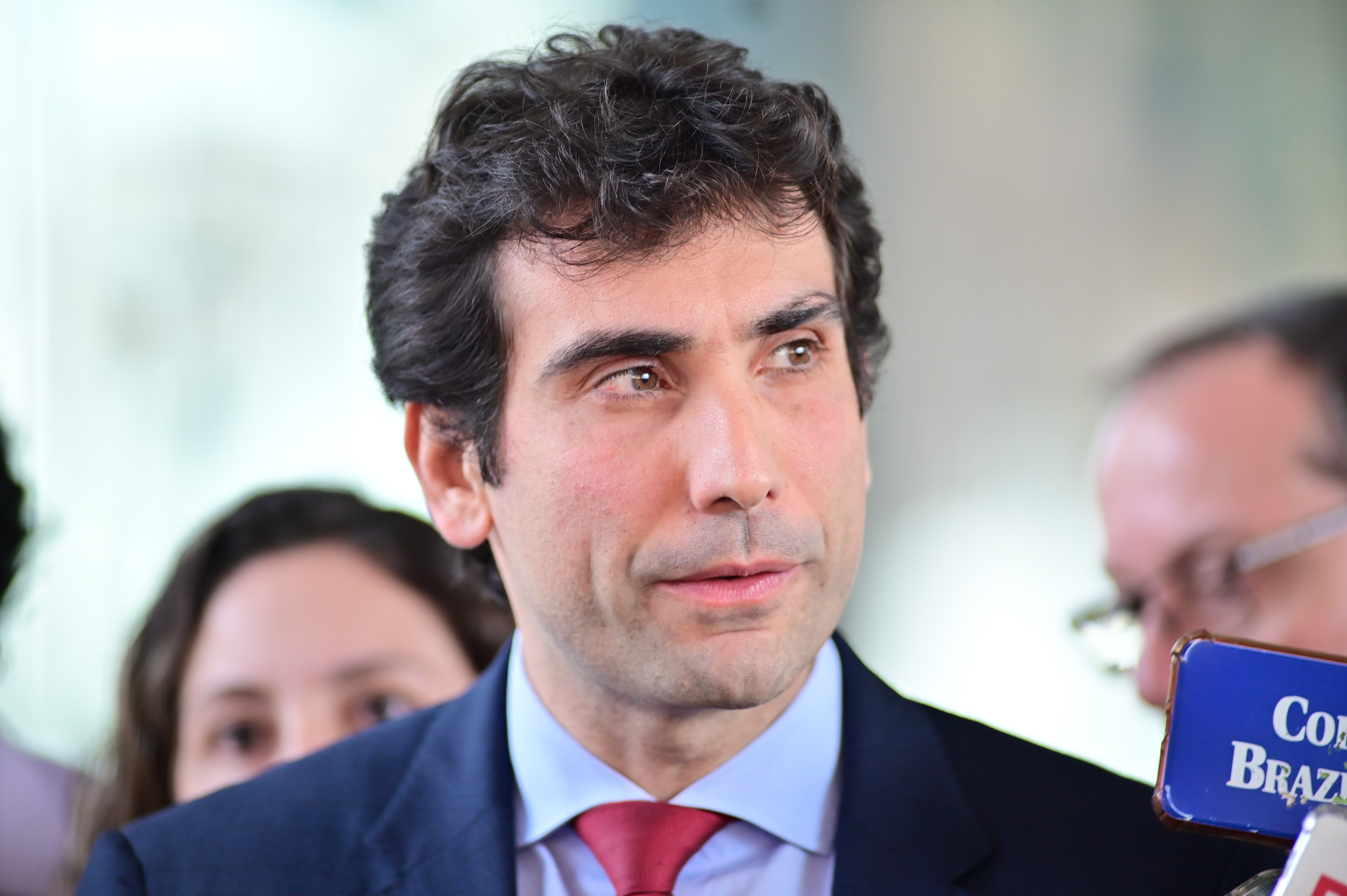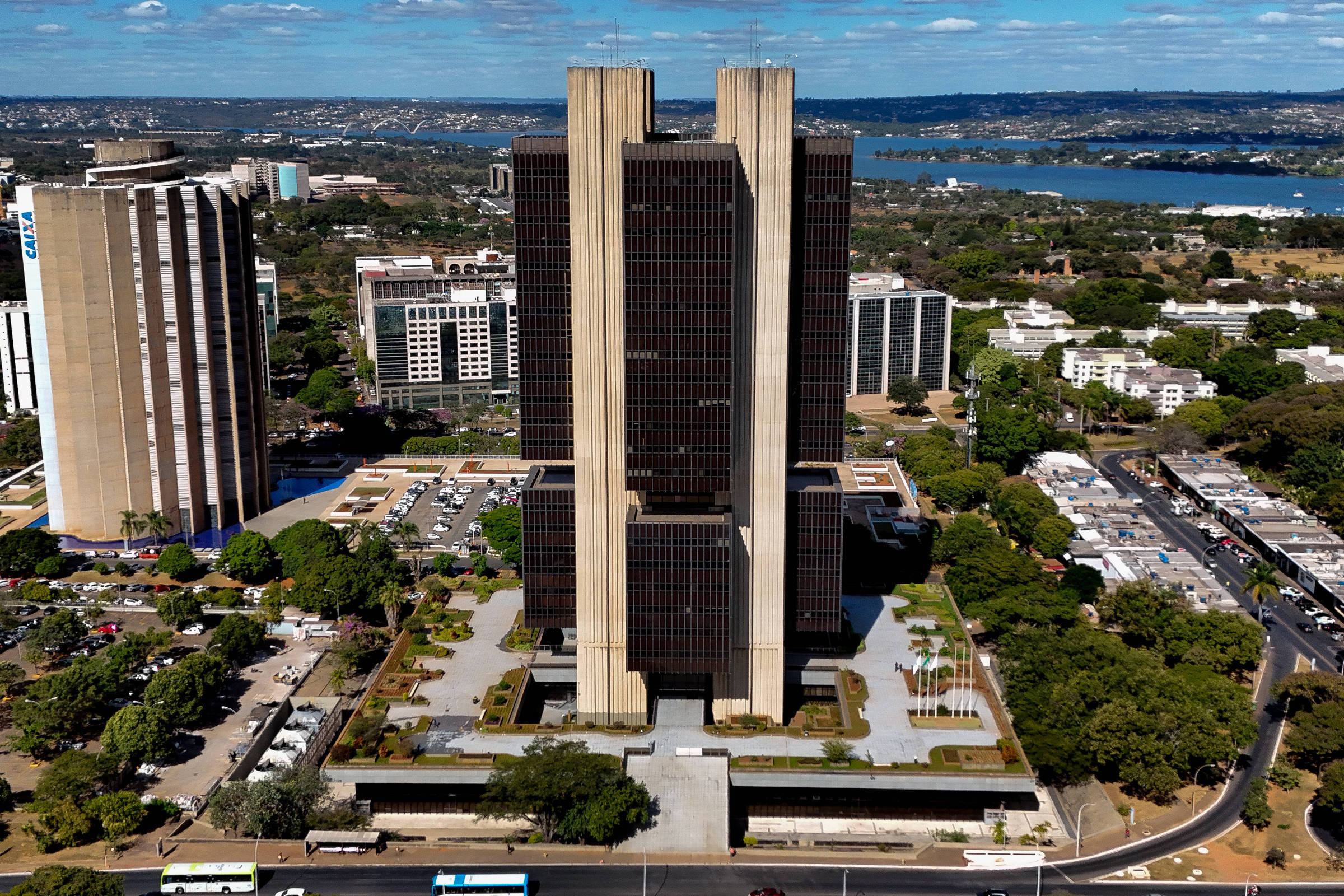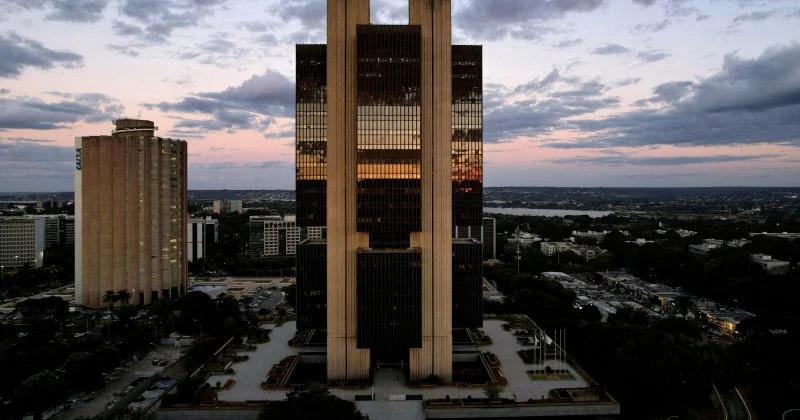
Brazil’s central bank president Gabriel Galípolo stood up at the Febraban Tech conference on August 24 and essentially told the government to cool it with the stimulus. His concern: Brazilian households are drowning in debt, and pouring more credit into the system is like handing matches to someone standing in a fireworks factory.
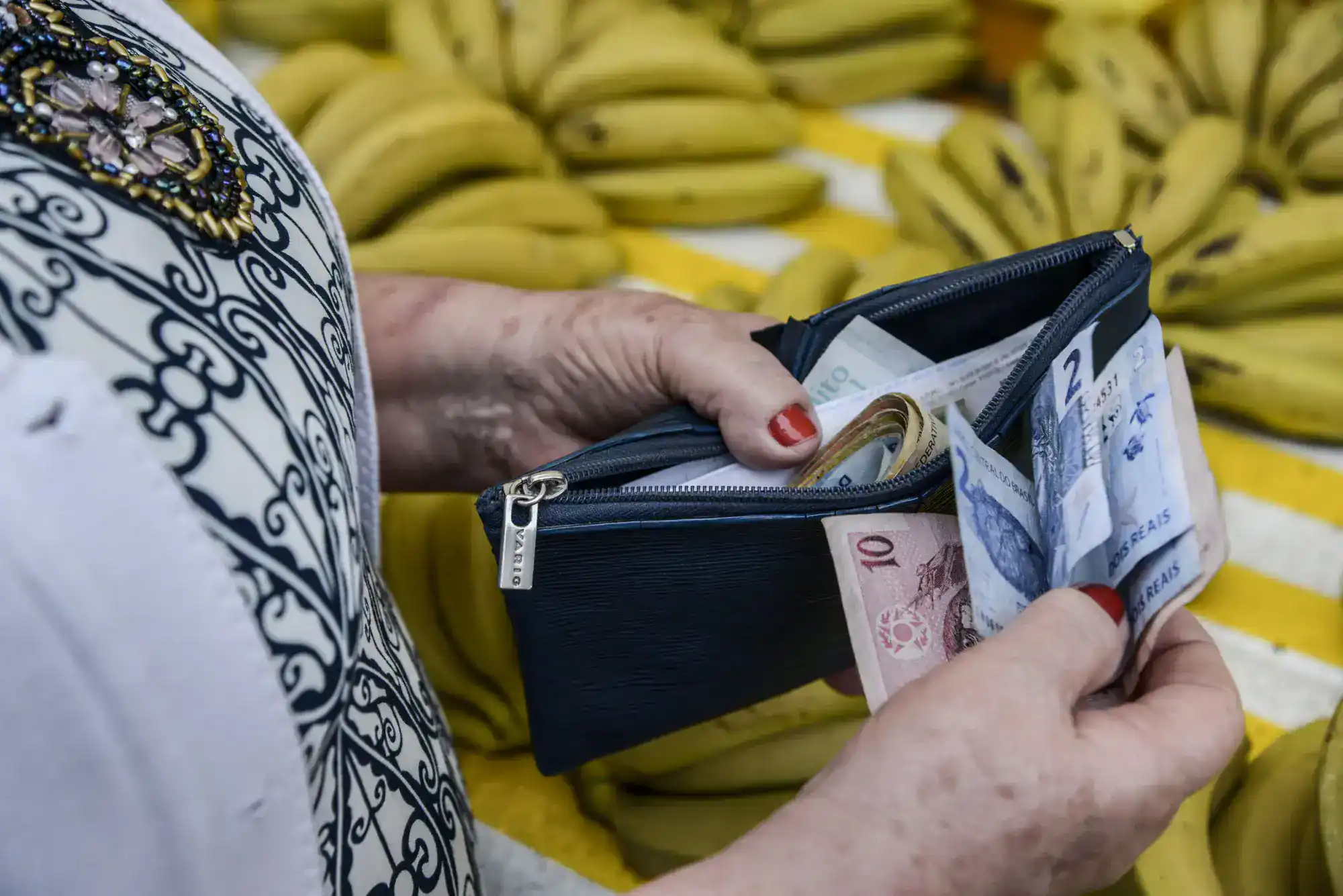
The warning comes as a CNC survey for July 2026 showed that 82% of Brazilian households are carrying some form of debt. That figure has set a new record for the sixth consecutive month, up from 81.6% in June and 78.5% a year ago. For context, this is the highest reading since tracking began in 2010.
The unsecured credit problem
Galípolo drew a sharp line between different types of borrowing. Mortgage debt, which at least builds household wealth through property ownership, isn’t the primary worry. The real danger sits in credit cards with revolving balances, personal loans, and unsecured payroll-deductible credits.
The math on revolving credit card debt in Brazil is genuinely staggering. Annual rates on those balances exceed 400%, meaning a consumer who lets a balance roll over is effectively paying quadruple the original amount within a year. Brazil has somewhere between 96 and 100 million credit card users, so the exposure is enormous.