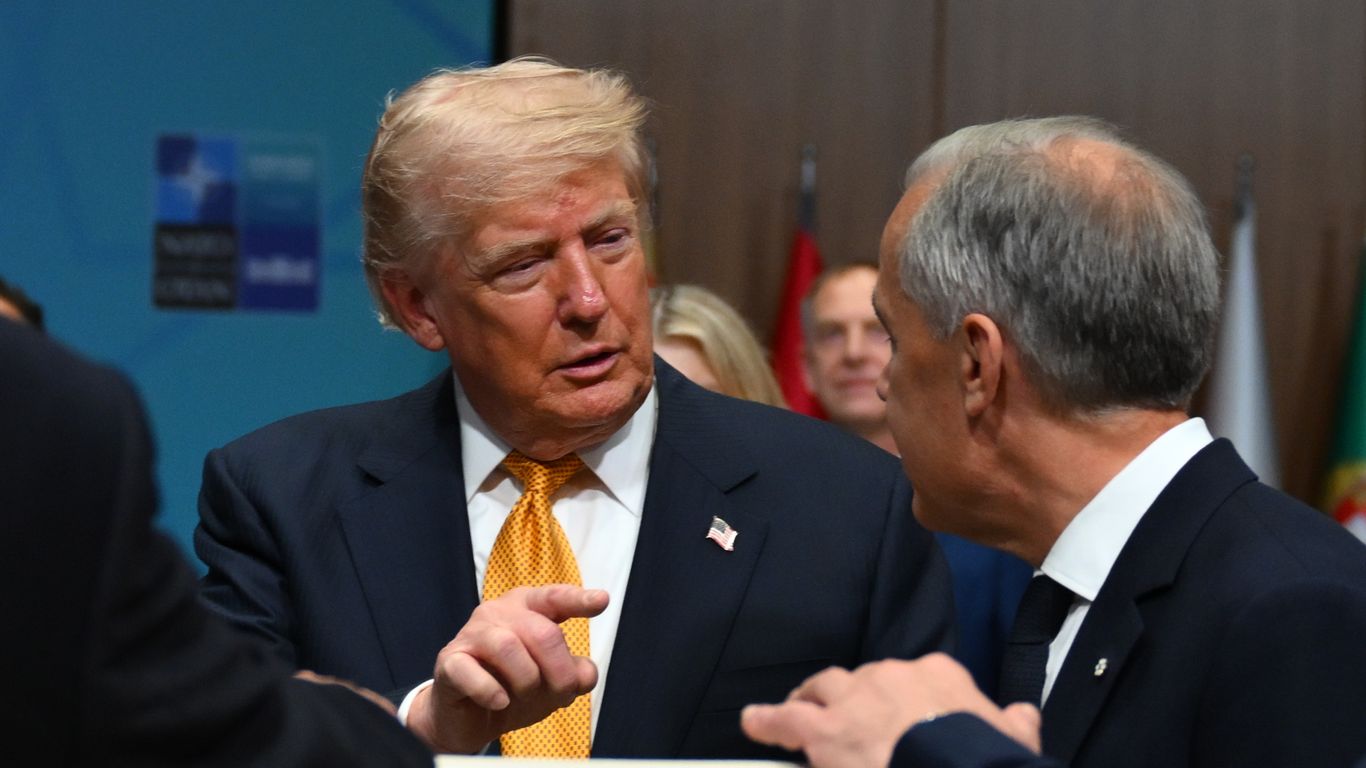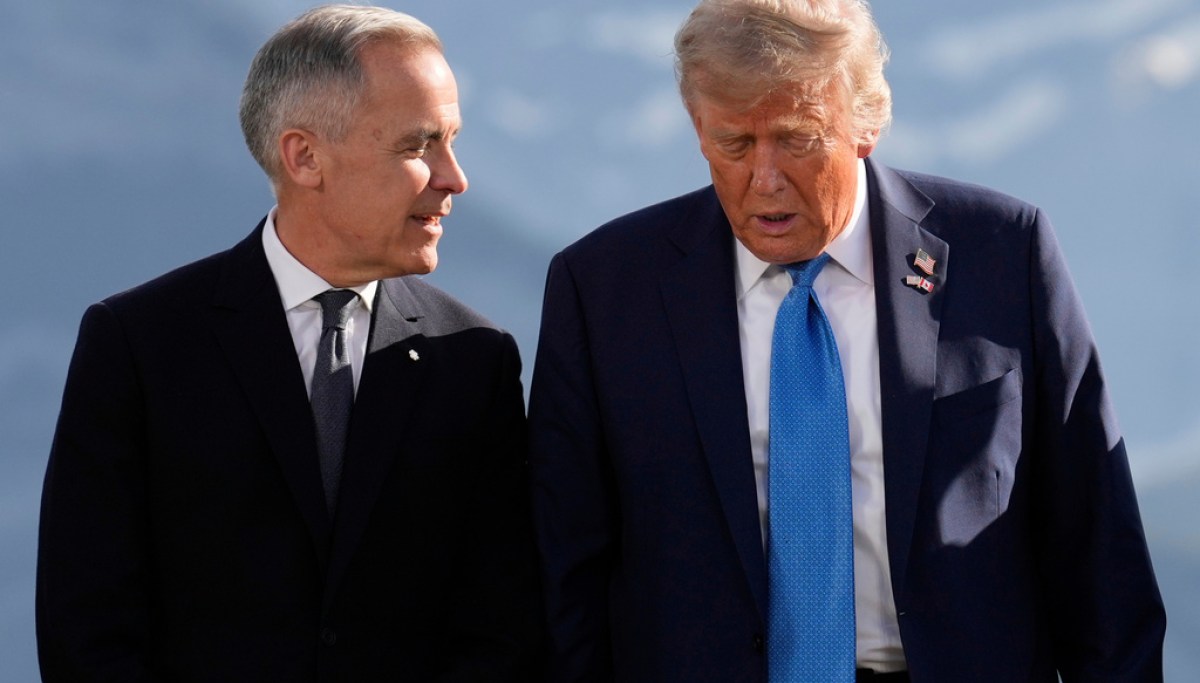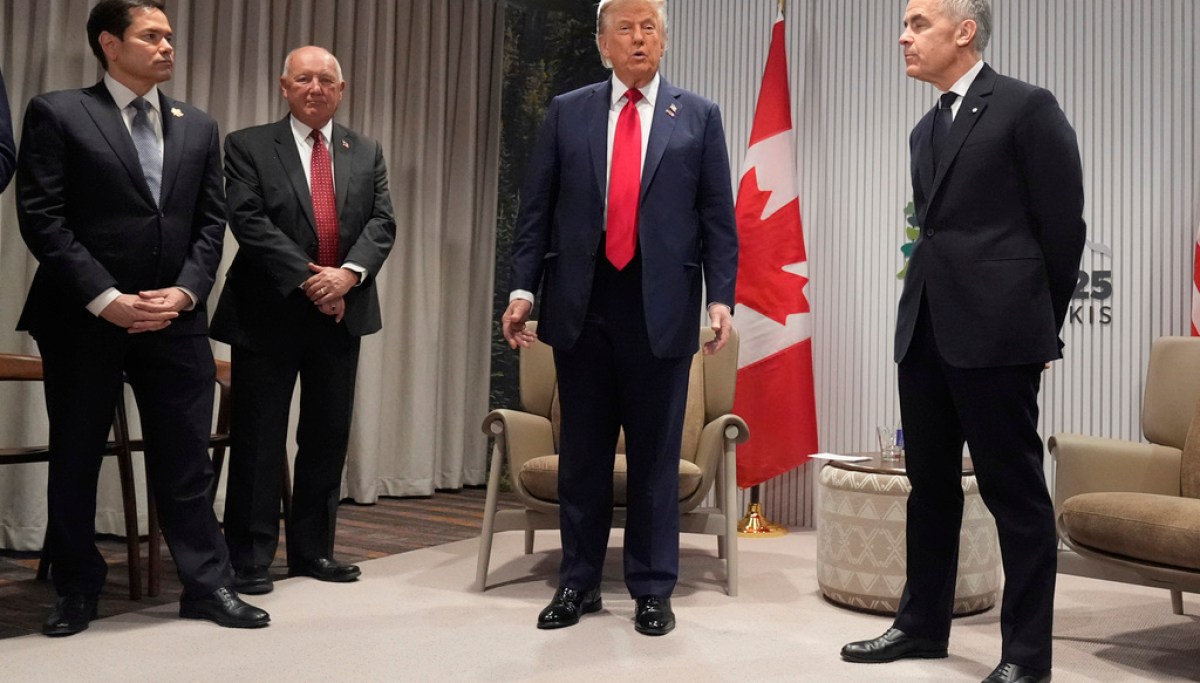
Tensions escalated last week between the United States and its northern neighbor, Canada, after trade talks collapsed and both countries threatened new tariffs.Here’s what to know about the dispute.On Aug. 21, the latest round of U.S.-Canada trade talks broke down in the final hour before President Donald Trump’s deadline. Canadian Prime Minister Mark Carney said the Trump administration introduced last-minute changes to the framework of a possible agreement. As a result, the Trump administration’s 50% tariffs on $20 billion of Canadian goods took effect on Saturday.
Canada has responded by announcing its own “dollar-for-dollar” retaliatory tariffs, which are set to begin Sept. 8.US-CANADA TRADE DEAL COLLAPSES AS TRUMP’S 50% TARIFFS GO INTO EFFECTCarney said the changes to the original agreement were “unfair, uneconomic, and called into question the reliability of any deal.” Among the issues, he said, were changes to an agreement on automobile tariffs and proposed restrictions on Canada’s ability to strike trade deals with other countries.Carney called the alleged restrictions on Canada’s other trade partnerships “unacceptable.” He also said the U.S. sought to impose restrictions related to Canada’s two official languages, English and French.The tariffs, first announced in July, use a Great Depression-era law that authorizes the president to issue import taxes of up to 50% on imports from countries that have discriminated against U.S. businesses. To justify the tariffs, Trump has accused Canada of unfairly restricting American products, pointing to trade barriers involving dairy, alcohol, and automobiles.What is being tariffed?