The Baltic region is becoming a strategic test case for Europe’s efforts to combine energy diversification, decarbonisation and infrastructure resilience
The Baltic region has moved from the periphery towards the centre of Europe’s changing energy map. It is now testing whether the continent can secure its energy supplies, decarbonise its economy and protect an increasingly interconnected system.
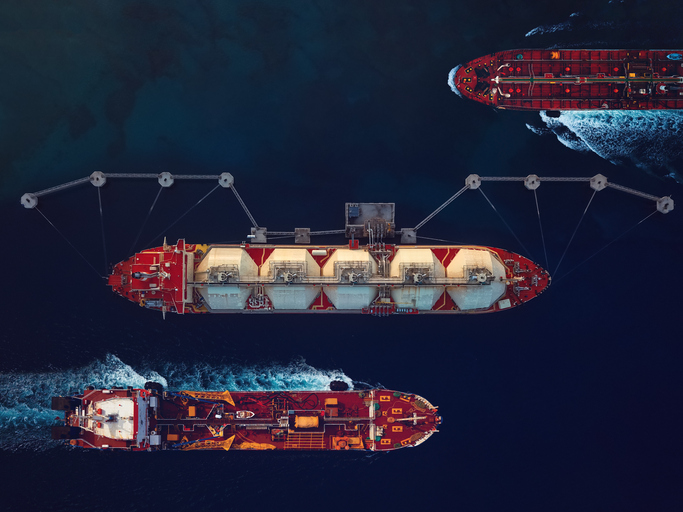
Russia’s invasion of Ukraine exposed the risks of relying on a single supplier. At the same time, tensions around the Strait of Hormuz have underlined Europe’s continued dependence on maritime energy routes far beyond its borders.
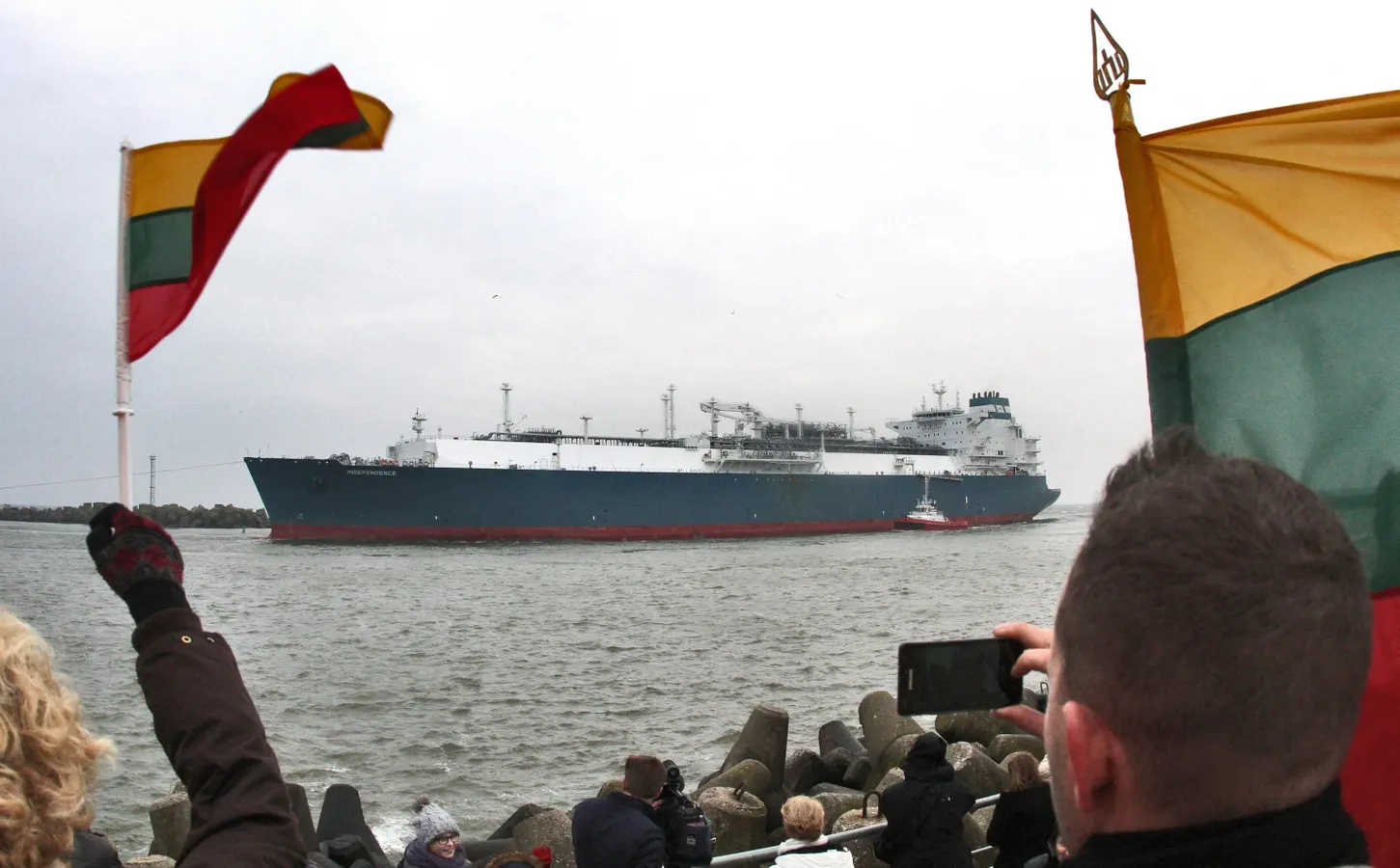
Against this backdrop, the Baltics are becoming a gateway for diversified gas supplies, a growth market for low-carbon technologies and a new front line for protecting critical energy infrastructure.
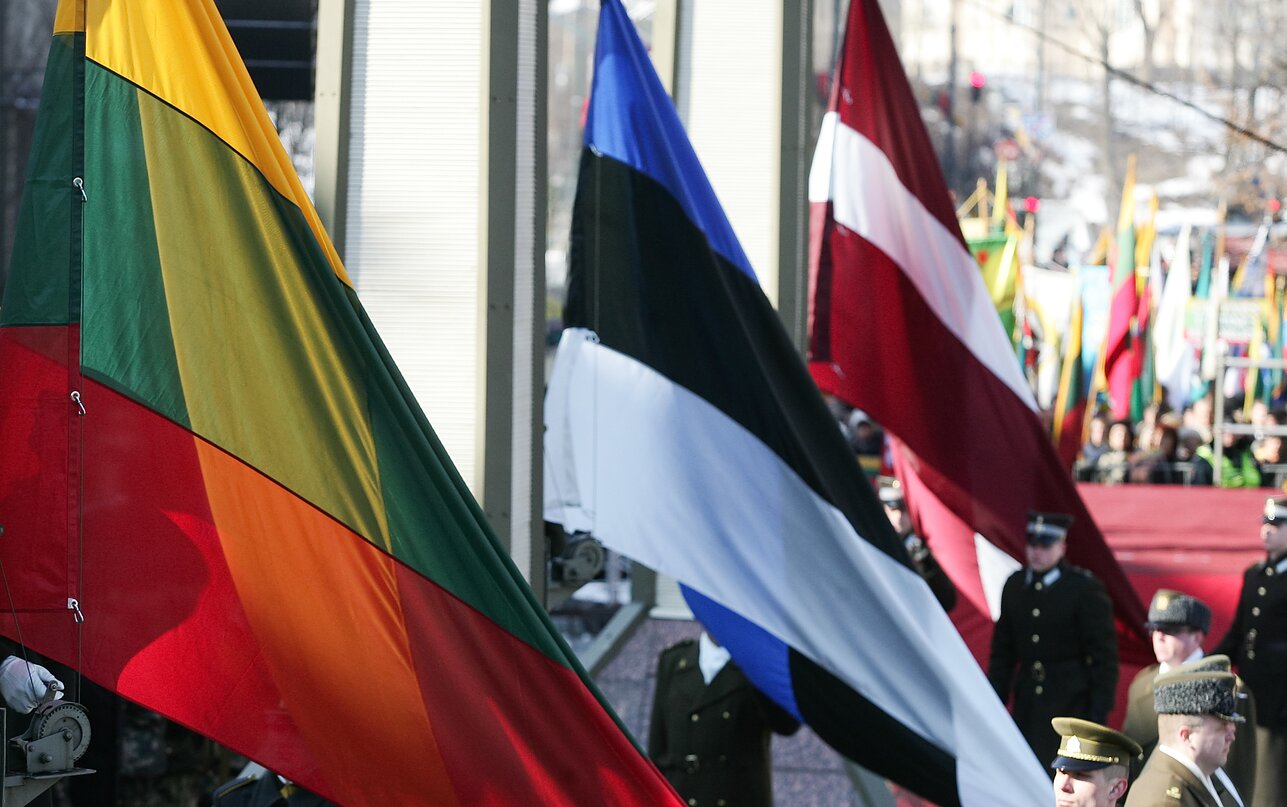
These challenges will converge in Warsaw on 3 September at the Baltic Energy Conference. Held under the theme “Cooperation for a Resilient Future”, the event comes as the region moves from developing individual national assets to considering how they can form a secure and integrated energy system.