Europe’s energy security would be built on the appropriation of land, water, and renewable electricity from its southern neighbours
Amidst geopolitical turmoil around its fossil fuel supply, Europe is struggling to sustainably meet its high energy demand without provoking domestic resistance to renewables expansion. Governments and industries are scrambling for alternatives, including the relocation of renewable energy production and its consequences overseas.
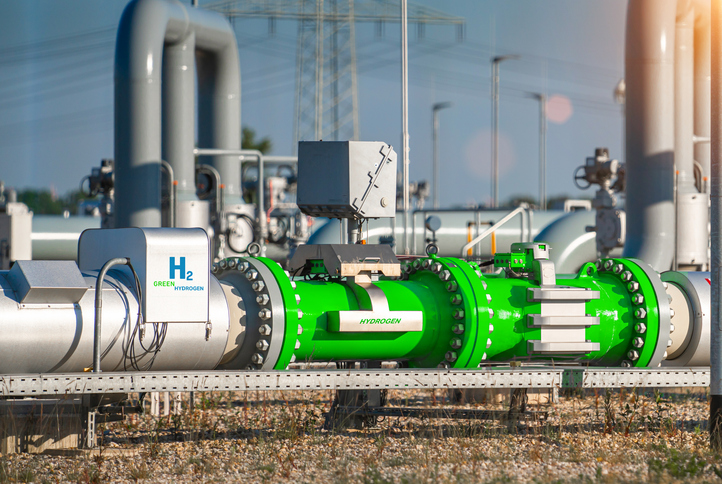
Green hydrogen is currently being proposed as an efficient low-carbon energy carrier to import renewable energy into Europe’s consumption centres. Produced through the electrolysis of water powered by renewable electricity, green hydrogen can be transported over long distances by pipeline or shipped in the form of green ammonia.
The cornerstone infrastructure project designed to realise this vision of renewable energy import in Europe is the proposed SoutH2 Corridor, a 3,300 km pipeline linking green hydrogen production sites in Algeria and Tunisia to consumers in Italy, Austria, and Germany. Once operational, it should be able to transport up to 4 million tonnes of green hydrogen annually, roughly 40% of the EU’s 2030 renewable hydrogen import target set out in the REPowerEU strategy.