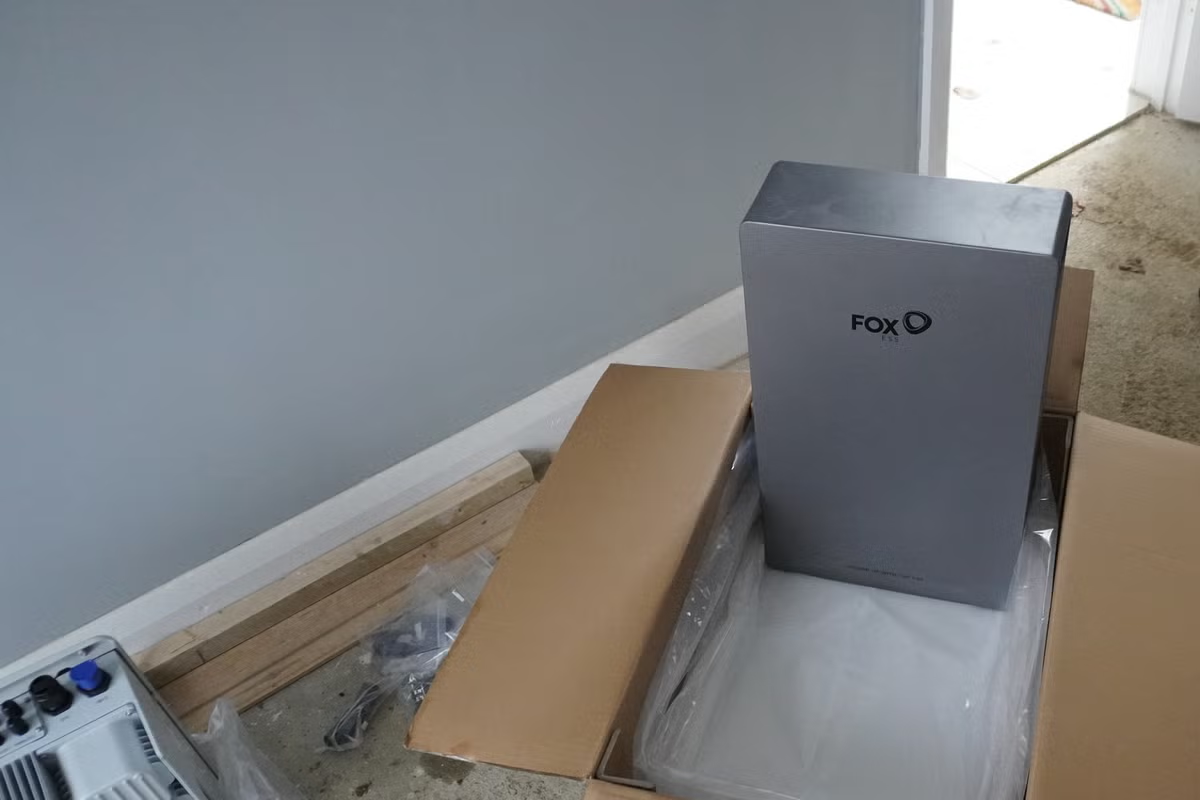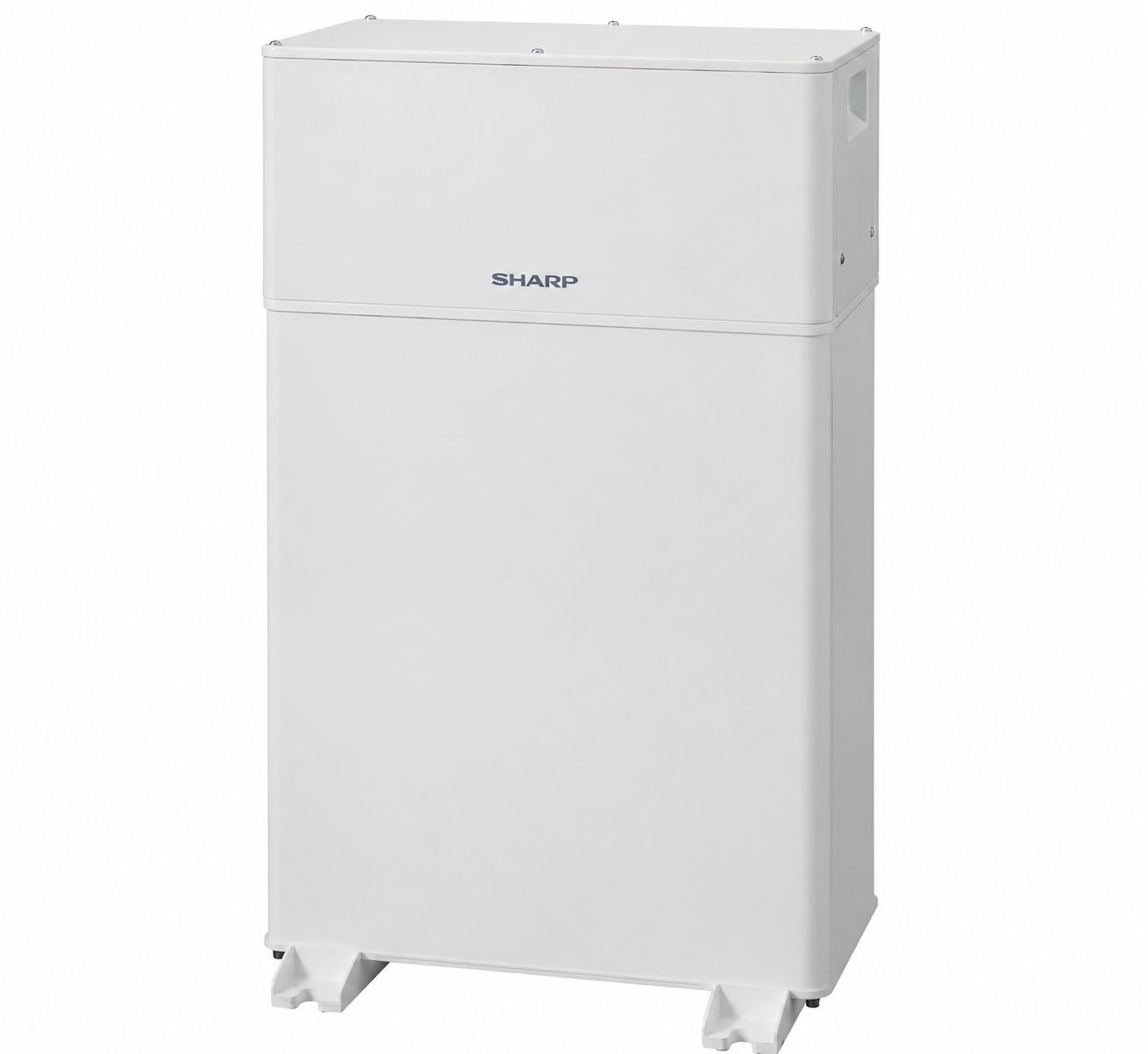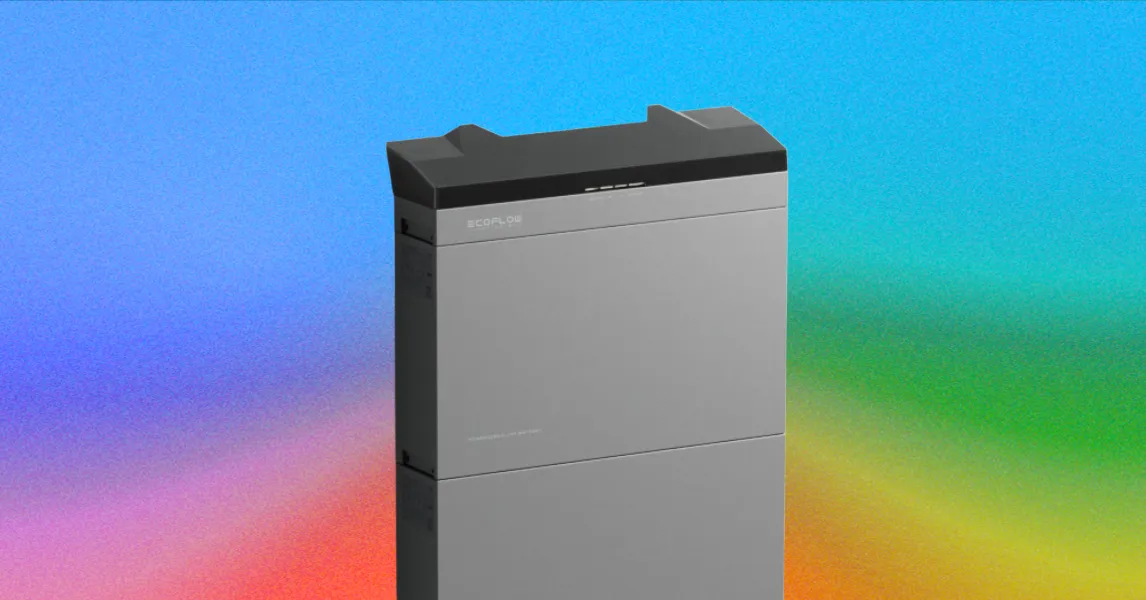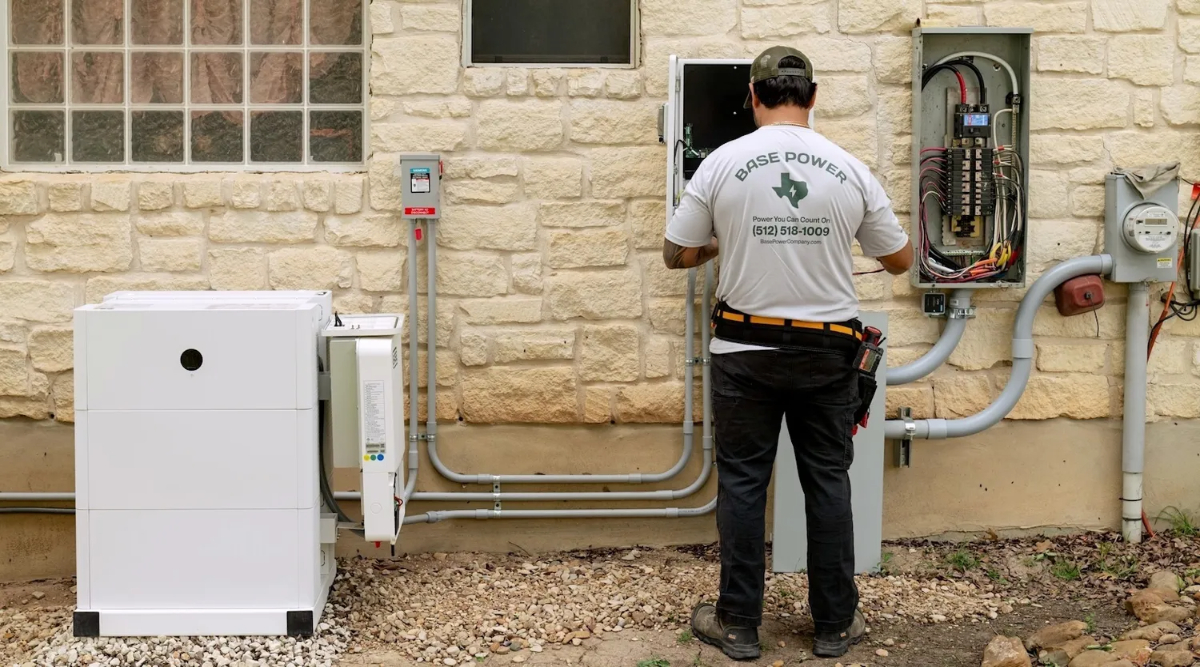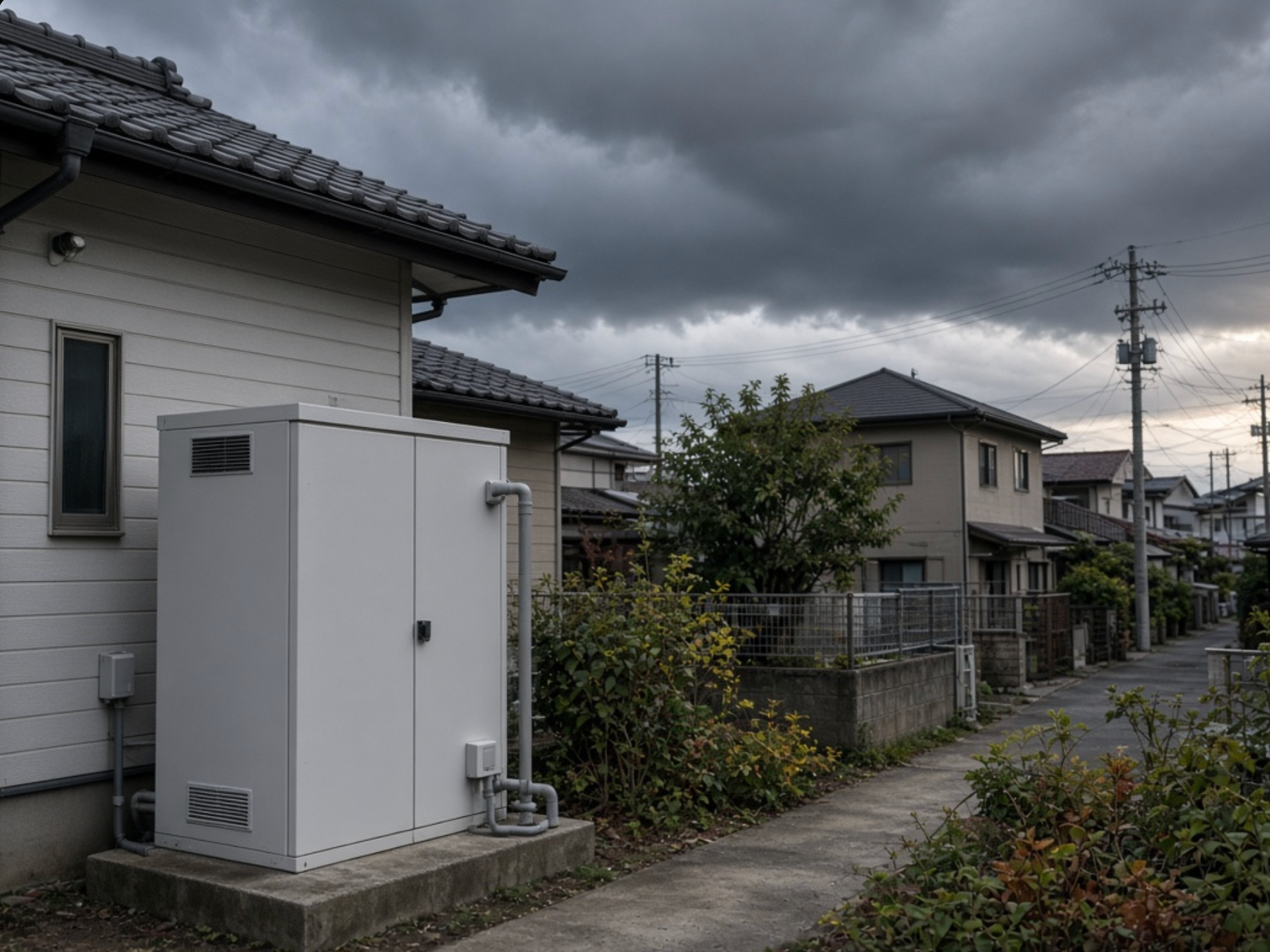
Battery storage is emerging as a financial tool for Japanese households rather than just a disaster-preparedness measure, according to a new survey of residential solar and storage prospects.
Only 19% of respondents to an August survey by iChoosr, a Japanese solar and battery group-purchasing platform, named disaster resilience as their reason for considering solar panels or home batteries, compared with 48% who cited reducing their electricity bills, the company said. The respondents were asked to select a single primary reason.
The survey covered 14,478 people across 24 prefectures who registered interest in installing solar panels or batteries through iChoosr’s “Minna no Ouchi ni Taiyoko” (“Solar for Everyone’s Home”) program between Feb. 25 and July 23. iChoosr said the results indicate that financial considerations are cited more often than disaster preparedness among respondents.
The finding comes as Japan’s original wave of residential feed-in tariff (FIT) contracts, which guaranteed fixed export payments for 10 years, continues to expire. The transition has also reshaped Japan’s utility-scale solar market as legacy FIT projects approach expiry and owners reassess revenue strategies. The Ministry of Economy, Trade and Industry (METI) said approximately 530,000 residential solar installations, representing roughly 2 GW of capacity, left the FIT scheme in November and December 2019 alone.