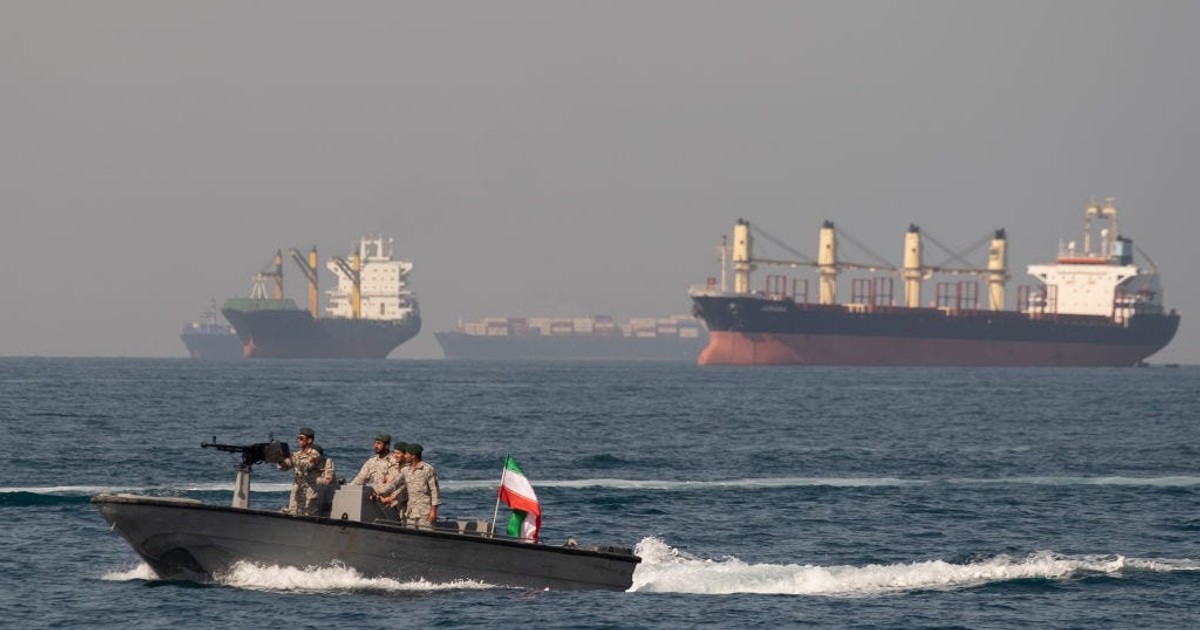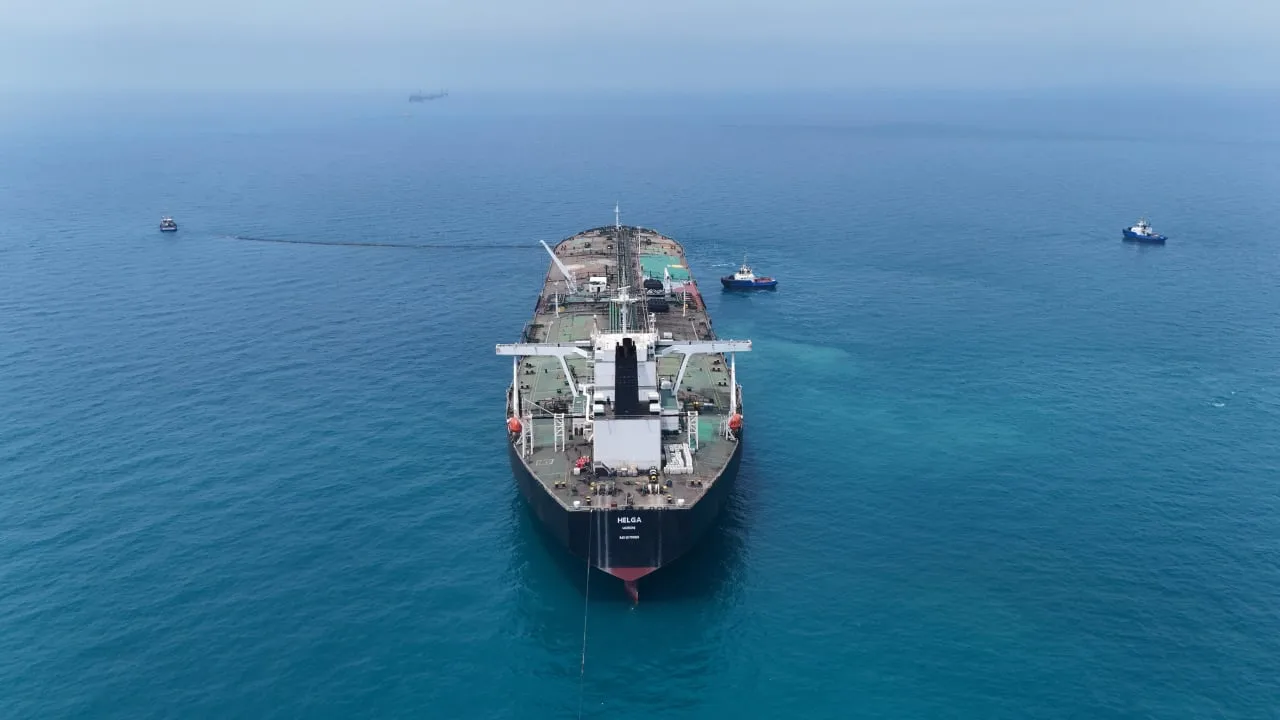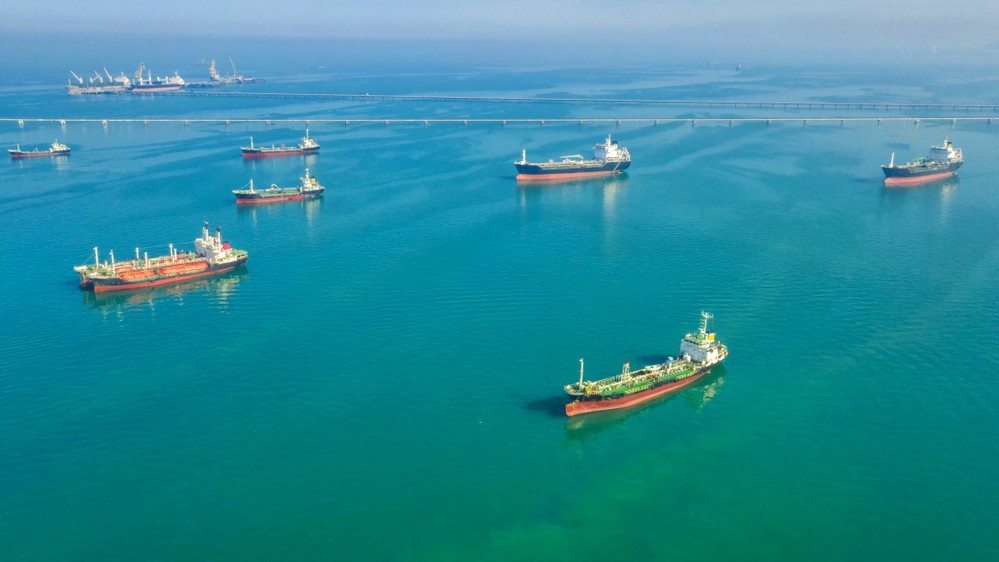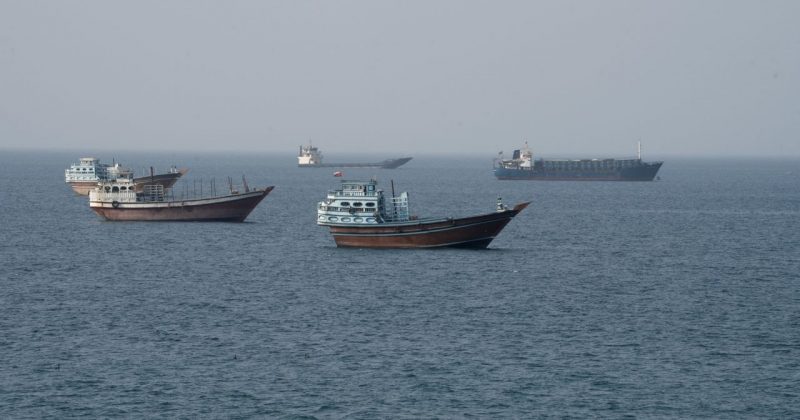
Iran has blacklisted 45 oil tankers for alleged transit violations in the Strait of Hormuz, a move that puts major Gulf energy shippers on notice and raises fresh questions about who actually controls one of the world’s most consequential waterways.
The announcement came from Iran’s newly formed Persian Gulf Strait Authority, a body Tehran established specifically to manage traffic through the strait and enforce compliance with its transit rules. The PGSA says violating vessels face fines, detention, and cargo confiscation. Ships that engage in transfers with blacklisted tankers risk getting added to the list themselves.
Who got hit and why it matters
The blacklist reads like a who’s-who of Gulf energy shipping. Saudi Arabia’s Bahri, the kingdom’s national tanker carrier, is named. So is ADNOC Logistics and Services, the UAE’s state-linked maritime arm, along with its Navig8 Tankers subsidiary. Norwegian operator Klaveness Ship Management, chemical tanker specialist Stolt Tankers, and South Korea’s Sinokor round out the list of named operators.
The vessel types affected span the full spectrum of global energy transport: Very Large Crude Carriers, LNG and LPG carriers, and clean product tankers.