By Charles Kennedy - Aug 24, 2026, 9:00 AM CDT
Iran says blacklisted vessels could face fines, detention and cargo confiscation, while ships dealing with them could also be listed.
The blacklist includes vessels linked to ADNOC Logistics & Services, Navig8 Tankers and Saudi Arabia’s Bahri.
The escalation comes as Hormuz traffic remains sharply depressed and Washington prepares new economic measures against Iran.
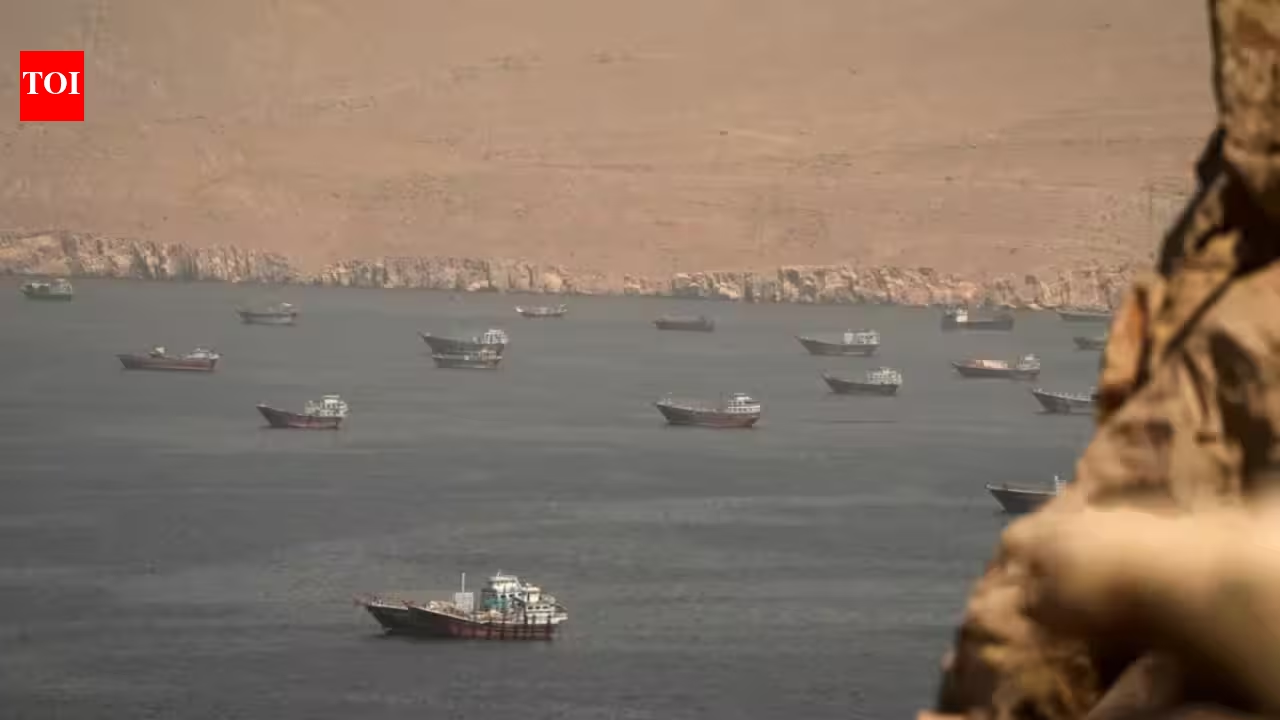
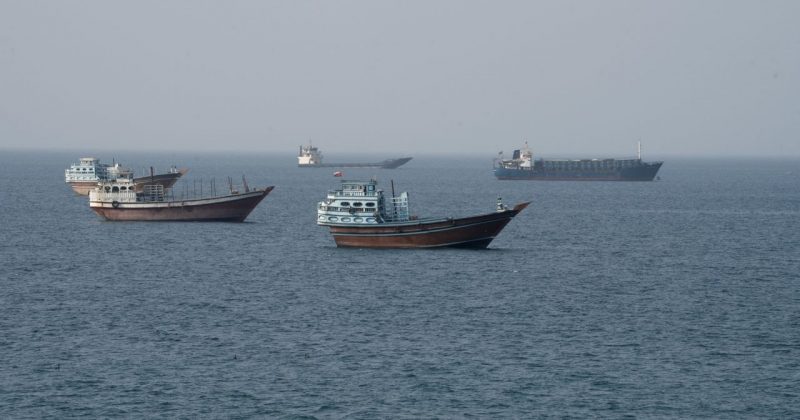
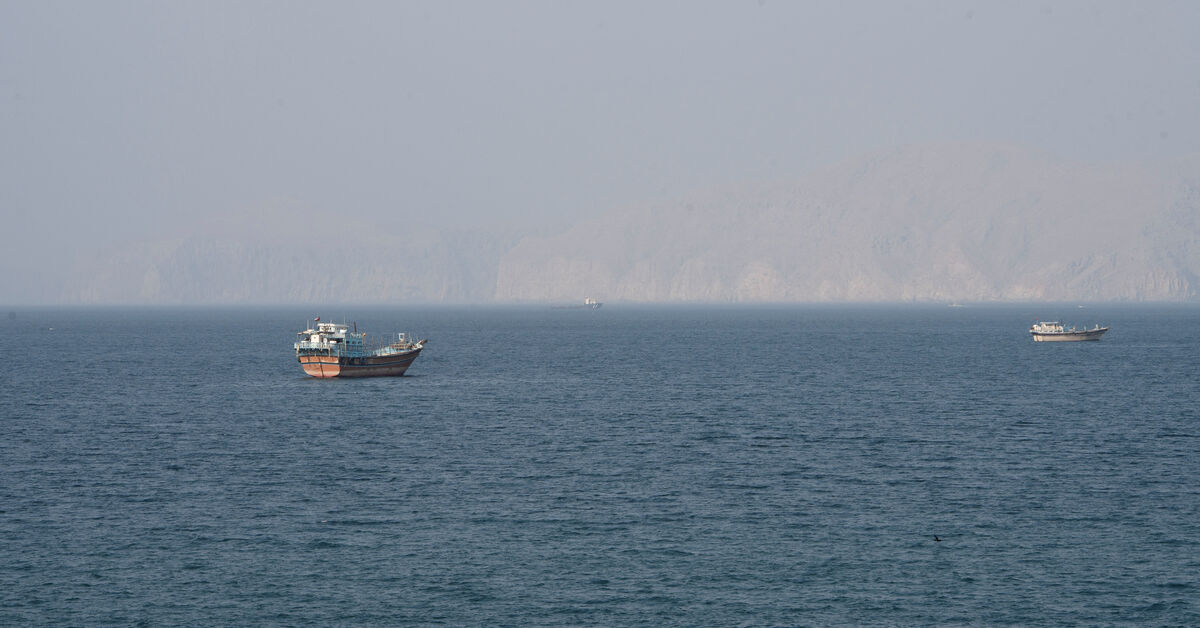
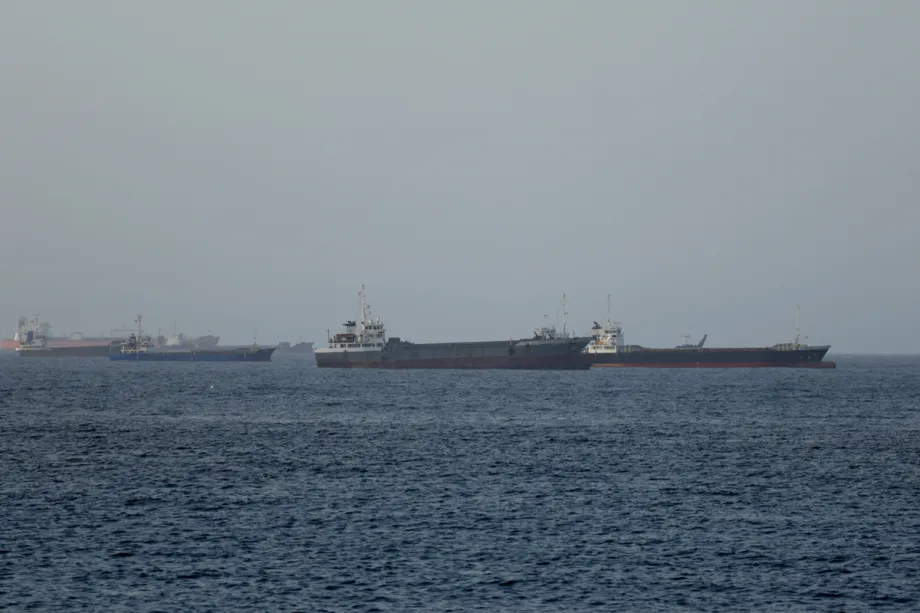
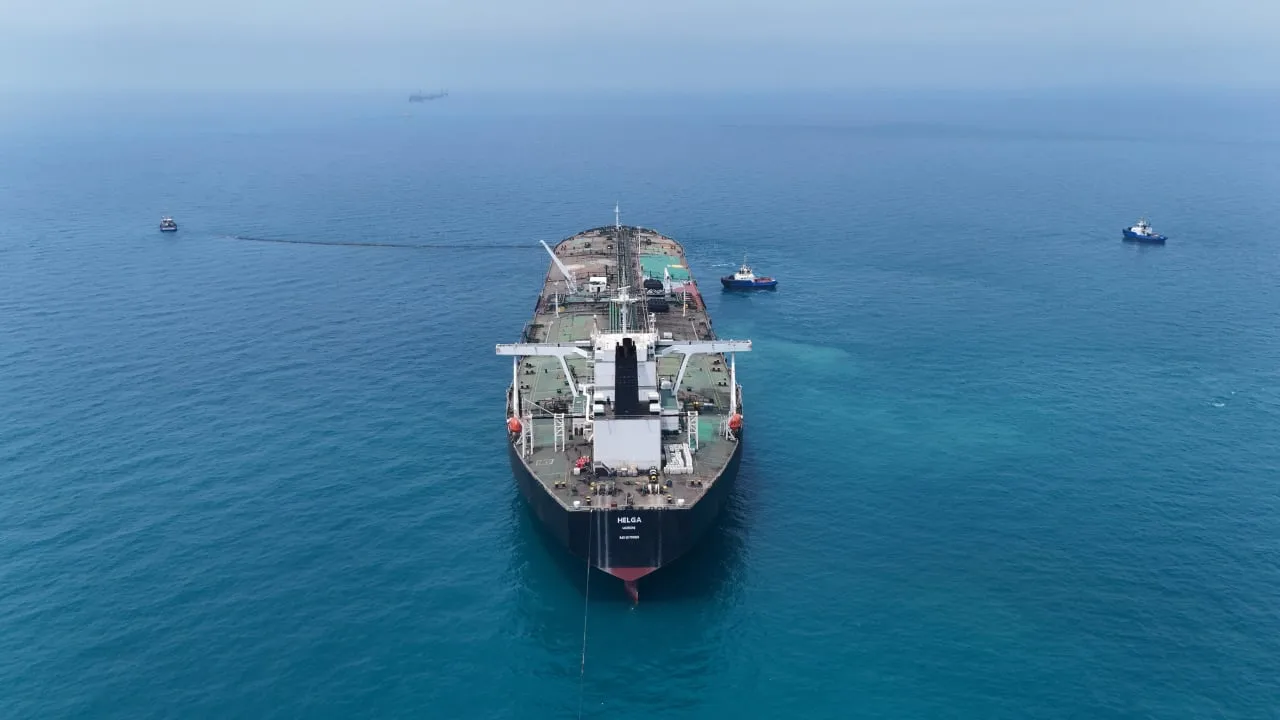
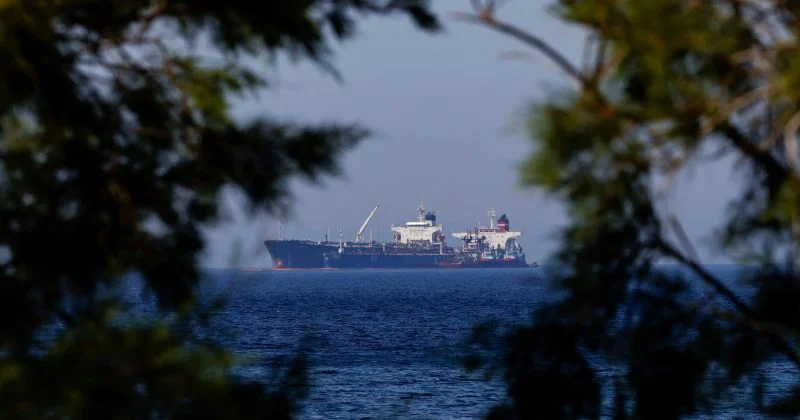
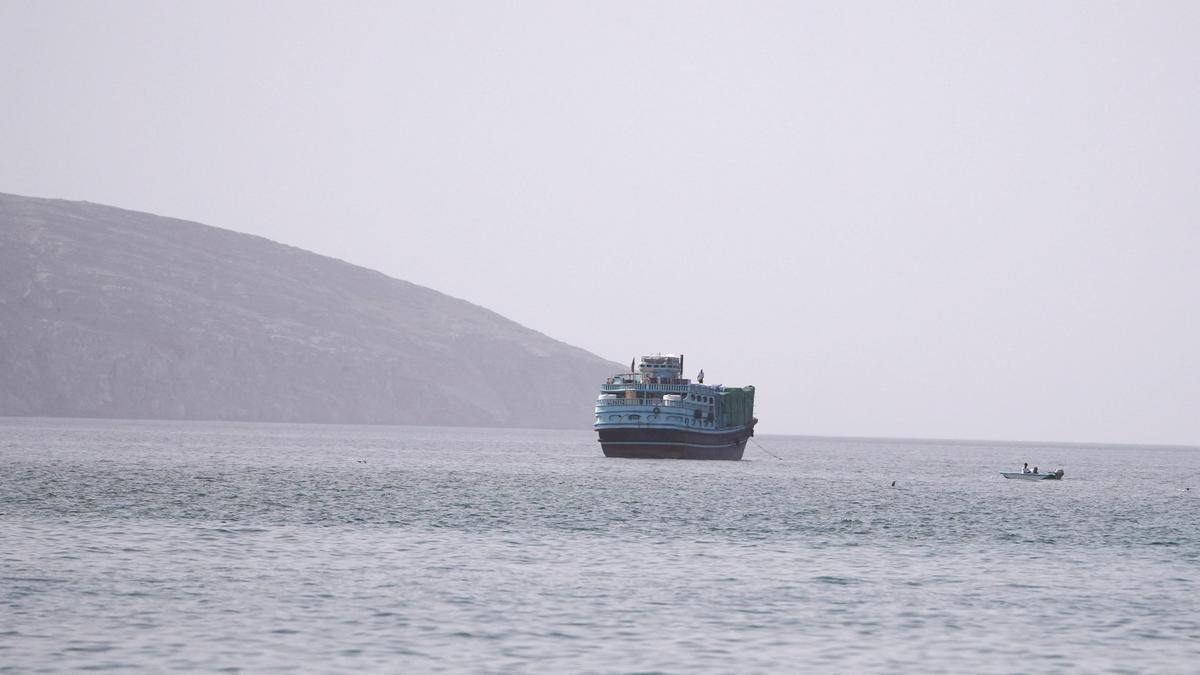
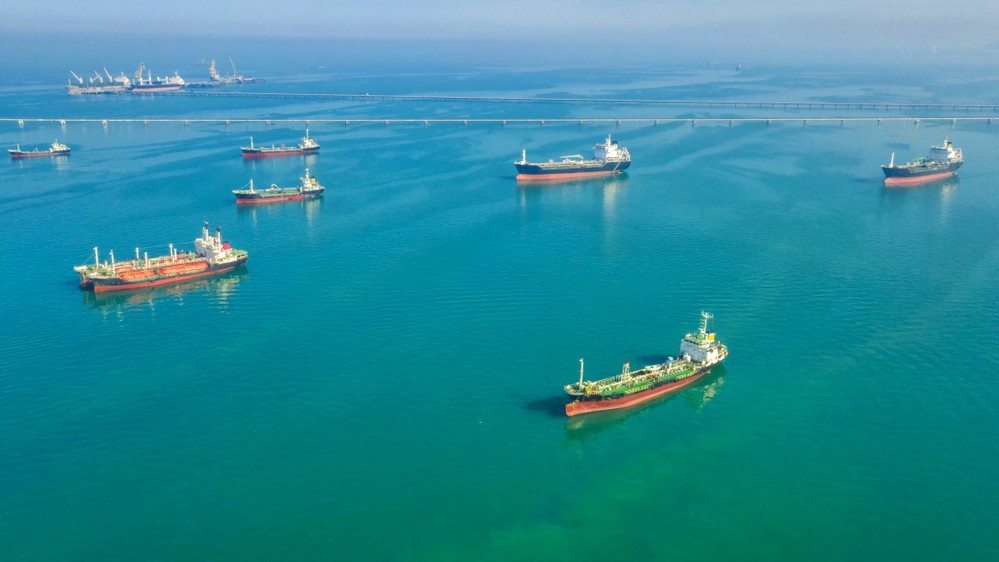
Iran has blacklisted 45 oil, LNG, LPG and product tankers using the Strait of Hormuz, threatening fines, detention and cargo confiscation as Tehran retaliates against Washington’s looming “economic D-Day.”The list includes vessels owned by shipping companies tied to two of the Gulf’s biggest oil producers, including Saudi Arabia’s Bahri and ADNOC Logistics & Services and its Navig8 Tankers subsidiary, according to Reuters.Iran’s newly created Persian Gulf Strait Authority said the 45 vessels had violated its rules governing passage through Hormuz. Tehran has previously demanded that ships obtain Iranian clearance before transiting the strait and has sought payments for security and other services.Iran is now threatening to extend the blacklist beyond those vessels, including targeting ships conducting ship-to-ship transfers with any of the 45 named tankers.Just four commodity vessels crossed the strait on Sunday after 13 on Saturday, according to Kpler data reported by Reuters. UK Maritime Trade Operations estimates AIS-detected traffic remains roughly 90% below pre-war levels.Before the Iran war, roughly 20% of global oil and LNG supply moved through Hormuz.Energy Secretary Chris Wright said Friday that the seven-day average of oil leaving Hormuz had climbed above 8 million barrels per day.Iran’s move follows its threat Sunday to prevent any oil from leaving the Persian Gulf if Washington proceeds with a new economic offensive against Tehran. Treasury Secretary Scott Bessent is due to unveil the new measures later on Monday.Washington’s threatened “economic D-Day” may also have fewer Iranian barrels left to target. Bloomberg reported Monday that Iranian crude shipments to Asia have already all but dried up, even before the new U.S. measures are announced. Bessent has yet to say where the next round of economic pressure will fall.By Charles Kennedy for Oilprice.comMore Top Reads From Oilprice.comOil Prices Slide 2% as Markets Brace for Bessent’s ‘Economic D-Day’Iraq Wants to Double Oil Output—and Needs OPEC to Get Out of the WayChina’s Oil Imports Set to Rebound as Refiners Hunt for New Supply