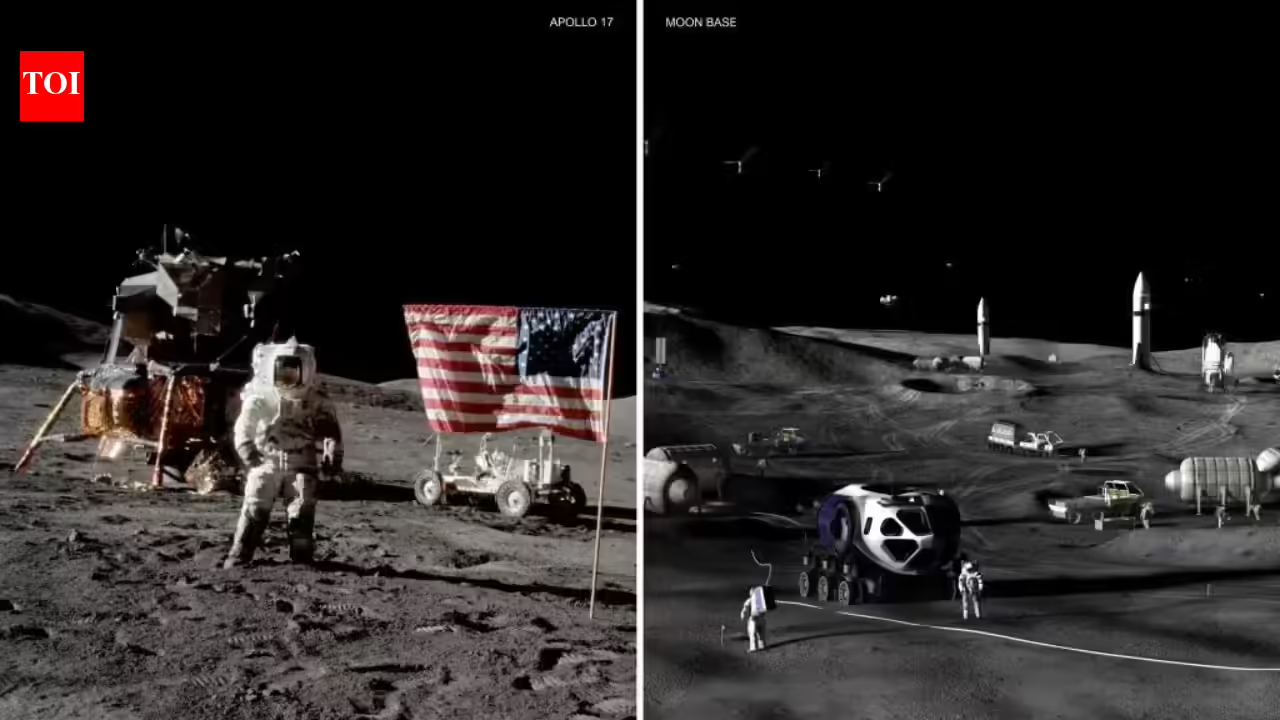
After NASA astronauts landed on the moon in 1969, their achievement bore decades’ worth of fruit, including scientific discoveries and a strategic national security advantage.
Now — with plans to revisit the moon and eventually Mars — the United States is counting on a return.
“I am often asked why we send our astronauts into such a harsh, dangerous, unforgiving environment as space or the lunar surface and at such great cost,” NASA Administrator Jared Isaacman said during a May press conference. “We go for the technology we will pioneer to get there, the science and all we might learn that will make life better back on Earth … and to be very clear, to master the skills for where we will inevitably go next.”
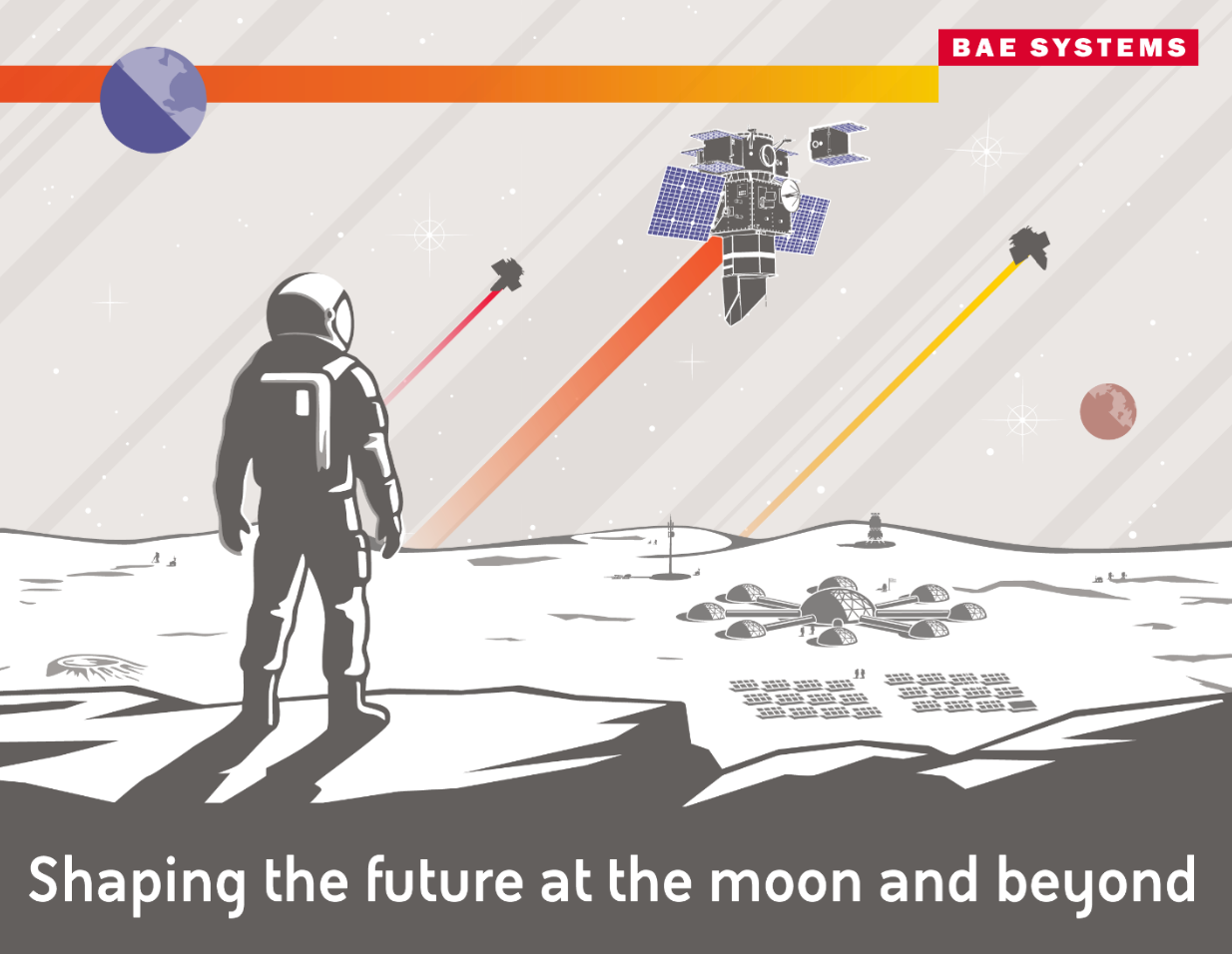
It’s a grand vision: accelerate and expand cislunar exploration as bedrock for a booming cislunar economy, the yields from which will improve life on Earth and fuel a new era of deep-space missions and strategic national security advantage.
“Making that dream a reality will require commercial partners that have proven experience, advanced technology and skilled workers. That formula can help the United States maintain its competitive advantage in space,” said John Troeltzsch, Exploration Architect at BAE Systems.