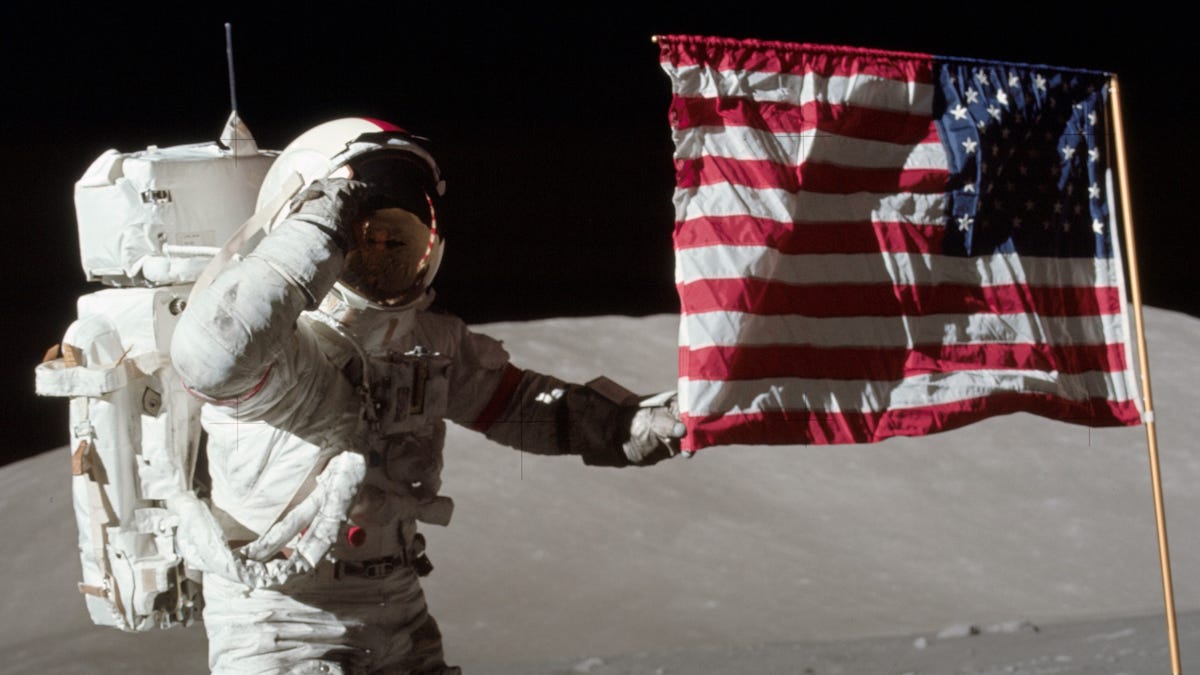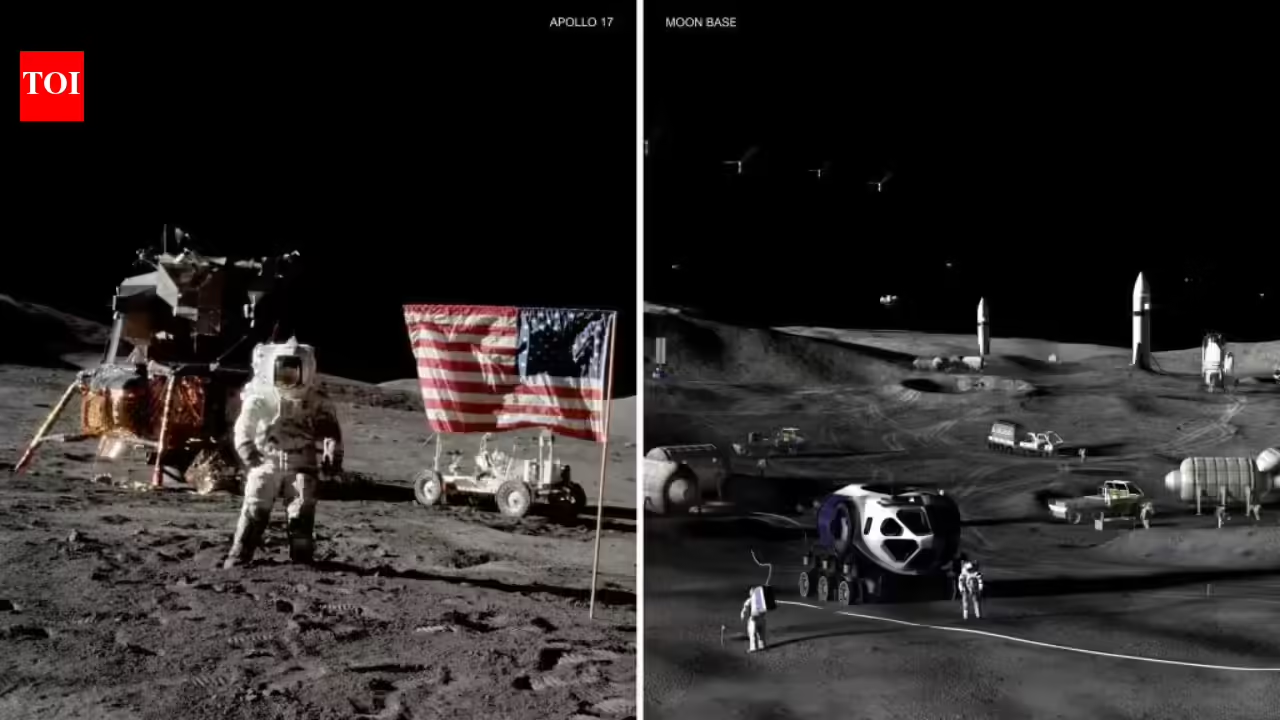
Humans have always gazed up at the moon in wonder. A generation ago, NASA astronauts did the extraordinary and touched down on its surface, planting an American flag and igniting the world’s imagination for what space exploration could be.
In the decades that followed, our focus shifted. We built the International Space Station, and extended our reach into low Earth orbit (LEO). The moon, for a time, once again felt distant — something we had visited but not returned to.
But that chapter is over — and a new era of returning to the moon has begun.
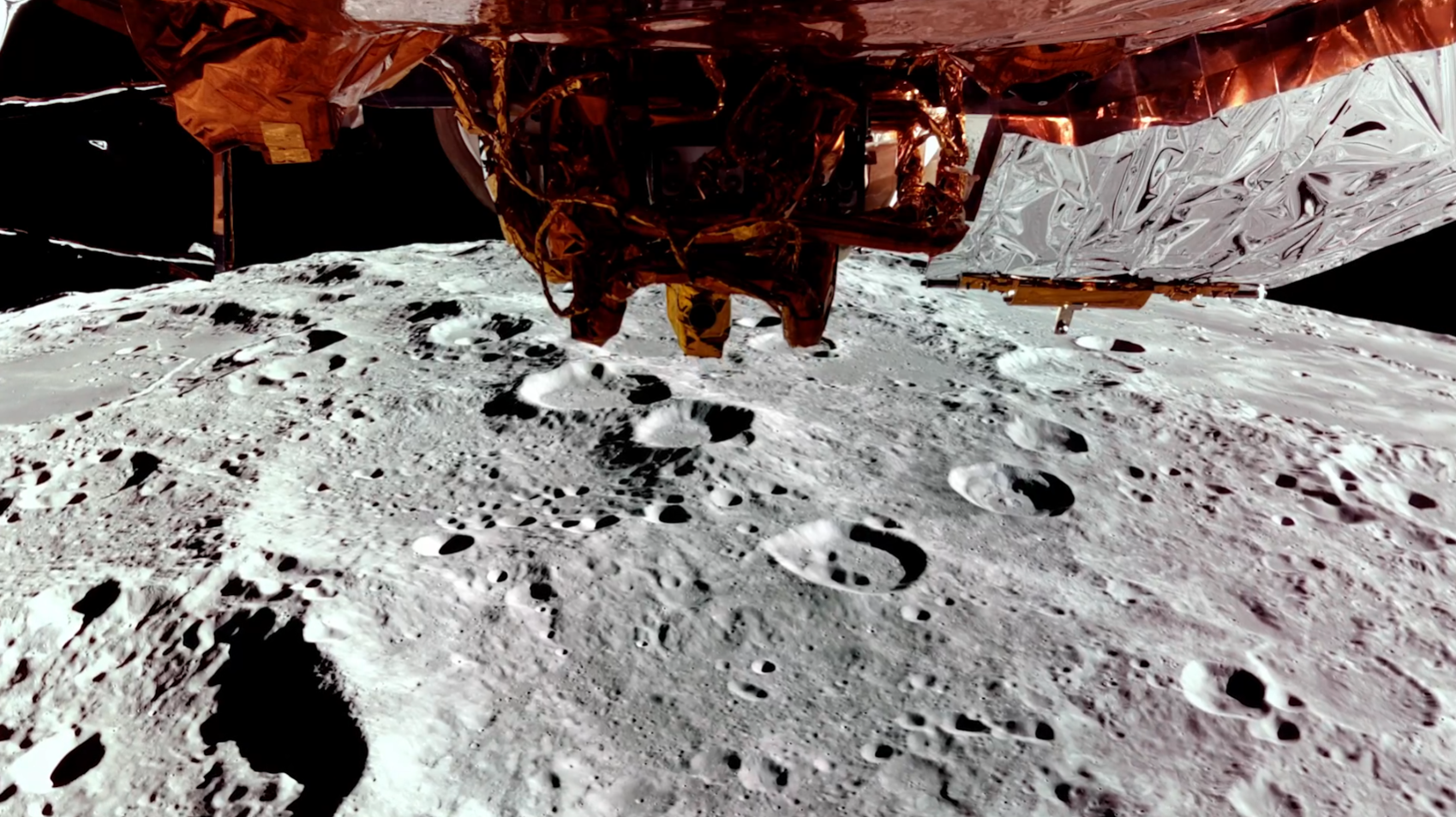
America’s Artemis 2 astronauts just completed the first crewed lunar orbit in 50 years. This came after NASA’s Commercial Lunar Payload Services program celebrated breakthrough missions by Firefly’s Blue Ghost, and the world watched SpaceX take its company public. While the public tunes into this new space race, NASA and commercial space companies are already deeply involved — and it is increasingly clear that the moon is the great prize.
The moon is no longer just a place of scientific curiosity. It’s America’s next great economic frontier. Its surface may hold valuable resources, including water ice that can support sustained human presence, along with potential deposits of hydrogen, helium-3 and other materials that could enable entirely new industries beyond Earth.