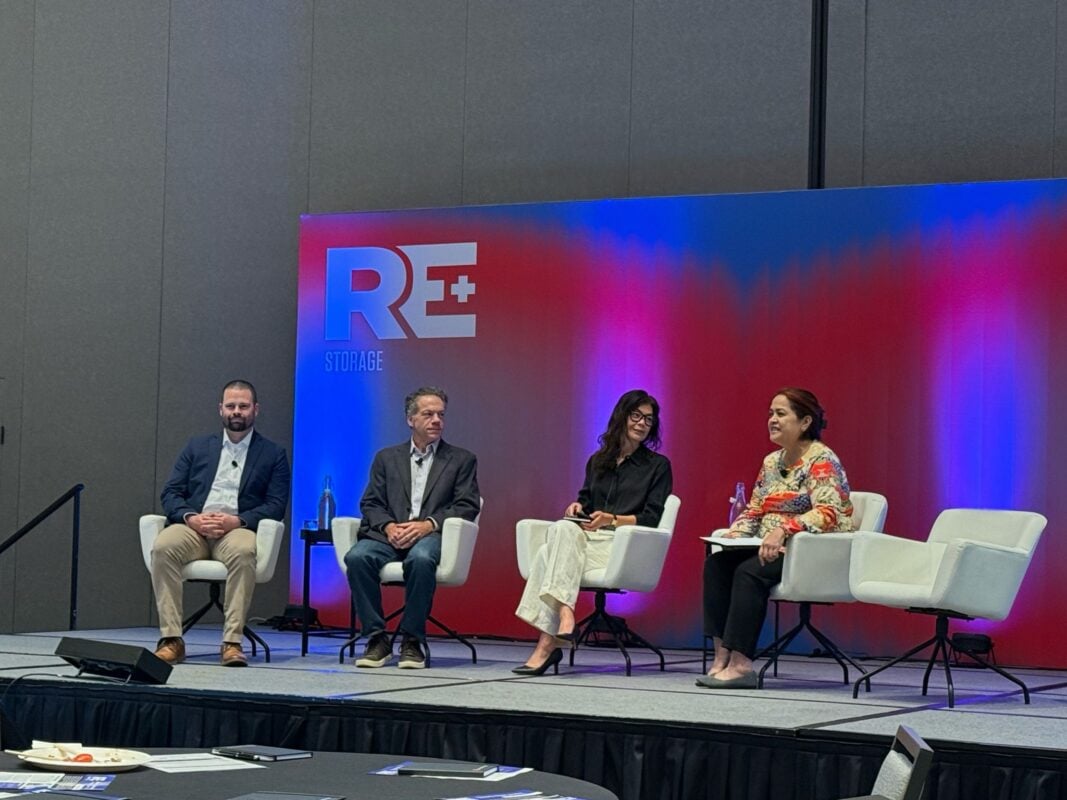
Energy-Storage.news: What do you see as the biggest barriers to energy storage adoption in California today?
Scott Murtishaw: The biggest obstacle to energy storage by far in California at this point is local opposition and misunderstandings of the true safety implications of energy storage.
California, as an early adopter, has largely figured out and implemented the big-picture policies that need to be in place for energy storage to serve a meaningful portion of the energy supply portfolio in the electricity sector.
We’ve learnt how to integrate energy storage into our wholesale market. We now model energy storage more accurately for long-term planning. The California Public Utilities Commission’s (CPUC’s) rules and decisions have led to the procurement and growth of energy storage from less than 1,000MW total in the state before 2020 to 21,000MW currently.
In that sense, the energy storage industry is succeeding wildly in California. The growth has been phenomenal. The problem now is that in the wake of two of the largest energy storage fires in the world occurring in California (IPP LS Power’s Gateway facility and Vistra Energy’s Moss Landing facility), there is much more fear of still a relatively new technology, and a lack of understanding that the technology and the way we develop the systems has changed substantially just in the past five to six years.