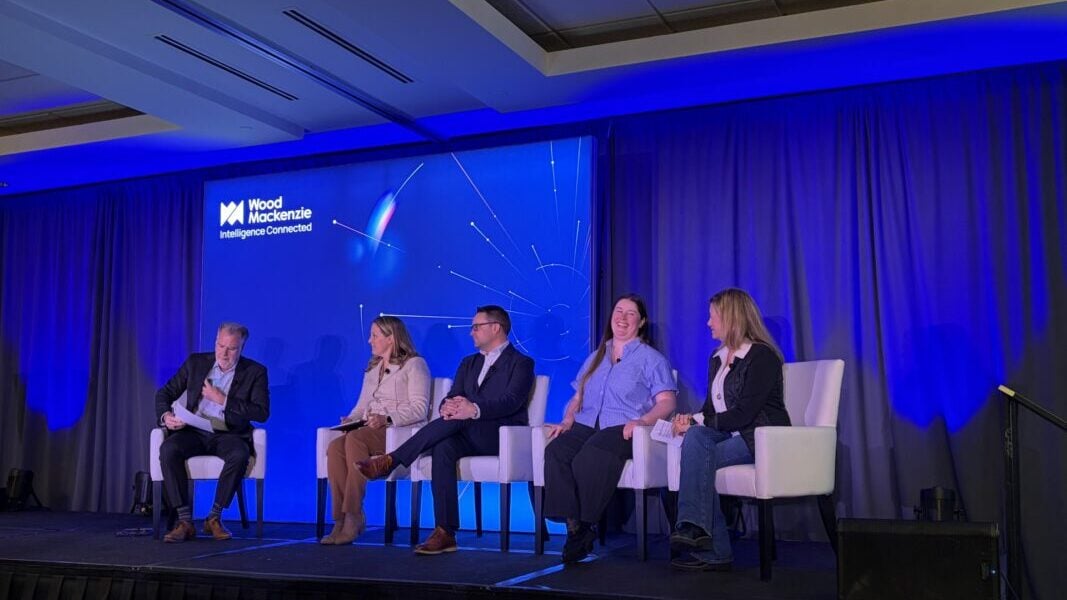
This approach requires significant time investment. “You’re going to have to have 20 or 30 of these meetings with people, and put the time in. But then, if you do that up front, every one of them is going to become a well-educated little advocate for your project,” Baduna explained.
Burke noted that Pattern Energy prioritises outreach to supporters. “Going to supporters first—the folks, the groups that you know will support your project, go to them first, get them informed. Definitely, the fire marshal, fire department is one of the first, if not the first, stakeholder that we’re reaching out to.”
Palmstrom agreed on timing: “As early as possible. Being at city council meetings, engaging with local public figures, getting feedback right away on what the community is, how they’re going to respond to this.”
The panelists reported hearing similar questions and concerns from community members across different projects and regions.
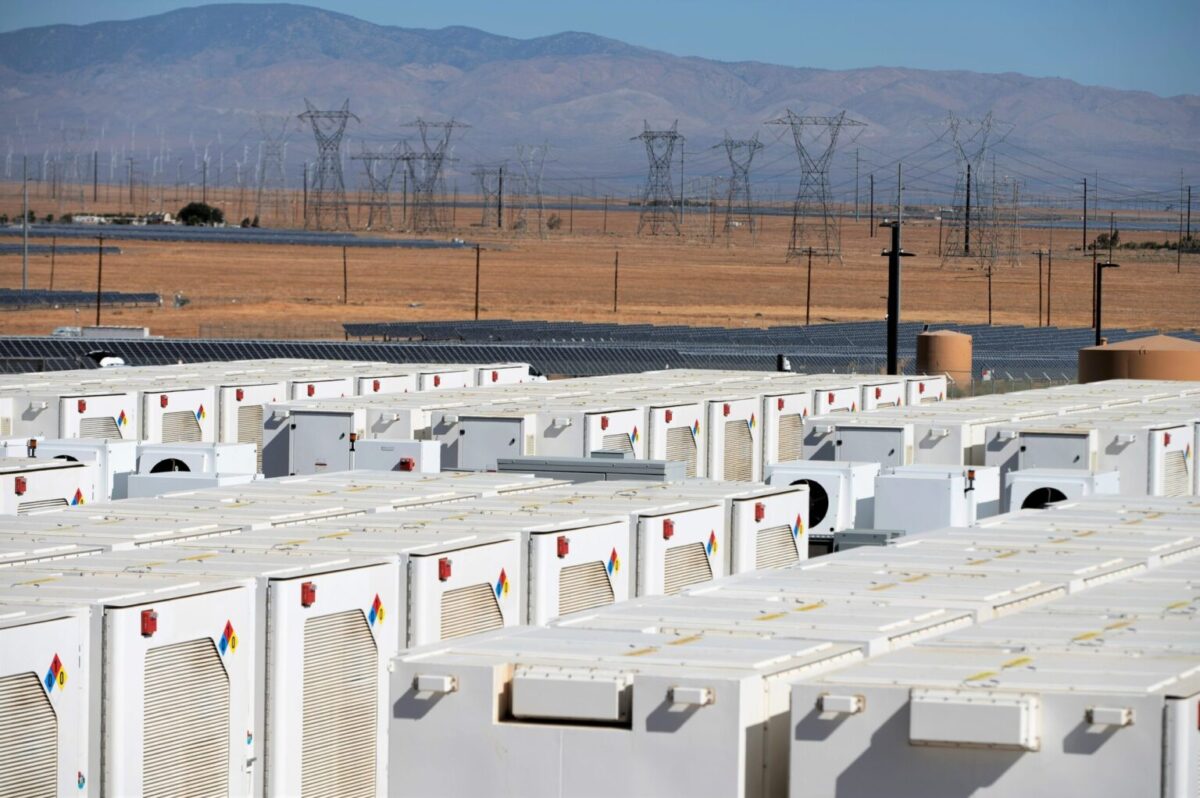
“Some of the things that we’re hearing in terms of opposition is it’s going to lower property values. It’s going to release toxins into the air, into the soil. It’s going to be this big, ugly site that everyone’s going to have to look at as they’re driving by,” Palmstrom said.