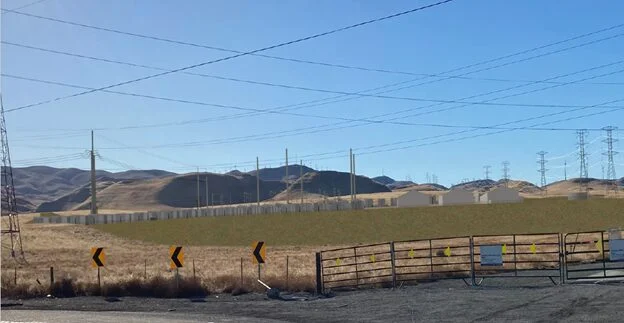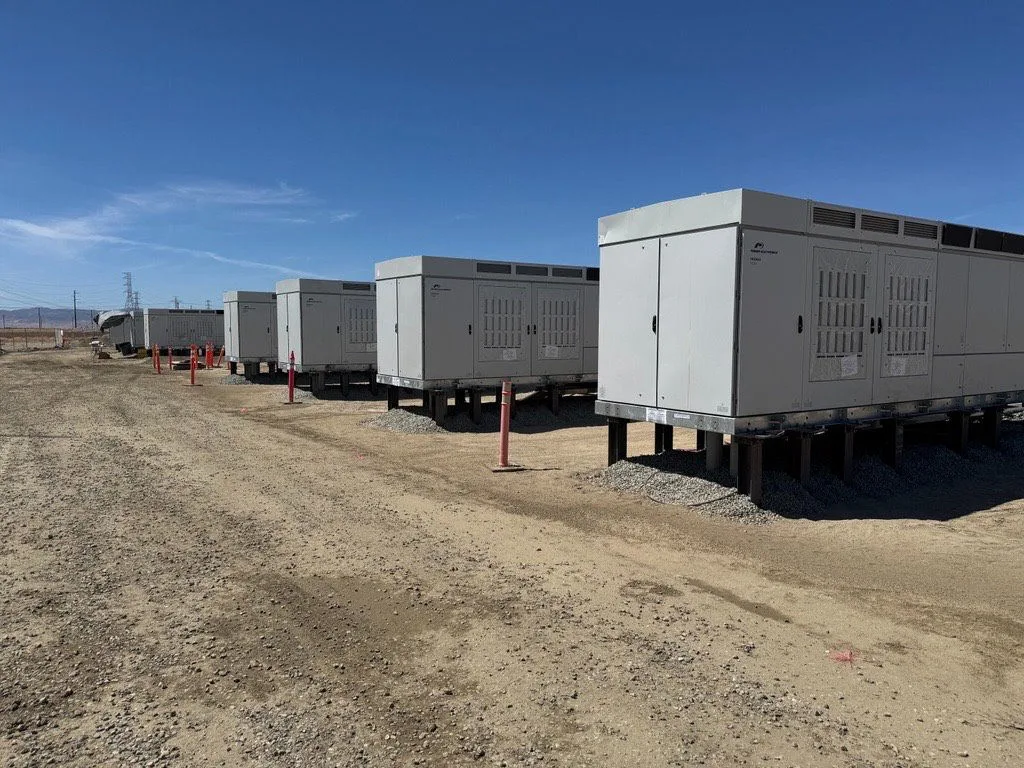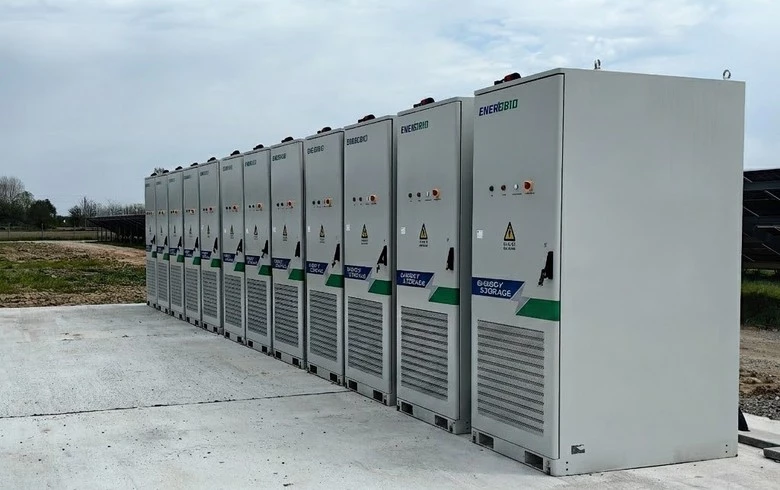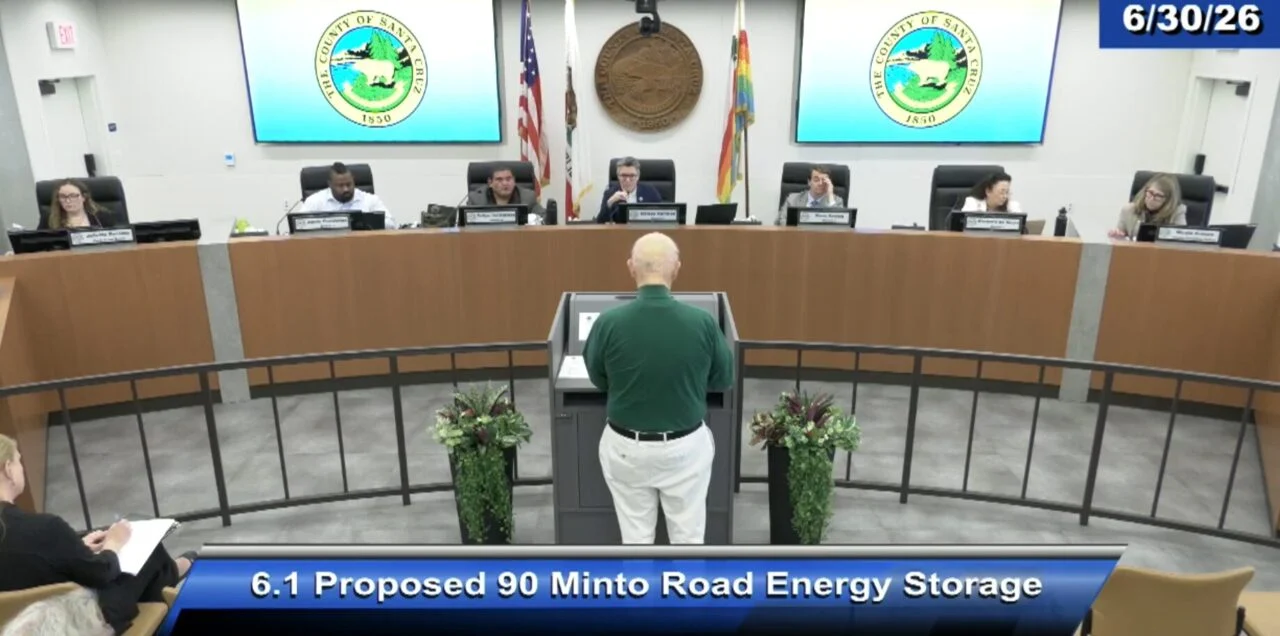
The company withdrew its county application and submitted a new filing directly to the CEC in early June, utilising the Opt-in Certification Program, a state certification pathway that supersedes local land use authority.
A 2022 state law expanded the CEC’s jurisdiction to encompass battery storage facilities exceeding 200MWh capacity, enabling developers to bypass local permitting processes in favor of direct state authorisation.
While the commission incorporates community input during project evaluation, ultimate approval authority rests with state officials rather than local governments, a dynamic that has generated opposition among those who prioritise municipal control over land use decisions.
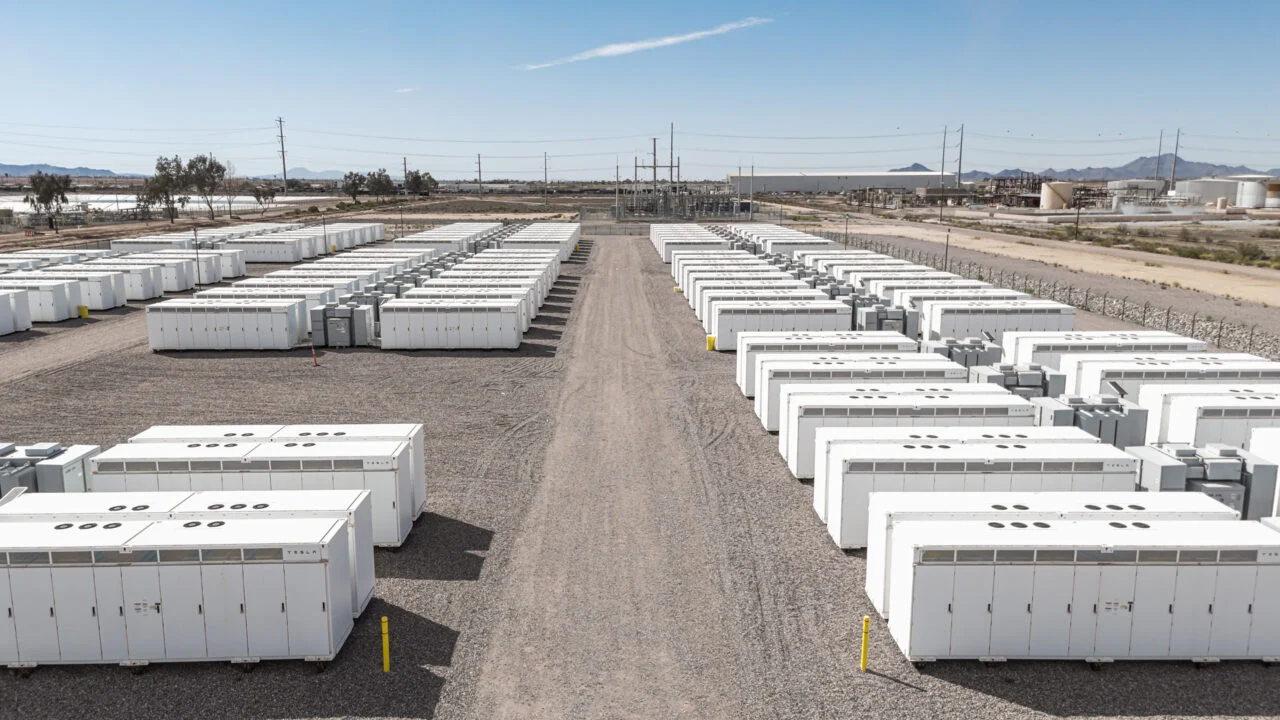
This effectively removes the project from county oversight and places decision-making power with state regulators. So far, the CEC has approved two solar-plus-storage projects and one standalone BESS project through the optional permitting scheme, the most recent being Potentia-Viridi, a 400MW/3,200MWh BESS project from a subsidiary of Clearway Energy Group.
Potentia-Viridi was approved in late May, while the only other standalone BESS to be submitted through Opt-in, Engie’s Compass Energy Storage 250MW/1,000MWh BESS, was withdrawn by the project developer. Although Compass Energy Storage had drawn more than a thousand negative public comments, European energy major Engie said it had withdrawn the project in January due to commercial reasons based on market forces.