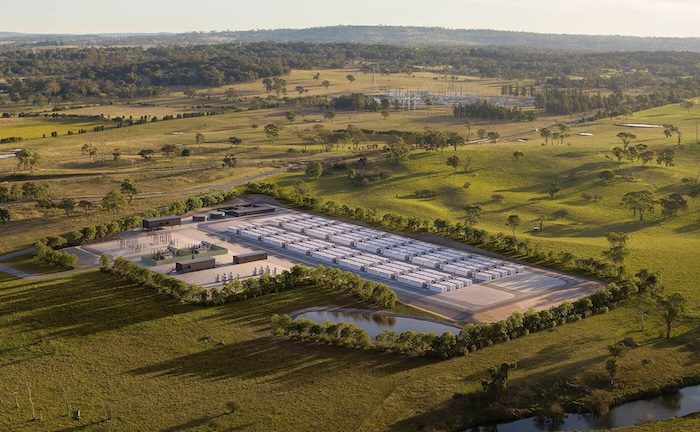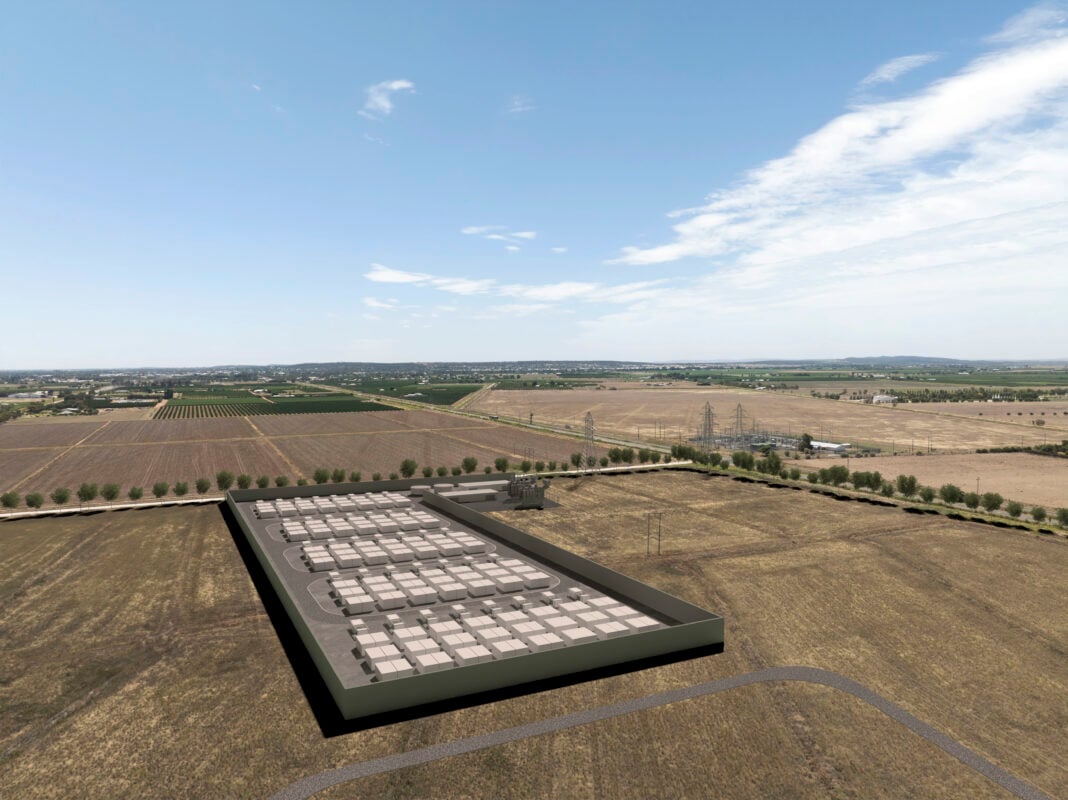
According to the EPBC Act submission, the site sits on agricultural land with the nearest dwelling approximately 500 metres away, and the referral notes the land is not within a declared irrigation district, a state-significant watercourse, or land identified as having state-significant landscape or agricultural value.
The project is designed for a 30-year operational lifespan, with battery cell replacements anticipated at the end of the 20-year warranty period of the original units.
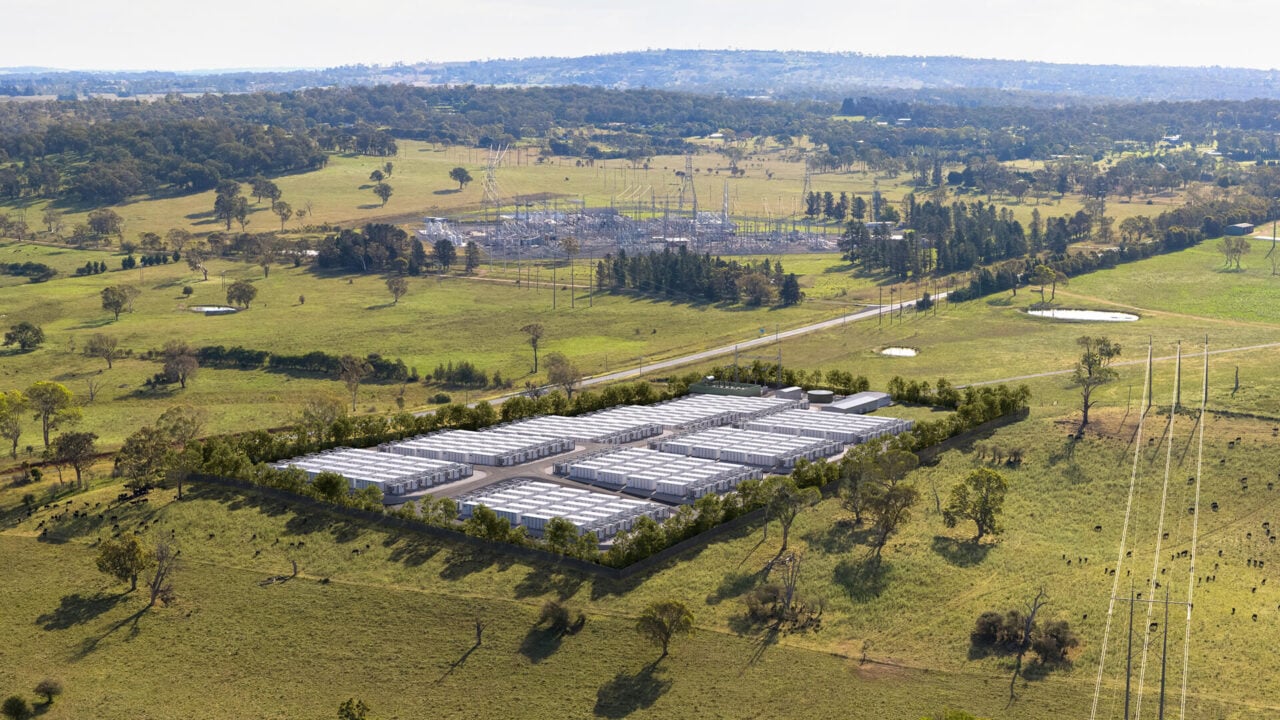
The second project, the Wongalea BESS, is proposed near Armidale in northern New South Wales (NSW), with a 137-hectare project area spanning nine land parcels and the adjacent section of Waterfall Way.
According to official documents, the facility will connect to Transgrid’s existing Armidale Substation via a 1.5km underground 132kV cable. The disturbance footprint covers up to 42 hectares, though actual development is expected to disturb only around 10 hectares, with temporary laydown areas to be returned to agricultural grazing use following construction.
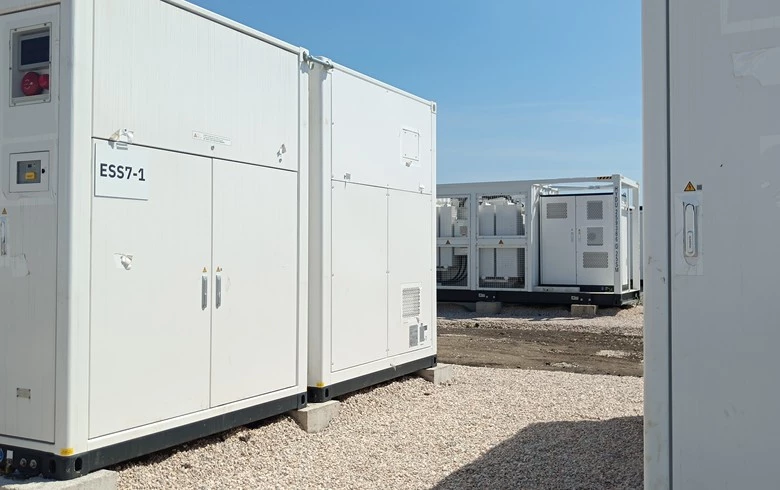
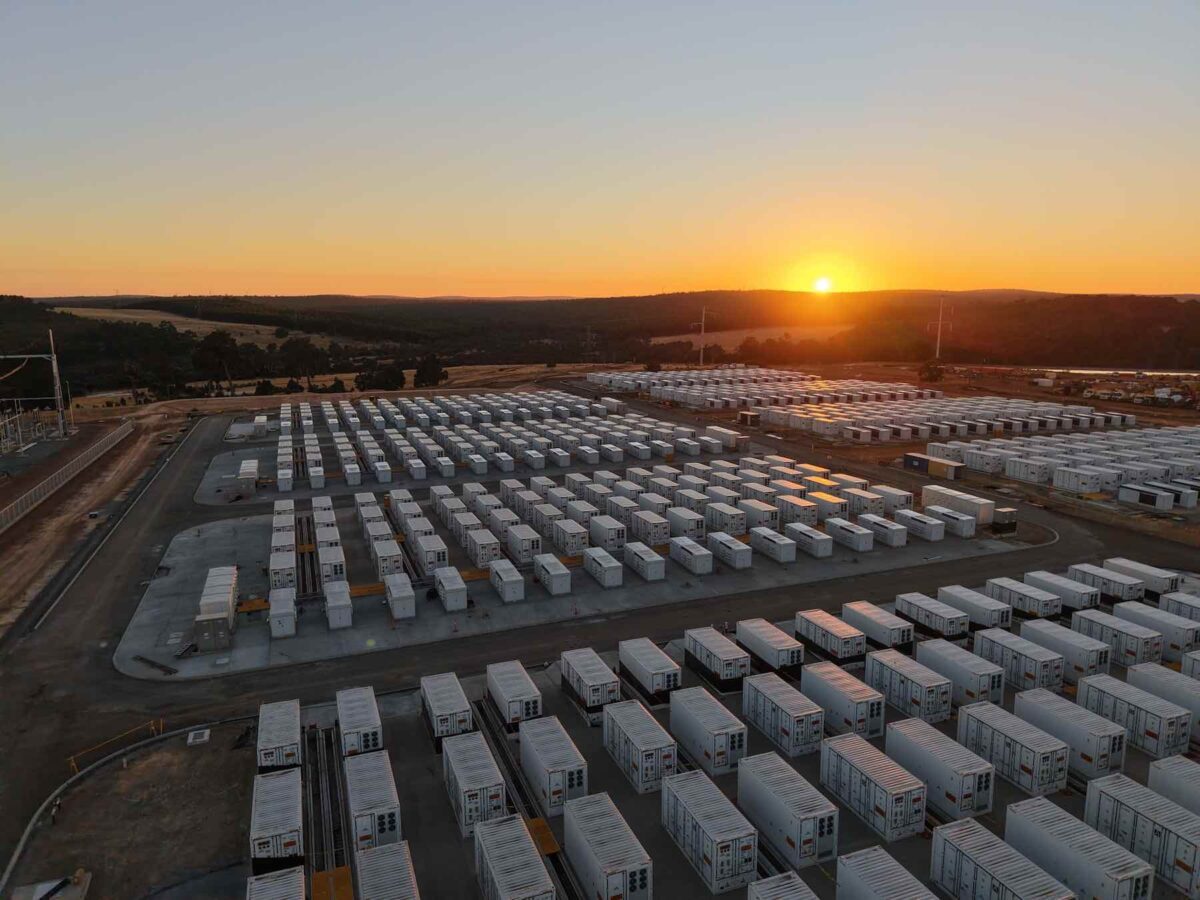
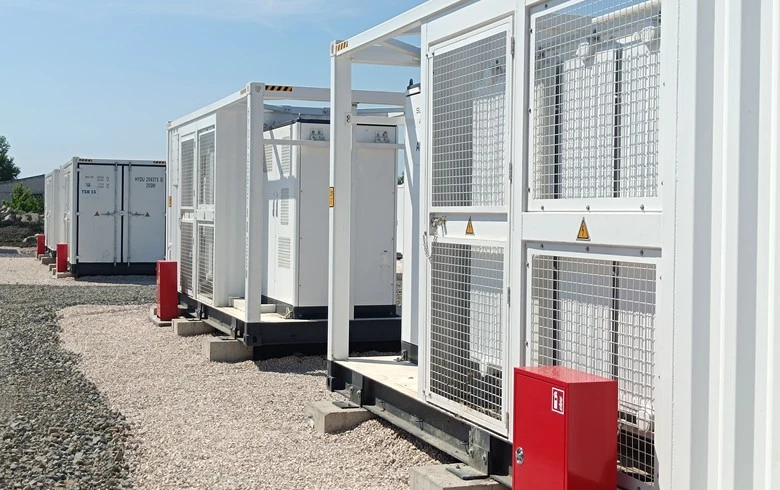
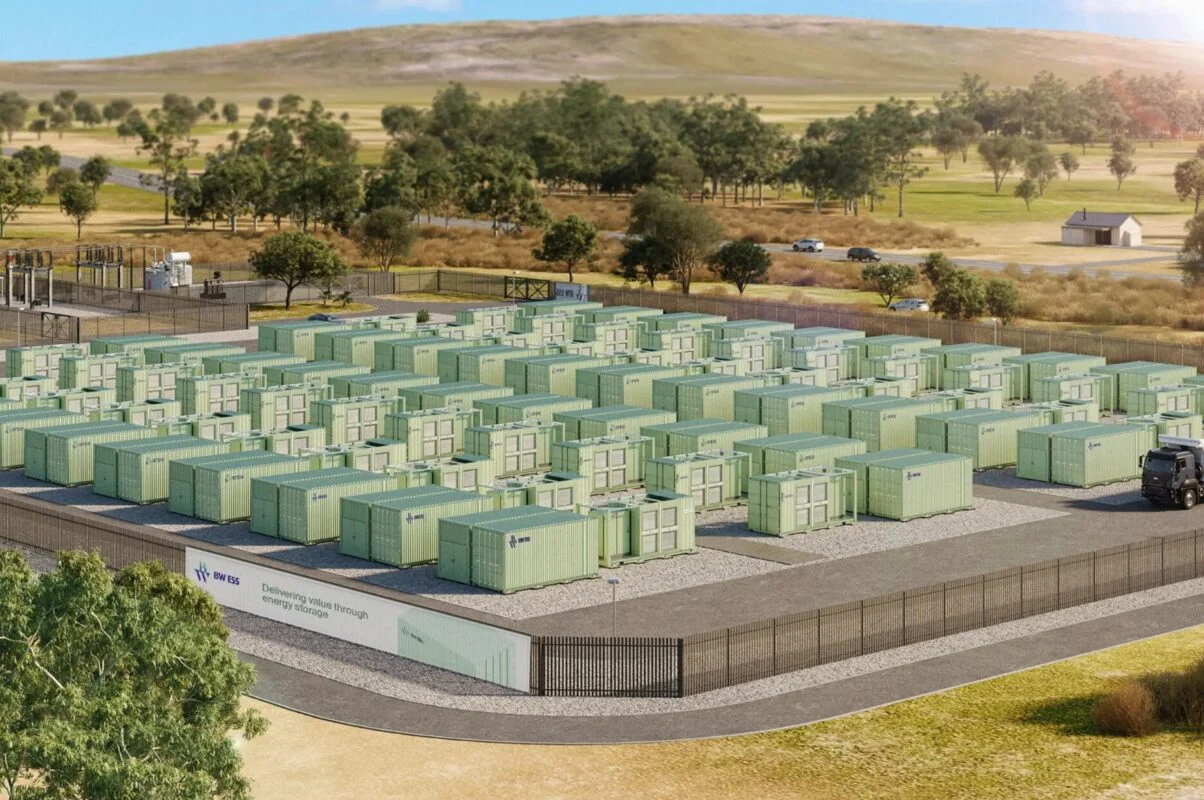
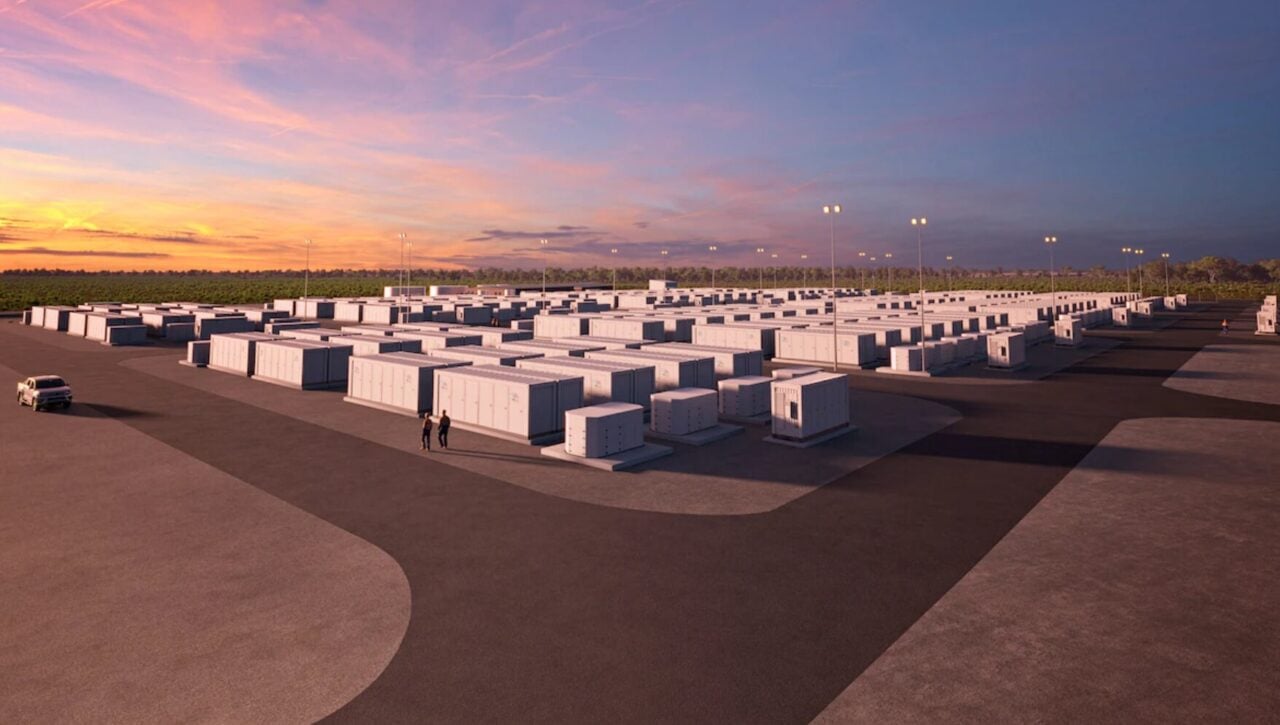
The project will feature approximately 288 battery units and is designed for a 20-year operational life, with associated infrastructure including inverters, an on-site substation, a detention pond for stormwater and fire-fighting infrastructure.