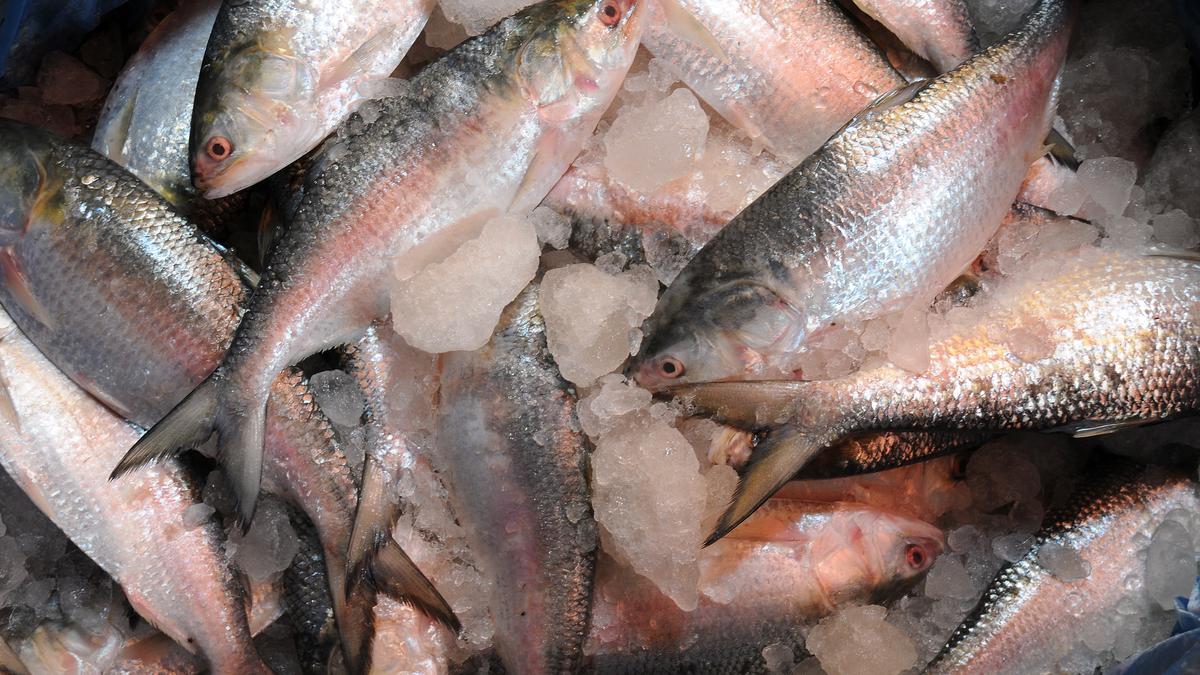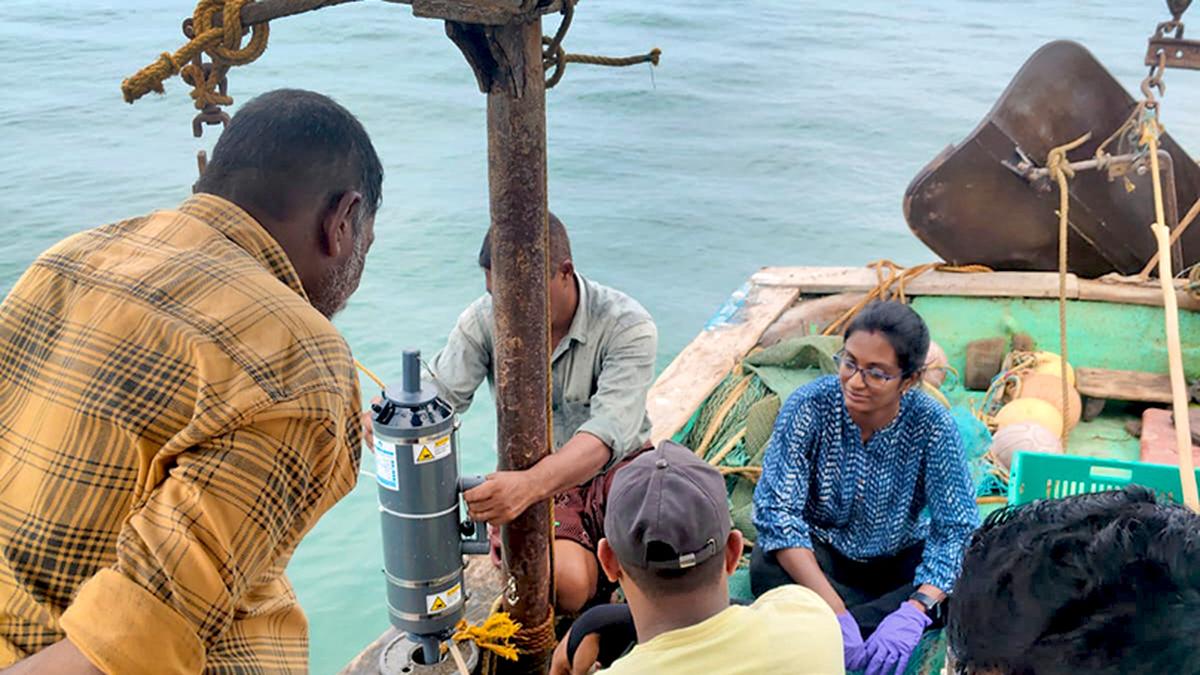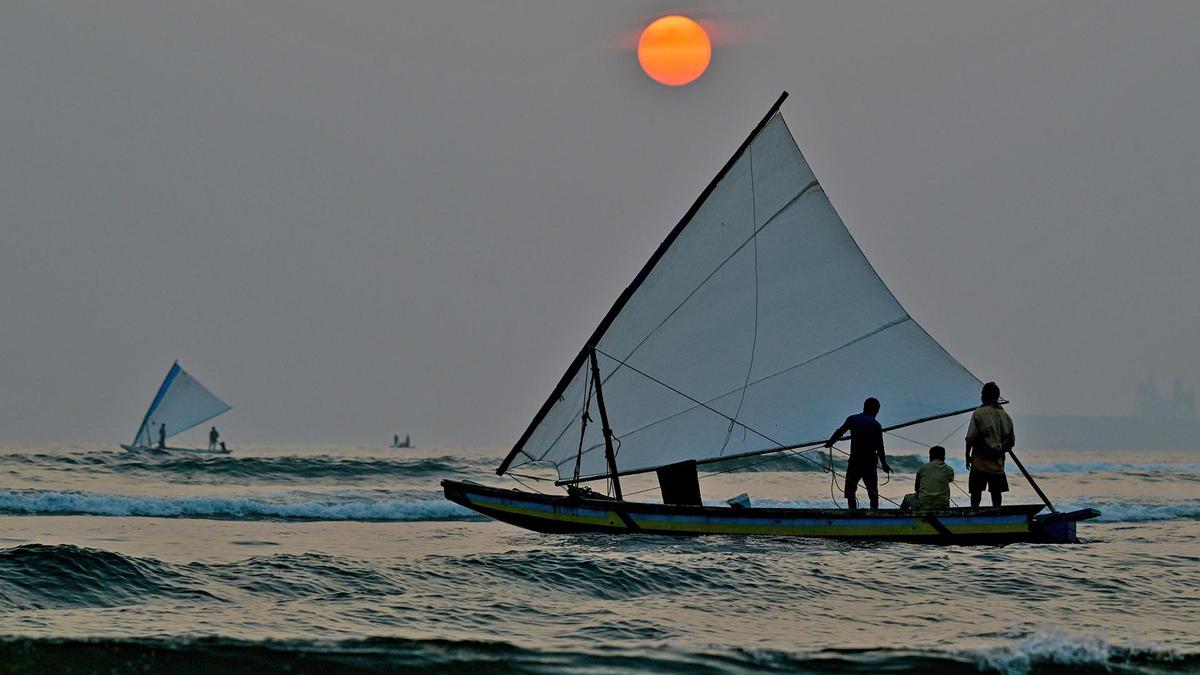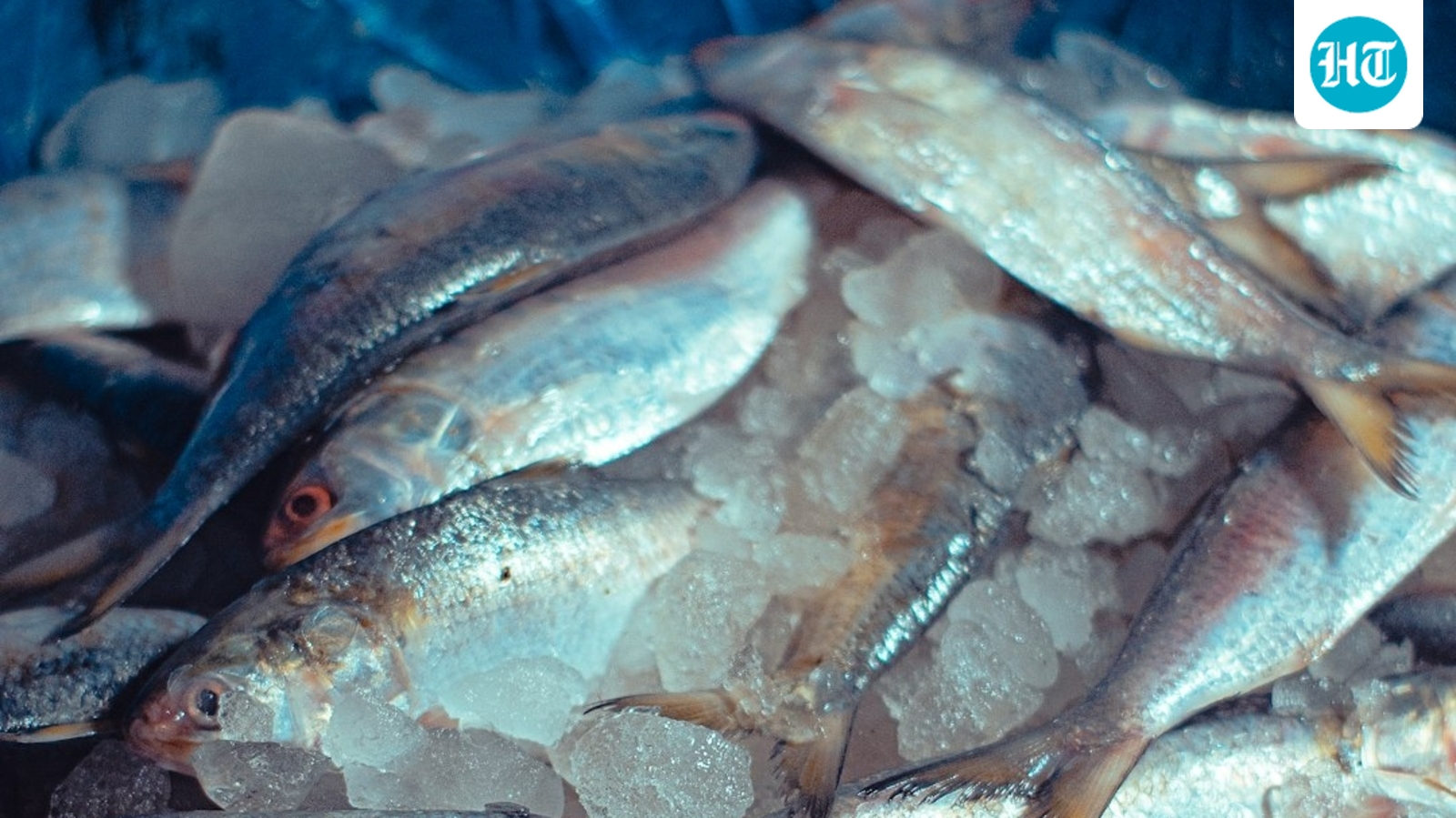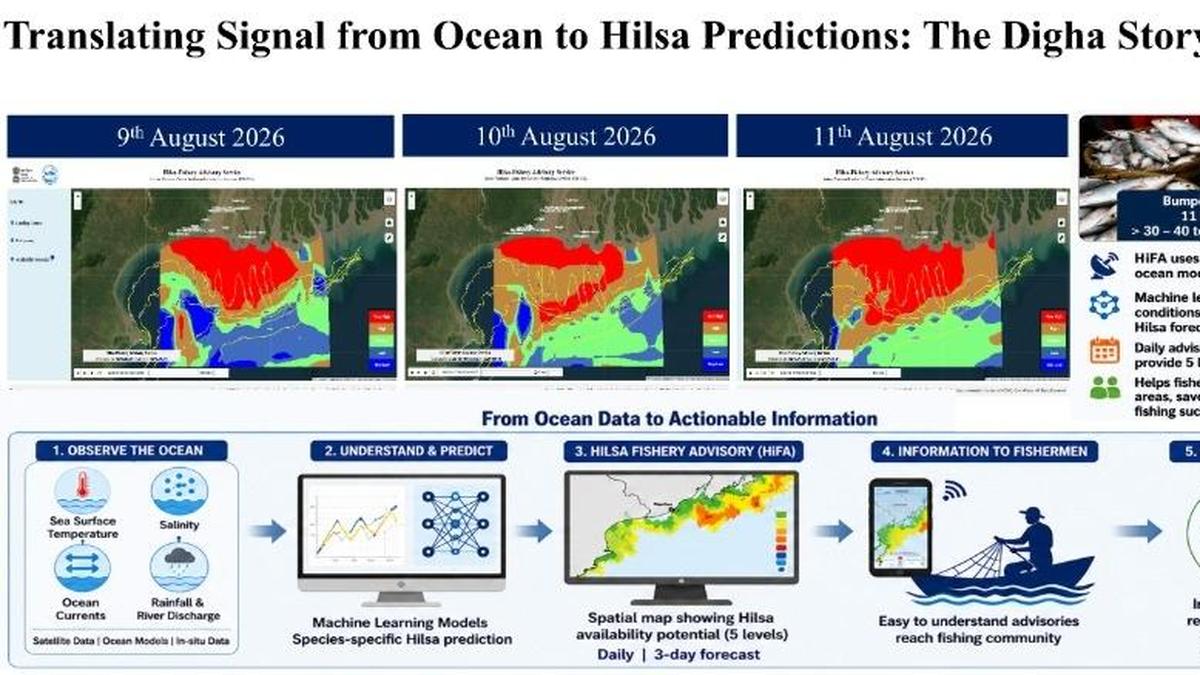
Earlier this month, on August 11, fishermen returning to the Digha coast of West Bengal brought back an exceptionally large haul of Hilsa fish, with landings estimated at 30-40 tonnes in a single day. The bumper catch generated excitement not only among fishing communities but also scientists hundreds of kilometres away at the Indian National Centre for Ocean Information Services (INCOIS) here.The record haul appeared to validate the effectiveness of INCOIS’s species-specific Hilsa Fishery Advisory (HiFA), a forecasting system designed to help fishermen locate favourable fishing grounds for the prized fish.Launched last year during INCOIS’s Foundation Day celebrations, HiFA was developed primarily to support fishermen along the West Bengal coast. The advisory uses advanced machine learning algorithms to predict Hilsa availability at sea and categorises fishing prospects into five levels: very low, low, medium, high and very high.“The advisory leverages advanced machine learning algorithms to predict Hilsa availability at sea. These daily forecasts provide a three-day outlook, helping fishermen quickly identify potential fishing zones,” said INCOIS Senior Scientist Sudheer Joseph.
A fisherman sorts freshly caught 'hilsa' fish before sending them to the local market for sale, in Diamond Harbour, South 24 Parganas, West Bengal, Monday.