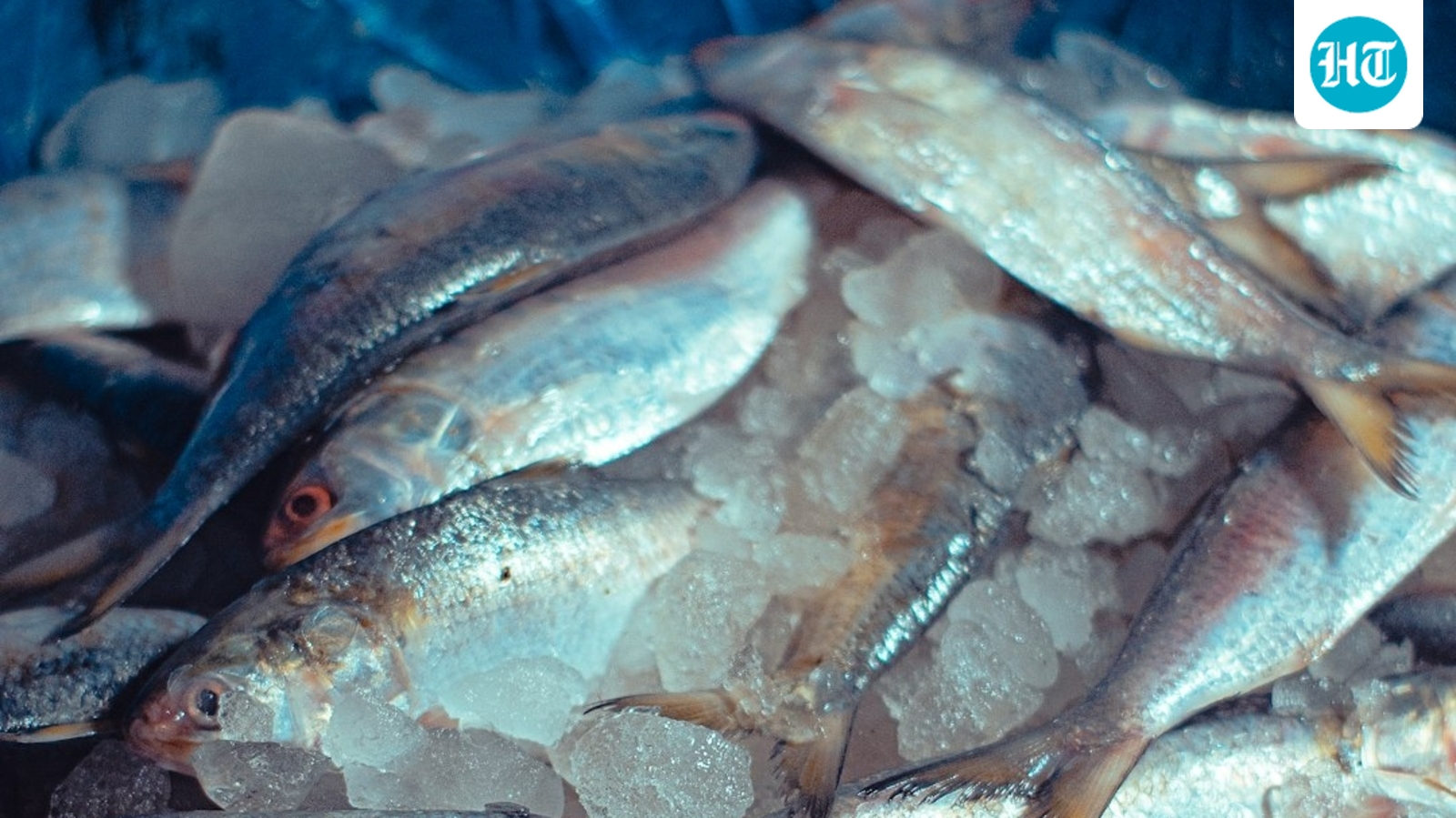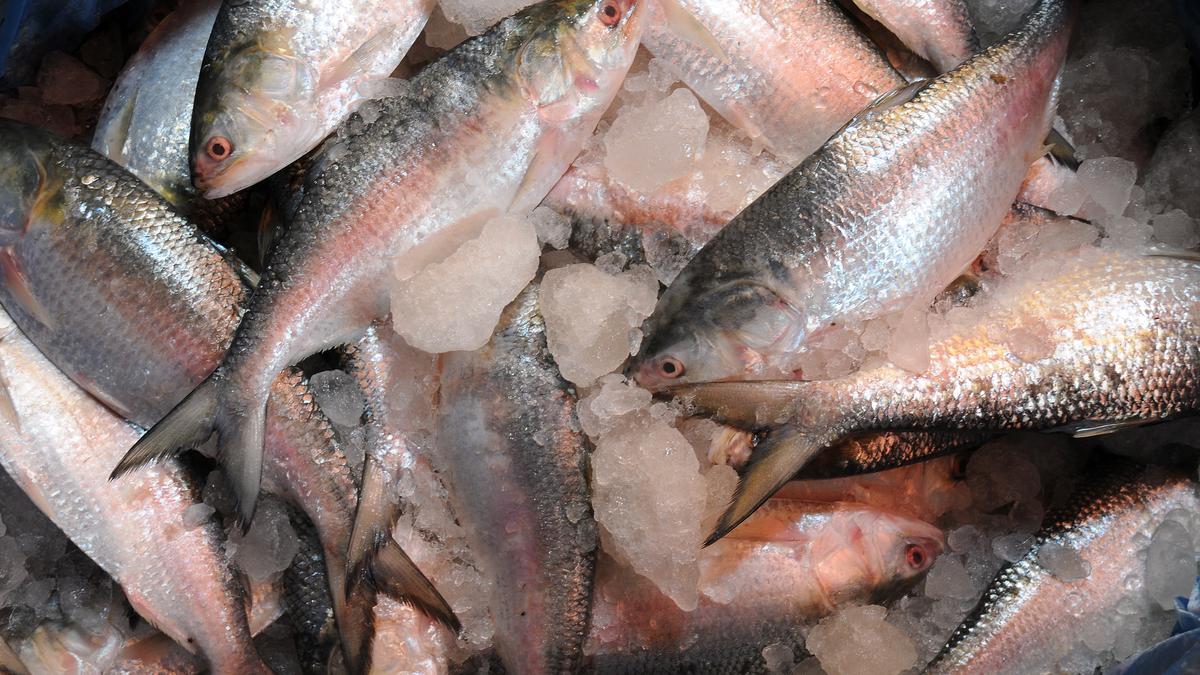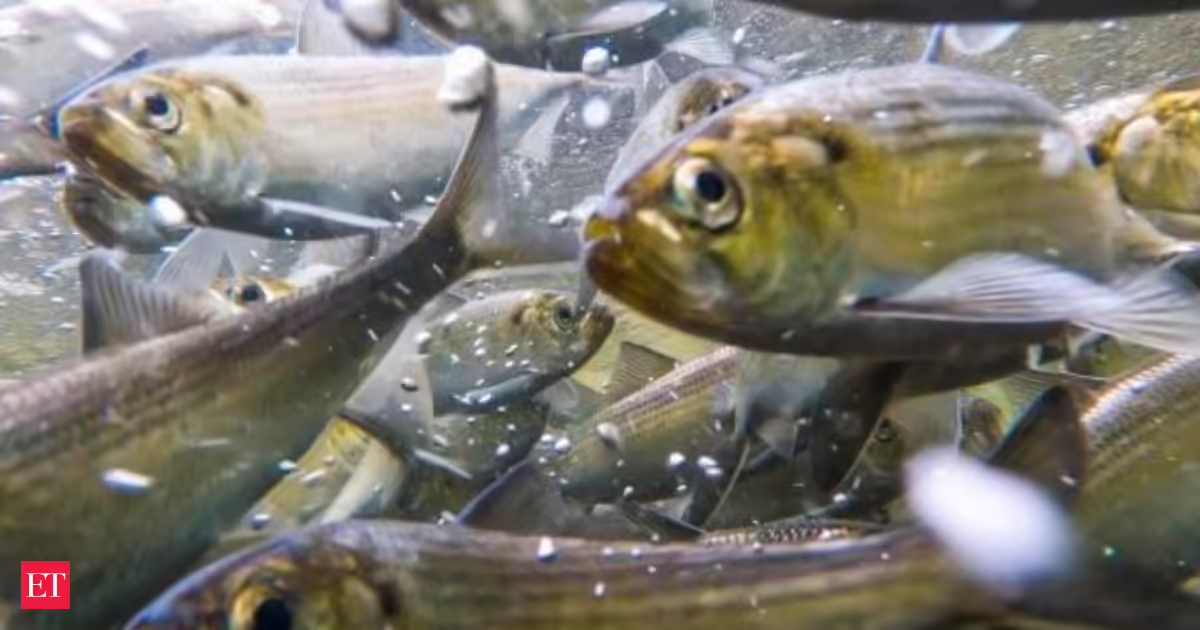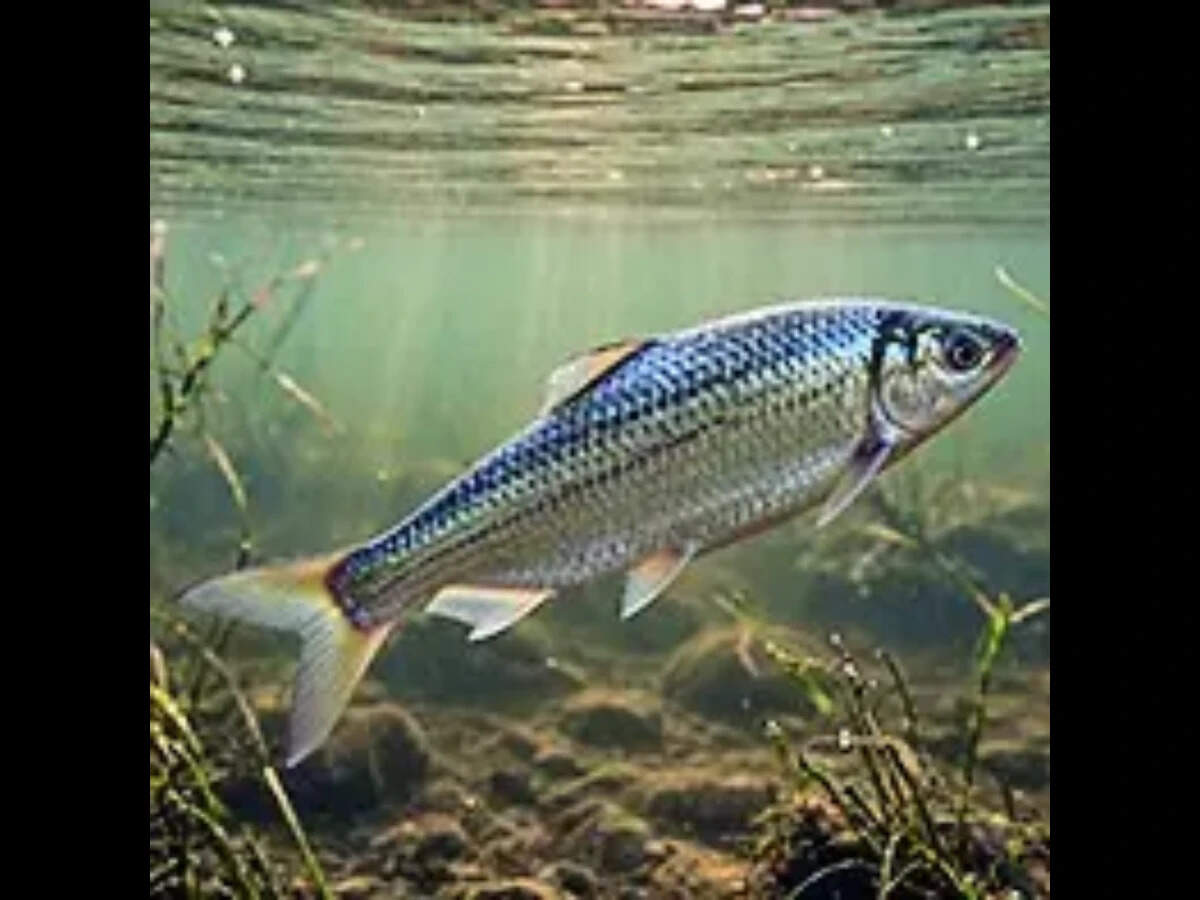
SynopsisThe return of Hilsa fish to the upper Ganga after decades marks a significant triumph in conservation. Government labs are successfully implementing artificial reproduction techniques. Enhanced habitats reflect a rise in biodiversity within the Ganga river system. To ensure sustained survival of these fish, it is essential to raise public awareness about overfishing. Furthermore, international collaboration is vital to tackle pollution and consumption challenges that threaten their existence.Successful conservation efforts have reportedly returned the hilsa to the upper Ganga after several decades this season. The development could break a vicious cycle of overfishing and silting rivers that threatens population collapse for the fish. Hilsa is rare because it is difficult to farm. The fish lives in the sea and migrates into rivers to spawn. Measures to restrict fishing have not succeeded because of the limited time the fish spend inland. Despite size grading, juvenile fish find their way into markets, altering the breeding cycle. More industrial discharge and dams are making rivers in the subcontinent shallow, which affects the hilsa's habitat. Solutions need to be found upriver, and the work done by government labs is promising.Central Inland Fisheries Research Institute has been engaged in a range of artificial reproduction procedures for the hilsa that are now bearing fruit. Fish released upstream of Farakka Barrage on the Ganga have worked their way up to UP, a traditional habitat destroyed by the dam. The restored hilsa habitat provides an indication of biodiversity in the Ganga, which is being cleaned through a multi-decade project. Other aquatic species can be returned to what used to be their habitats in the upper Ganga.Conservation efforts for hilsa are complicated by the cultural association of the fish in the lower Ganga region. It doesn't possess superior nutritional value over other species that can be farmed easily. Restoration of habitat is one side of the hilsa question. The other dimension is about creating public awareness about overfishing. The matter has not taken on the urgency it deserves because imports from Bangladesh and Myanmar absorb some of the intense demand pressure. Yet, prices spike routinely to eye-watering levels. The effort to stop overfishing hilsa needs to be a multinational one. Habitats across countries in South Asia face the same threats of pollution, silting and unchecked consumption. A broader framework may be needed to keep the silvery fish swimming upriver. ...moreElevate your knowledge and leadership skills at a cost cheaper than your daily tea.Subscribe Now
Machhli ado about the return of Hilsa - The Economic Times
The return of Hilsa fish to the upper Ganga after decades marks a significant triumph in conservation. Government labs are successfully implementing artificial reproduction techniques. Enhanced habitats reflect a rise in biodiversity within the Ganga river system. To ensure sustained survival of these fish, it is essential to raise public awareness about overfishing. Furthermore, international collaboration is vital to tackle pollution and consumption challenges that threaten their existence.
405 words~2 min read