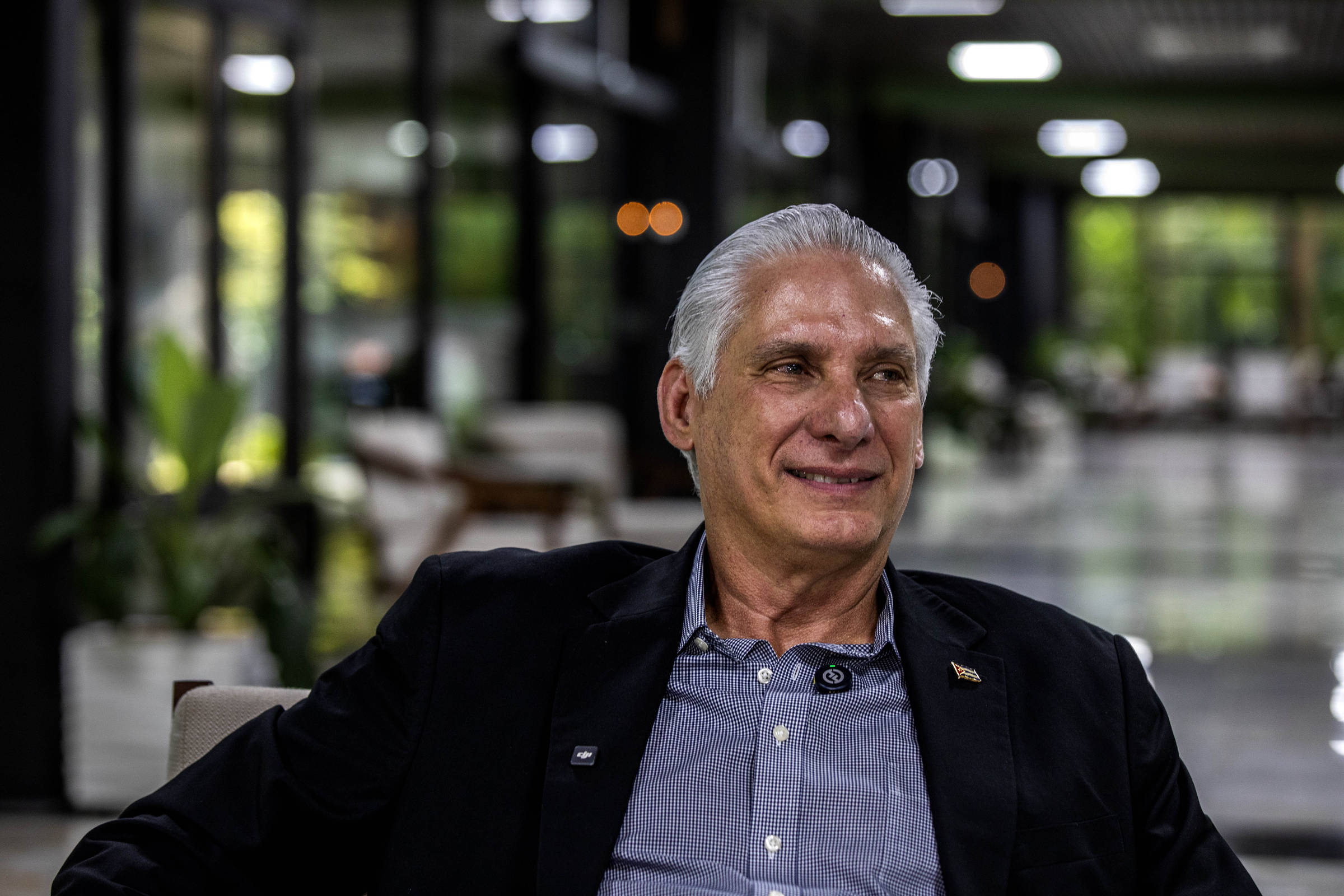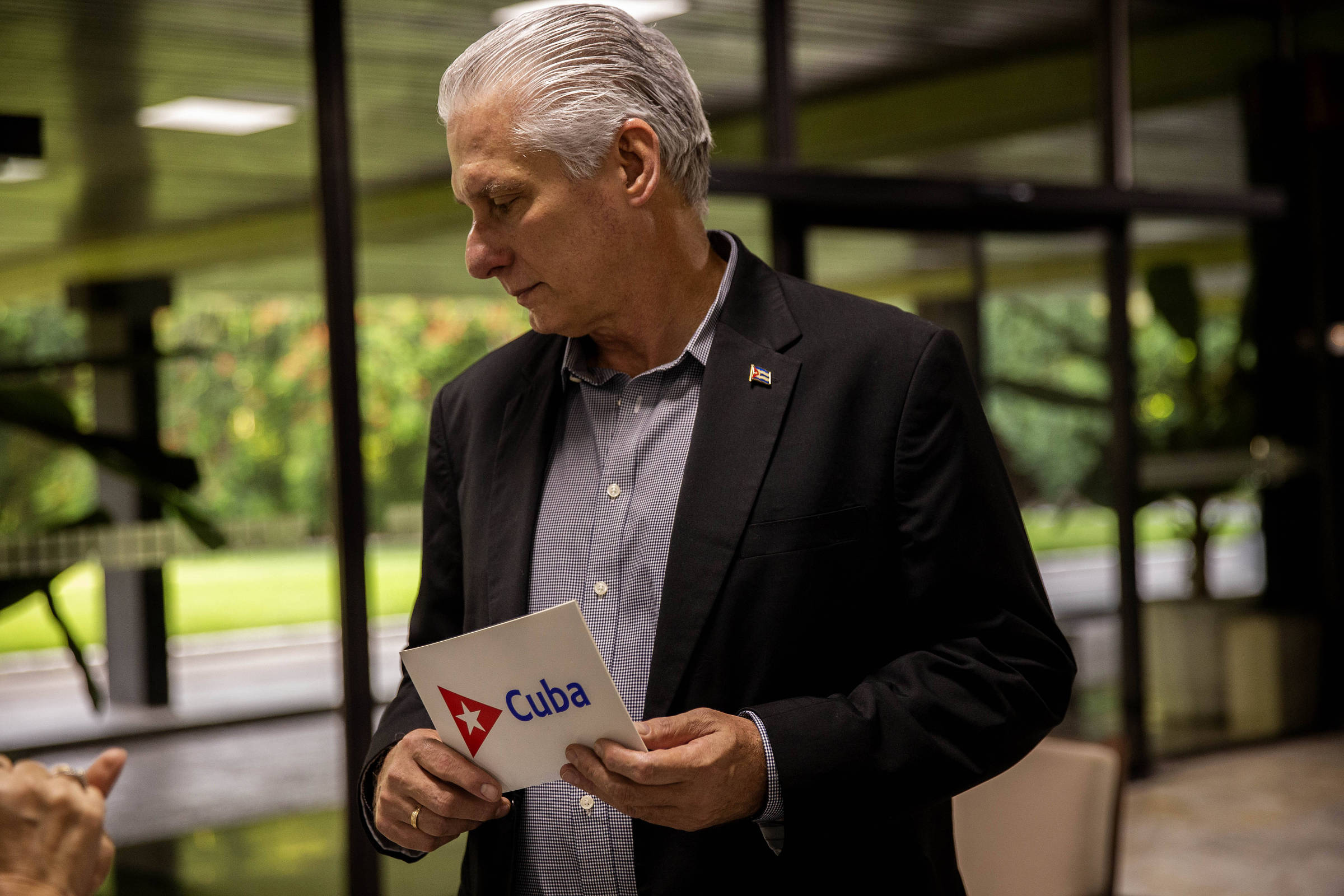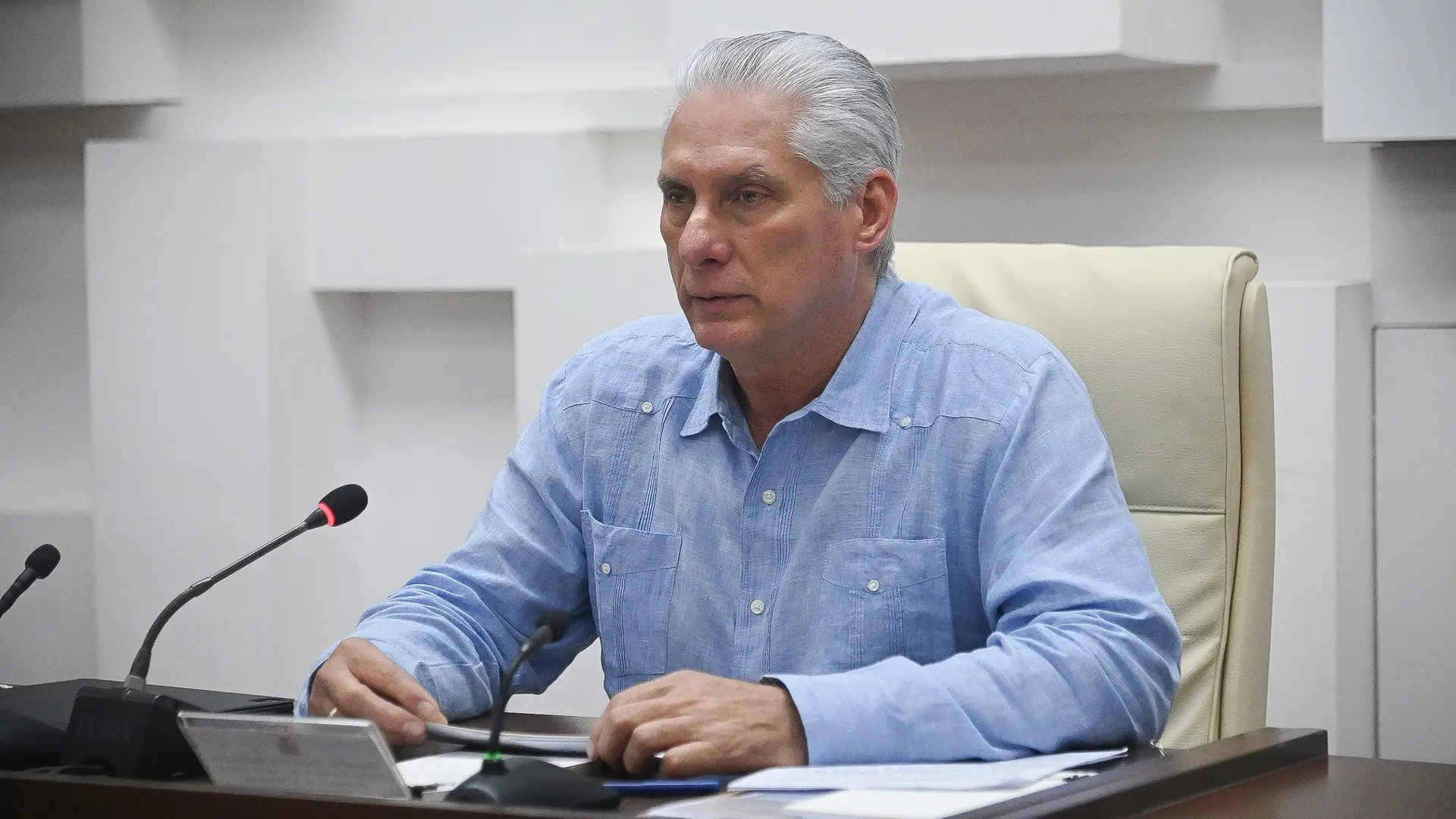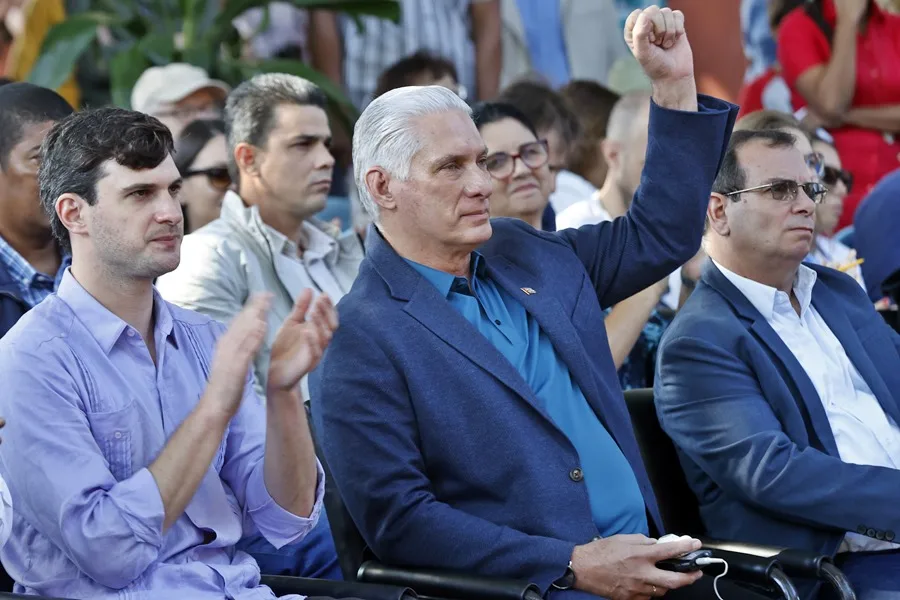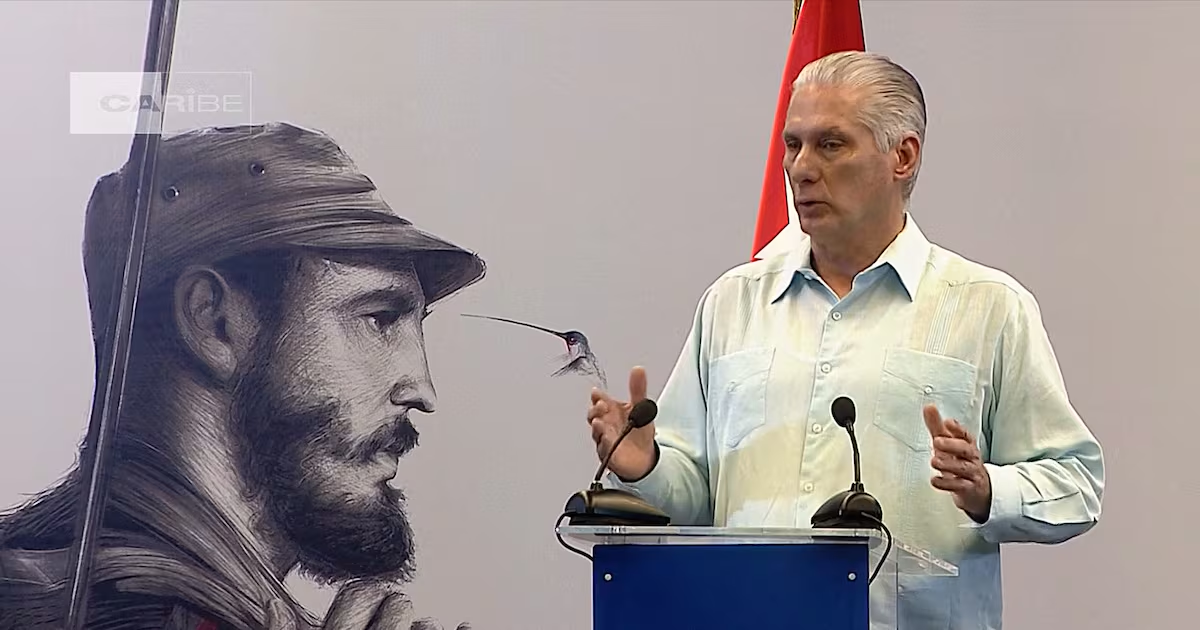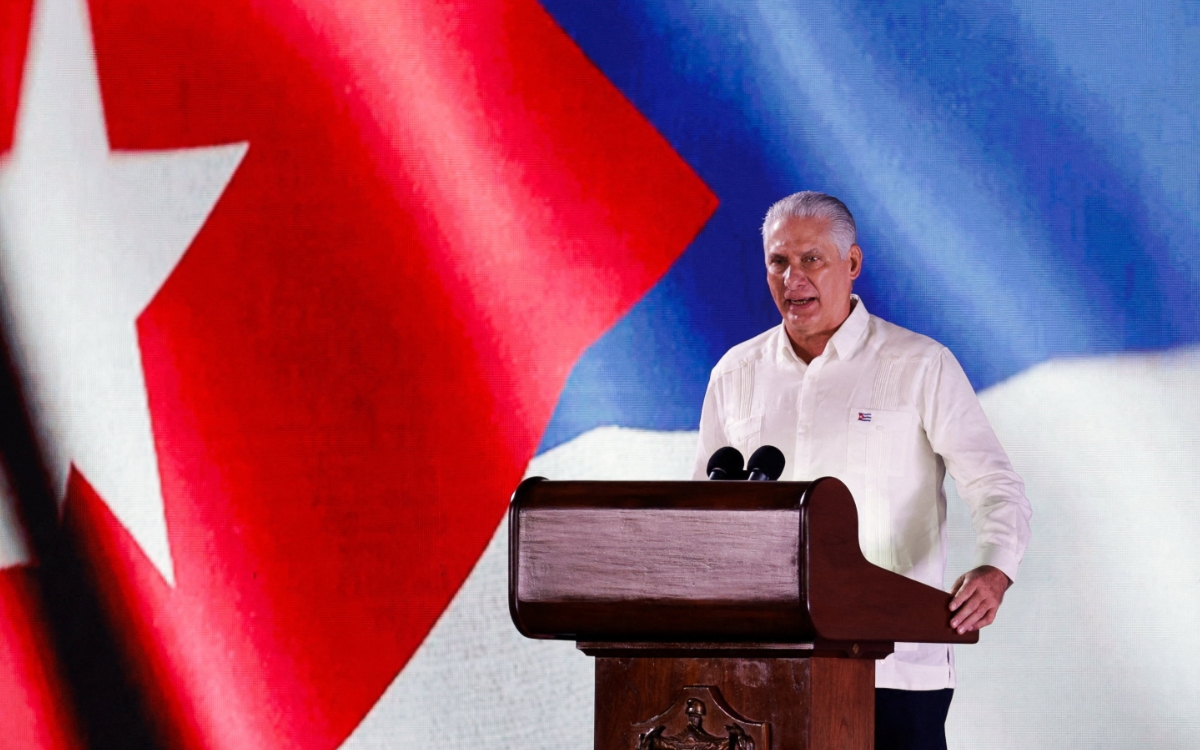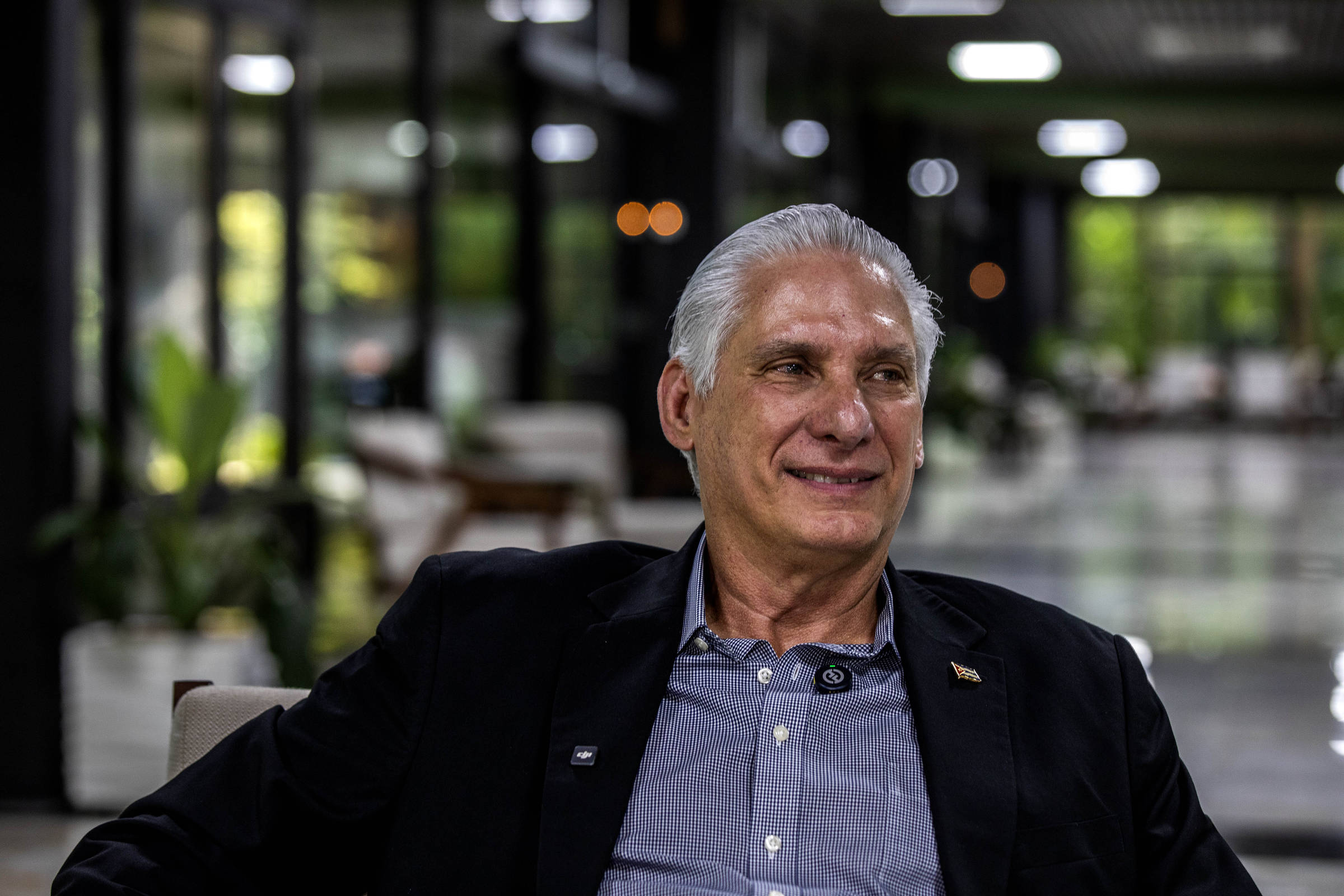
At 66, engineer Miguel Díaz-Canel is leading Cuba at the most crucial moment in its history, when even the island’s ability to survive as an autonomous nation is considered to be under threat.
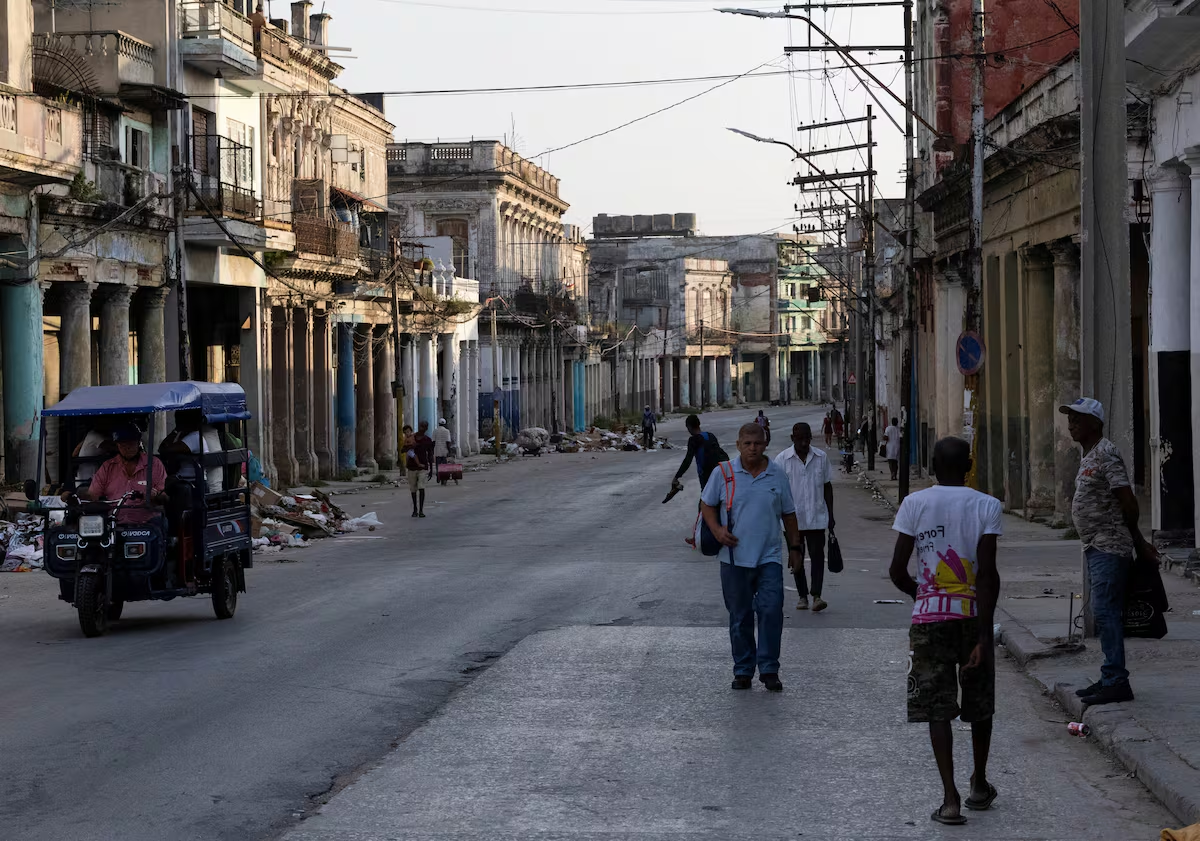
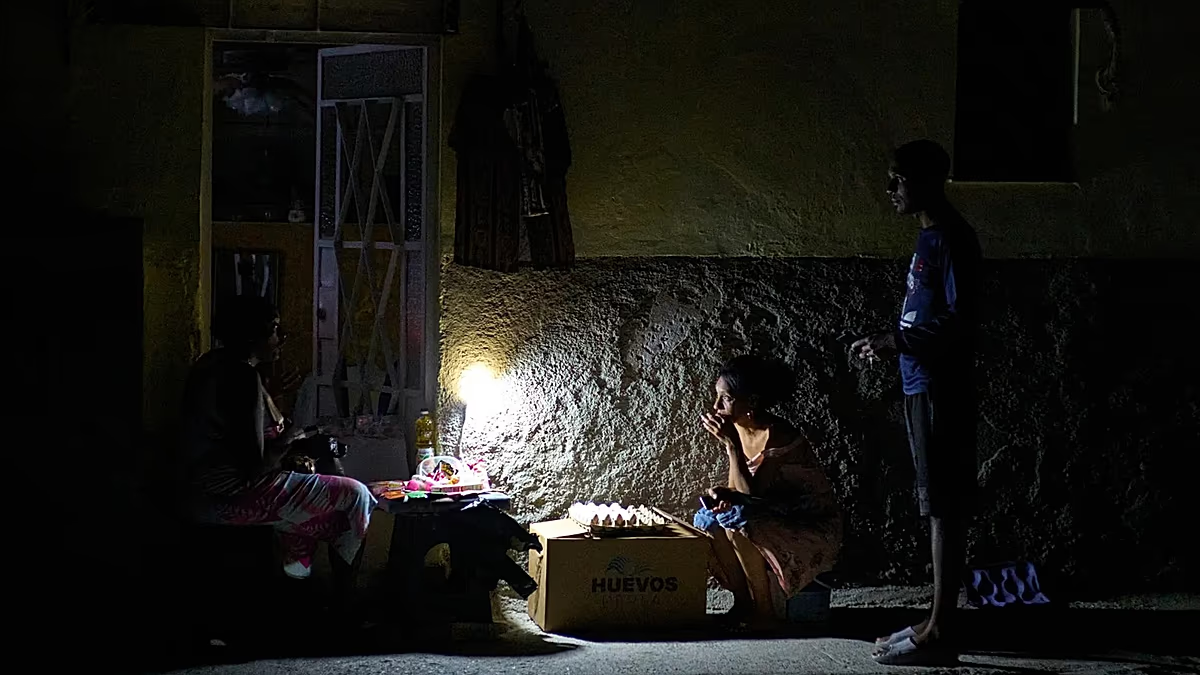
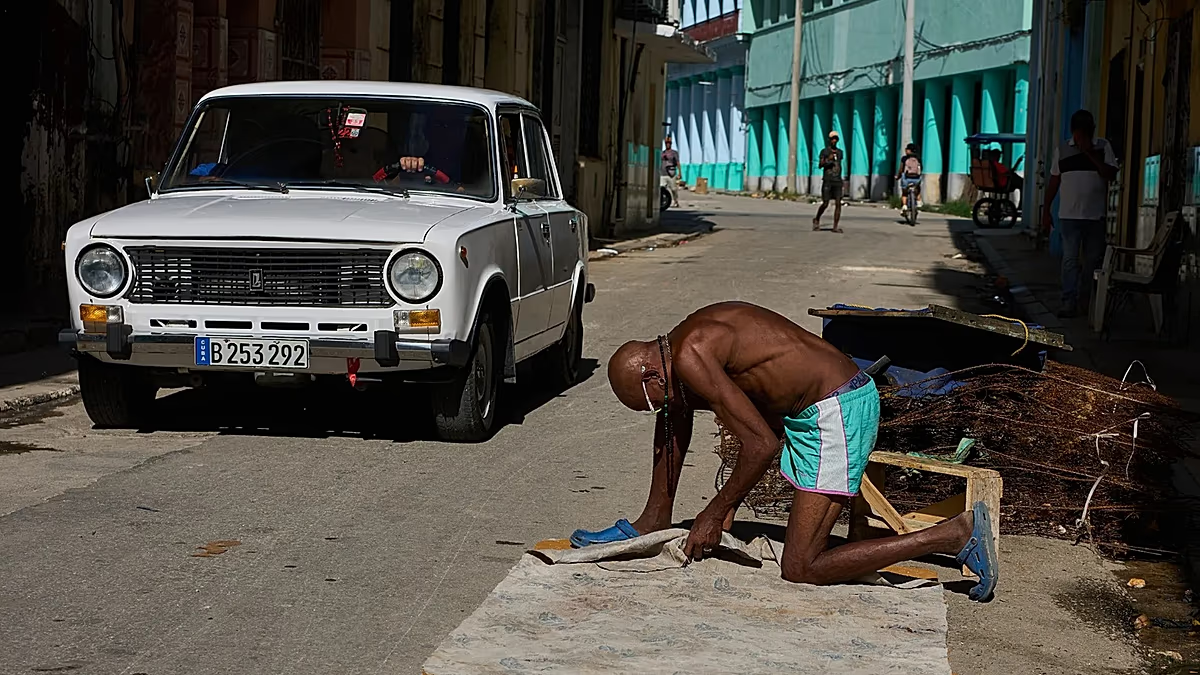
Under the relentless blockade imposed by Donald Trump’s U.S. government, which since May has prevented fuel and supplies from entering the country, Cubans are facing extreme situations in which electricity, water, transportation, food and medicines are in short supply. Garbage remains uncollected in the streets for days.
In an attempt to circumvent the siege created by the U.S. attack, Cuba’s parliament approved two months ago a package of economic reforms presented by the government, with 176 measures that open up unprecedented space for the private sector —and would have been unthinkable just a few years ago.
Private business owners are authorized to have more than two businesses, with more than 100 employees, making it possible for conglomerates to emerge. Shares may be freely traded. Foreign companies may exploit land for up to 99 years under a usufruct system.
Canel, who since taking office has seen the country’s GDP shrink by 15% after successive crises (including the end of the energy partnership with Venezuela and COVID-19), says the reforms will not bring capitalism back to Cuba.