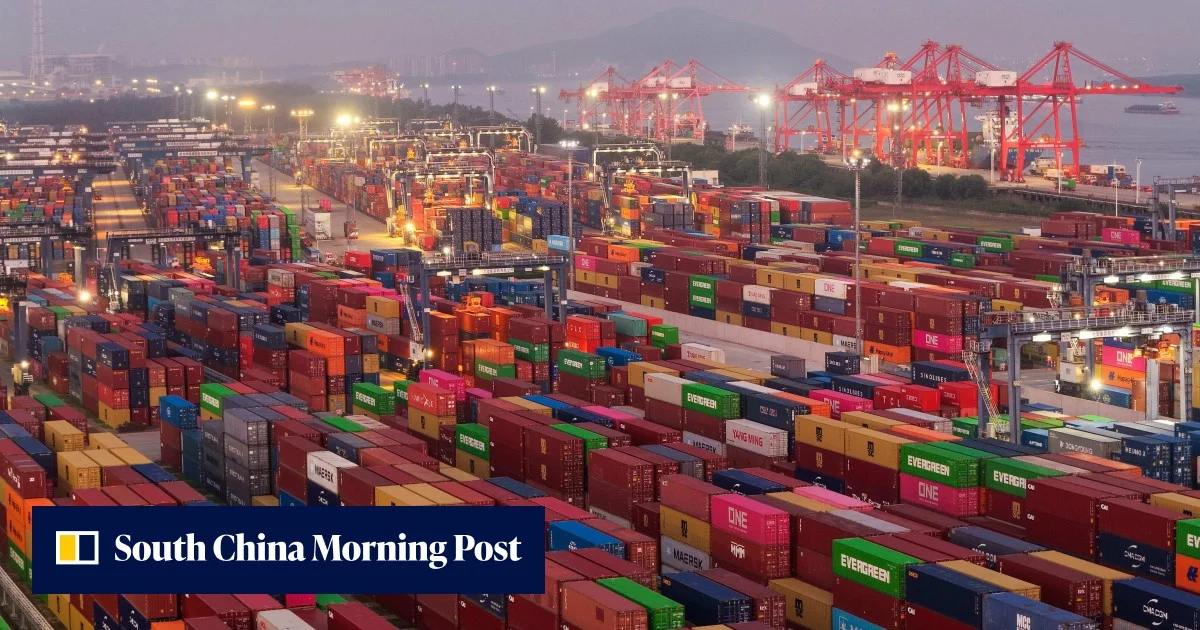
Goldman Sachs estimates that the EU’s emerging trade measures against China could affect roughly 27% of China’s annual exports to the bloc, a figure that underscores just how much economic firepower Brussels is willing to consider as its trade deficit balloons.
The investment bank’s July 2 analysis paints a picture of a European Union that’s increasingly uncomfortable watching Chinese goods flood its markets. China’s exports to the EU climbed approximately 16% during the first five months of 2026, and the goods trade deficit with China widened to €98 billion in Q1 2026, the highest level since Q3 2022.
A scalpel, not a sledgehammer
The EU is not about to go full Washington. Goldman Sachs views blanket tariffs, the kind the US has embraced, as unlikely for one straightforward reason: Europe depends heavily on Chinese critical materials, particularly rare earths that underpin everything from electric vehicle batteries to wind turbines.
Instead, the firm expects Brussels to deploy a more surgical approach, targeting specific sectors where Chinese goods are most visibly displacing European producers. Steel, machinery, and basic chemicals sit at the top of that list.