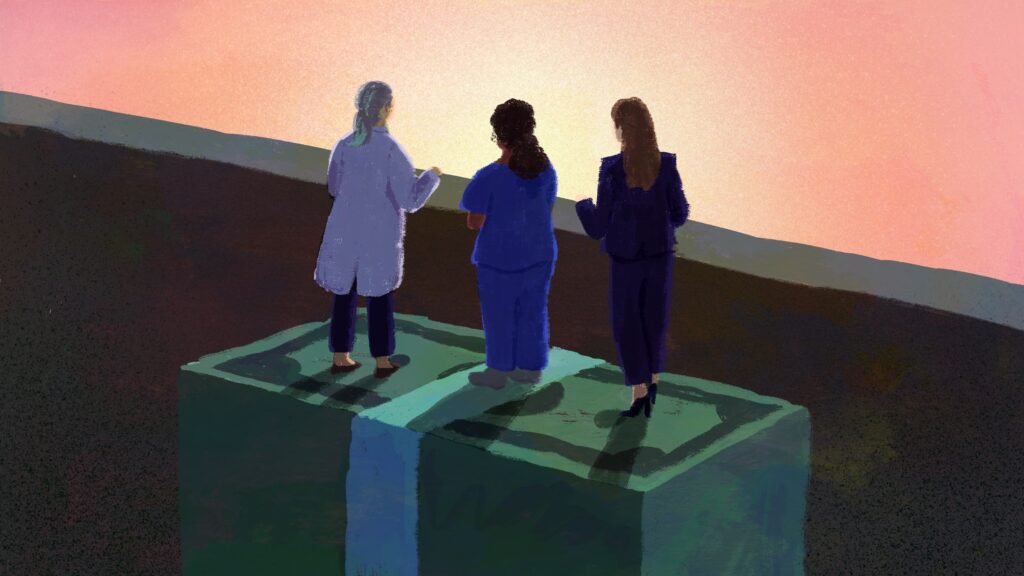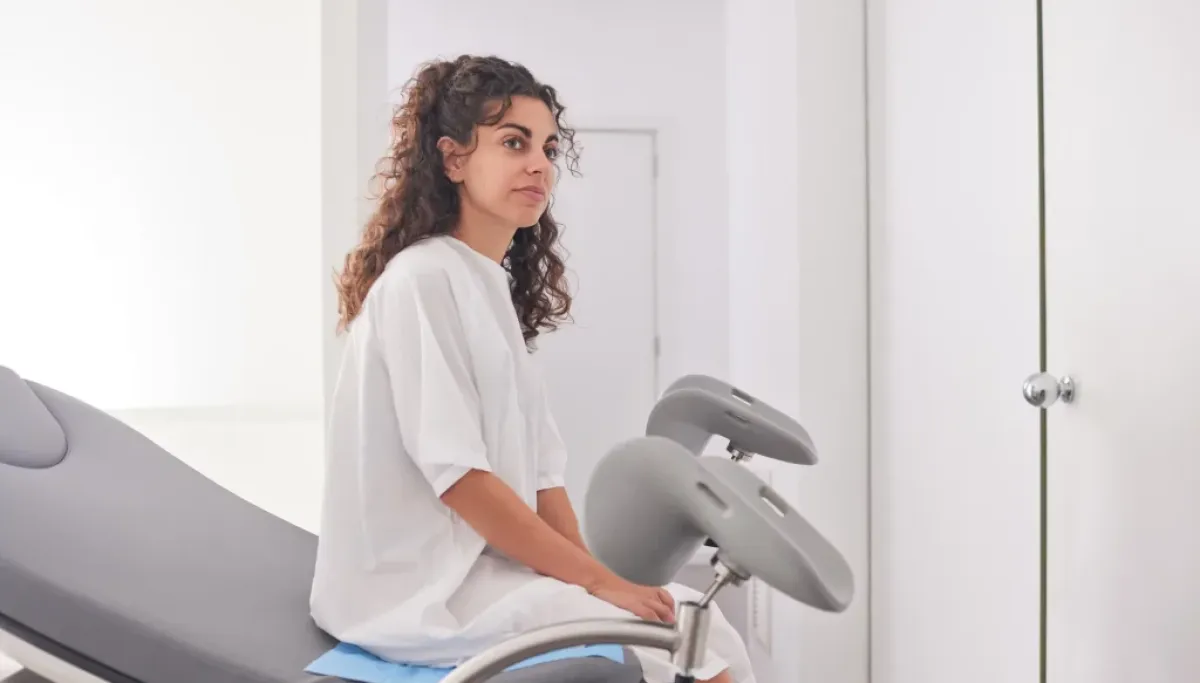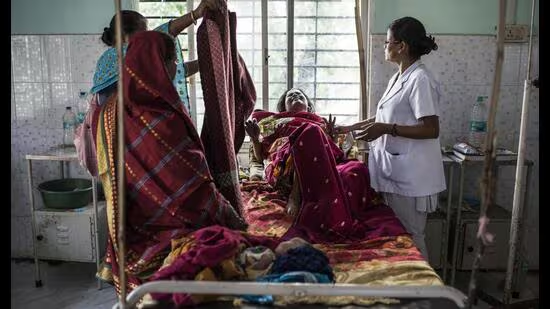
The women's health diagnostics gap isn't a missing test. It's a missing piece of interpretation, the one that connects symptoms a woman has lived with for years to what her results were saying all along.
Kim Trowbridge spent years hearing that her broken sleep, shifting weight, and climbing cholesterol were just menopause. A Function member and retired environmental consultant from Cleveland kept getting standard panels. Nobody went deeper. When she finally pushed and joined Function, 10 of her 13 cardiovascular markers came back out of range, including elevated Lp(a) and hs-CRP, with no family history of heart disease.
"People are going around the traditional medical system because it's not serving them," she explains.
The women's health diagnostics gap is almost always described the same way: Women don't get tested. That framing is incomplete, and the company sitting on 100 million lab results has the receipts. More than half of Function's members are women, and its co-founder's history points to something less convenient than missed tests. The blood got drawn. The numbers came back. Nobody translated them.
The Tests Were Ordered, The Symptoms Were Not Believed