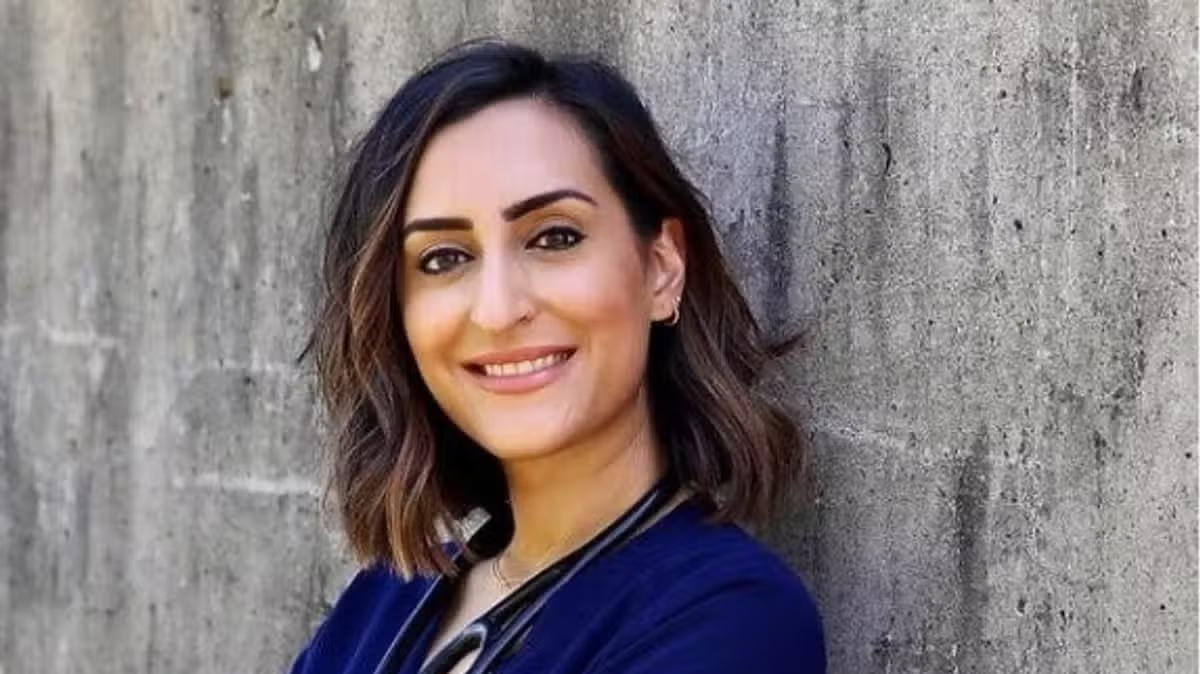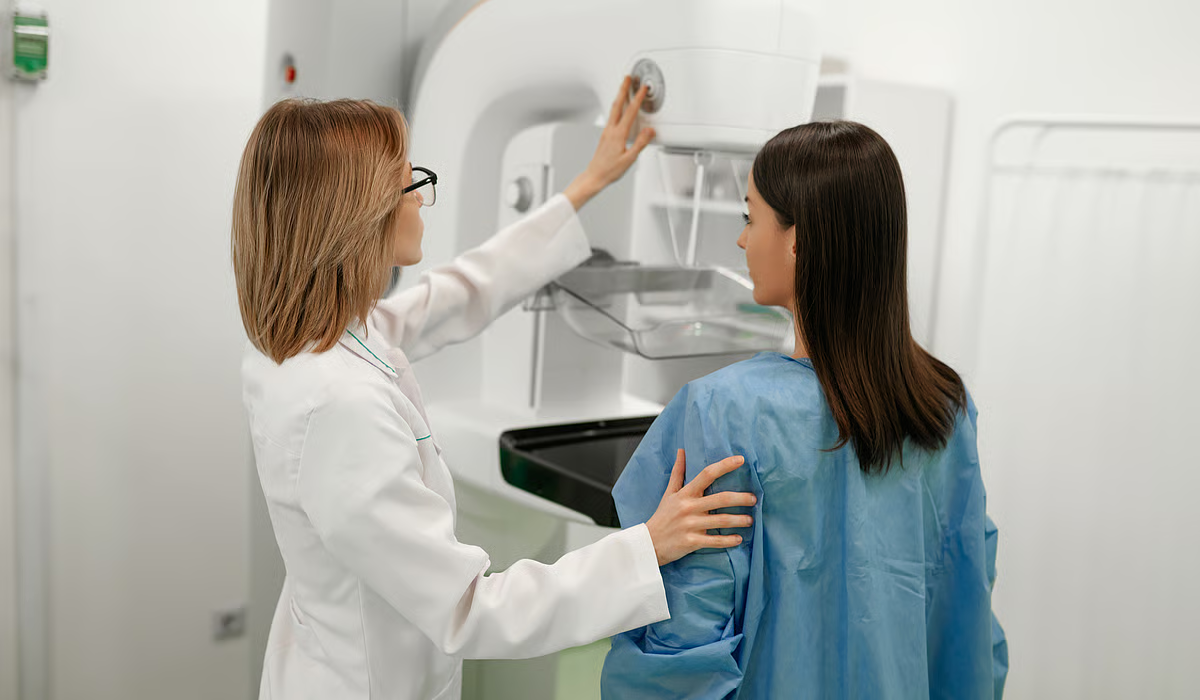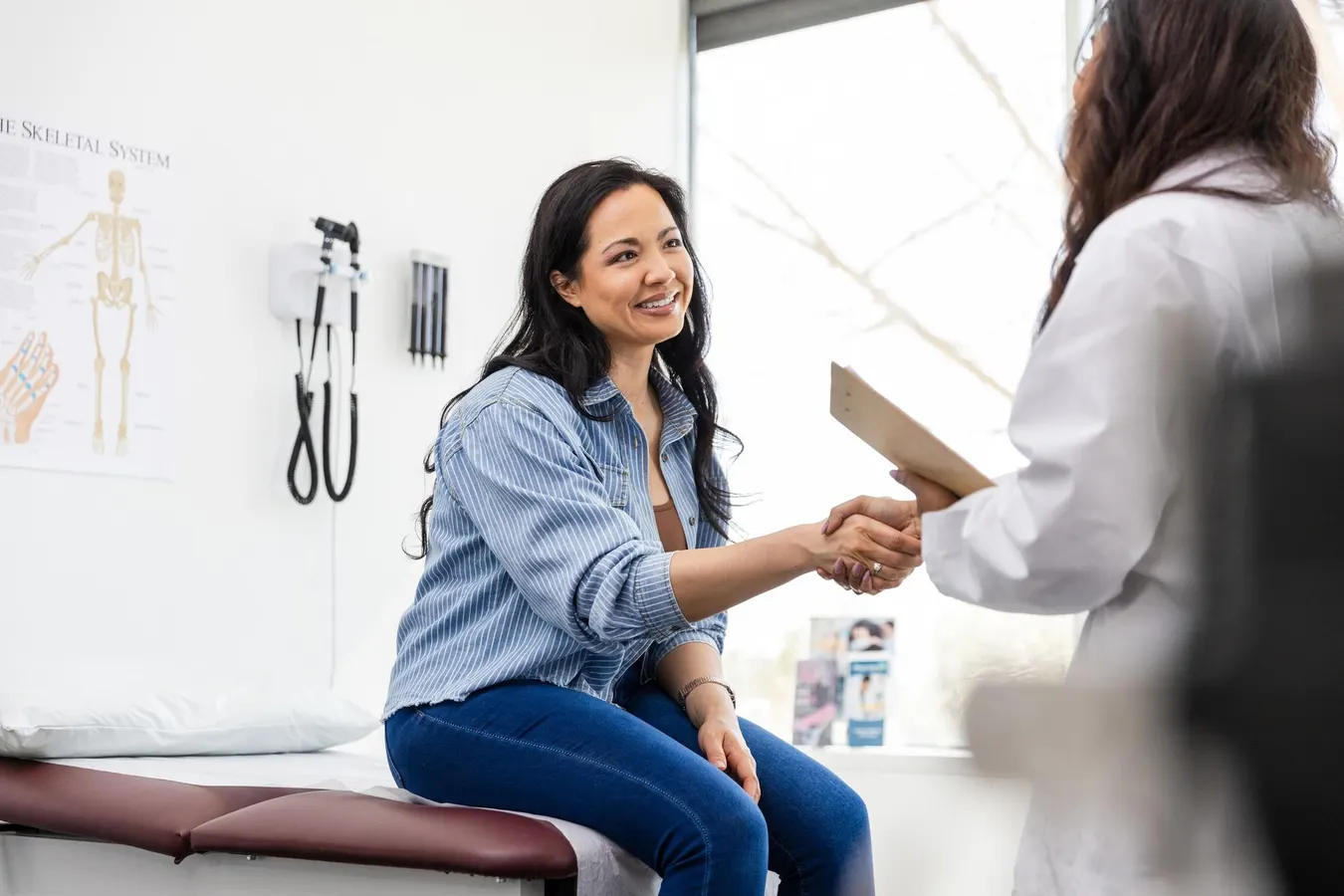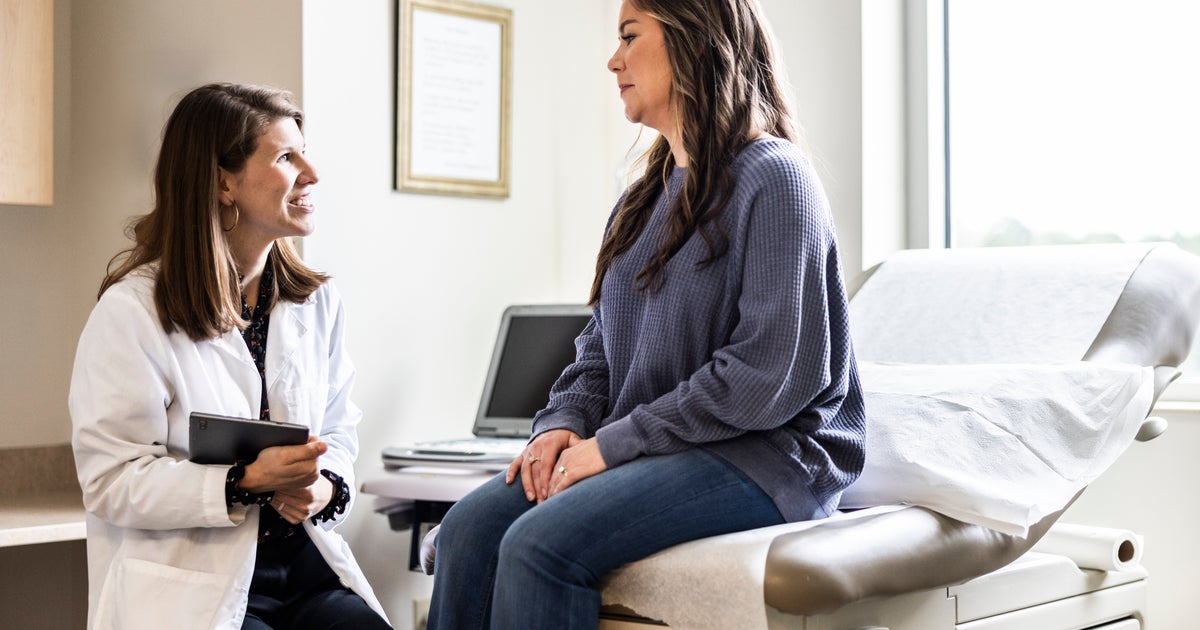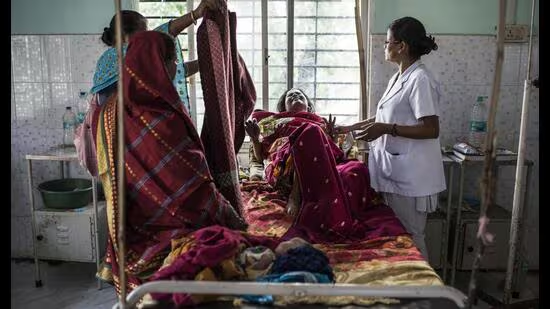
For a great many women in India, the decision to see a doctor turns on something that has little to do with the illness itself. Will there be a woman in the room? That one question can settle whether a lump is examined, whether a missed period is investigated, whether a pregnancy is monitored or simply endured. The symptom is seldom the real obstacle. The discomfort of undressing before a male stranger, of describing bleeding or pain to him while a mother-in-law listens, very often is.Doctor (Freepik)This is not squeamishness. It is the rational response of women taught to keep their body private, who have found that an examination can feel like an exposure. The National Family Health Survey bears this out. Around 31% of women said the possible absence of a female provider was a problem when they needed care. Faced with a male clinician, many weigh the visit against the embarrassment, and the embarrassment wins. Care avoided this way stays quiet. It surfaces later, as the anaemia left unchecked or the cancer found too late.Once gender decides whether a woman seeks care at all, the preference stops being personal and turns structural. Nearly six in ten women of reproductive age report at least one barrier to obtaining health care for themselves, and the shortage of women doctors sits among the most stubborn. The burden falls hardest on those already least served. Seven in ten tribal women report some difficulty reaching care, and the absence of a same-gender clinician gives them one more reason to stay home.The reverse is documented too. Research across Indian districts shows that where women physicians are more available, the use of maternal and reproductive health services rises. Women come in earlier. They speak more openly about what is wrong, and they return for follow-up instead of disappearing after a single visit. In such settings a female doctor is the key that opens the door for half the population. To call her availability a nicety is to misread what keeps women away. Her presence is what turns a clinic from a building into a service women will use.Here the numbers turn sobering. Only about 29% of India's allopathic doctors are women, and in rural areas, where need presses hardest, the share falls even lower. The trouble does not begin at the entrance. For years women have made up close to half of those joining medical college. The losses come later. Their share thins out at the postgraduate stage and thins again in active practice, so that near-parity at admission becomes scarcity at the bedside.The reasons are familiar. A rural posting can mean unsafe housing and little security for a woman living far from family. Marriage and childbirth, layered onto the unequal load of domestic work, pull many out of the profession in their most productive years. Closing the gap therefore asks something of everyone. Policy must make small-town and village service genuinely safe and liveable, with secure quarters, childcare and sane working hours. Hospitals must build retention into how they hire and promote, and stop treating admission figures as the finish line. And senior doctors must mentor the women coming up rather than assume they will cope.None of this should hide how far the country has come. A generation ago, a woman in a white coat was an exception worth remarking upon. Today girls routinely top the national medical entrance examinations, and medical college lecture halls are no longer male preserves. The talent has arrived in strength. What remains is the harder work of keeping it, spreading it across the map and turning it toward the villages and small towns that have waited longest.The shortage of women doctors is often described as a problem, as though it arrived on its own. It did not. It is the predictable result of training women in large numbers and then offering them postings no one made safe, schedules no one made workable and careers no one chose to protect. The talent has been there for a generation. What has been missing is the seriousness to keep it. Until that changes, women will keep waiting, and the country will keep calling their absence from care a mystery.(The views expressed are personal)This article is authored by Dr Renu Malik, gynaecologist & obstetrician and director, Malik Radix HealthCare.
Why a woman’s health often waits for a woman doctor
This article is authored by Dr Renu Malik, gynaecologist & obstetrician and director, Malik Radix HealthCare.
717 words~3 min read