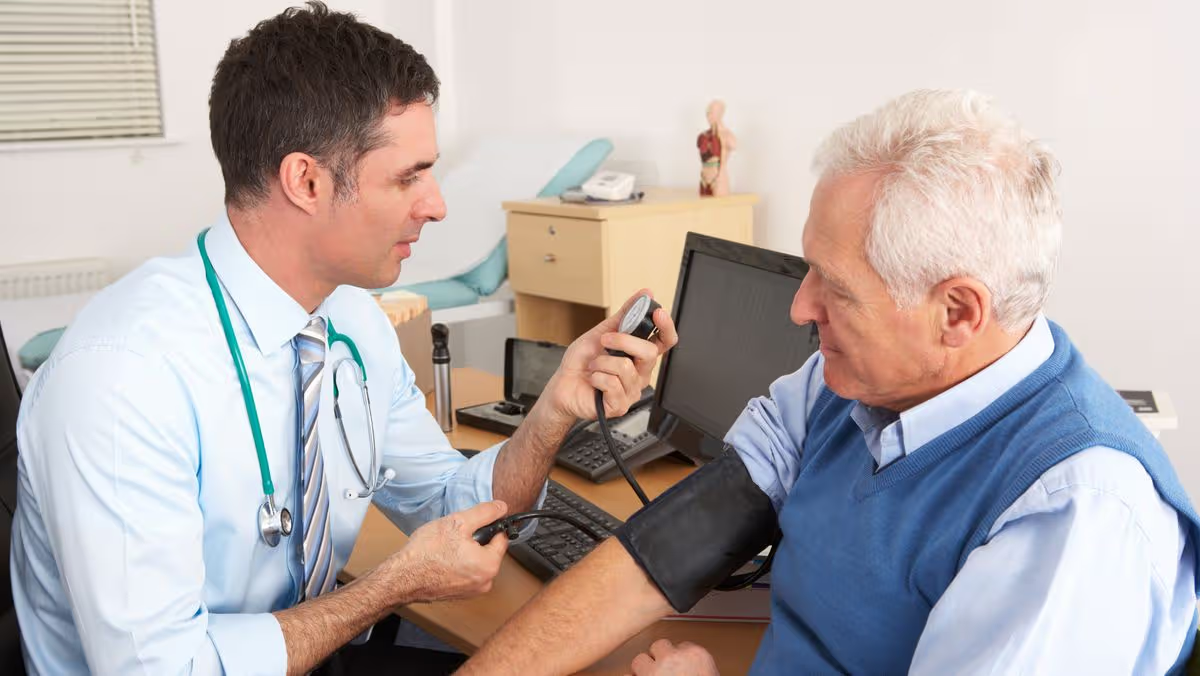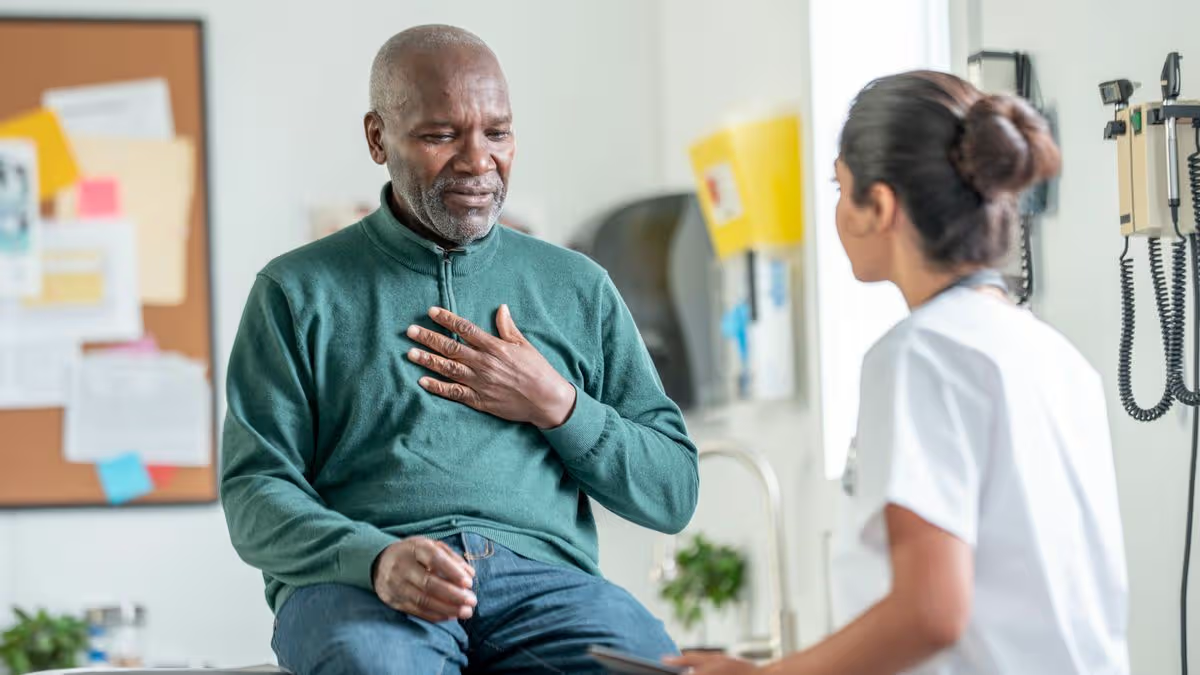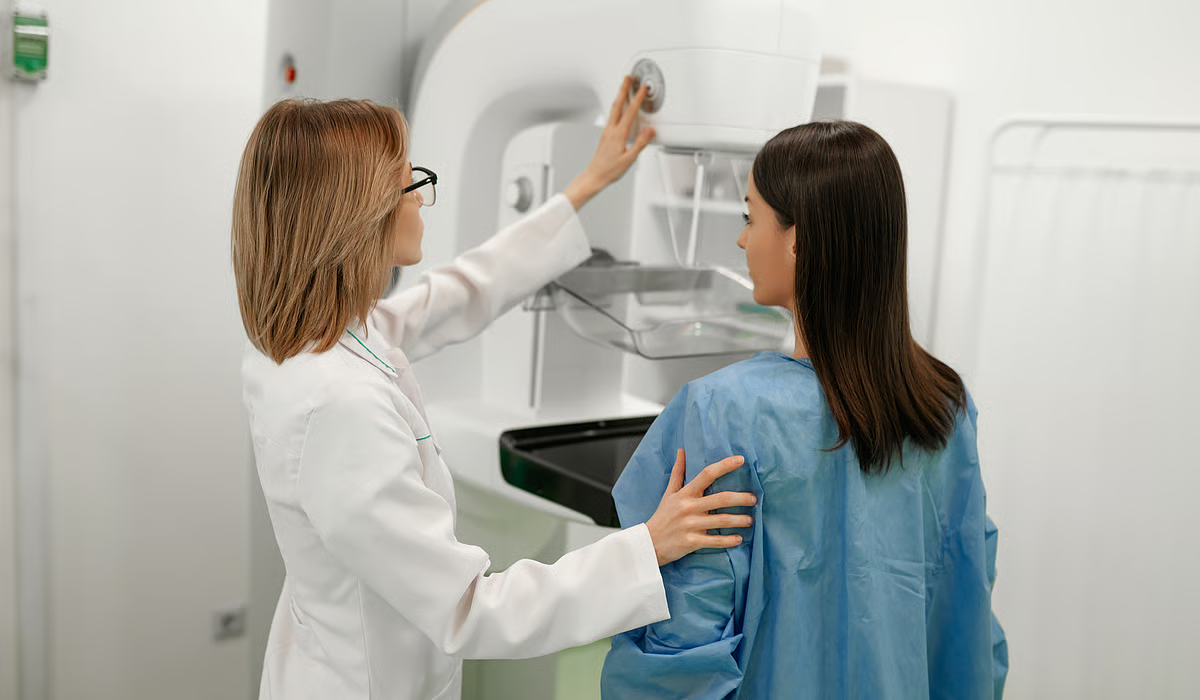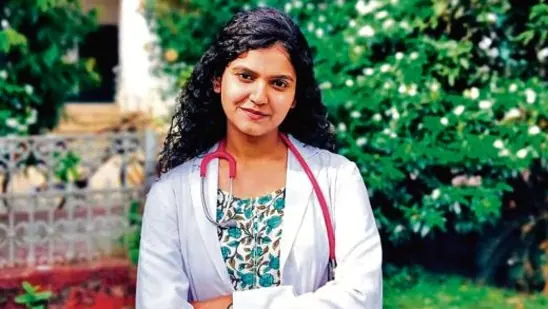
The expert encouraged patients to advocate for themselves07:46, 04 Jul 2026A GP has shared six vital questions older women should ask their doctors. By advocating for yourself in this way, you are more likely to get the treatment you need or catch a health issue in its earlier stages.Doctor Punam Krishan, who is known for her appearances on BBC, warned that many women, especially those over the age of 50 might let symptoms continue for years before seeking help. Dr Krishan, working in partnership with stairlift and home lift brand Stannah, explained: "I often see women in their 50s, 60s, 70s and beyond who have been living with symptoms for months – sometimes years – before raising them with a GP.“The reasons are familiar: embarrassment, putting others first, or assuming it's just part of getting older. But the right question at the right time can change a lot. Early intervention protects energy, independence and mental health – the things that allow us to stay active, comfortable and at ease. These are the conversations I wish more women would start."‘Why am I feeling stiffness more acutely after exercise and long periods of stillness?’Dr Krishan said: “Joint inflammation or stiffness is often noticed more with age, particularly in women, and can have a range of causes. In many cases, it may be linked to mechanical ‘wear and tear’ conditions such as osteoarthritis, or changes associated with menopause.“However, if stiffness is persistent, worsening, or accompanied by swelling, warmth, or prolonged morning stiffness, it’s important to rule out inflammatory conditions such as rheumatoid arthritis, which are more common in women.“Autoimmune conditions like this can impact joints, nerves, muscles and organs anywhere on the body, leading to various mobility problems – such as increased difficulty getting up and down the stairs, gripping onto objects, and maintaining balance and coordination – so it’s important to rule this out.“If you notice joint stiffness that has worsened over time, it’s vital to mention it to your GP for early intervention that, in turn, preserves your mobility and quality of life.”‘I'm exhausted all the time and nothing seems to help - what could it be?’“Fatigue is commonly brushed off as tiredness due to day-to-day family and work responsibilities,” she continued. “Post-menopausal hormone changes – including decreased oestrogen production – can cause energy levels to dip significantly, so this is something worth discussing with your GP rather than dismissing.“Poor sleep is also one of the most underreported drivers of fatigue in women aged 50+. Whether sleep is being disrupted by night sweats, coughing or anxiety, the cumulative effect of broken nights can significantly reduce energy, affect balance and simply make every day physical tasks feel harder than they should – including getting around at home.“Excessive and unexplained fatigue could also be a symptom of a medical condition such as anaemia, thyroid conditions or even heart issues. If feelings of tiredness last for prolonged periods of time, are interrupting your day-to-day life and are accompanying other symptoms, it’s worth mentioning during an appointment.”‘I've been experiencing brain fog - should I be concerned?’She said: “It’s normal to occasionally lose your train of thought. There are many explanations, like low sleep quality and oestrogen loss from menopause, as both can impact cognitive function.“However, if brain fog is a new pattern for you, and it’s affecting daily functioning such as decision-making and recalling conversations, it’s worth talking about with your doctor. In a worst-case scenario, Alzheimer’s disease is twice as likely in women and can start presenting itself as moments of forgetfulness. If you’re concerned, then the earlier the GP discussion, the better.”‘I’m bleeding even after the menopause - why is this?’She advised: “It’s crucial that women understand that menopause is not the finish line for checking in with your gynaecological health. Symptoms like bleeding post-menopause can potentially be an early sign of a medical condition.“Sadly, endometrial cancer is diagnosed in around 8,000 women a year which is why any post-menopausal bleeding should be taken seriously. Any bleeding that lasts more than 12 months after periods have stopped should be raised with a GP as a matter of urgency.”‘Why am I experiencing pain during sex?’“Another gynaecological symptom I see being underreported is experiencing pain during sex,” she said. “Referred to as ‘dyspareunia’, it’s considered atypical if it persists without resolving itself.“A GP can support with pinpointing the cause and a solution for pain-free intimate moments so you can enjoy every moment of life upstairs. This pain could be caused by genitourinary syndrome of menopause (GSM) which is commonly caused by oestrogen loss and includes painful sex as one of the symptoms alongside a frequent urge to urinate. It can be treated with creams and prescription medication.“It’s natural to feel embarrassed about raising the subject with your GP but remember that we’ve seen it all. It is always far better to say what’s causing you pain before it potentially worsens – especially if it’s having an impact on your love life. Your GP is here to listen to you and support you as best they can.”‘My mum had a cancer with strong hereditary links – what are the next steps for me?’Dr Krishan added: “It’s really helpful for your GP to understand your family’s medical history, as it can provide important information about potential health risks. If your mother or other close relatives have had cancers with known hereditary links, your doctor will likely refer you to a specialist or genetics team depending on the cancer type.Article continues below“For lower risk factors, reassurance and monitoring is key rather than intervention. Having a family history doesn’t mean you will also go on to have the same diagnosis. However, sharing this information allows your GP to make informed decisions about any ongoing monitoring or examinations you might need to keep an eye on your health.”“Across all these questions, the common thread is this: your symptoms deserve to be taken seriously. The sooner they’re identified and addressed, the better placed you are to stay well, active and enjoying life on your own terms.”
Dr Punam shares six key questions women should ask their GP
The expert encouraged patients to advocate for themselves
1,005 words~5 min read