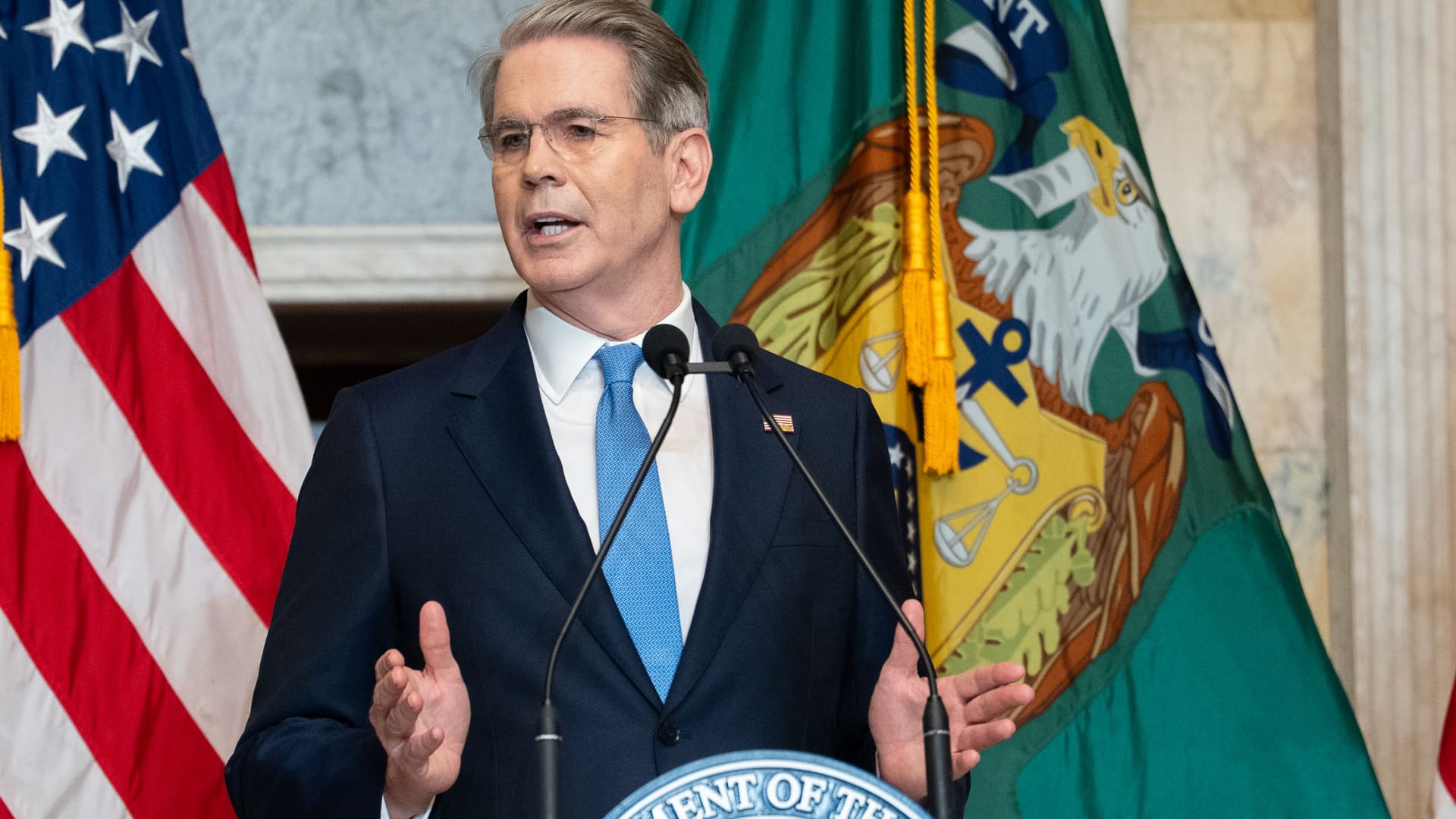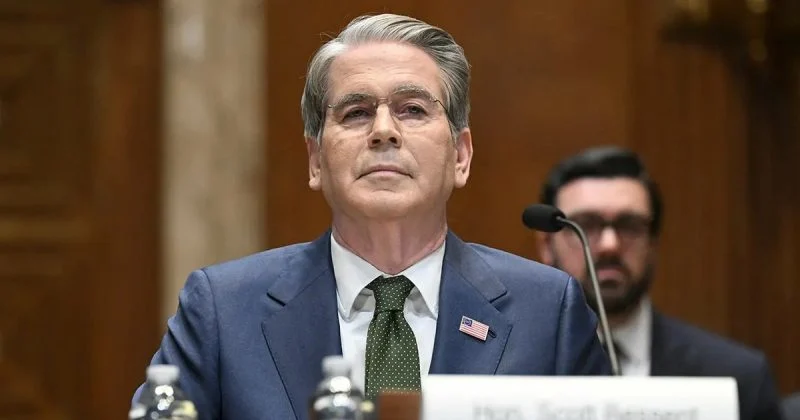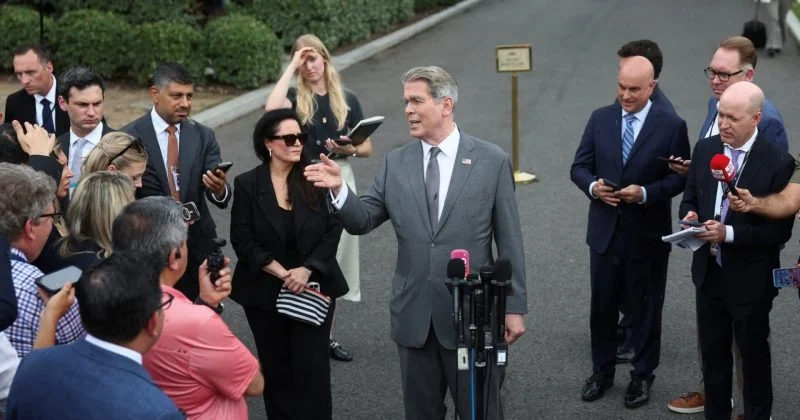
The US bond market opened higher to start a week that has traders watching two men very closely: Treasury Secretary Scott Bessent and Federal Reserve Chair Kevin Warsh. Treasuries gained ground as investors positioned themselves ahead of remarks from both officials, whose words carry enough weight to move yields by meaningful increments in either direction.
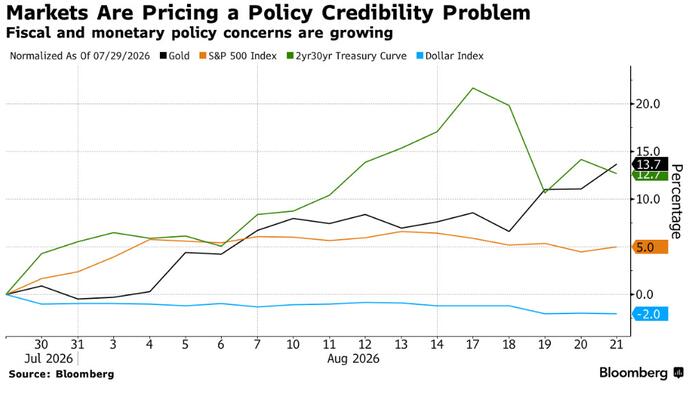
The 10-year Treasury yield has surged nearly 70 basis points since the onset of the Iran war, a move that has rippled outward into mortgage rates, corporate borrowing costs, and equity valuations. Thirty-year mortgage rates are now approaching 6.75%, putting a fresh squeeze on housing affordability.
The buyback maneuver and what it actually did
On August 19, Bessent’s Treasury Department made a notable move: it more than doubled the size of its long-term debt buyback program, lifting the maximum per-operation amount from $2 billion to at least $4 billion. The Treasury buys back its own older, longer-dated bonds from the market, reducing supply and, in theory, pushing prices up and yields down.
It worked, briefly. The 10-year yield, which had crested at 4.74%, dropped to 4.65% immediately after the announcement. That nine-basis-point move in a single session is the bond market equivalent of a sharp intake of breath.