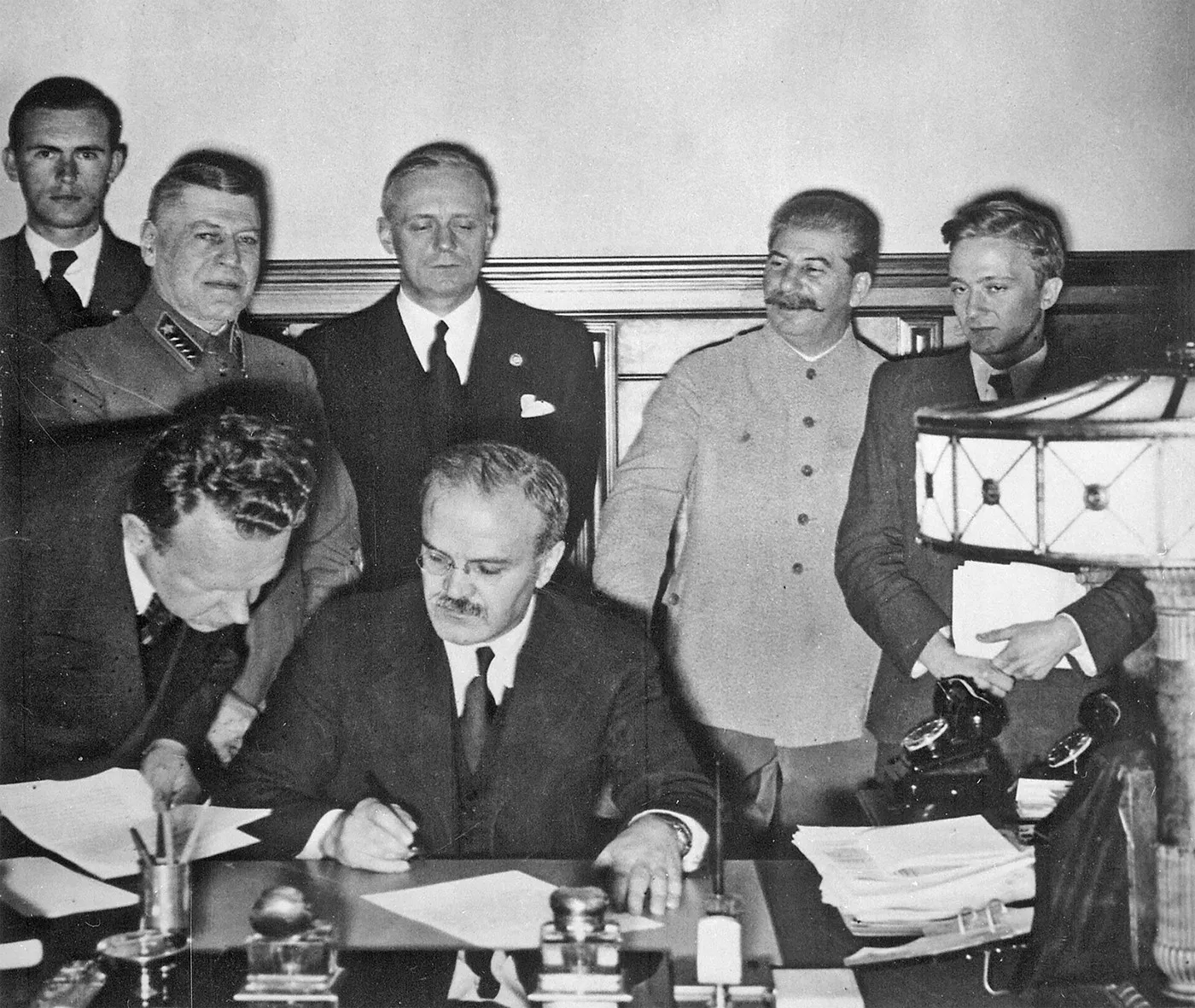
Eighty-five years after Nazi Germany and the Soviet Union signed a secret pact to carve up central and northern Europe between them, Russian state-aligned media are still fighting over how history remembers it – and a new study suggests the propaganda campaign has shifted focus this year, with Poland increasingly recast as an aggressor rather than a victim.
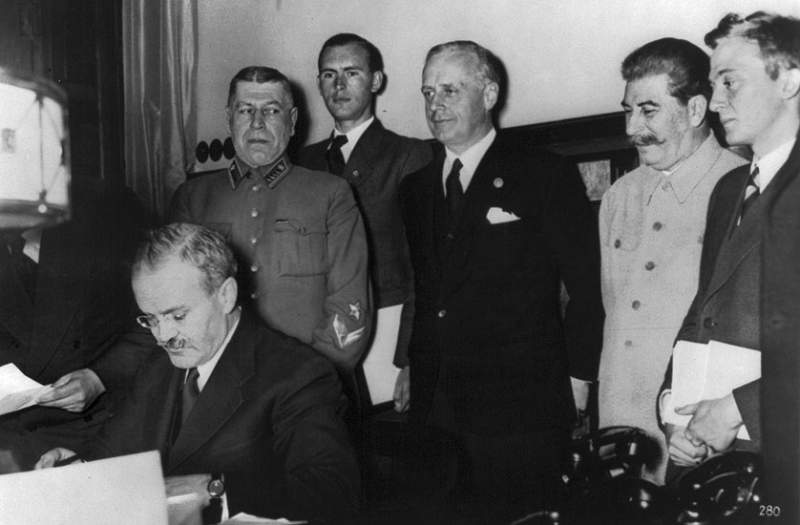
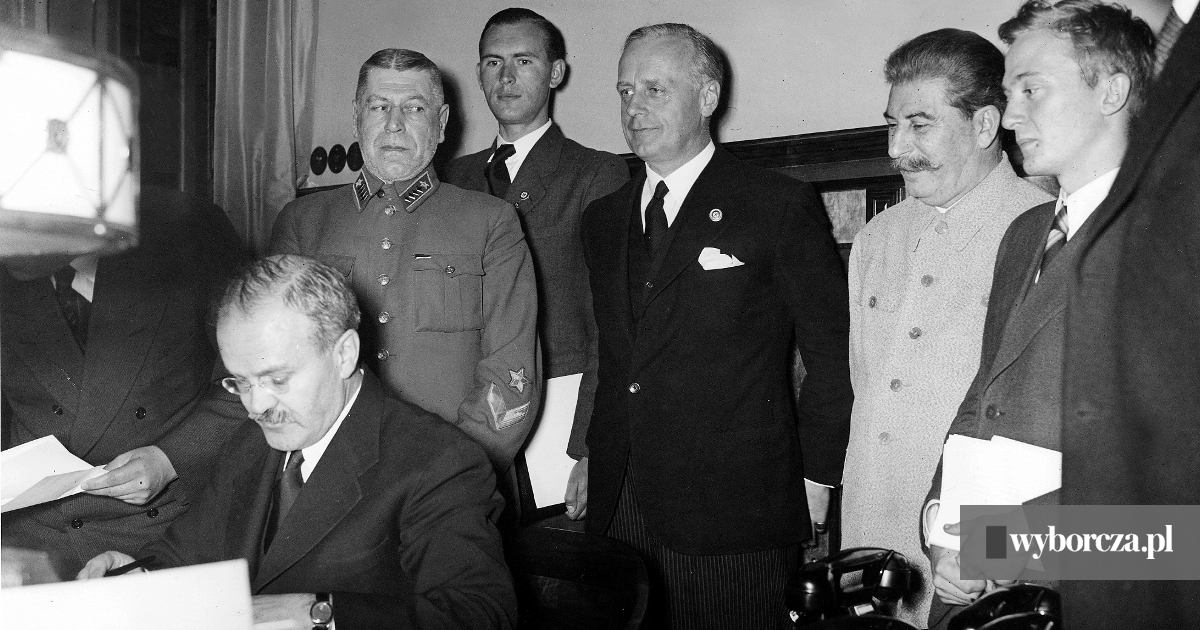
The Molotov-Ribbentrop Pact, signed on August 23, 1939, was a non-aggression treaty between the two totalitarian powers. Its secret protocols, which divided Poland, the Baltic states, Finland and Romania into German and Soviet “spheres of influence,” were not revealed publicly until decades later.
For countries like Lithuania, Latvia, Estonia and Poland, the pact is remembered as the mechanism that set the stage for their occupation. In Russia, however, it remains a subject of active historical dispute, and pro-Kremlin outlets devote significant attention each year to reframing it.
According to a study released on Monday by Debunk.org, a Lithuanian disinformation research centre, pro-Kremlin media published 192 items about the pact this year, of which 169 presented it in a positive light. That marks a sharp fall from 2025, when 481 items were recorded, 403 of them positive.