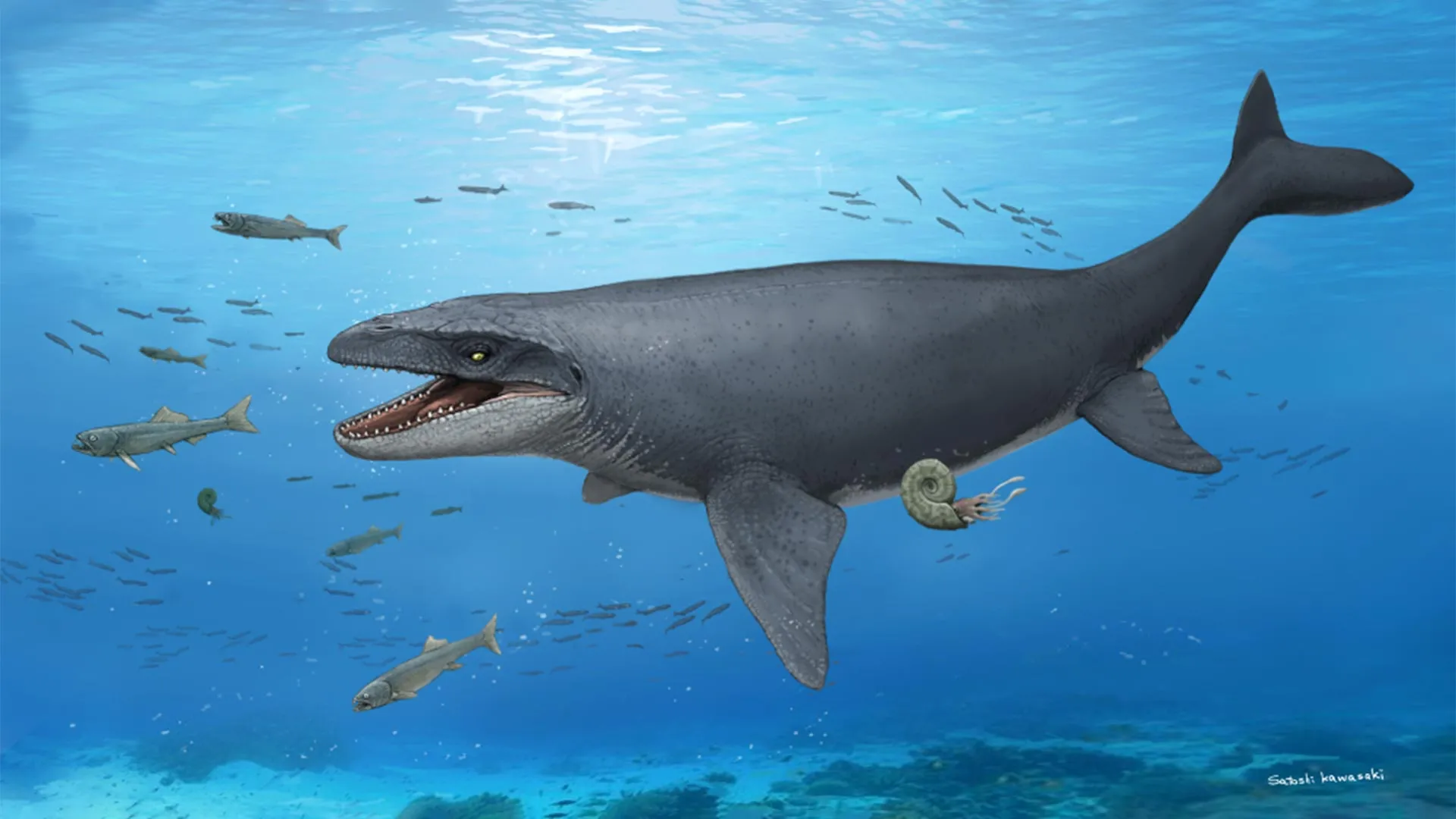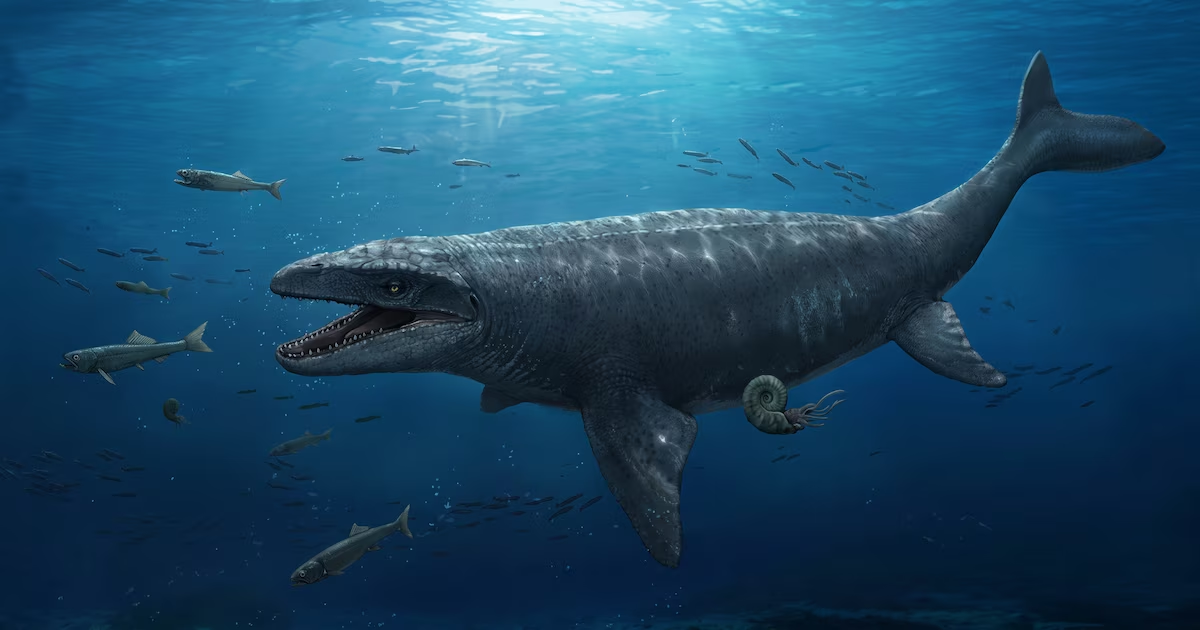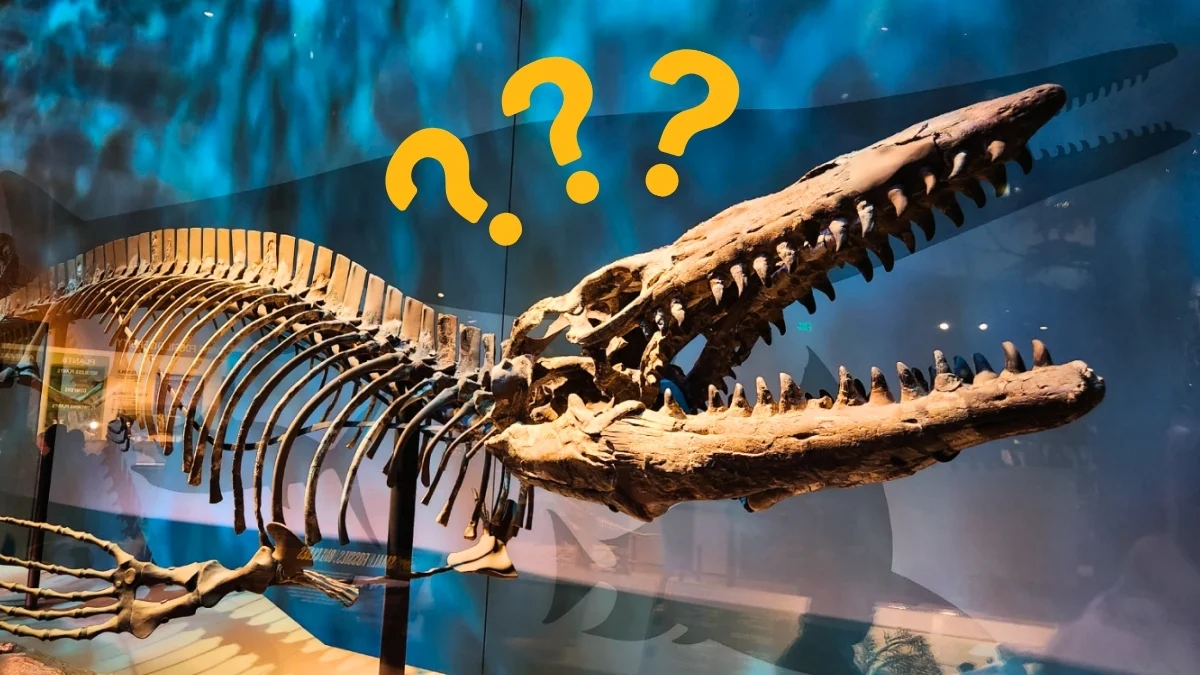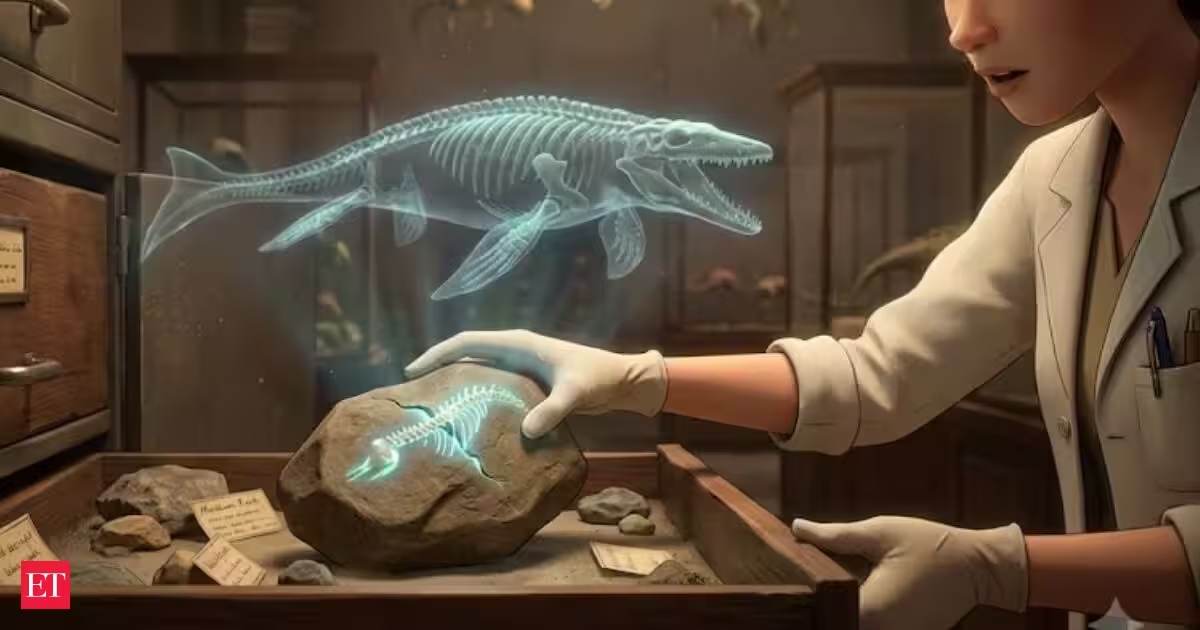
Four fossil bones sat unnoticed for almost three decades, tucked inside chunks of rock that also held the remains of a mosasaur, a giant marine reptile that once ruled the world's oceans. Researchers from Okayama University of Science, Tokyo City University, and the Natural History Museum in Kishiwada City, Osaka Prefecture, made the discovery only after going back to old, unprepared rock samples collected in Kishiwada decades ago. One of the bones is a premaxilla, the tip of the upper jaw, and it is the first one ever confirmed in a mosasaur found in Japan.Also Read: Shepherd looking for his missing goat finds natural gold worth $280 at a remote village in Africa; now 10,000 miners have arrived there hoping to find more goldThe find matters because the bone doesn't quite match anything scientists have documented before. Along with a few other odd anatomical quirks in the fossil, it has researchers wondering whether they've stumbled onto a mosasaur species that has never been described. In short, a rock that had been gathering dust since the early 1990s may be holding a brand-new branch on the reptile family tree.Old Rocks, New SecretsMosasaurs were massive marine reptiles that patrolled the seas during the Late Cretaceous period, somewhere between 98 million and 66 million years ago, around the same time dinosaurs were stomping around on land. The fossils at the center of this discovery were first dug up between 1990 and 1992 in Sobura, Kaizuka City, Osaka Prefecture, and eventually made their way to storage at the Natural History Museum, Kishiwada City.For years, though, some of the rock surrounding the bones was never fully cleaned or prepared. When researchers recently took a closer look at those leftover chunks, four bones turned up inside, bones nobody had spotted before. The premaxilla was the standout. Back in the early 1990s, scientists simply didn't have enough mosasaur specimens on hand to make sense of it. Fast forward to today, and paleontologists worldwide have built up a much bigger library of mosasaur anatomy to compare against, which finally let the team identify the bone for what it is.A Skull Full of SurprisesThe bone that really caught researchers' attention, though, is the basisphenoid, a chunk of skull that sits near the brain case. It has small, horn-like projections poking outward, and it's missing a groove that mosasaur skulls typically have running along its underside. That combination hasn't shown up in any previously known mosasaur.It's the kind of detail that makes paleontologists sit up. The mismatch suggests the fossil could belong to an entirely new species, one that has been sitting unlabeled in a museum collection for over 30 years. The discovery is also a reminder that museum shelves can be full of surprises. Specimens collected decades ago, and never fully unpacked from their rock casing, might still be hiding bones or clues that nobody has had the tools or comparisons to recognize until now.Also Read: Kentucky’s Mammoth Cave's hidden plumbing system allows rainwater to reach underground quickly through sinkholes, but these water routes can also carry sewage, chemicals and other pollutants into the caveBeyond the thrill of a possible new species, the bones could help scientists piece together what marine life looked like in the northwestern Pacific during the Cretaceous Period. Researchers say more work is needed before anyone can say for certain that this mosasaur is new to science.Presented to Fellow Fossil HuntersThe team shared its findings at the 177th Annual Meeting of the Palaeontological Society of Japan, held at Osaka Metropolitan University on June 27, 2026.
A museum rock was forgotten for 30 years in a drawer in Japan. Now, its hidden bones may uncover a new 66-million-year-old sea monster
Researchers in Japan have identified four previously overlooked mosasaur bones from rock samples collected in the early 1990s. One bone is the first confirmed mosasaur premaxilla found in Japan, while unusual features in another skull bone suggest the fossil may belong to a previously unknown species.
590 words~3 min read