Museums are supposed to be havens for the collective cultural and scientific heritage of the planet, but specimens sometimes go missing.
Happily, they can also be rediscovered, as a new study shows, with the vertebrae of the legendary predatory shark known to the world under its old name of Megalodon (now properly Otodus megalodon) turning up on a museum shelf decades after they were seemingly lost.
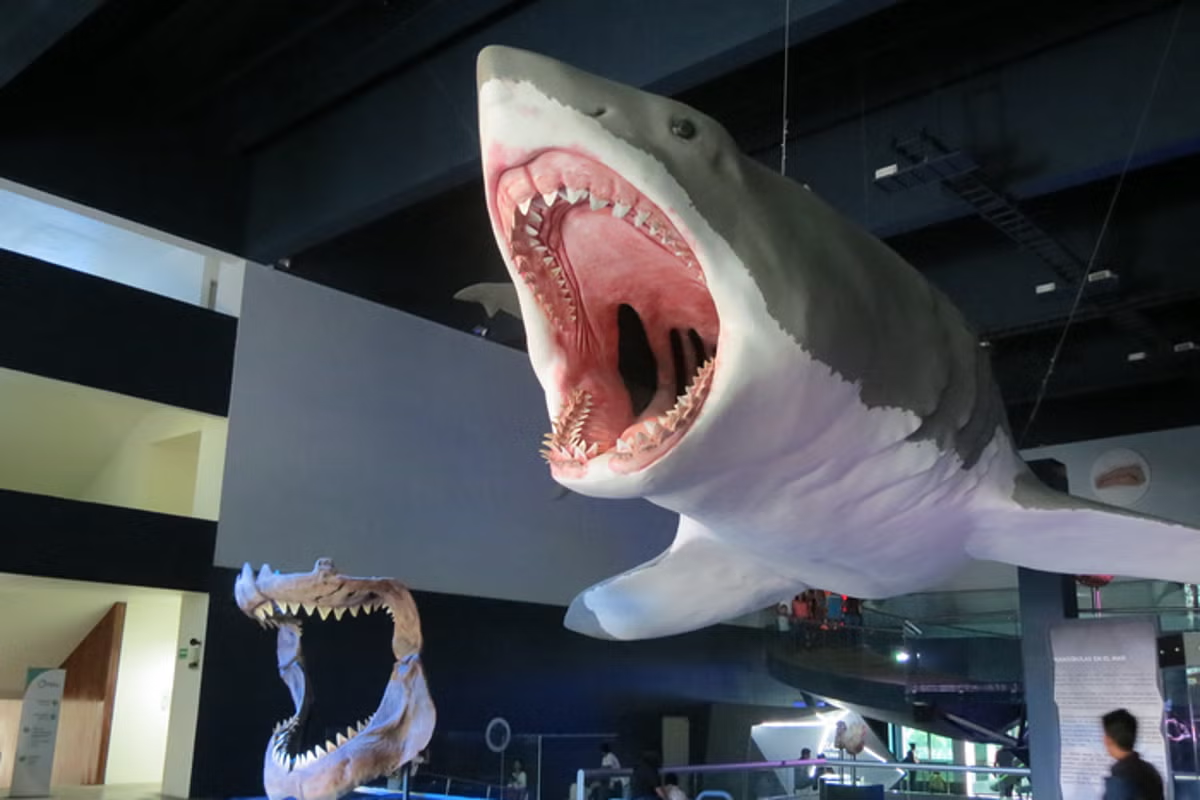
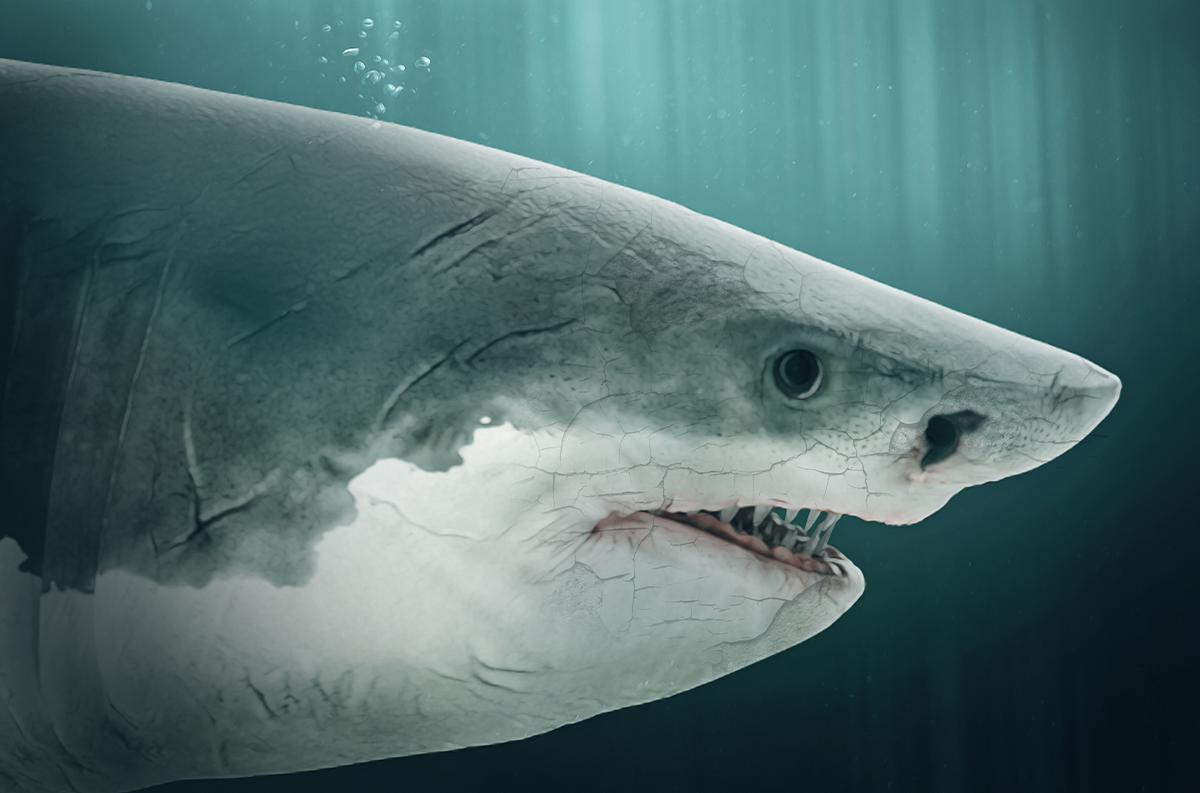
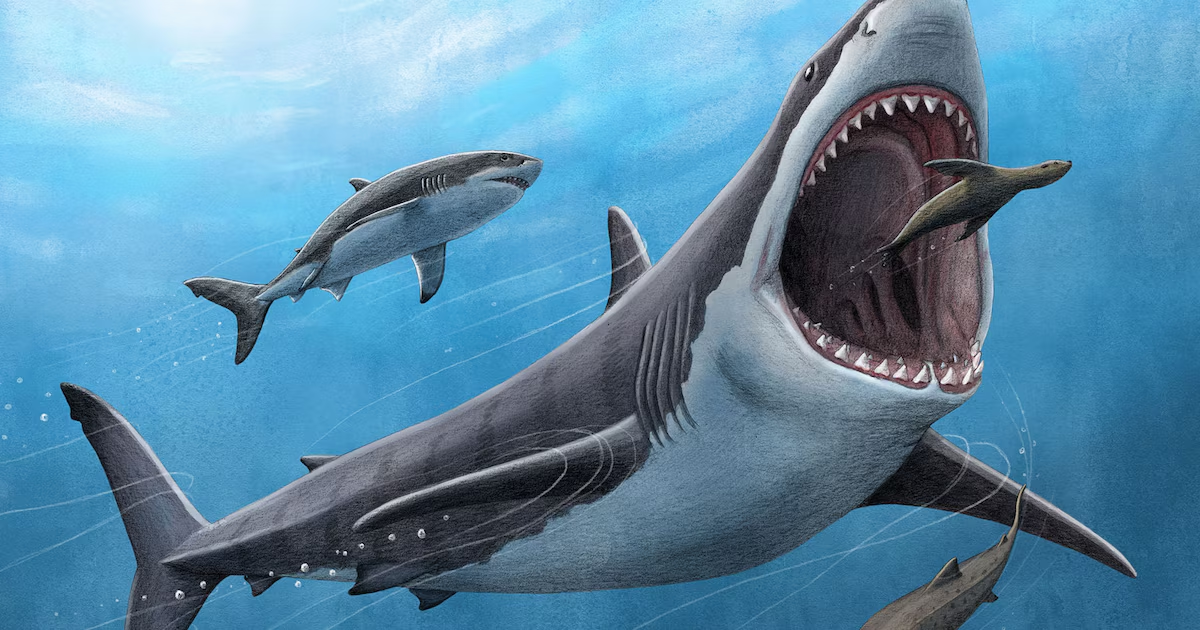
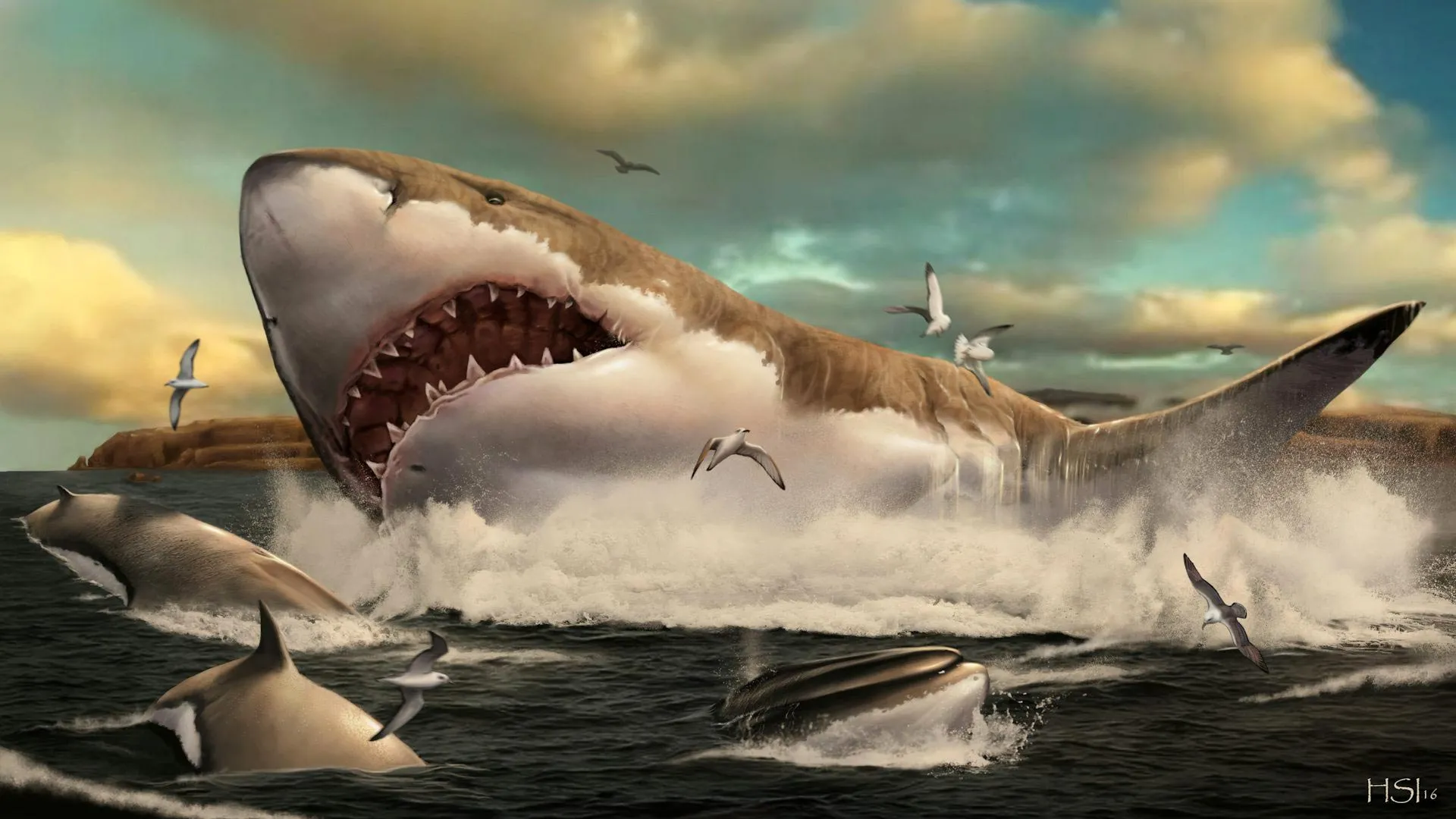
The new paper takes another look at the size and growth of this giant shark that lived between 15 and 3.5 million years ago. The study confirms previous estimates that these animals might have been longer than 24 meters (79 feet). To put that in context, even the most unnaturally exaggerated sharks in the Jaws franchise topped out at 10.5 meters (34 feet). These were seriously big fish.
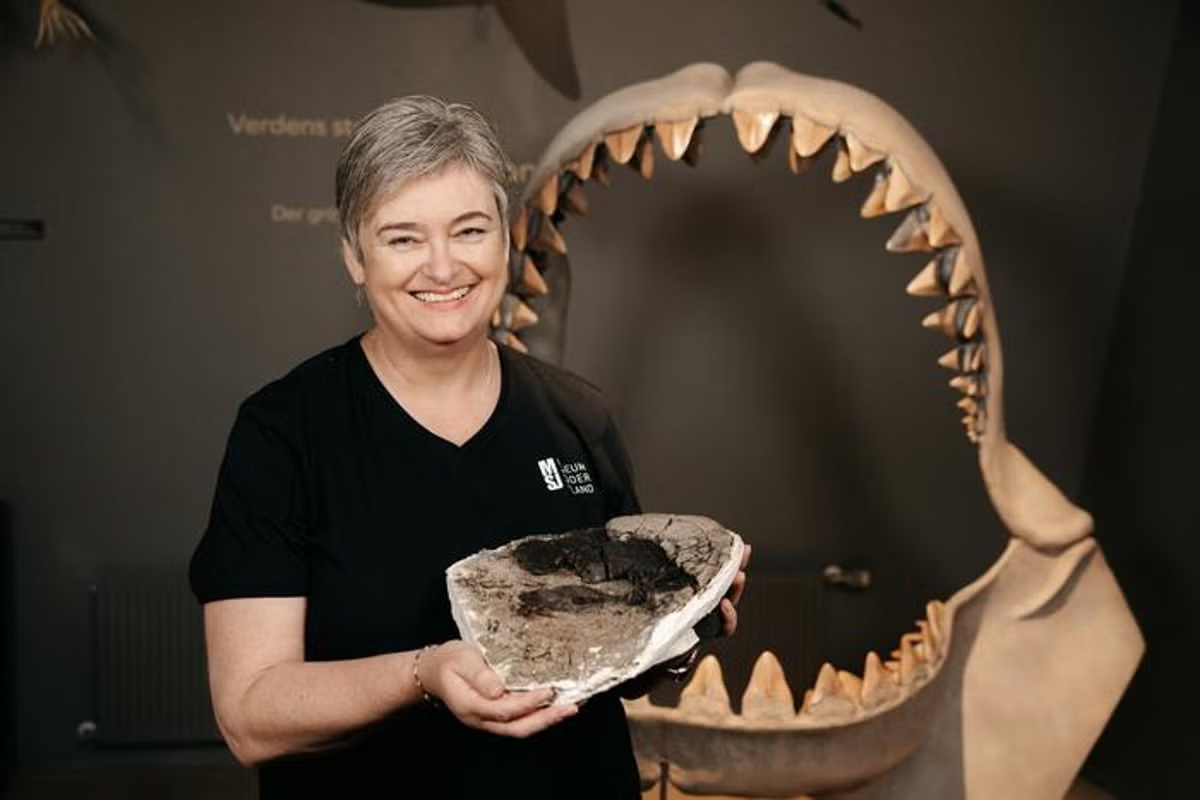
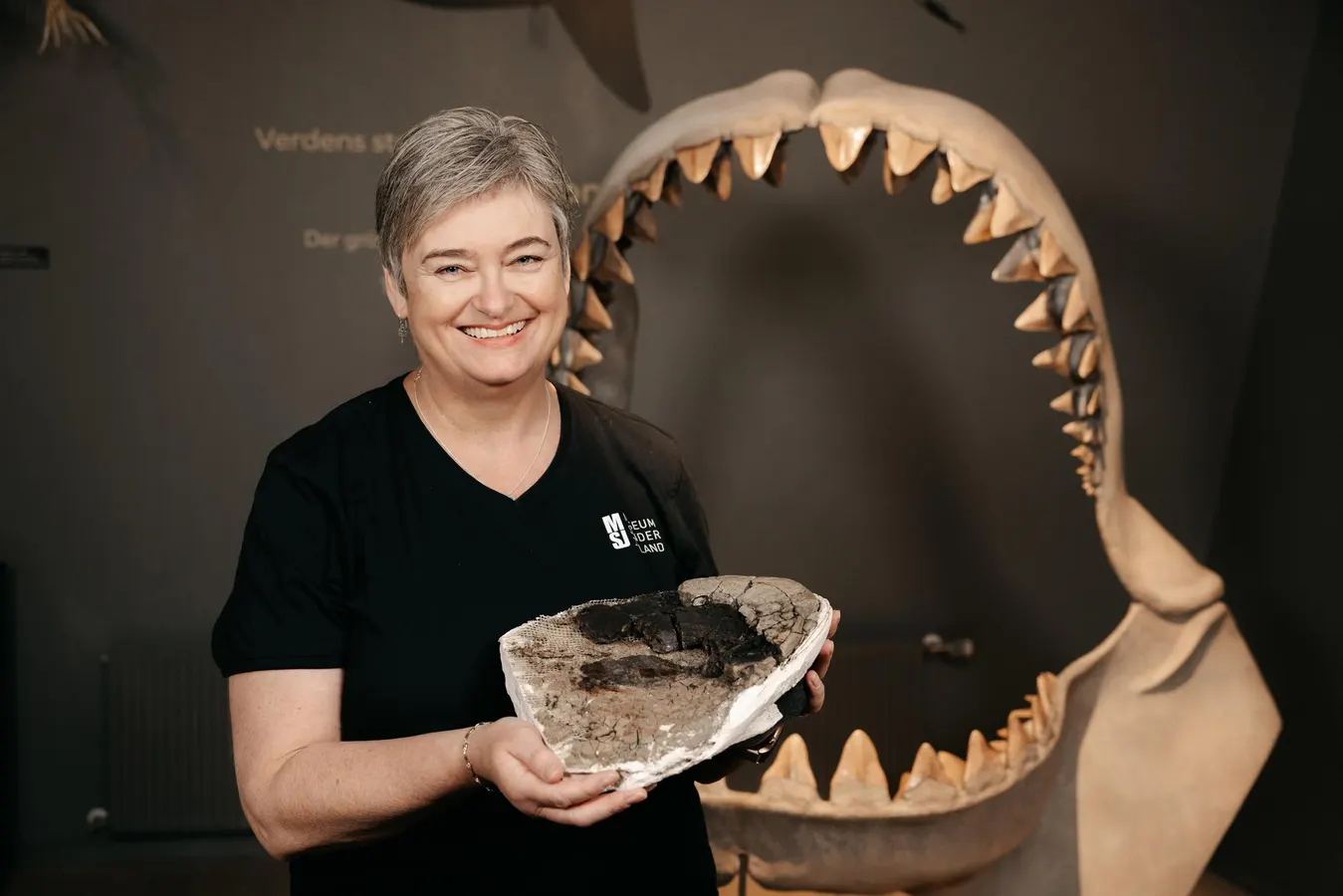
The work is based on an analysis of several 11-million-year-old vertebrae from one animal, found in Denmark. Apart from the jaws and teeth, shark skeletons are mostly cartilage, so vertebrae are rare and important. Compared to a tooth, they give a much better indication of the size of the owner and here these are the largest known of any O megalodon (23 cm / 9 inches in diameter).
These important specimens were thought to have been destroyed in a move from the Geological Museum of Copenhagen (now part of the Natural History Museum of Denmark) to the Museum of Southern Jutland in 1989. The scientific records of them were limited to old photos and descriptions. A couple of these vertebrae have now turned up, having apparently sat on a shelf unrecognized for decades. This allowed for the new study, which also estimated that a newborn O megalodon might be 3.6 meters (12 feet) long and live for nearly a century.How can museums and paleontologists lose valuable fossils?All manner of unlikely and unfortunate actions can lead to the loss of fossils from museums.