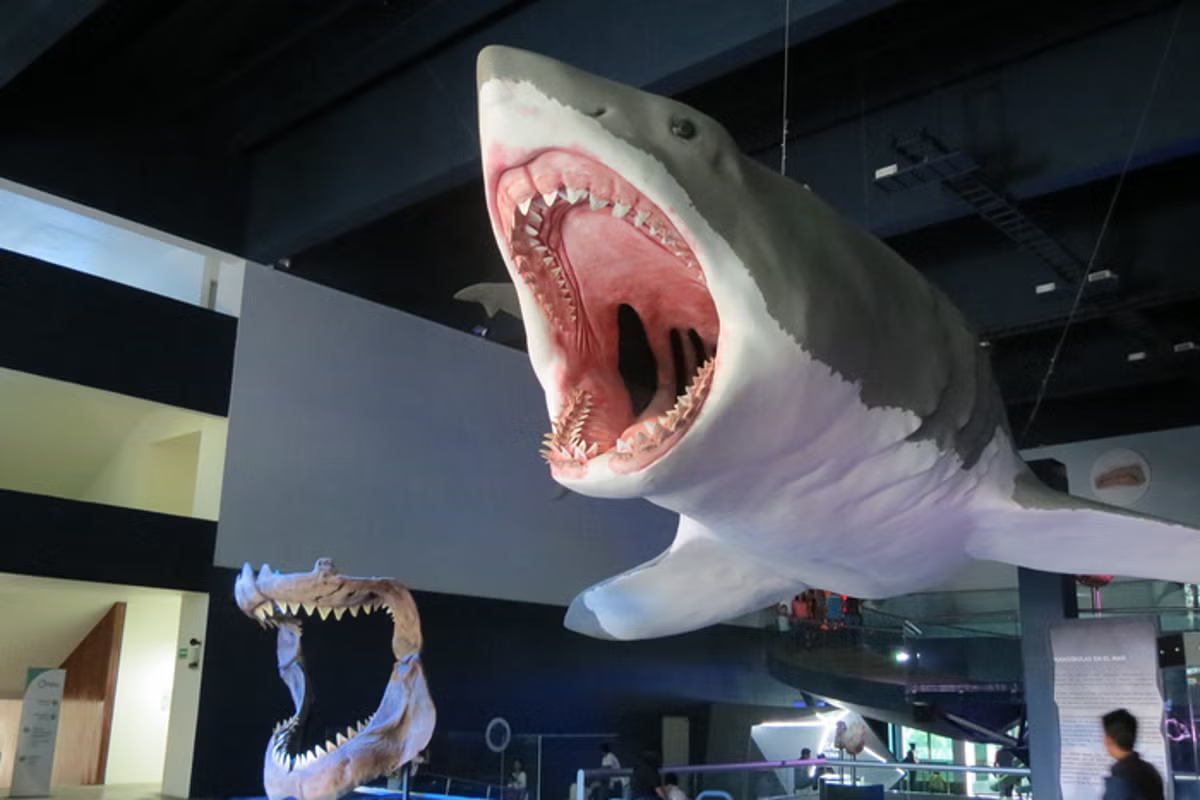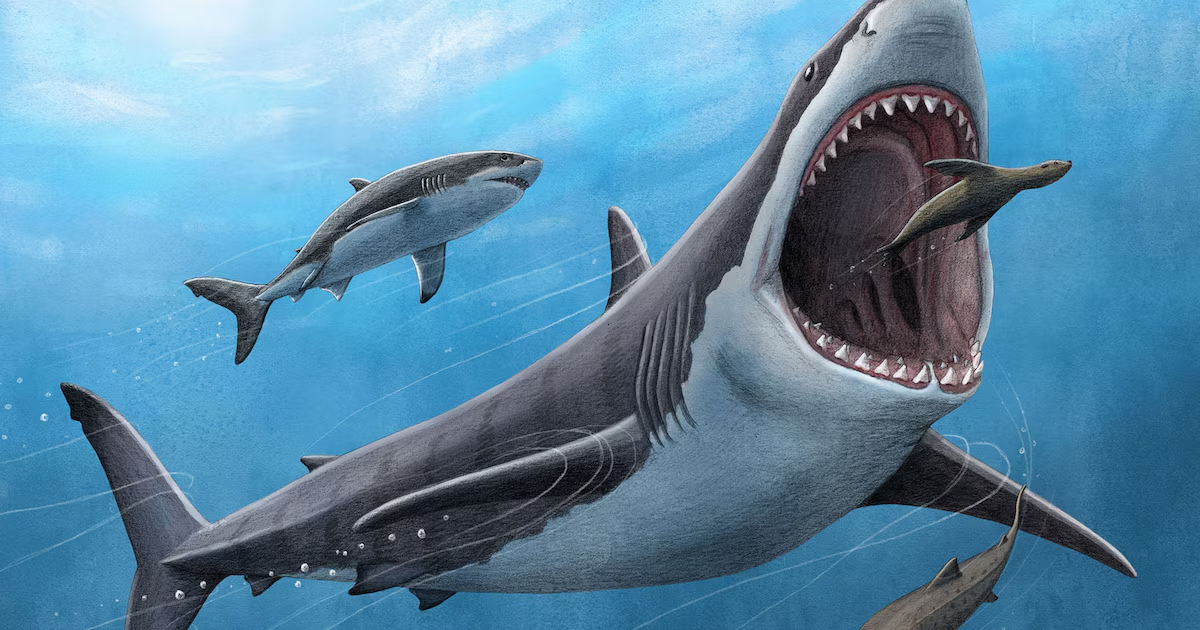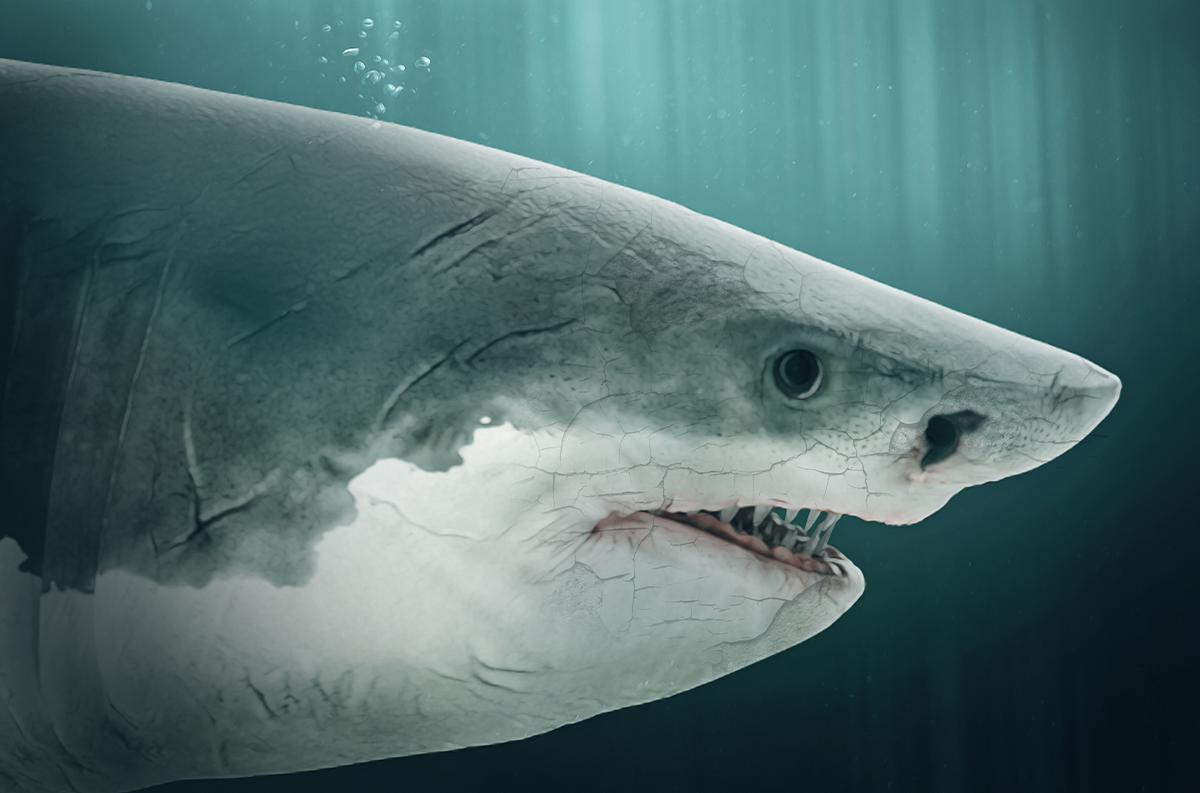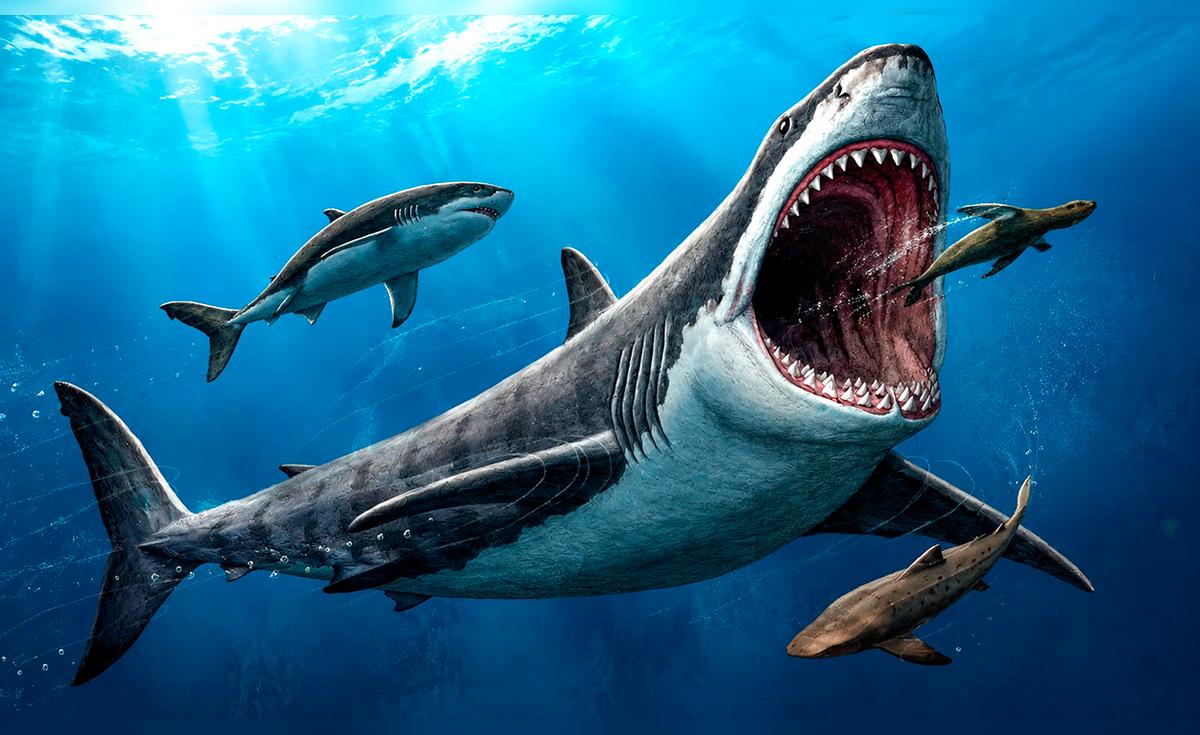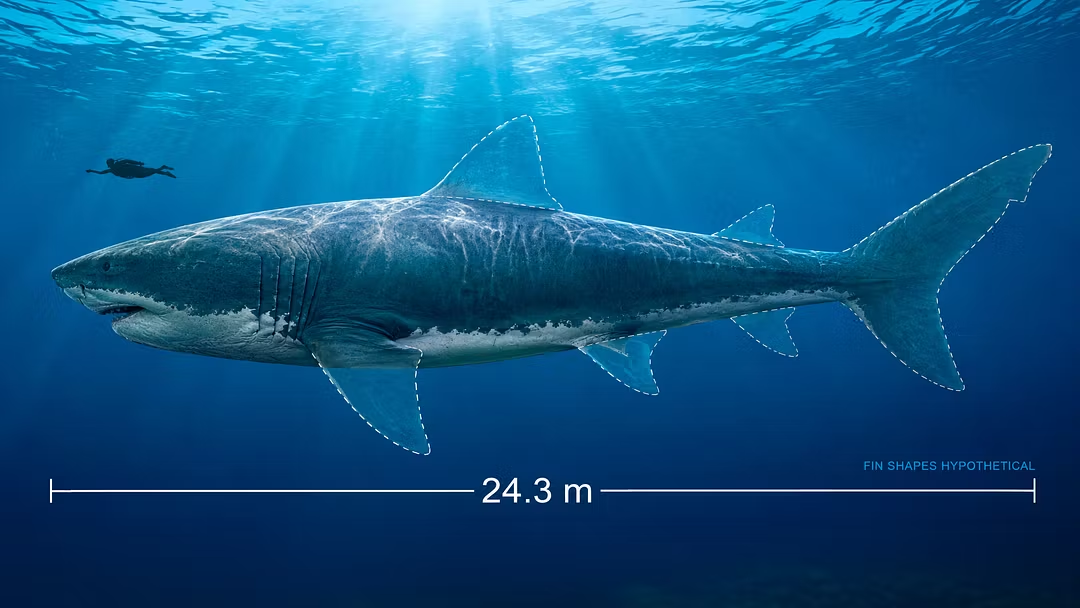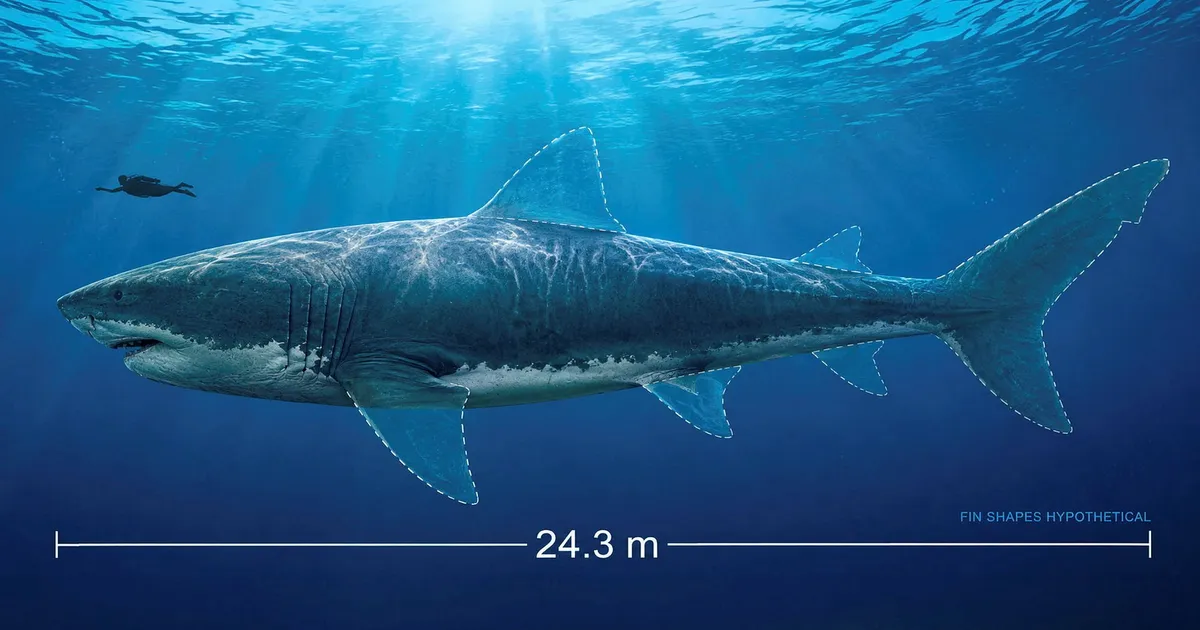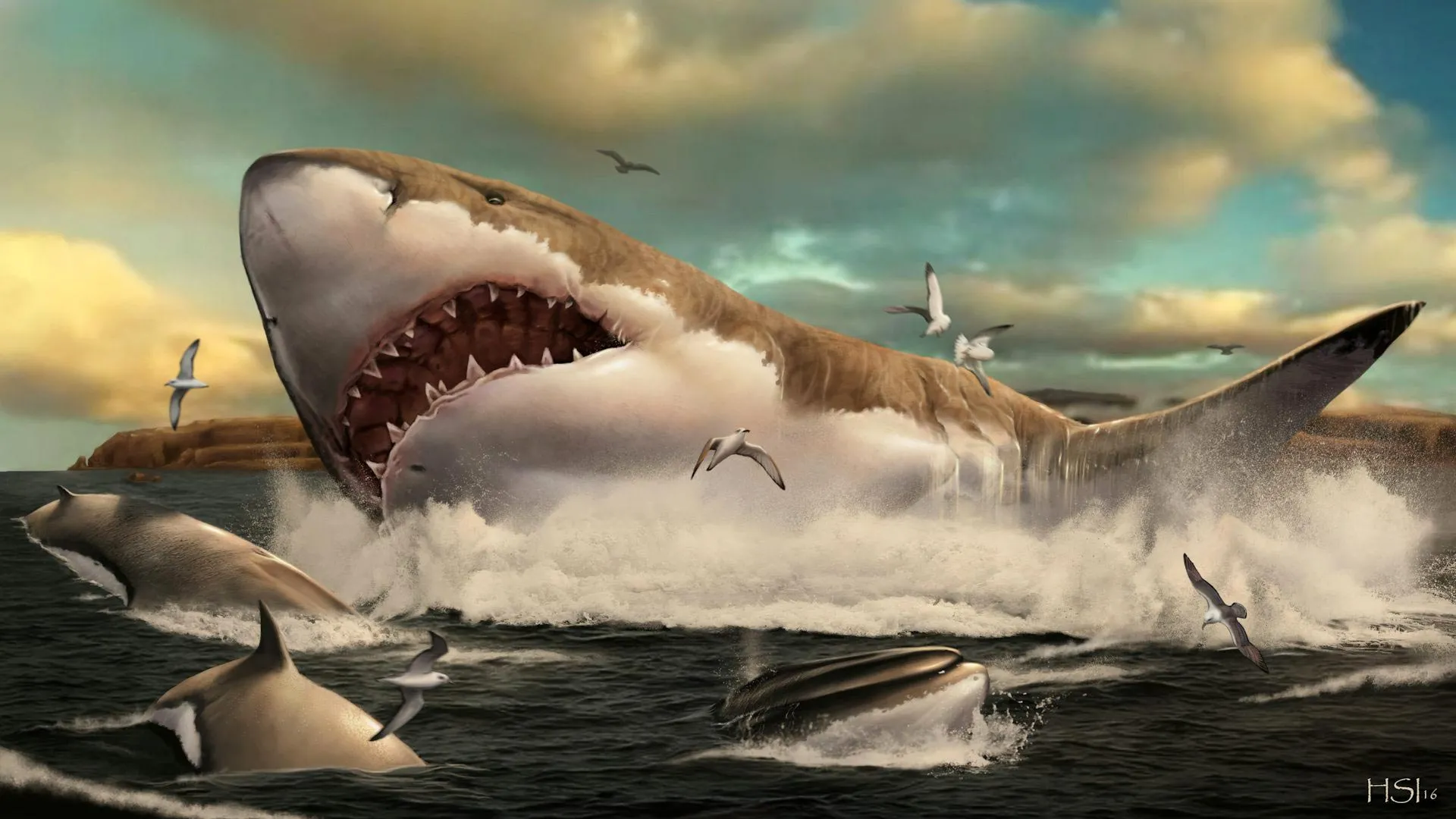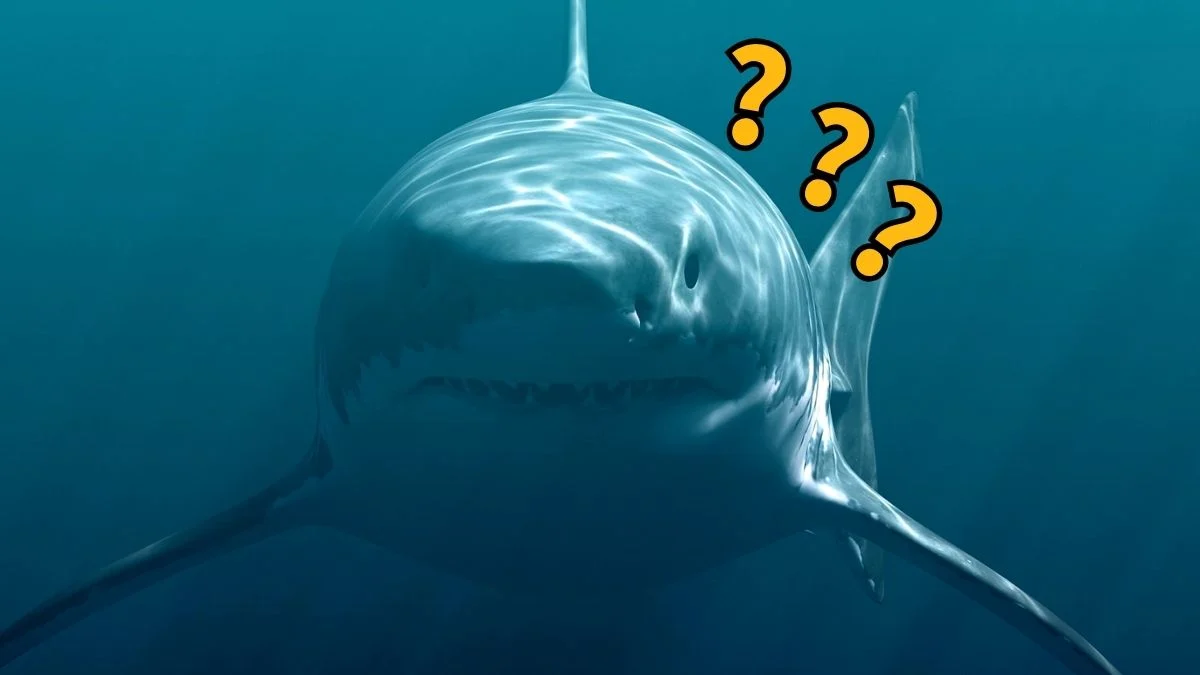
Megalodon’s enormous size is estimated from limited fossils, including vertebrae and teeth. (lexaarts/Creatas Video+/Getty Images Plus)
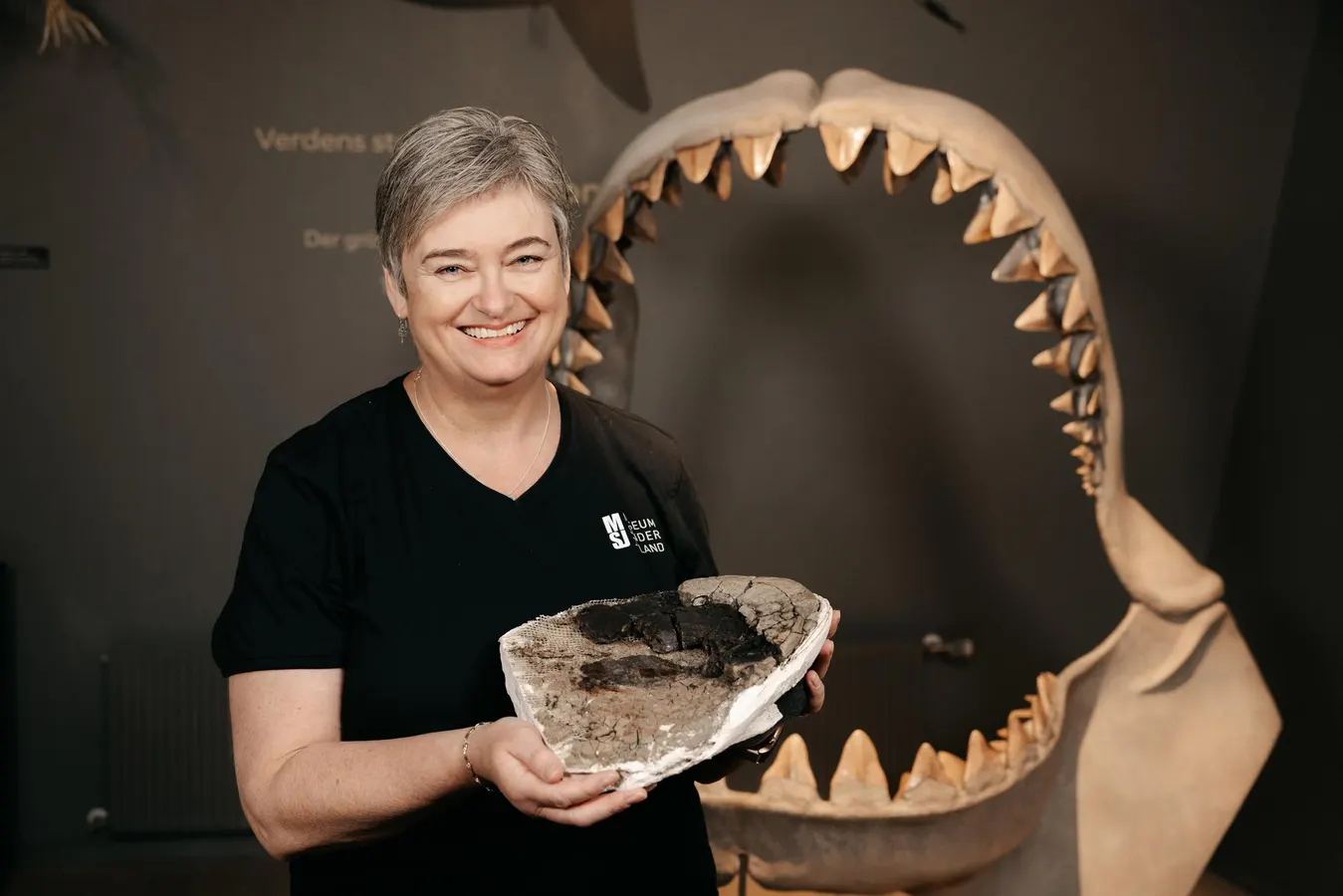
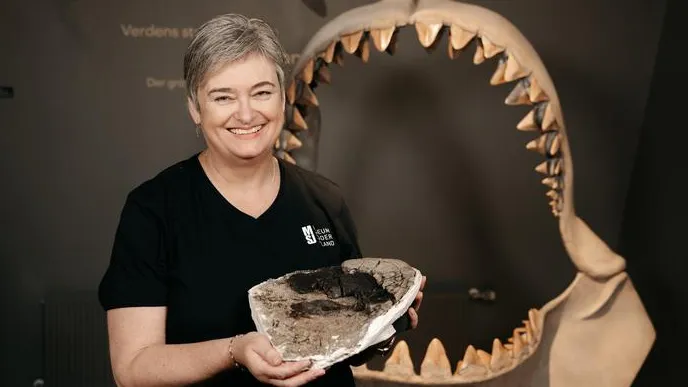
In 1978, a wonder emerged from the crumbling earth of the Gram Clay Pits in Denmark.Paleontologists were stunned when they unearthed about 20 vertebrae from a single megalodon, including one that, at 23 centimeters (9 inches) across, was larger than any megalodon vertebra ever found, before or since.That vertebra became the foundation for maximum size estimates of the giant shark (Otodus megalodon), suggesting a huge monster that terrorized Neogene seas.Then, disaster struck.In 1989, while being moved from one storage facility to another, the specimen was severely damaged and was thought lost. It turned up again after vertebrate paleontologist and curator Bent Erik Kramer Lindow of the Natural History Museum of Denmark noticed a box of jumbled remnants and realized that he was looking at some of the missing fossils.The vertebra fossil, although damaged, confirmed the largest size estimates of megalodon. (Shimada et al., Palaeontol. Electron., 2026)These rediscovered remains have now been reanalyzed in a new study, confirming previous findings about megalodon and revealing new information about its lifestyle."When I first learned about the vertebral specimen from my Danish collaborators, I was in disbelief, but my immediate concern was its condition, as I was told they had been found badly damaged," first author Kenshu Shimada, a paleobiology professor at DePaul University in Chicago, told ScienceAlert."The biggest excitement came when I learned that at least one of the vertebrae preserves the center and portions of the periphery. This is because it gave a radius of 11.5 centimeters, which meant that its diameter was indeed 23 centimeters, just as it was originally reported."In science, reproducibility of data is critical, so when I confirmed that measurement, I literally exclaimed, 'Yes!'"