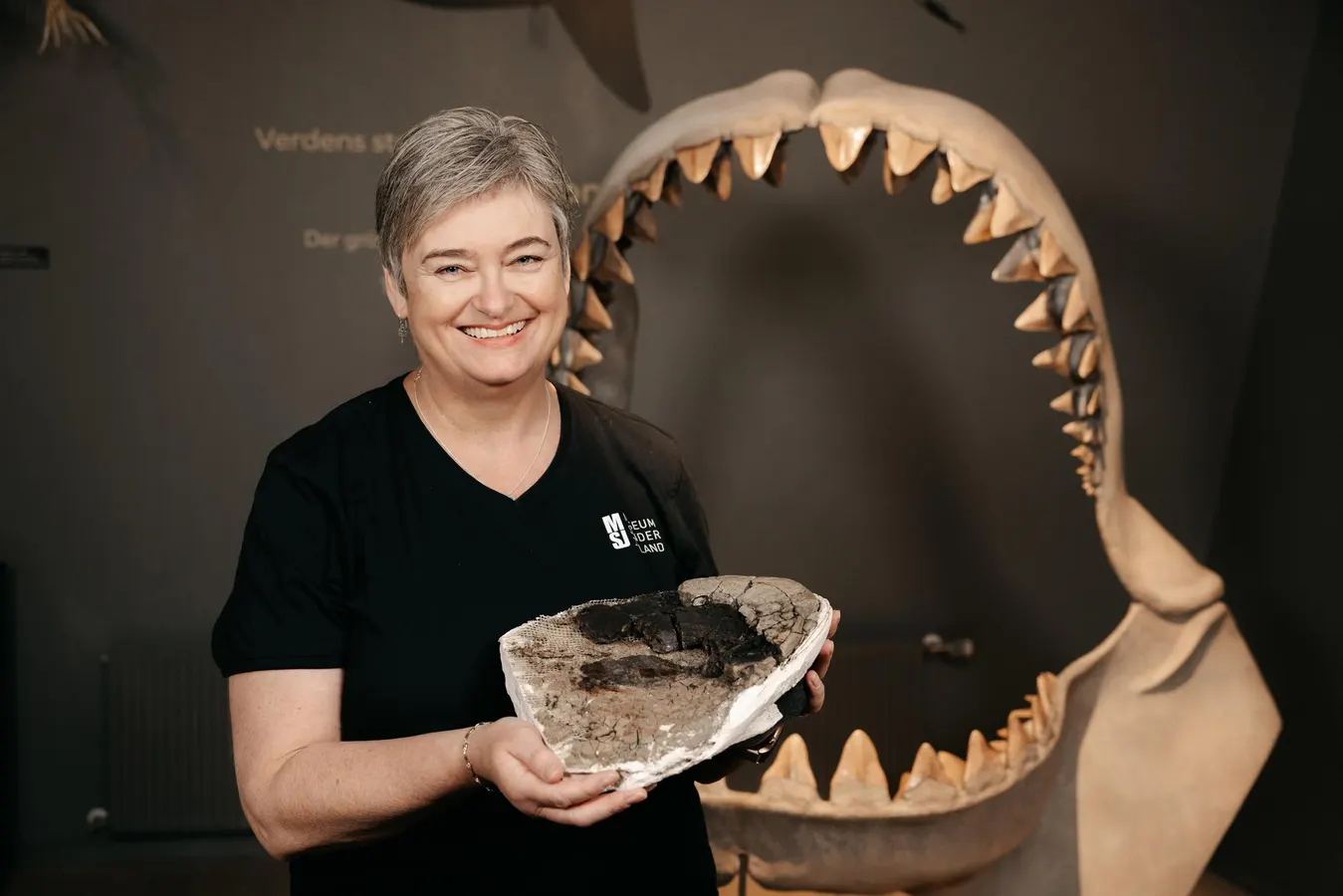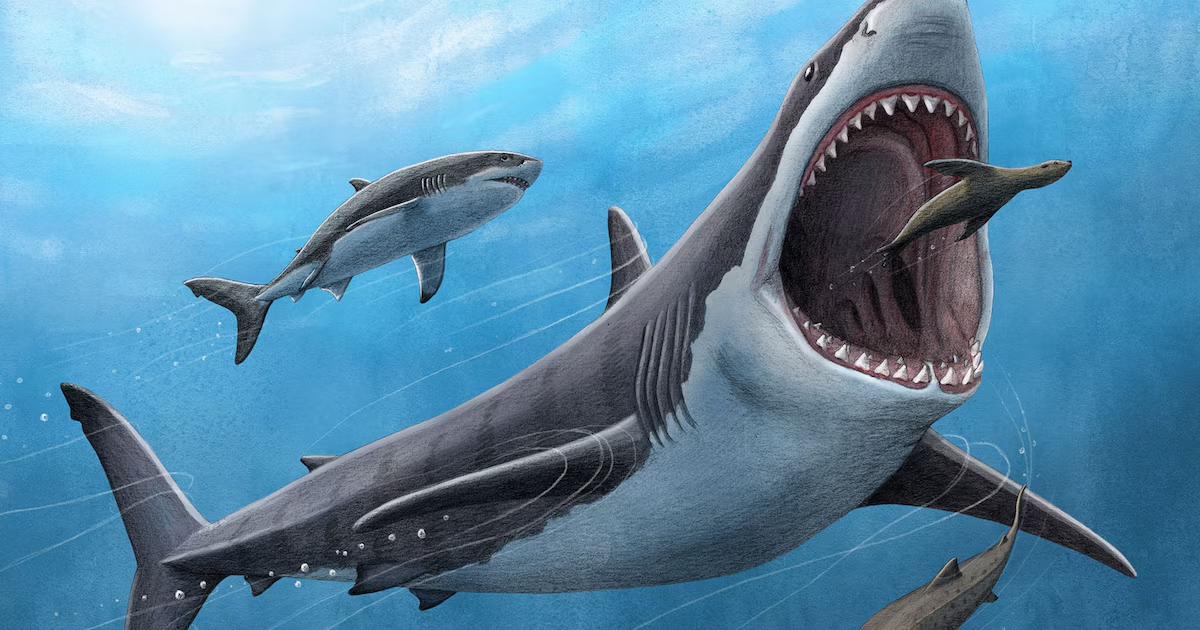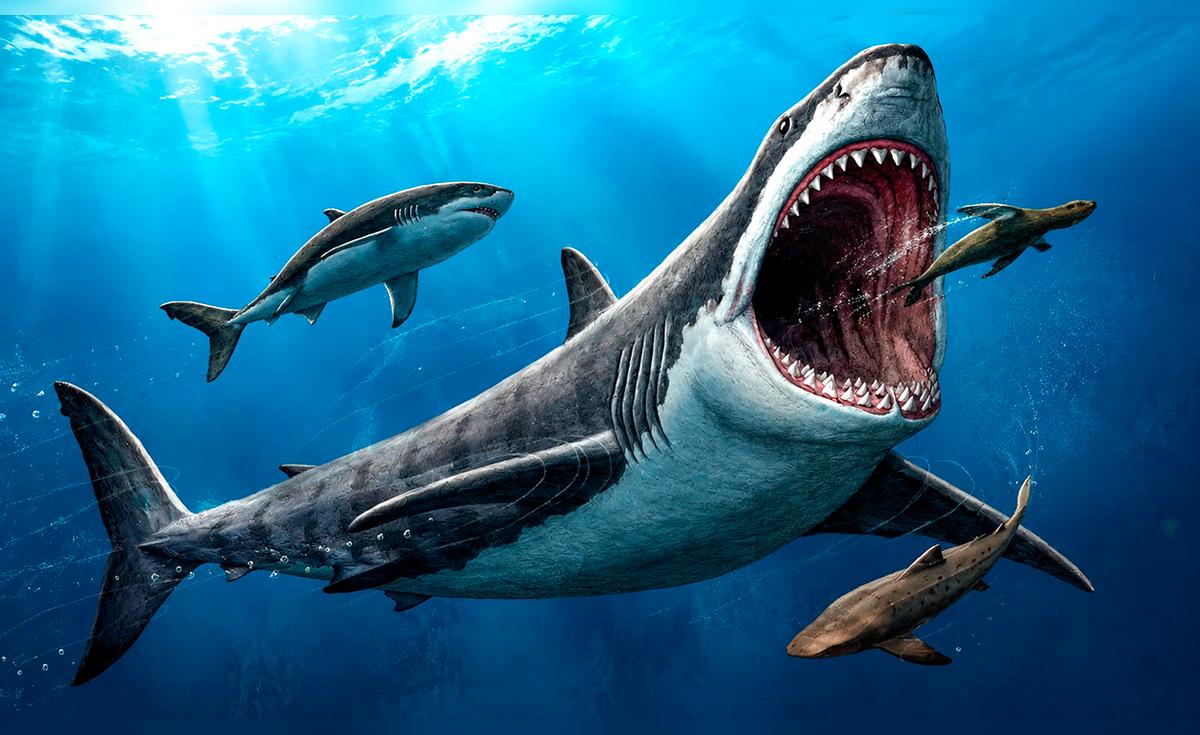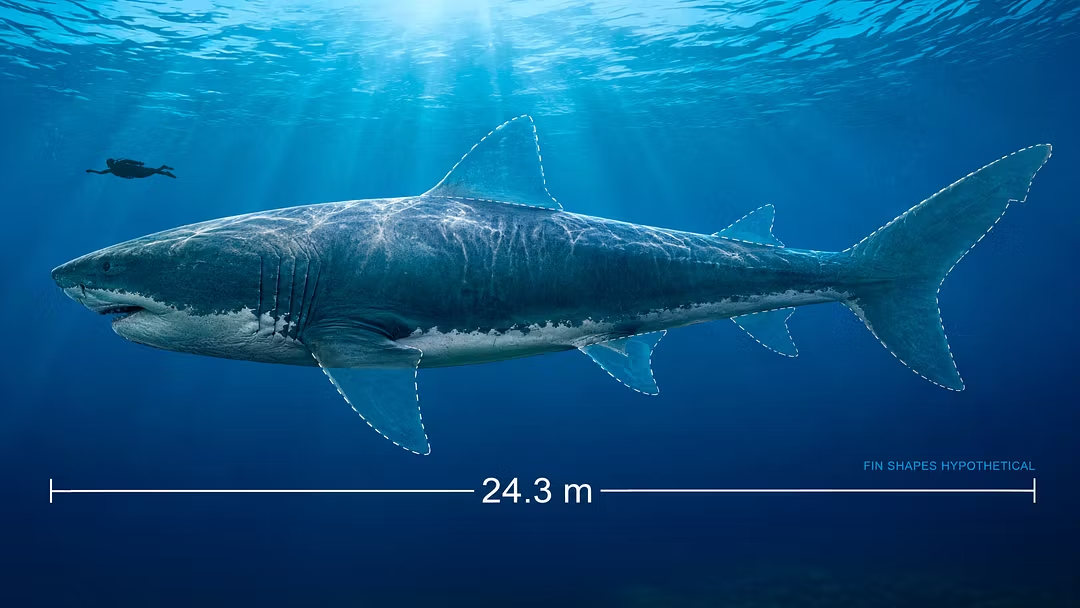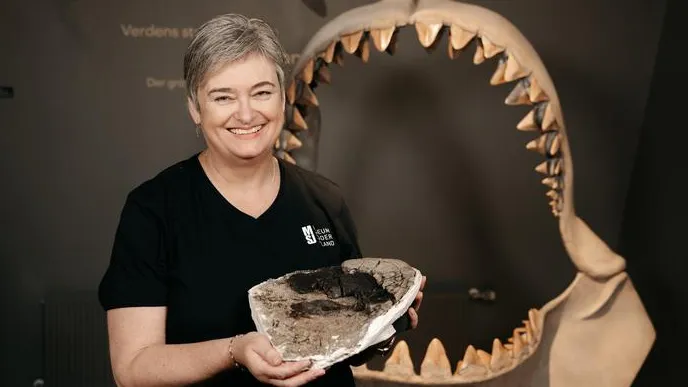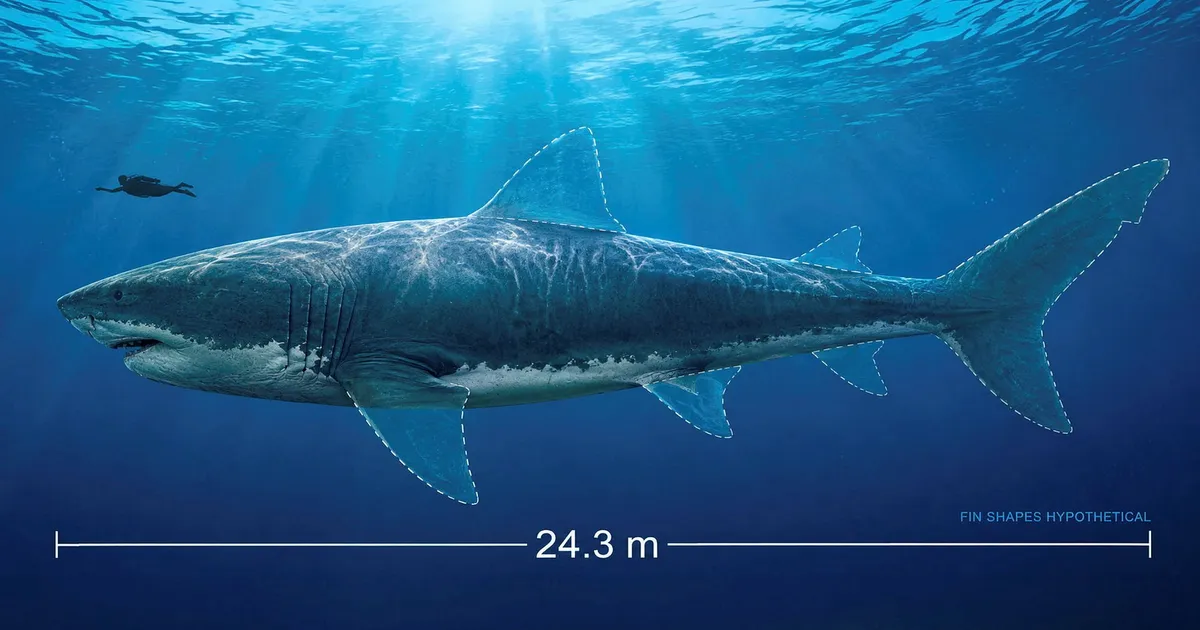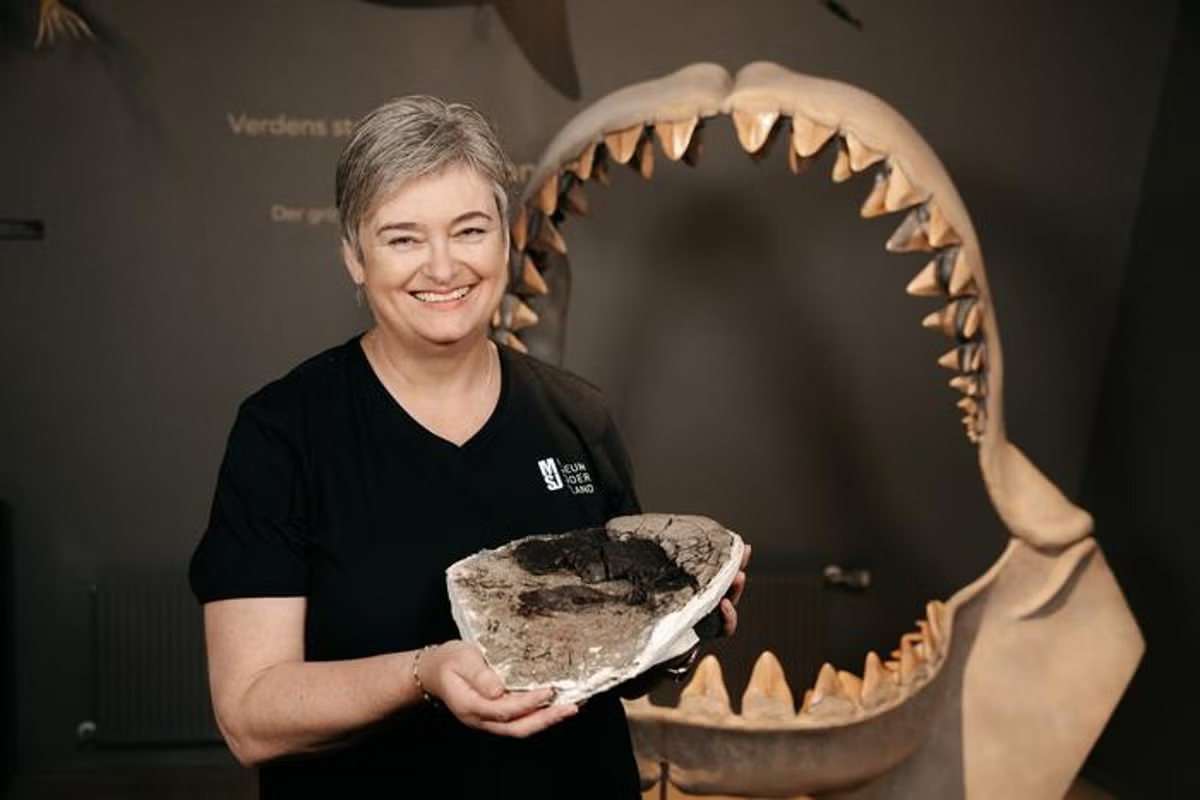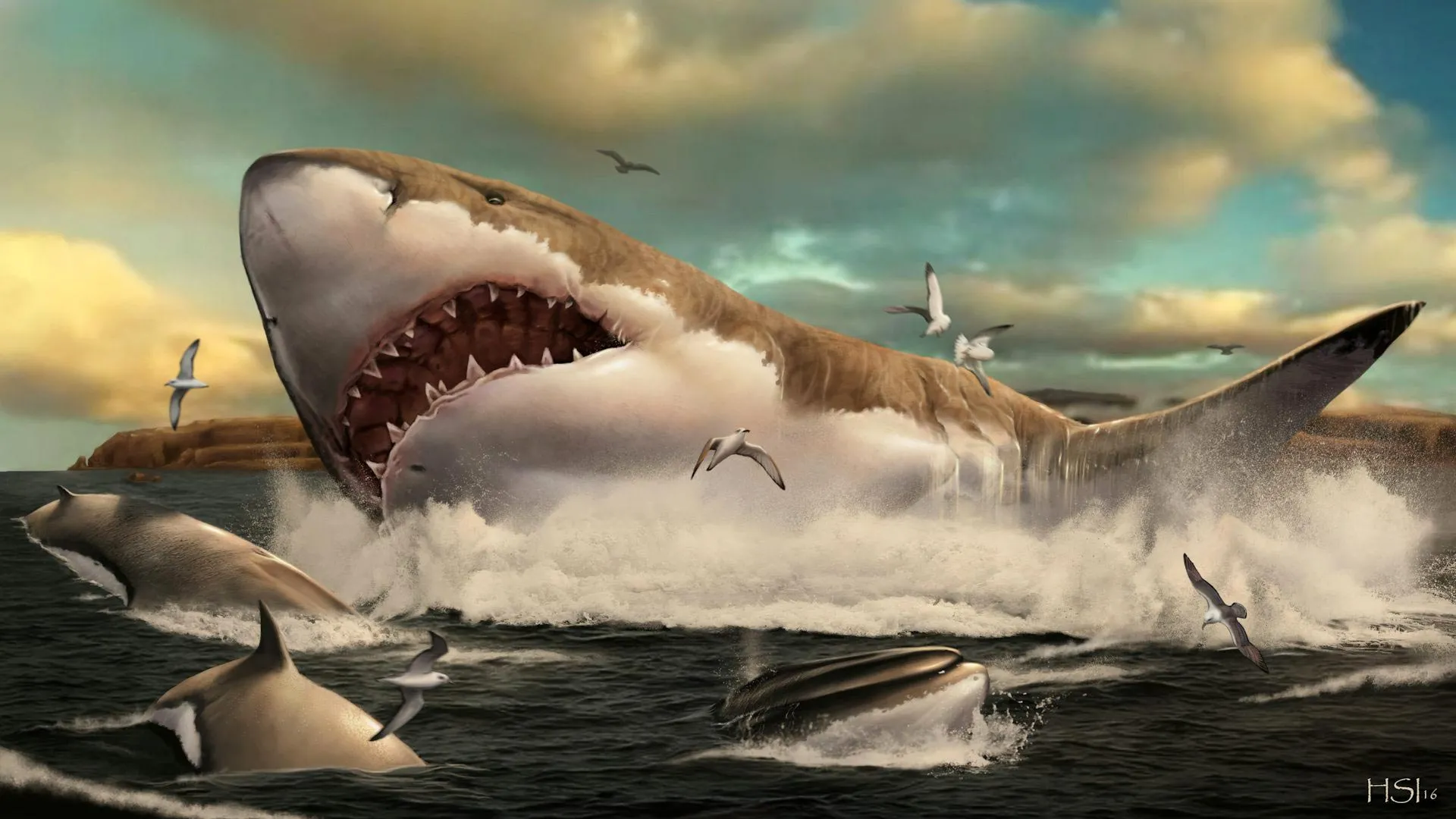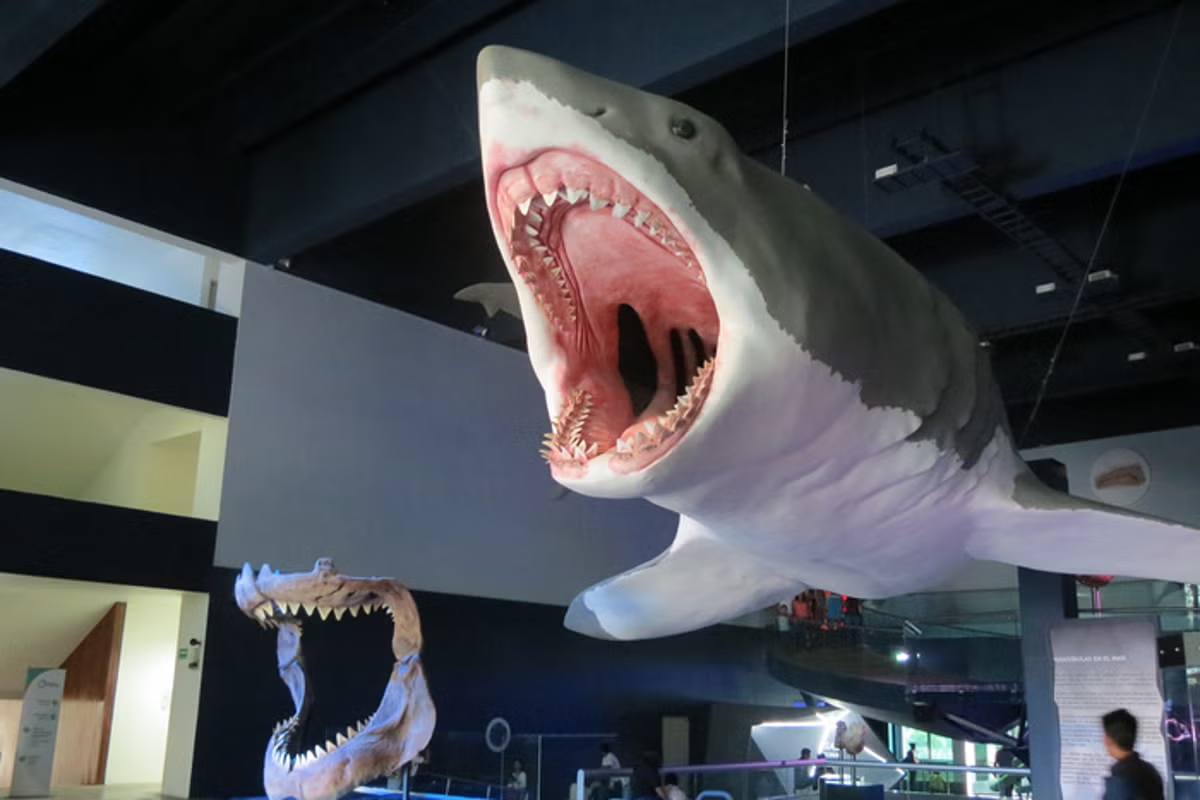
Stay up to date with notifications from The IndependentNotifications can be managed in browser preferences.Jump to contentThank you for registeringPlease refresh the page or navigate to another page on the site to be automatically logged inPlease refresh your browser to be logged inAllNewsSportCultureLifestyleReconstruction of a full-scale Megalodon and a set of teeth at the Museo de la Evolución de Puebla in Mexico (Luis Alvaz)A giant megalodon fossil, lost since the 1980s, has been rediscovered, leading to new information about the ancient shark's size and lifestyle. The vertebral bone, originally unearthed in Denmark in the late 1970s, was misplaced from the Geological Museum of Copenhagen before being found in fossil-filled boxes in the late 2010s. New analysis of the vertebrae confirmed that Otodus megalodon could reach a maximum length of 24.3 metres (approximately 79 feet) and weigh around 94 tonnes, making it the largest fish vertebrae ever recorded. Researchers, led by Kenshu Shimada, determined the individual megalodon was at least 64 years old at its death by analysing growth bands in the vertebrae, similar to tree rings. The study also found fragmentary remains of a basking shark at the same fossil site, suggesting it was stomach contents and providing the first fossil record evidence of megalodon preying on basking sharks. In fullMegalodon fossil confirms true size of massive sharkThank you for registeringPlease refresh the page or navigate to another page on the site to be automatically logged inPlease refresh your browser to be logged in
Lost megalodon fossil reveals true size of the massive ancient shark
Stay up to date with notifications from The IndependentNotifications can be managed in browser preferences.Jump to contentThank you for registeringPlease refresh the page or navigate to another page on the site to be automatically logged inPlease refresh your browser to be logged inAllNewsSportCultureLifestyleReconstruction of a full-scale Megalodon and a set of teeth at the Museo de la Evolución de Puebla in Mexico (Luis Alvaz)A giant megalodon fossil, lost since the 1980s, has been rediscovered, leading to new information about the ancient shark's size and lifestyle. The vertebral bone, originally unearthed in Denmark in the late 1970s, was misplaced from the Geological Museum of Copenhagen before being found in fossil-filled boxes in the late 2010s. New analysis of the vertebrae confirmed that Otodus megalodon could reach a maximum length of 24.3 metres (approximately 79 feet) and weigh around 94 tonnes, making it the largest fish vertebrae ever recorded. Researchers, led by Kenshu Shimada, determined the individual megalodon was at least 64 years old at its death by analysing growth bands in the vertebrae, similar to tree rings. The study also found fragmentary remains of a basking shark at the same fossil site, suggesting it was stomach contents and providing the first fossil record evidence of megalodon preying on basking sharks. In fullMegalodon fossil confirms true size of massive sharkThank you for registeringPlease refresh the page or navigate to another page on the site to be automatically logged inPlease refresh your browser to be logged in