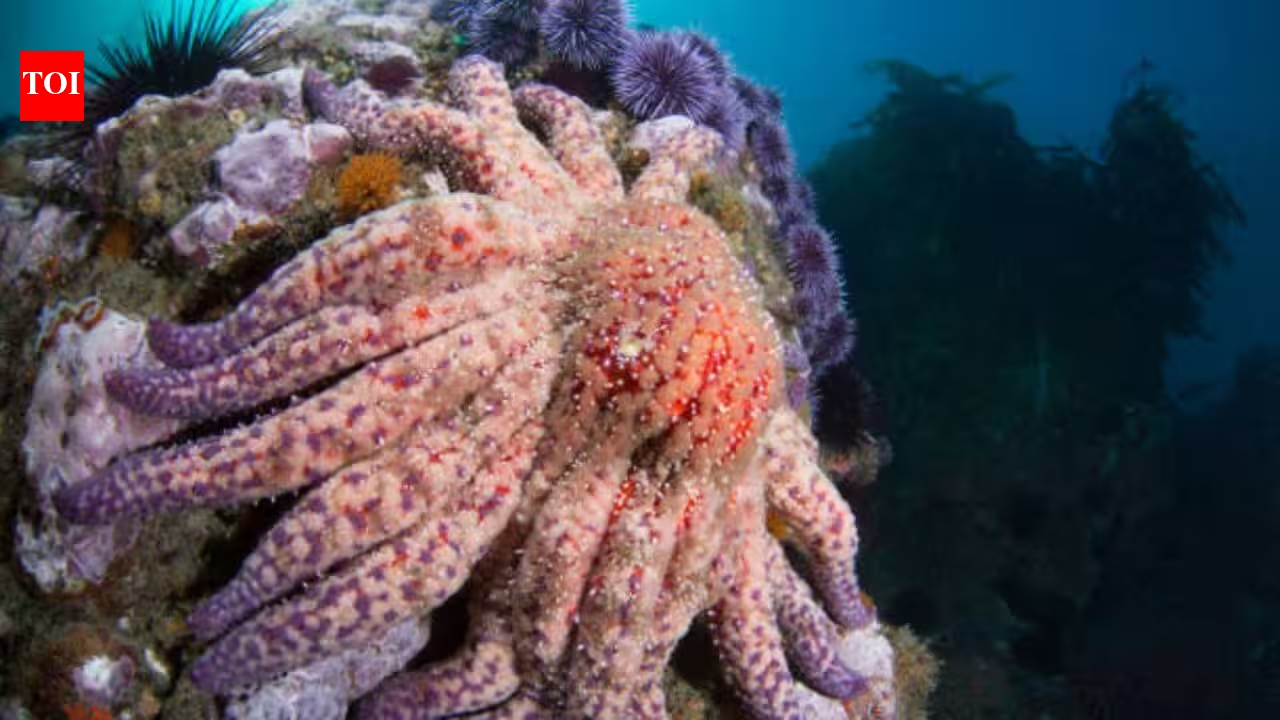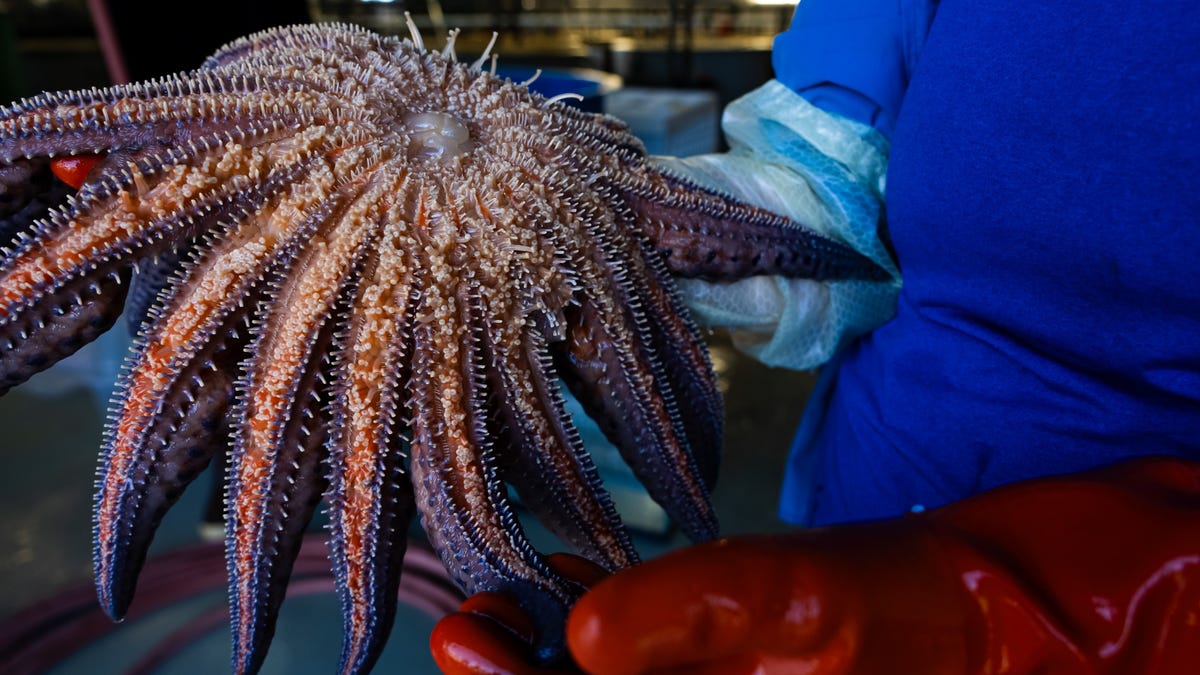
A remarkable conservation effort is unfolding in Washington’s San Juan Islands, where the Samish Indian Nation and University of Washington researchers have released 20 lab-raised sunflower sea stars into the Salish Sea.
The endangered predators were raised for three years at Friday Harbour Laboratories before being carefully transported to waters off Decatur Island.
Their return to the wild marks a significant milestone in efforts to rebuild a species devastated by sea-star wasting disease, which caused catastrophic population declines across the Pacific coast.
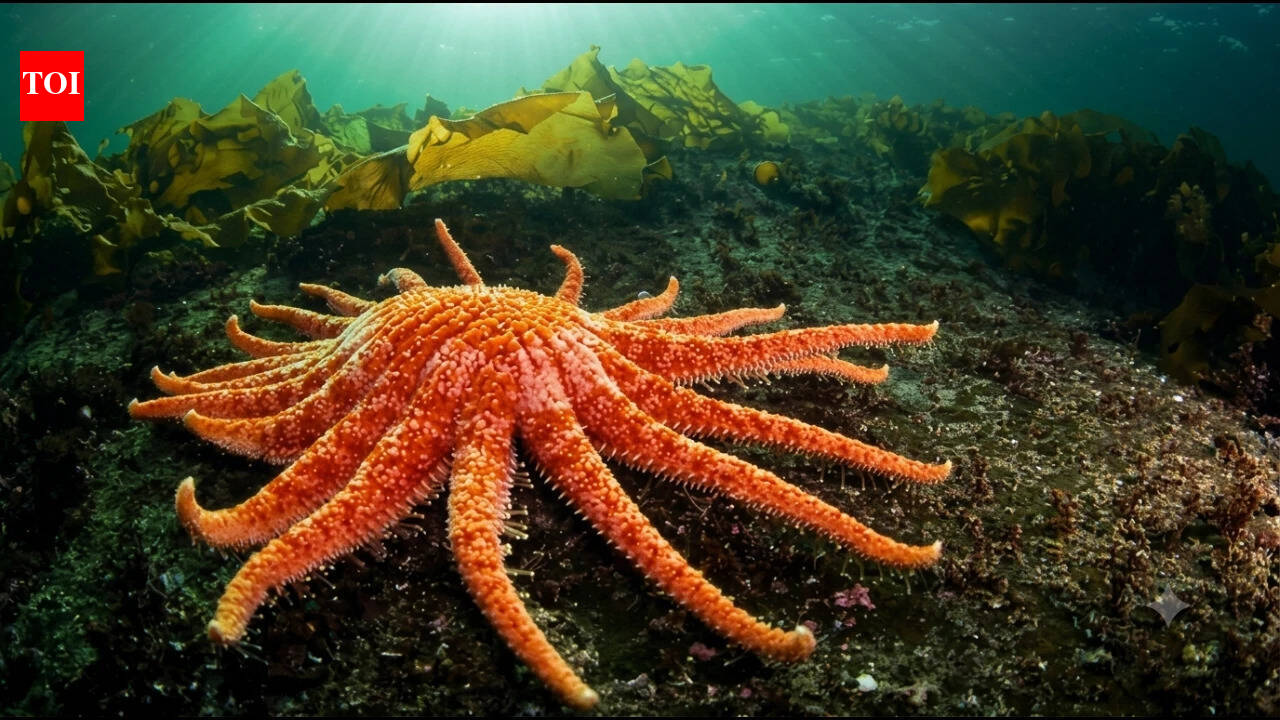
Sunflower sea stars play a vital role in maintaining healthy marine ecosystems because they prey on sea urchins that can consume vast areas of kelp when left unchecked.
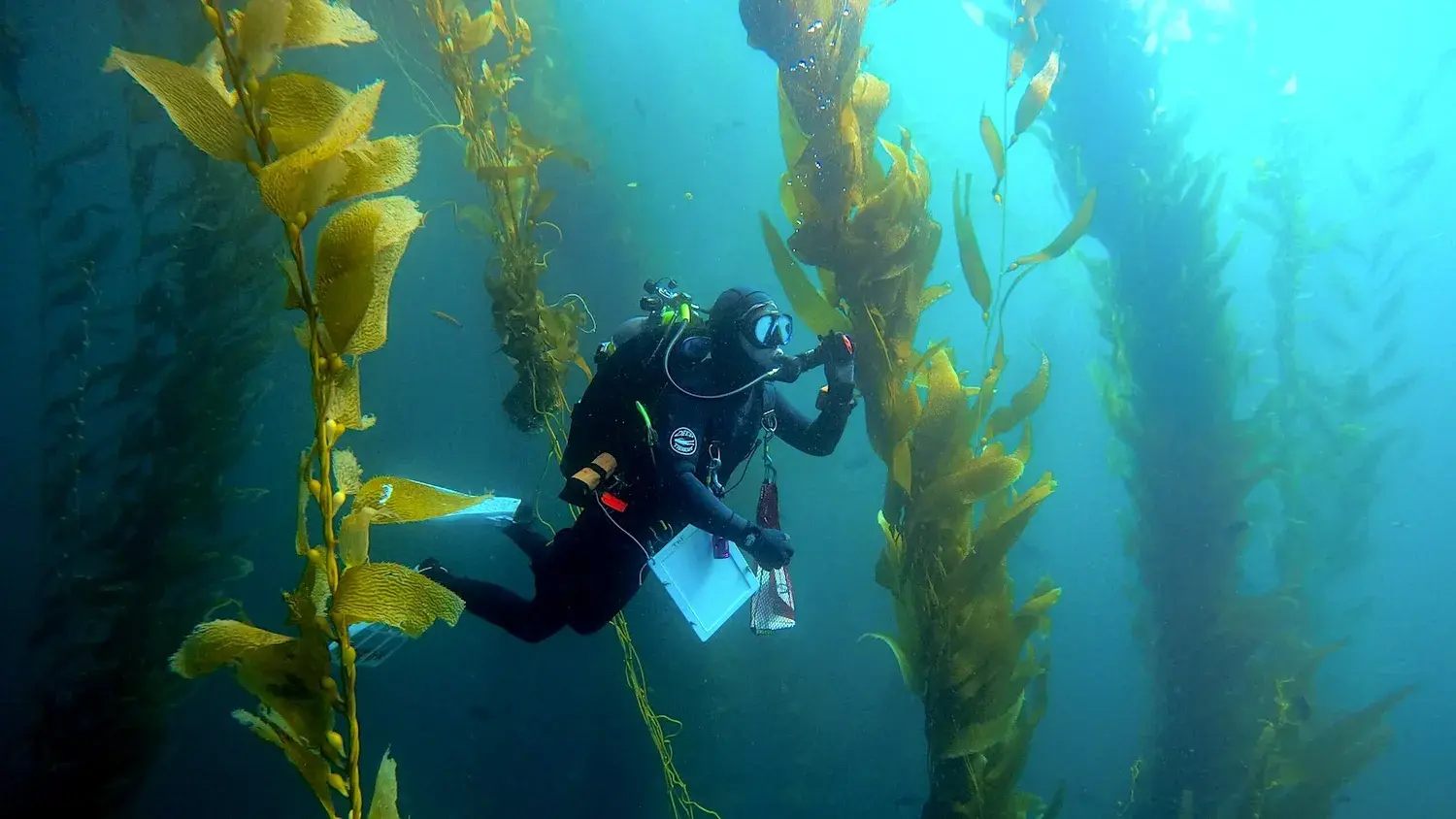
By restoring these natural predators, scientists and tribal conservationists hope to strengthen damaged kelp forests and restore balance to the coastal food web.Why sunflower stars are crucial to Washington’s kelp forestsSunflower sea stars are important predators in Pacific Northwest coastal ecosystems, particularly because they prey on purple sea urchins that graze heavily on kelp.