Get the latest news and updates from Dawn
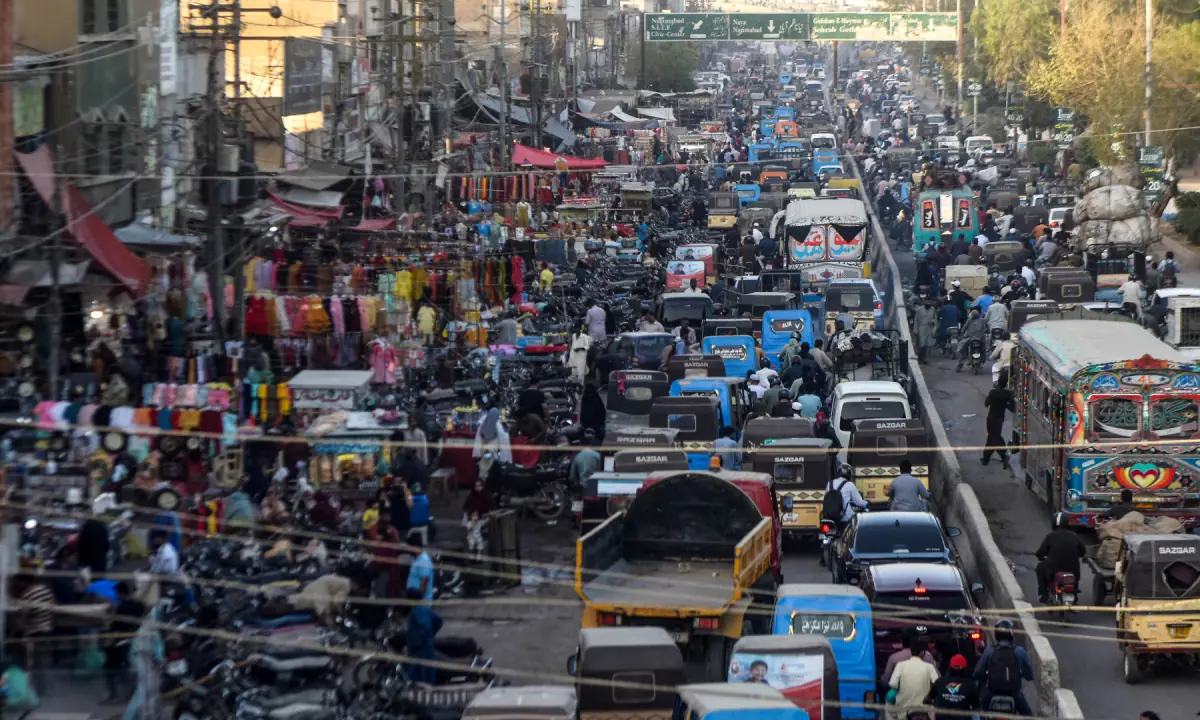
When Pakistan came into existence in August 1947, Karachi was a city of roughly 435,000 people. Within months, its population changed dramatically. Hundreds of thousands of Muslim refugees arrived from India after Partition, seeking shelter, employment and security in the new country’s capital.
The city’s infrastructure, housing stock and public services had never been designed to absorb such numbers in such a short time. The shortage of housing that Karachi experiences today has its roots in those first years after Independence.
The newly established government faced an emergency unlike any it had encountered before. Refugees were accommodated in schools, military barracks, public buildings and temporary camps. Many forcibly occupied abandoned properties left behind by Hindus and Sikhs who had migrated to India. Others erected makeshift shelters on vacant land. These arrangements were intended to be temporary, but many became permanent as the demand for affordable housing continued to grow.
Karachi’s population more than doubled within a few years. By the 1951 Census, the city’s population had reached over one million people. Migration continued throughout the following decade, as people arrived not only from India but also from Punjab, the North-West Frontier Province (now Khyber Pakhtunkhwa or KP) and Balochistan in search of work. The city was becoming Pakistan’s major commercial and administrative hub, but its housing policy failed to keep pace with its population growth.