Get the latest news and updates from Dawn
Pakistan is growing at a pace its economy can no longer absorb. As the country enters 2026 with a population of 252 million, the Pakistan Economic Survey 2025-26 places the annual growth rate at 2.07 per cent — a rate that adds millions of citizens each year to a state already struggling to provide classrooms, clinics, jobs, water, housing and basic public services.
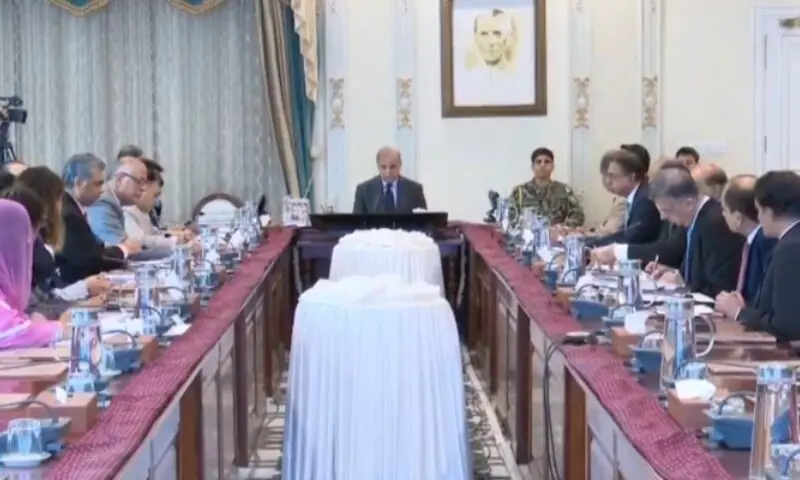
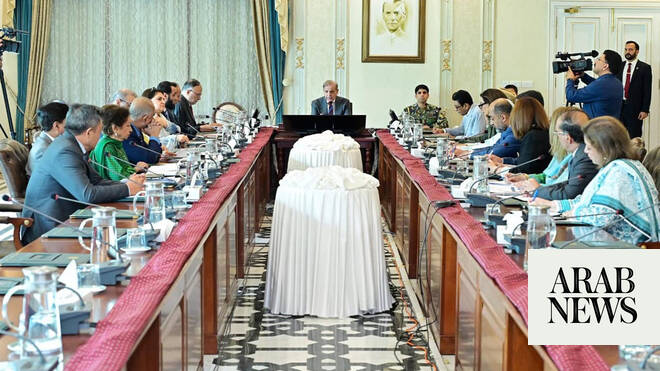
In a belated but welcome acknowledgement of this national challenge, Prime Minister Shehbaz Sharif has decided to establish and personally head the National Population Council. By bringing provincial chief ministers, regional leaders, and — notably — Chief of Defence Forces Field Marshal Syed Asim Munir under one federal umbrella, Islamabad is attempting to signal that Pakistan’s demographic crisis is no longer merely a neglected healthcare issue. It is an economic, social and governance emergency.
In Pakistan, the distance between a policy paper and a policy outcome has always been measured in decades and disappointments. For this council to succeed where earlier efforts failed, we must look beyond high-level announcements and ask a harder question — what has actually changed on the ground?