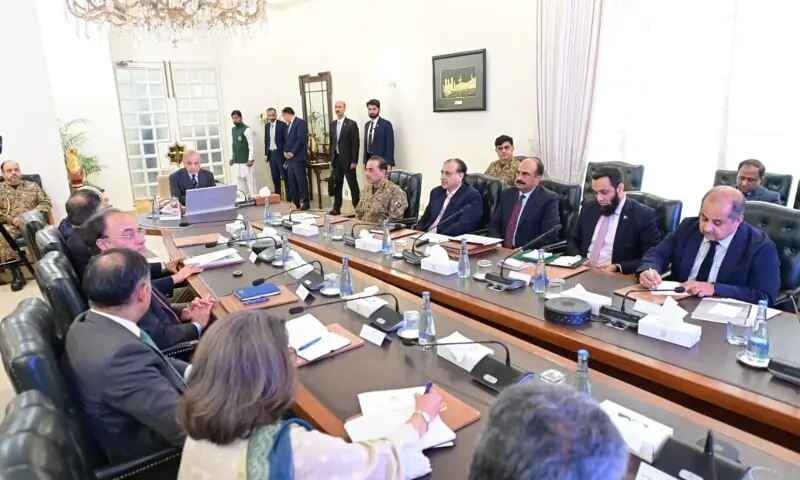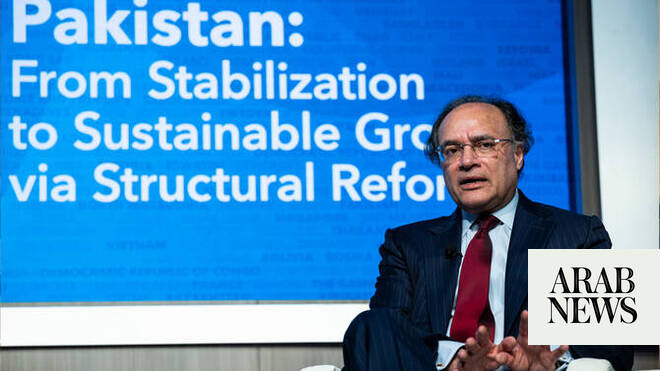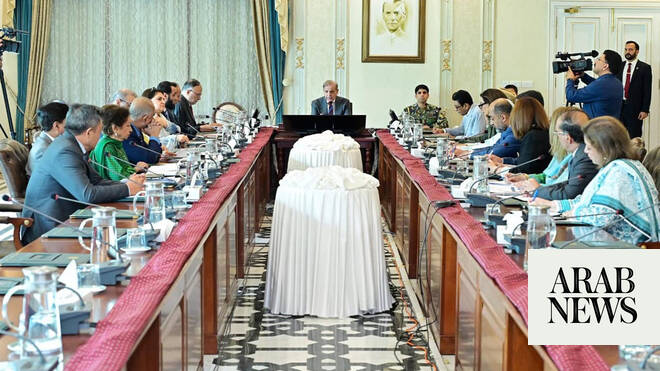
ISLAMABAD: Prime Minister Shehbaz Sharif on Thursday called for the urgent formulation of a national strategy to address Pakistan’s rapid population growth, warning that without coordinated planning, rising numbers could strain the country’s resources and economic development.
Pakistan, the fifth most populous country in the world, is grappling with a population crisis that threatens to outpace its economic growth, social services, and infrastructure. With over 240 million people and an annual growth rate of 2.55 percent, one of the highest in the region, the country faces mounting pressure on its health care, education, housing and employment systems. The pace of growth not only stretches public resources thin but also deepens inequality and urban overcrowding, especially in megacities like Karachi and Lahore.
Experts warn that if current trends continue unchecked, Pakistan’s population could exceed 400 million by 2050. Such expansion would exacerbate food insecurity, water scarcity, and climate vulnerability in a country already facing frequent natural disasters and economic instability.
Despite past commitments to family planning and reproductive health, successive governments have struggled to implement sustained, nationwide policies. The lack of coordination between federal and provincial governments, coupled with social taboos around contraception, continues to hinder progress, turning population growth into a slow-burning emergency.