KARACHI: Pakistan’s economic future depends on how effectively it can manage its rapidly growing population and escalating climate threats, the country’s finance minister warned on Monday, urging coordinated reforms to unlock the nation’s full development potential.
Pakistan’s over 241 million population, the fifth largest in the world, continues to strain an already limited resource base, putting pressure on public services, infrastructure, and the job market. With millions entering the workforce every year, the country struggles to create enough employment opportunities, while expanding demands for housing, healthcare and education widen fiscal gaps.
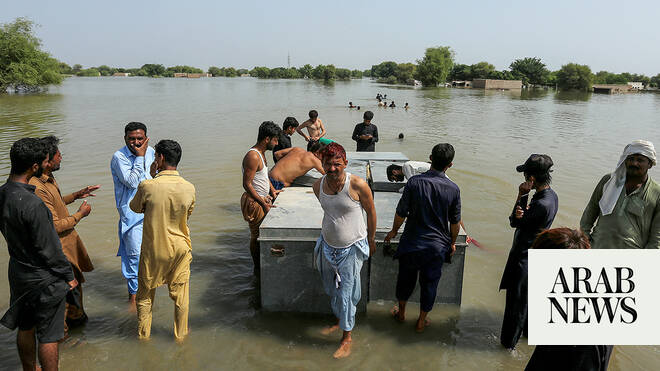
At the same time, worsening climate-related challenges, ranging from heatwaves and droughts to floods and glacial melt, are hitting key sectors such as agriculture, energy and water supply. These disruptions not only drive up costs for households and businesses but also force diversion of scarce resources to disaster response and recovery. Analysts say the twin pressures are deepening economic fragility, making sustainable growth increasingly difficult.
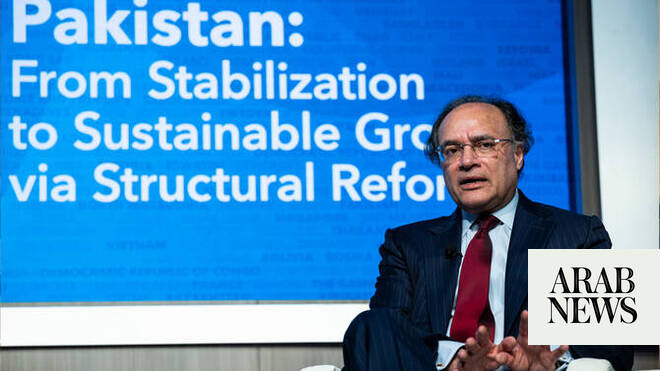
Speaking at the Pakistan Population Summit 2025 in Islamabad, Finance Minister Muhammad Aurangzeb said while the government continues to focus on economic recovery and the transition from stabilization to growth, the country’s long-term potential envisioned in various studies, projecting Pakistan as a $3 trillion economy by 2047, cannot be realized without addressing the core issues of climate change and population growth.