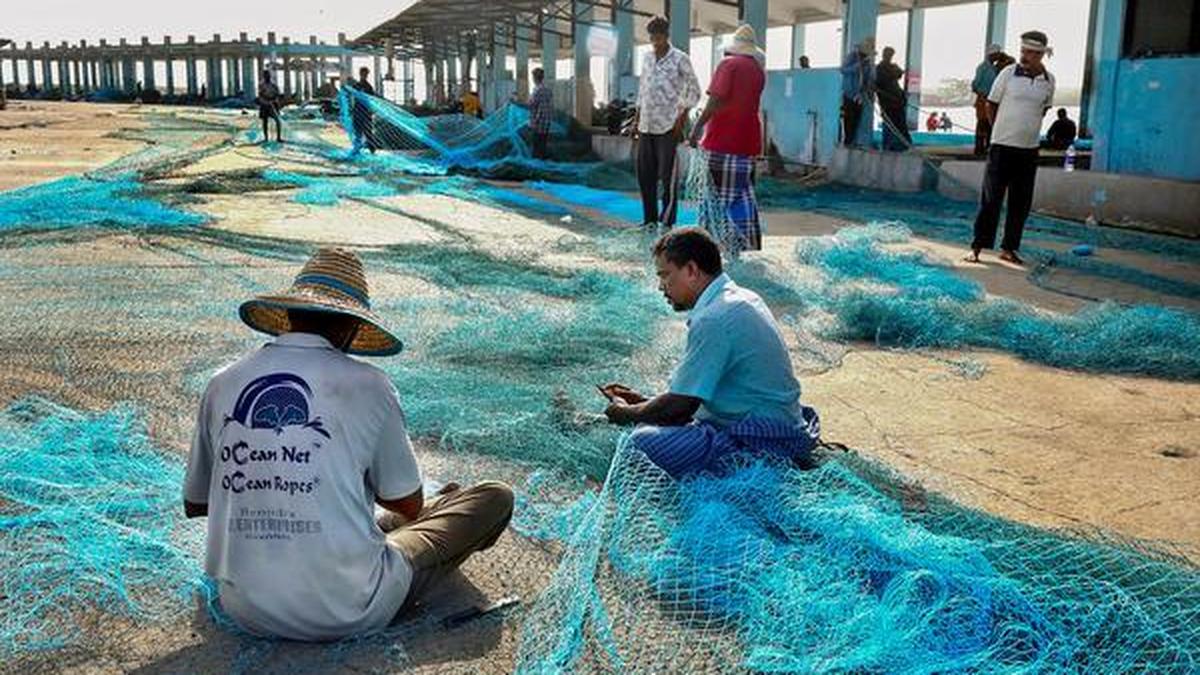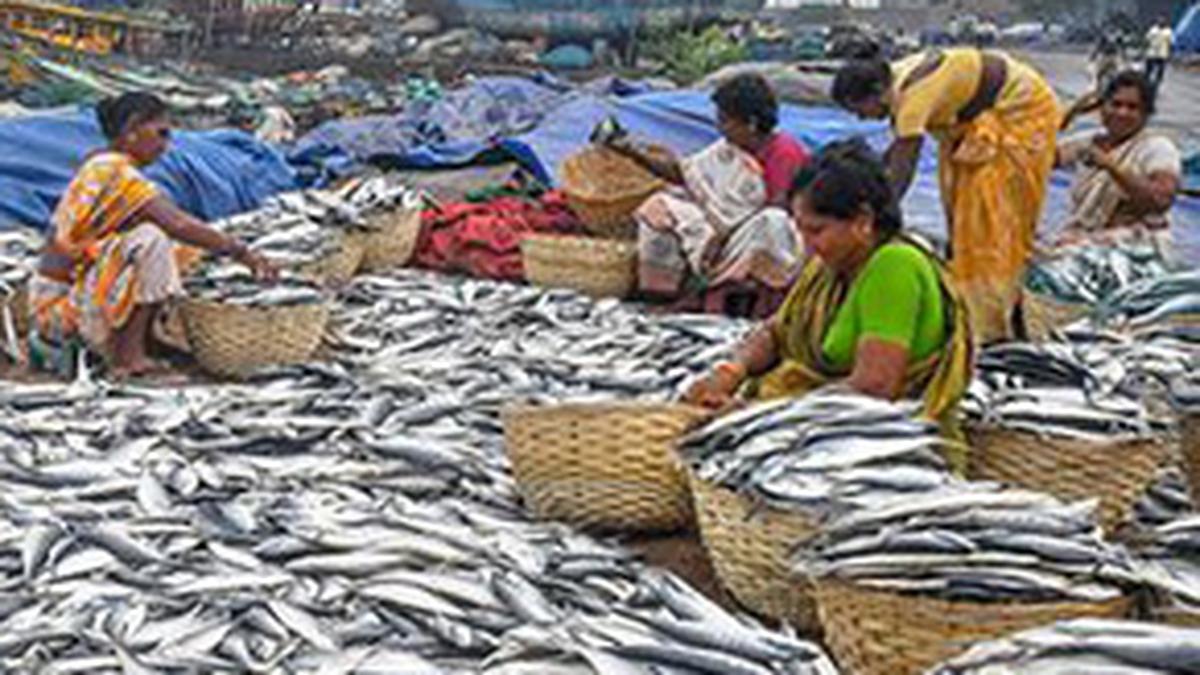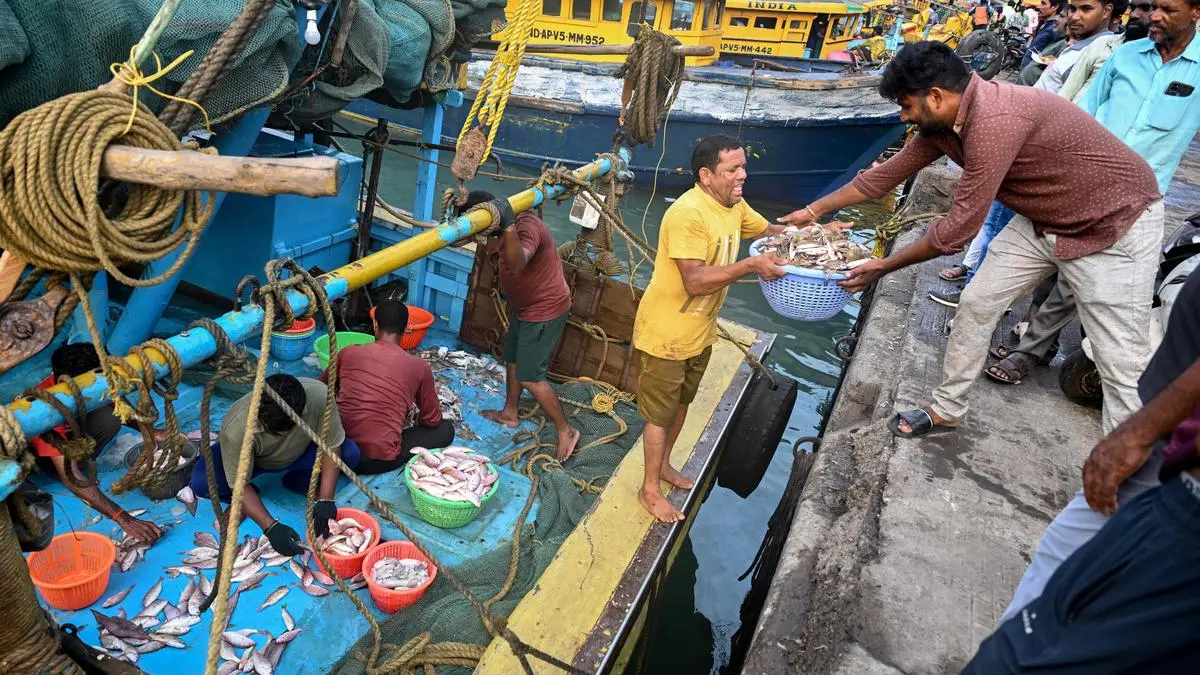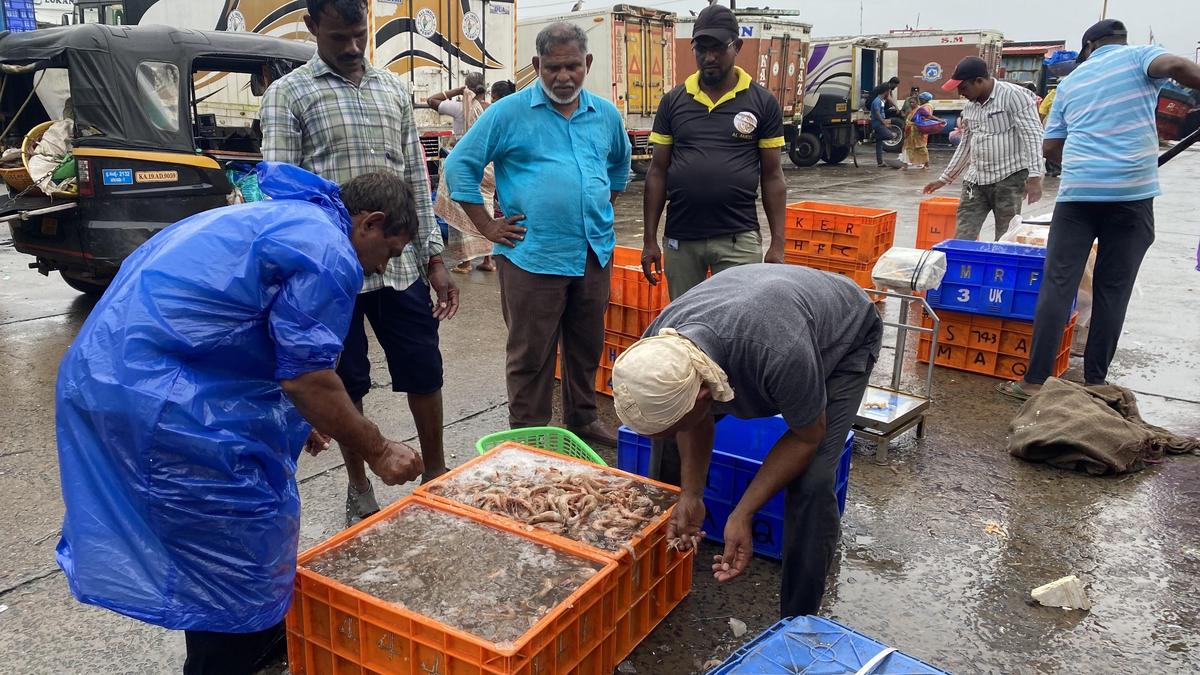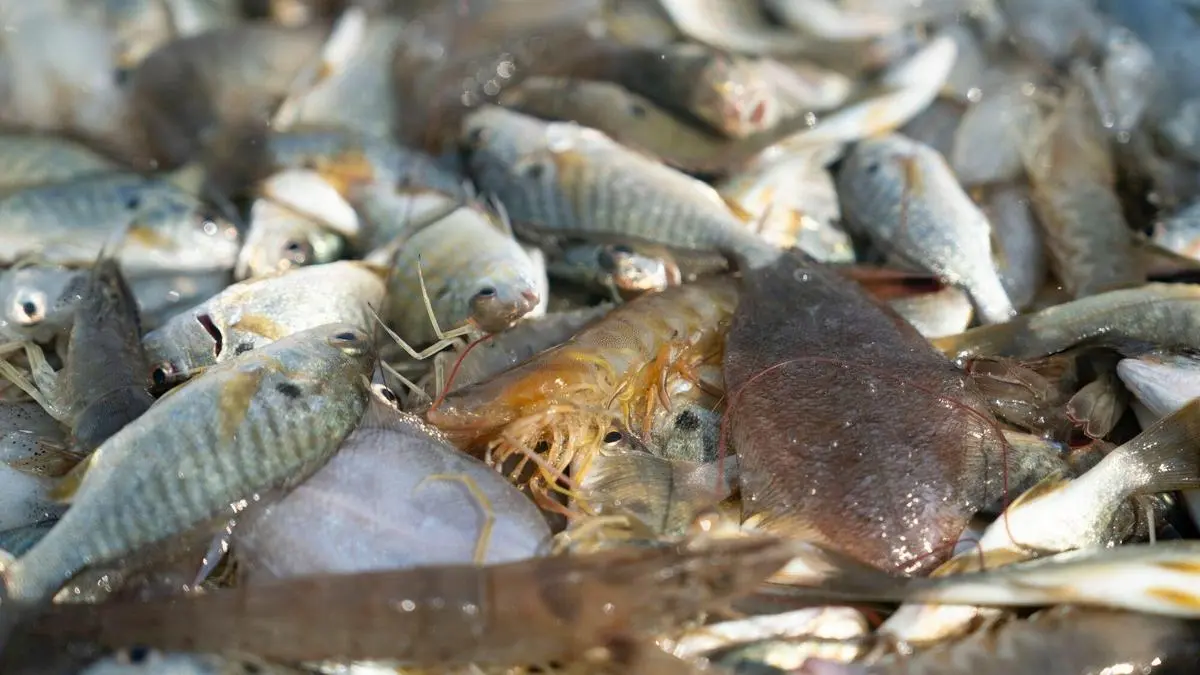
Keralam’s seafood sector has launched a major sustainability push, unveiling a comprehensive draft state fisheries management plan and a digital tracking framework to capture a larger share of the growing global market for responsibly sourced seafood.At a high-level stakeholder summit hosted by the Seafood Exporters Association of India (SEAI), government officials, marine scientists, and exporters agreed to a unified roadmap designed to earn prestigious Marine Stewardship Council (MSC) certification for the State’s key shrimp and cephalopod fisheries within the year.Central to the initiative is the new draft Keralam State Fisheries Management Plan, developed by scientists at the ICAR-Central Marine Fisheries Research Institute (CMFRI). The plan introduces science-backed harvest control rules and gear restrictions designed to prevent juvenile overfishing and boost long-term marine productivity across the Arabian Sea.Certification demandInternational retailers are increasingly demanding certified sustainable seafood, said K. N. Raghavan, CEO of SEAI. This unified framework ensures that Keralam’s seafood remains highly competitive, fully compliant and recognised globally for responsible practices.To meet stringent international trade standards, the Marine Products Export Development Authority (MPEDA) announced that it will launch mandatory online registration for all local fish dealers and aggregators next month. The system will create an end-to-end digital audit trail from coastal landing centres directly to processing plants.Concurrently, the Fisheries department is deploying digital trawl footprint tracking and a mobile enforcement application, alongside making square-mesh codends mandatory to protect juvenile fish stocks.Innovations backed by the MSC Ocean Stewardship Fund and presented by the ICAR-Central Institute of Fisheries Technology demonstrate that modified trawl gear is already yielding significant reductions in fuel consumption, carbon emissions, and non-target by-catch across the deep-sea fleet.Adoption of TEDsTo build on this momentum, industry leaders outlined concrete steps to bring Keralam’s fleet in line with key global benchmarks—including accelerating the adoption of Turtle Excluder Devices (TEDs) to match near-100 per cent implementation rates seen in states like Gujarat and Odisha, securing full access to the US wild-caught shrimp market.To support vessel upgrades, certification costs, and community outreach, stakeholders are mobilising CSR funds from public sector enterprises like Cochin Shipyard, supported by national initiatives such as the Pradhan Mantri Matsya Sampada Yojana (PMMSY).The draft plan will be formally submitted to the State government for final policy endorsement, backed by a multi-agency scientific data-sharing agreement and coastal capacity-building programmes launching next month.Published on August 24, 2026
Keralam’s seafood sector unveils draft fisheries management plan
Keralam's seafood sector launches a sustainable fisheries management plan, aiming for global market competitiveness and MSC certification.
385 words~2 min read