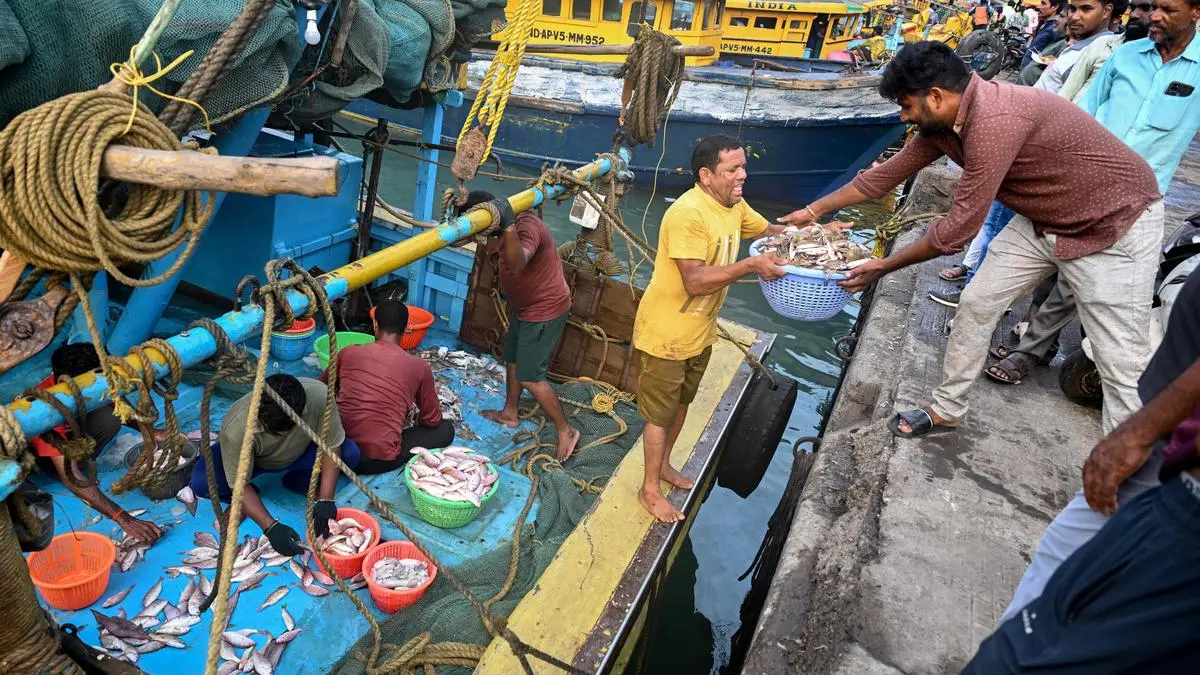
Kerala Maritime Policy and investments in ports and maritime infrastructure are expected to create opportunities in logistics, tourism and allied sectors
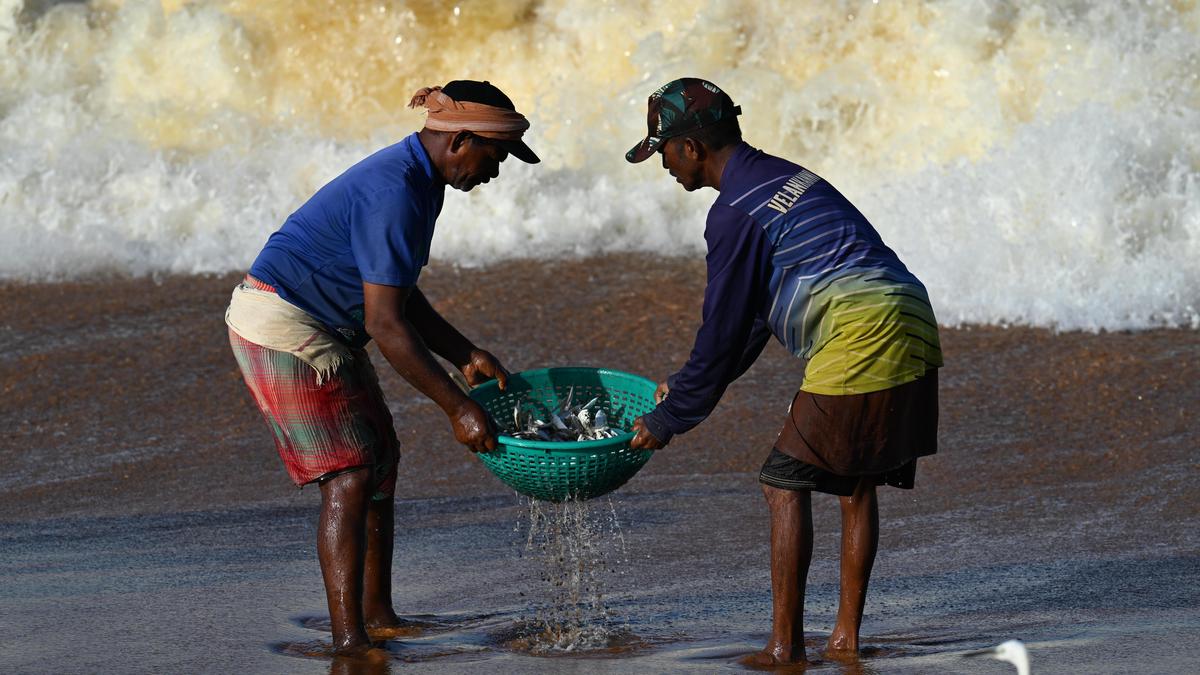
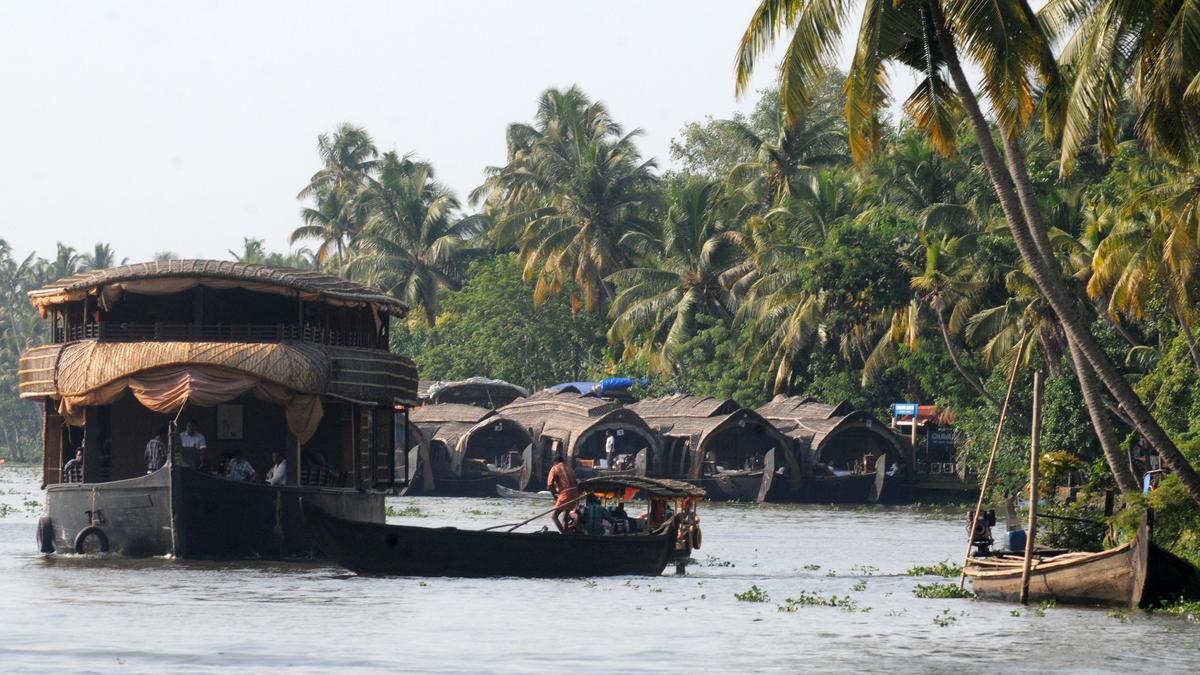
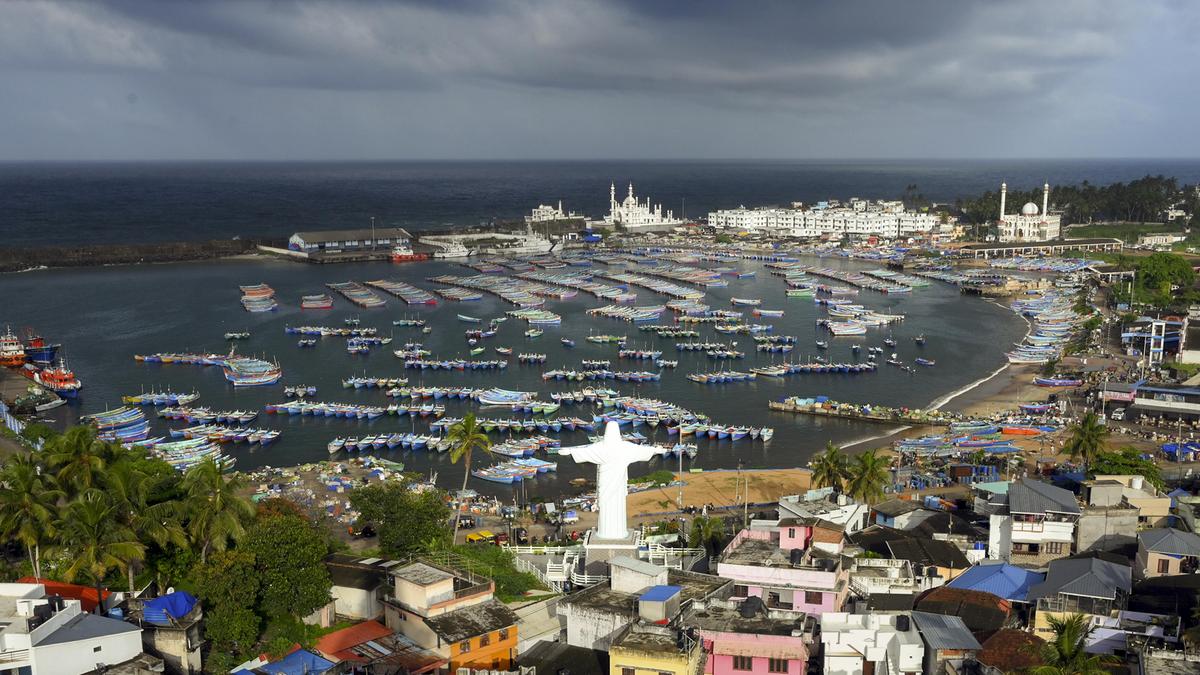
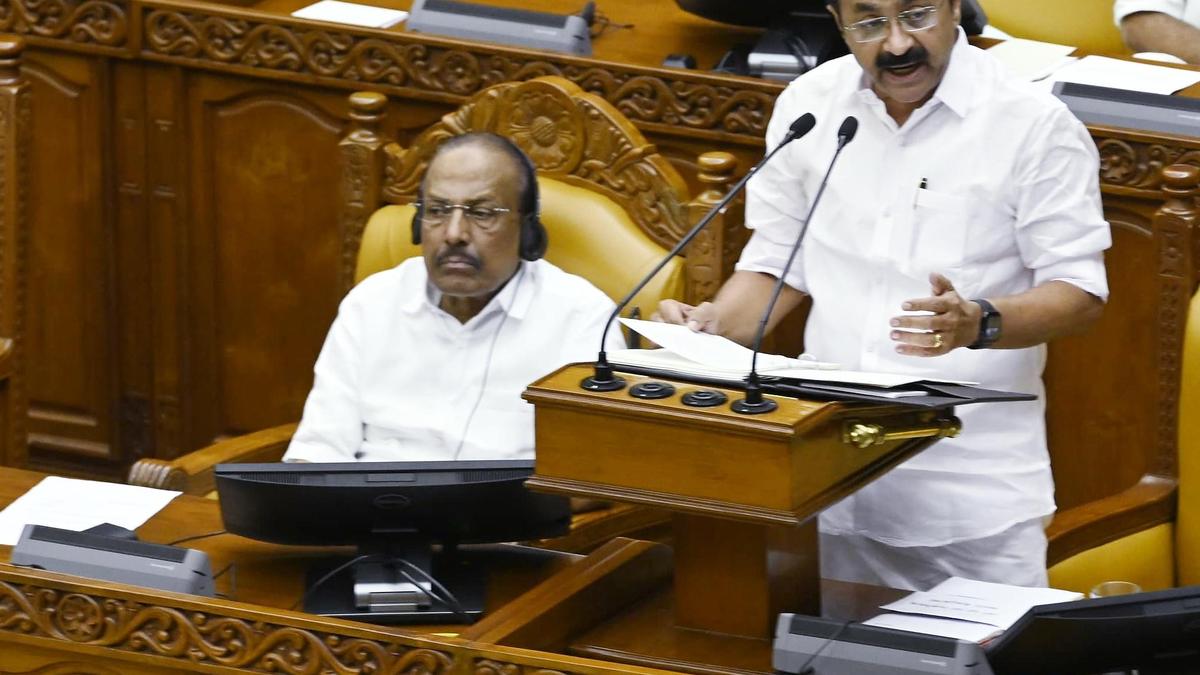
The fisheries-related announcements in Kerala’s revised Budget have been widely welcomed by experts, who believe the measures could help position the State as a national model for climate-resilient fisheries governance, blue economy development and inclusive coastal prosperity.A Biju Kumar, Vice-Chancellor of Kerala University of Fisheries and Ocean Studies, said the Budget reflects a strong commitment to the welfare of coastal communities and the advancement of the fisheries sector. However, he stressed that the real challenge lies in converting these announcements into time-bound, scientifically informed and community-centred initiatives.While the sector has traditionally received substantial welfare support, he said that the State still lacks a comprehensive roadmap for sustainable fish production, blue economy expansion and climate resilience.Key AnnouncementsOne of the key announcements — the increase in kerosene subsidy to ₹75 per litre — will provide immediate relief to traditional fishers struggling with rising operational costs. However, he said that the long-term strategy should focus on greening the fisheries sector through energy-efficient vessels, hybrid propulsion technologies, solar-assisted systems and other low-carbon fishing practices. Reducing dependence on fossil fuels while safeguarding livelihoods should become a central objective of future fisheries development.He also called for the establishment of a Fisheries Skill Development Mission to create structured training pathways in emerging areas such as mariculture, seafood processing, marine tourism, ornamental fisheries, seaweed cultivation, digital marketing and entrepreneurship.Grinson George, Director, Central Marine Fisheries Research Institute (CMFRI), said that enhanced accident and vessel insurance schemes, along with rescue boat provisions and compensation for climate-related fishing disruptions, would significantly improve disaster preparedness and strengthen fishing communities’ resilience.While the proposed Kerala Maritime Policy and investments in ports and maritime infrastructure are expected to create opportunities in logistics, tourism and allied sectors, he stressed that scientific planning, environmental safeguards and conservation measures must be integrated into all developmental activities.Protecting coastal and marine ecosystems, fishery resources and the ecological health of coastal waters is essential for ensuring long-term benefits for both present and future generations, he said.CMFRI hopes that the State government will take proactive steps towards sustainable marine fisheries management and responsible fishing practices to conserve marine resources and secure the long-term sustainability of Kerala’s fisheries sector, he added.Published on June 19, 2026