A new wave of food price increases could reach Bulgarian consumers in the coming months as extreme heat and drought weigh on European harvests while grain, energy and fertilizer costs rise amid continuing wars in Ukraine and the Middle East.
The combination is putting renewed pressure on global agricultural commodity markets. An analysis by Oxford Economics forecasts an 11.8% increase in global food prices in 2026, followed by another 4.8% rise in 2027. Cereals, fruits and vegetables, and dairy products are expected to be among the categories most affected.
The issue is particularly important for Bulgaria, where bread, flour, pasta and other grain-based foods make up a significant part of household spending. As a member of the European single market, Bulgaria is also exposed to developments in European agriculture and international grain trade, meaning major supply shocks can eventually feed into domestic prices.
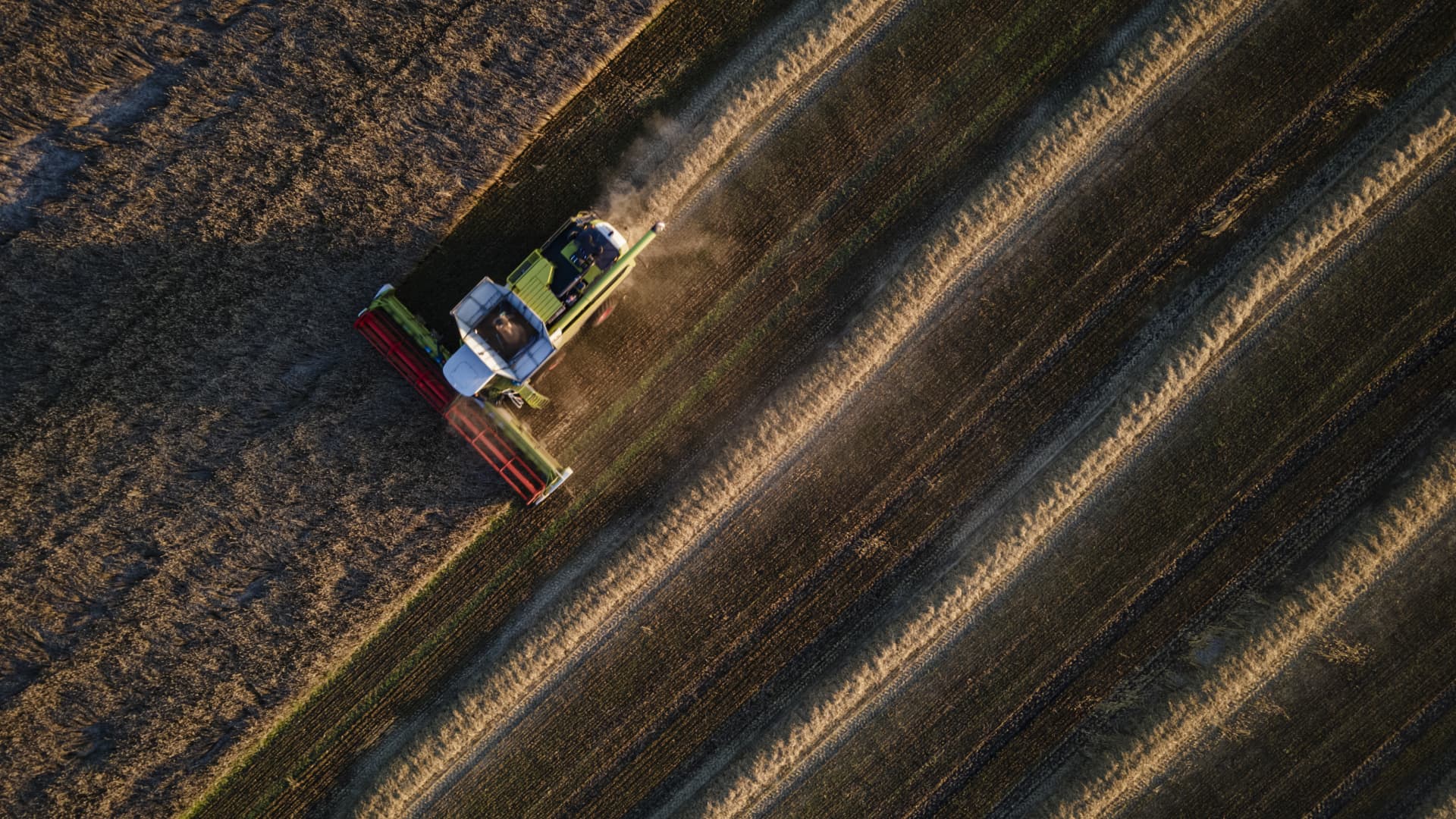
Europe's harvest prospects have already deteriorated. The European Grains and Oilseeds Trade Association Coceral cut its forecast for the combined grain harvest in the European Union and the United Kingdom from 295.5 million metric tons to 286.6 million tons in July. That compares with about 310 million tons harvested in 2025.